
“They sold us fertilizer, weed killers and genetic engineered seeds and called it progress. Our grandparents sold nothing and bought nothing — and built soil that lasted generations. May be they weren't so dumb” --YNOT!
Organic Health Secrets
By YNOT
Table of Contents
- Title Page
- Dedication
- Foreword
- Preface
- Introduction
- FRUITS AND NUTS THAT CAN KILL YOU
- When a Neuron Dies Does It Go to Heaven?
- Do You Know Your Coronary Artery Calcium Score—and Why It Is More Important Than Your Credit Score?
- Bioengineered food vs Eat Food Your Grandfather Would Recognize
- The Raw Truth about Raw Vegetable - Cyclospora Outbreak
- ALVA - AI Health Guide
- The Fruit Bowl May Be More Powerful Than Medicine
- The Cheapest Superpower You'll Ever Buy - Reading
- Your Stomach Isn't a Blender—It's More Like a Farm
- Your GUT and the Connection to Sleep Disorders
- An Apple a Day Keeps Your Kidneys Working Well
- Eat Like Your Life Depends on It—Because It Does
- Your Brain on Caffeine - it is not what you think!
- Healthy Fats - Cashews
- These Products make you Infertile and are Harming Your Future Kids
- SAMA - Balance
- Lies, More Lies...Sugar, Spikes, Diets and Aging
- EYE Health is Really Important
- -A Pandemic’s Grip on the World
- 7 Things That Will Keep You Broke
- A Spirited Look at Booze, the Brain and Cancer
- The Hour of the Wolf
- Simple Plan for Success - Starting with your Health
- How Tiny Aliens Keep Us Alive and Kicking
- Living with the Shadow for 60 Years
- Instincts: The Symphony of Muscle Memory
- Sugar can be causing 43% Of Mental Illness
- The Art of Living Fully - Hobbies
- Forgetting Is Not a Defect - But let's Make it better
- SLEEP
- Too Sweet to Swallow - Time to Sweeten Life Differently
- How AI Bridges Loneliness and Revolutionizes Mental Health
- The Feet We Mistreat: A Guide to Walking the Right Path
- The Lost Art of Joy: How to Find It Before You Forget It Ever Existed
- Invest in Yourself—You Are Your Greatest Asset
- Wonder Nut
- The Perfect Nut Mix
- CT Scans Projected to Cause 100,000 New Cancer Cases in the US: What You Need to Know
- The Longevity Molecule the cure for many diseases
- The Oil Aisle Illusion: Nature vs. The Lab
- Why we still Die from Prostate and Colorectal Cancer?
- 🛡️ Eat to Fight Inflammation & Strengthen Your Legs for Life
- Simple Six Recovery Exercise Isometric Strength Plan
- What Would a Diabetic Do on Gilligan’s Island?
- I want my siesta! - Or at Least a Decent Night’s Sleep!
- Tattoos Are Not Just Skin Deep
- Why Your Negativity Is So Bad for Your Brain — and How to Stop It
- Five Health Checkups You Should Avoid After 70
- The Truth About Anesthesia: What Really Happens When You "Go Under"
- Sugar Troubles - Told Straight
- The Deadly Wager: How Self-Deceit Fuels Violence, Suicide and Assassination
- Tylenol, Sunlight, and the Shadows of Autism
- he Curious Case of “Fixable Dementia”
- The AI Machines That Listen to the Silence
- 🧠 The Missing Nutrient of the Mind
- The Sweet Truth About Honey 🍯
- The Muscle That Saves You While You Sit to Death
- Creatine, Stress, and the Great American Shortcut
- The Truth About Sleep, Melatonin & Magnesium
- What Happens to Your Blood Sugar When You Eat Salmon Regularly
- Your Legs Are Sending You a Memo
- The Soup That Told on Itself - Campbell Soup Exposed
- Life is about 10 choices - 21 days to a changed life
- Become the Kind of Person Who Eats Sardines on Purpose
- Creatine, Caffeine, and the Modern Fool’s Quest for Superpowers
- The Silent Enemies in Your Pantry
- The Biggest Health Revolution of Our Time EAT REAL FOOD
- So how are changes to the Food Pyramid better?
- Olive oil is truly magical for your body—but is the stuff you’re using actually real?
- The Hidden Center of Everything: Why Gut Health Is the Foundation of Modern Health
- What is the Slow Poison You Meet Every Day that is Burning your Feet?
- The Big Lie We’ve Been Sold - Foods You Trust Most Are Quietly Ruining Your Kidneys
- Inside the Secret World of Fake Seafood
- 10 Hobbies That Quietly Make You Smarter
- So You Want to Live Forever? Or Would You Prefer to Choose How You Don’t Die?
- THE TRUTH - Most Cancers are Preventable - Really -
- Alzheimer’s Isn’t Inevitable—And What If You’re Already Preventing
- What If the Brain’s Favorite Fuel Isn’t Sugar—and Never Was?
- How Sweet it is not!
- Popcorn Lung:Cause, How to Avoid, and How to Get Paid
- What Did Your Grand Father Know About Soil That a $200 Billion Industry Hoped You’d Forget?
- Can Your Feet Predict Your Medical Bills Before the Doctor Does?
- The Battle of the Nutritional and Anti-Oxidant Giants that fight the BIG C
- Feeding Your Muscle and Brain on the Cheap
- Be the Buck Rogers - 🧊 Cryonics / Biostasis
- Nature’s Apothecary: - Where Healing Began
- So misunderstood and underrated - Your Appendix - It has a function that was unknown till now
- What Really Happens to Your Stem Cells as You Age — and Can You Help Them Last Longer?
- Are You Training to Live Longer — or Just Wearing the Engine Out?
- Psychedelics Law change -Hurry Up, People are Losing theirs Mind
- 10 Ways anyone can do to Really Help the Earth
- Are We Raising Children or Just Storing Them Until Adulthood?
- How to Get Rid of Visceral Fat in 14 Days
- How to Never Get Sick Again, well mostly.
- You’re Eating Healthy Already… So Why Not Take It to the Next Level?
- What If Your Body Has Been Trying to Warn You for Years
- Everything Sweet and Golden Is Not Honey
- Can Cheap Seeds Help Your Old Legs Remember What Blood Flow
- Tulsi Gabbard Just Said the Quiet Part Out Loud About U.S.-Funded Biolabs
- How Does McDonald’s Fool You Into Buying Crappy Food?
Title Page
Organic Health Secrets Simple Truths. Pure Choices. A Healthier You. A practical collection of health lessons, food wisdom, common-sense habits, and forgotten truths for people who want to feel better, think clearer, and live stronger.
By YNOT**
This book is not about chasing every new health trend.
It is about returning to the simple things that still matter: what you eat, how you think, how you move, how you sleep, and what you choose to believe about your own body.
Health does not usually fall apart overnight. It compounds slowly through daily choices.
The good news is this:
So does healing.
Organic Health Secrets** By YNOT
Copyright
Copyright © [Year] [Author]. All rights reserved.
Dedication
Dedication
This book is dedicated to the people who refuse to accept sickness as normal.
To the ones who ask questions when everyone else says, “That’s just how it is.”
To the ones who read labels, challenge habits, question systems, change their food, walk away from poison, seek better answers, and fight for their own health before the world gives them permission.
And to the people who try to help others do the same.
Not because they think they know everything.
But because they know too many people suffer needlessly when no one tells them there may be another way.
This book is for the fighters, the questioners, the healers, the experimenters, the truth-seekers, and the stubborn souls who believe the human body was meant for more than simply surviving.
It was meant to live.
Foreword
Most people do not lose their health all at once.
They lose it one small decision at a time.
A little too much sugar. A little too little sleep. A little too much stress. A little too little movement. A few too many pills. A few too many excuses. Then one day they wake up tired, inflamed, overweight, foggy, anxious, and wondering how they got there.
The answer is usually simple.
They got there slowly.
That is also the good news.
Because if poor health can compound in the wrong direction, better health can compound in the right direction.
This book is built on that idea.
Organic Health Secrets is not trying to turn you into a doctor, a bodybuilder, a nutrition scientist, or a monk living on mountain water and raw leaves. It is about something much more practical. It is about giving ordinary people simple, useful, common-sense health ideas that can actually fit into real life.
You do not need to understand every chemical reaction in the body to make better choices. You do not need to memorize every study. You do not need to follow every new trend that shows up on the internet.
You need to start noticing patterns.
What foods give you energy?
What habits steal your energy?
What are you eating every day that your grandparents would not recognize?
What are you calling “normal” that is really just common?
There is a difference.
Being tired all the time may be common, but it is not necessarily normal.
Living on caffeine, sugar, stress, and processed food may be common, but it is not necessarily normal.
Waiting until the body breaks before you care for it may be common, but it is not wisdom.
This book is a reminder that health is not only found in hospitals, prescriptions, diets, or expensive programs. Much of it begins in the ordinary choices we make every day: the food we buy, the water we drink, the sleep we protect, the movement we avoid, the stress we tolerate, and the truth we are willing to face.
Some chapters may challenge what you believe. Some may confirm what you already suspected. Some may make you laugh. Some may make you uncomfortable. That is fine. The purpose of this book is not to make health complicated. It is to make it harder to ignore.
This is not medical advice, and it is not a replacement for a qualified doctor. But it is an invitation to think. To ask better questions. To stop outsourcing every decision about your body. To become more aware of what you consume, what you trust, and what small changes might make a big difference over time.
Health does not have to be perfect to improve.
You do not have to fix everything today.
But you do have to begin.
And sometimes, the best place to begin is with the simple truth that your body is always listening to your choices.
Choose better, and over time, your body may answer back.
Preface
I wrote this book because health has become too complicated.
Every day, someone is selling a new diet, a new pill, a new powder, a new machine, a new miracle, or a new fear. One expert says one thing. Another expert says the opposite. Then the internet jumps in and makes everyone confused, angry, and certain at the same time.
Meanwhile, the basics still matter.
Eat better food. Drink more water. Sleep enough. Move your body. Get sunlight. Reduce stress. Stop pretending poison becomes harmless because it comes in a pretty package. Pay attention to what your body is trying to tell you before it has to scream.
That is the heart of this book.
Organic Health Secrets is not meant to be a medical textbook. It is not written for scientists in white coats or people who enjoy arguing over footnotes. It is written for regular people who want practical health wisdom they can understand, remember, and use.
This book is about simple health ideas, forgotten common sense, and the small daily choices that quietly shape the future of your body.
Some of these chapters started as observations. Some started as questions. Some started with frustration over how much bad information people accept as normal. And some came from the simple belief that most people do not need more confusion. They need clearer thinking.
Health is not only about avoiding sickness.
It is about having the energy to live your life.
It is about keeping your mind sharp, your body useful, your spirit steady, and your future as open as possible. It is about understanding that the body is not separate from the choices we make every day. It is keeping score, whether we are paying attention or not.
This book will not ask you to become perfect.
Perfect is usually where people fail.
The goal is better.
A better breakfast. A better walk. A better night of sleep. A better question at the doctor’s office. A better label read at the grocery store. A better understanding of what helps you and what hurts you.
Small things compound.
That is true in money. It is true in business. It is true in relationships. And it is absolutely true in health.
The purpose of this book is to help you think more clearly about your body, your habits, your food, and your future.
Not to scare you.
Not to shame you.
Not to sell you some fantasy.
Just to remind you that your health is one of the few things in life you cannot afford to ignore.
Read this book with an open mind, but also with a sharp one. Question everything, including me. Talk to qualified professionals when needed. Do your own research. Listen to your body. Use common sense.
And most importantly, start somewhere.
Because the road to better health usually does not begin with a miracle.
It begins with one honest decision.
Introduction
Health is one of those things everybody talks about, but very few people treat seriously until something goes wrong.
When the body is working, we ignore it.
When the body starts warning us, we explain it away.
When the body finally breaks down, then we call it a crisis.
But in most cases, health does not collapse in one dramatic moment. It erodes quietly. It slips away through small daily habits that seem harmless at the time. A little less sleep. A little more sugar. A little less movement. A little more stress. A little more processed food. A little less real food. A little more sitting. A little less sunlight. A little more pretending everything is fine.
Then one day, what used to be easy becomes hard.
Walking up stairs feels different.
Thinking clearly takes more effort.
Sleep does not feel restful.
Energy disappears before the day is half over.
The doctor starts using words you were hoping not to hear.
That is when people usually begin asking questions.
The purpose of this book is to help you ask those questions sooner.
Organic Health Secrets is not about perfection. It is not about becoming obsessed with every calorie, every ingredient, every supplement, or every health trend. It is about returning to basic truths that still matter in a noisy world.
Your body needs real food.
Your brain needs rest.
Your heart needs movement.
Your cells need water.
Your mind needs peace.
Your life needs balance.
These are not complicated ideas. But they are powerful ideas when practiced consistently.
The problem today is that many people have been trained to ignore the obvious. We eat food that barely resembles food. We drink sugar and call it energy. We mistake stimulation for strength. We confuse being busy with being productive. We wait for sickness before we value wellness. Then we act surprised when the body sends us the bill.
This book is a collection of practical health lessons, warnings, observations, and common-sense reminders. Some chapters focus on food. Some focus on energy. Some focus on aging, disease, habits, chemicals, stress, and the strange ways modern life works against the human body.
You may not agree with every point. That is fine. You should not blindly accept anything just because it is written in a book. Read with curiosity. Read with skepticism. Read with your own life in mind.
The goal is not to tell you what to think.
The goal is to make you think.
Because better health usually begins before the gym, before the medicine cabinet, before the doctor’s office, and before the emergency room.
It begins with awareness.
It begins when you look at your daily choices and ask:
Is this helping me or hurting me?
Is this giving me energy or stealing it?
Is this making my future stronger or weaker?
Am I feeding my body, or just filling it?
Am I living in a way my body can survive, or in a way it can actually thrive?
Small choices matter because small choices compound. One good decision may not change your life today. But repeated over weeks, months, and years, it can change the direction of your life.
That is the real secret.
Health is not usually hidden in one miracle cure.
It is hidden in the things we already know but keep avoiding.
This book is an invitation to stop avoiding them.
FRUITS AND NUTS THAT CAN KILL YOU
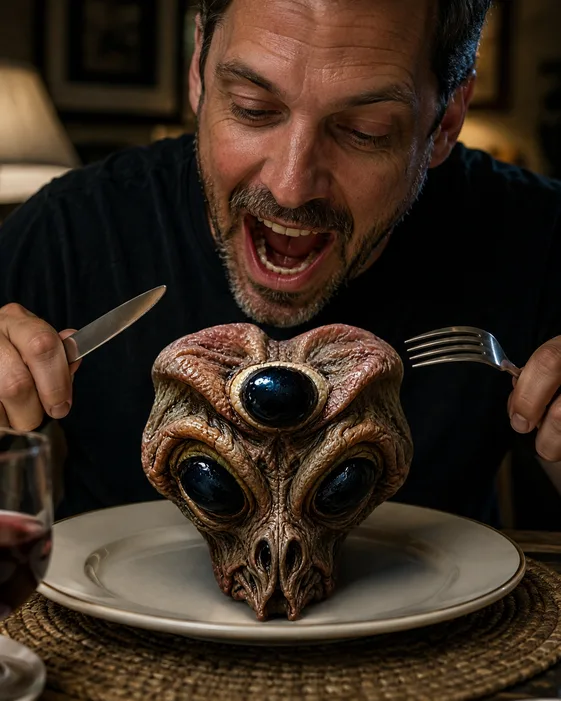
“Natural” does not mean safe. It means nature made it with a warning label—then hid the label, all without consulting a lawyer. --YNOT!
We have been taught to fear processed food.
Too much sugar. Too much salt. Too many ingredients with names that sound like failed pharmaceutical companies.
Meanwhile, nature is standing quietly in the produce aisle, smiling like an innocent grandmother—with cyanide in her purse.
Most fruits and nuts are perfectly safe when eaten normally. But certain plants contain toxins in their seeds, pits, shells, unripe flesh, or improperly prepared roots. The danger is often not the food itself. It is eating the wrong part, at the wrong stage, in the wrong quantity, or preparing it the wrong way.
Here are several foods that remind us that “natural” and “harmless” are not synonyms.
1. Ackee: The Fruit That Must Open the Door Itself
Ackee is famous in Jamaican cuisine, and properly harvested ackee is safe and delicious.
But an unripe ackee fruit contains high concentrations of hypoglycin A, a heat-stable toxin that can cause severe vomiting, dangerously low blood sugar, coma, and death. The seeds, rind, and membranes should never be eaten. The fruit must mature and open naturally before the edible cream-colored arils are prepared. (U.S. Food and Drug Administration)
Ackee is essentially nature saying:
“Do not enter until invited.”
And unlike some invitations, this one should be taken seriously.
2. Apricot Kernels: The Cyanide Inside the Health Claim
The soft orange fruit is harmless. The kernel hidden inside the pit is another matter.
Raw apricot kernels contain amygdalin, which can release cyanide when chewed or digested. Some have been promoted as alternative cancer treatments despite the danger and lack of reliable evidence that they treat cancer.
The European Food Safety Authority found that eating more than three small raw kernels—or less than half of one large kernel—could exceed safe acute exposure levels for an adult. For a toddler, even one small kernel may exceed that threshold. (European Food Safety Authority)
The apricot kernel is a fine example of modern marketing:
Take something poisonous, call it ancient medicine, package it in brown paper, and triple the price.
3. Bitter Almonds: Not the Almonds in Your Snack Bag
The sweet almonds sold commercially are ordinarily safe.
Bitter almonds, however, can contain much higher concentrations of cyanogenic compounds. When crushed or digested, those compounds can release hydrogen cyanide.
This does not mean you should panic over supermarket almonds. It means that wild, unidentified, or unusually bitter nuts should not be treated as adventurous trail mix.
When a nut tastes as though it resents your presence, believe it.
4. Cashews: The Nut That Arrives Wearing Protective Armor
The “raw” cashews sold in stores are generally not truly raw. They have normally been heat-treated to remove hazardous oils associated with the shell.
Cashew shells contain substances related to those found in poison ivy. Improperly processed cashews can cause severe skin irritation and other toxic effects.
So the cashew is not naturally sitting there naked and ready for your charcuterie board. Humanity had to negotiate terms.
5. Nutmeg: A Holiday Spice With a Dark Side
A small culinary amount of nutmeg is safe.
Eating large quantities, however, can cause nausea, agitation, hallucinations, prolonged drowsiness, and—in serious cases—coma. (poison.org)
This is why recipes say “a pinch of nutmeg,” not “empty the container and discover another dimension.”
More is not always better. Sometimes more is simply an ambulance with cinnamon on it.
6. Cherry, Peach, Plum, and Apple Seeds
The flesh of these fruits is safe. Their seeds or pits contain varying amounts of cyanogenic compounds.
Accidentally swallowing an intact apple seed or cherry pit is unlikely to poison a healthy adult because the hard exterior often passes through the body without releasing much toxin. The danger increases when large quantities are crushed, chewed, ground, or blended, allowing their contents to be released.
The lesson is not to fear apples.
The lesson is to stop treating a blender like a scientific research program.
7. Cassava: A Staple Food That Demands Preparation
Cassava feeds hundreds of millions of people, but some varieties contain compounds that can release cyanide.
Proper peeling, soaking, fermenting, drying, and cooking can substantially reduce the toxin. Poorly processed cassava—especially bitter varieties—can cause acute poisoning and has also been associated with neurological disease when consumed repeatedly under conditions of inadequate processing and poor nutrition.
Cassava proves that traditional food preparation was not merely culinary fussiness.
Sometimes grandma soaked something overnight because the alternative was paralysis.
The Dose, the Part, and the Preparation
Nearly every frightening food story needs context.
A substance can be harmless at culinary levels and dangerous in concentrated quantities. A fruit’s flesh may be edible while its seed is toxic. A mature plant may be safe while the unripe version is hazardous. Proper processing may turn a dangerous raw ingredient into an important staple.
So the useful question is not simply:
“Is this food poisonous?”
The better questions are:
Which part? At what stage? In what amount? And after what preparation?
The Real Moral of the Story
Nature is magnificent, nutritious, and occasionally homicidal.
She produces mangoes, almonds, cherries, spices, and tropical delicacies—but she does not provide customer service. She assumes that somebody in the village remembers what must be peeled, soaked, boiled, roasted, discarded, or left alone.
Civilization did not merely invent recipes.
It accumulated survival instructions and disguised them as cuisine.
So enjoy your fruits and nuts—but respect the pits, distrust miracle cures, and remember:
#FoodSafety #Ackee #NaturalToxins #FruitsAndNuts #HealthEducation
When a Neuron Dies Does It Go to Heaven?

A neuron may die, but a memory is rarely buried with it. The brain keeps no filing cabinet—only a magnificent web of connections, constantly losing threads, tying new ones, and somehow remembering the story and may be one day we can record it. -- YNOT!
The human brain is a peculiar machine. It is built mostly before we are old enough to complain about it, spends the next several decades rearranging itself, and somehow remembers your third-grade teacher’s face while refusing to tell you where you put your car keys five minutes ago.
Anyone working with AI and hallucinations appreciated the arrangement. Nature gives us one of the most complicated objects in the known universe and then neglects to include an instruction manual.
Most of the neurons in your brain were created before you were born. Unlike skin cells, blood cells, and the unfortunate lining of your stomach, mature neurons generally do not divide and replace themselves every few days. Many of them are built for the long haul.
A neuron created before your first birthday may still be working when you are eighty.
That is quite an employment contract.
Every day it maintains its electrical charge, repairs itself, replaces proteins, sends chemicals across synapses, strengthens some connections, weakens others, and communicates with thousands of neighboring cells.
Yet even neurons eventually die.
That raises an obvious and rather unsettling question:
If the neuron dies, does the memory stored inside it disappear?
Fortunately, the brain does not appear to operate like a warehouse where Neuron 8,742 contains Christmas 1976 and Neuron 22,981 contains the name of your first girlfriend.
Memories are distributed.
A memory is closer to a pattern spread across an enormous network.
The color of the room may involve one group of neurons. A person’s voice another. The smell of dinner another. The emotional significance of the event may involve still other circuits. The hippocampus helps tie parts of the experience together, while portions of the memory eventually become distributed through the cerebral cortex.
The memory, therefore, exists partly in the relationships among neurons: which cells communicate, how strongly they communicate, which connections become easier to activate, and which pathways tend to fire together.
In other words, the brain remembers not merely because neurons exist, but because they have relationships.
Apparently even brain cells cannot escape networking.
When one neuron dies, you ordinarily do not suddenly forget Christmas.
The surrounding network contains redundancy. Other neurons participate in the same pattern, and the brain can often route around small losses.
But as connections deteriorate, something interesting can happen.
The memory may remain while its resolution declines.
You still remember the vacation. You remember who was there.
You remember that something funny happened at dinner.
But you cannot remember the restaurant.
Then you cannot remember what was said.
Eventually you are left with the general story but fewer of the original details.
Memory loss can therefore resemble an old photograph gradually fading rather than a computer file suddenly being deleted.
And there is another complication. Every time you remember something, your brain reconstructs it. Memory is not a perfect recording.
The brain retrieves pieces, fills gaps, reinforces some connections, weakens others, and sometimes introduces information that was not part of the original experience.
Which explains why three people can attend the same family argument and twenty years later possess four different versions of it.
The Brain Is Not a Filing Cabinet, and Whiskey Is Not an Eraser
Then we come to alcohol. For generations people have said that drinking “kills brain cells.”
That statement contains enough truth to survive at a bar and not enough precision to survive comfortably in a neuroscience laboratory.
Heavy and prolonged alcohol exposure can indeed damage the brain and, under severe circumstances, contribute to neuronal injury and death.
But alcohol does not have to kill a neuron to interfere with your brain.
It can disrupt communication between neurons. That distinction is important.
Your brain depends upon exquisitely timed electrical and chemical signals. Alcohol changes that signaling. Attention declines. Reaction time slows. Judgment deteriorates. The hippocampus becomes less capable of turning an ongoing experience into a durable memory.
This is why an intoxicated person can sometimes walk, talk, argue, dance, send regrettable text messages, and apparently participate in an entire evening—and remember almost none of it the following morning.
The neurons were not necessarily destroyed. The recording system failed.
An alcohol blackout is therefore not primarily a case of memories being erased.
In many cases, the memories were never properly written down in the first place.
That may be the more frightening prospect.
Repeated heavy drinking can cause considerably more trouble.
Synapses can change.
Dendrites—the branching structures through which neurons communicate—can become altered.
Brain networks can become less efficient.
The hippocampus can be affected.
Nutritional deficiencies associated with alcoholism can produce additional neurological damage.
Inflammation, liver problems, and metabolic disturbances can pile onto the problem.
And research suggests that heavy alcohol exposure may interfere with neuroplasticity and the process by which new neurons develop in portions of the hippocampus.
That brings us to one of the most fascinating discoveries in modern neuroscience.
For many years scientists believed that adults simply stopped making neurons.
The story now appears more complicated.
There is evidence that some new neurons can continue developing in the adult hippocampus, although scientists are still debating exactly how much adult human neurogenesis occurs and how important it is at different ages.
These new neurons may do considerably more than merely replace old ones.
They may help the brain distinguish one experience from another, incorporate new information, adapt to changing circumstances, and prevent yesterday’s memories from overwhelming today’s reality.
That possibility is especially interesting because recent research into depression has found evidence that the process of developing new hippocampal neurons may become disrupted or “stalled” in people with major depressive disorder.
The stem-like cells appear to remain.
But fewer may successfully mature into functioning neurons.
If that finding is confirmed and expanded, it may help explain why depression affects much more than mood.
Depression can affect memory. Learning. Attention. Mental flexibility.
The ability to distinguish one negative event from another.
And the ability to stop the past from coloring every interpretation of the present.
Perhaps the brain’s great secret is that it is not really a machine at all.
It is an ecosystem. Cells are born. Connections grow.
Connections weaken. Some neurons die.
Others compensate. Memories migrate.
Networks reorganize.
The physical material changes continuously while somehow preserving enough of the pattern for you to remain recognizably yourself.
Your brain at seventy is not physically identical to your brain at seventeen.
Many of its molecules have been replaced.
Connections have changed. Some cells have disappeared.
New experiences have rewritten portions of the network.
Yet somewhere inside that constantly changing biological machinery remains the teenager, the child, the first love, the first failure, the embarrassing mistake, the triumph nobody else remembers, and perhaps the lyrics to a song you have not heard since 1983.
The lesson is not that every drink murders a neuron or that every forgotten name represents another dead brain cell.
Neuroscience is much more interesting than that.
The lesson is that memory depends upon the health of an enormous living network.
Sleep affects it. Stress affects it. Depression affects it. Alcohol affects it. Learning affects it. Exercise affects it. Age affects it.
And if you have 5 out of 7 like most, well you are losing the battle everyday. And almost everything we repeatedly ask our brains to do eventually leaves some mark upon the network.
Nature apparently gave us a brain that changes according to how we use it.
Which seems either remarkably generous or extraordinarily dangerous.
Knowing humanity, probably both. And this is why you can never believe what you believe remember when wake up with a hangover.
EXTRA CREDIT: The life of a Neuron
A neuron’s life cycle is very different from that of most cells in your body. Many neurons are built to last essentially your entire lifetime.
During fetal development, neural stem cells divide rapidly and produce huge numbers of neurons. Most neurons in the cerebral cortex are created before birth. After they are produced, they migrate to their proper location, extend axons and dendrites, form synapses, and become incorporated into neural circuits. During childhood and adolescence, the brain then goes through extensive synaptic growth, pruning, and remodeling.
In adulthood, the situation changes dramatically. Most mature neurons do not divide and replace themselves routinely. If a cortical neuron dies, the brain generally does not simply manufacture an identical replacement.
There is evidence for limited adult neurogenesis, particularly involving the hippocampus, although the amount occurring in adult humans remains scientifically debated. The hippocampus is important for learning, memory formation, spatial processing, and distinguishing similar experiences. This is why the depression study we were discussing is interesting: it concerns a brain region where production and maturation of new neurons may still have functional importance.
How long can a neuron live?
Potentially as long as you do.
A neuron formed before birth can still be functioning 80 or 90 years later.
That is remarkable when you consider what the cell has to maintain. Some neurons have axons extending several feet—for example, motor neurons running from your spinal cord toward your feet. The cell continuously repairs membranes, replaces proteins, maintains ion gradients, transports material along the axon, and remodels thousands of synapses.
But neurons can die because of trauma, stroke, oxygen deprivation, toxins, infection, neurodegenerative disease, or normal aging.
The brain also deliberately eliminates enormous numbers of neurons during early development. This is called apoptosis, or programmed cell death. Early in life the brain overproduces cells and connections and then eliminates some of them as circuits mature.
The more interesting part of your question is what happens to the information.
A neuron does not contain one memory
The common mental picture is something like:
Neuron #87341 contains my memory of Christmas 1978.
That isn’t how memory appears to work.
Information is primarily represented by patterns of connectivity and activity across populations of neurons.
A memory might involve thousands or millions of neurons spread across different brain regions.
For example, the memory of a childhood kitchen might involve:
- visual cortical networks representing what it looked like,
- auditory networks associated with people’s voices,
- olfactory circuits representing smells,
- hippocampal networks linking the event together,
- emotional circuits involving the amygdala,
- cortical networks storing facts about the people and place.
The important information lies partly in which neurons connect to which other neurons and how strong those connections are.
Think of the brain less like a hard drive containing individual files and more like an enormous adaptive network.
A simplified representation might be:
A → B = strong connection
A → C = weak connection
B → D = strong connection
C → D = inhibited
That pattern itself contains information.
This process is called synaptic plasticity.
So what happens when one neuron dies?
Usually, surprisingly little.
Because memories are distributed across neural networks, losing one neuron generally doesn’t erase an entire memory.
Other neurons may already encode overlapping information. The brain can also reorganize its connections somewhat.
You can think of it like the Internet.
If one router disappears, the Internet doesn’t disappear. Traffic can often travel through alternative routes.
But if enough strategically important routers disappear, sections of the network begin failing.
The same principle applies to the brain.
Loss of a few neurons:
almost imperceptible
Loss of thousands or millions in an important network:
measurable cognitive impairment
Large-scale progressive loss:
memory and neurological disease
This is essentially what happens in diseases such as Alzheimer’s.
There’s another fascinating wrinkle: memories move
A newly formed memory depends particularly heavily on the hippocampus.
Over time, through a process called systems consolidation, aspects of that memory become increasingly represented across cortical networks.
Very roughly:
experience → hippocampus helps encode it → repeated reactivation → cortical networks strengthen → long-term distributed memory
Sleep appears to play an important role in this process.
That is one reason someone with hippocampal damage may remember events from decades ago while being unable to form normal new memories.
The old memories have become more distributed throughout the cortex.
A memory can therefore survive the death of some of its neurons
But there’s an even stranger consequence.
Your brain is constantly changing.
Proteins inside neurons are replaced. Synapses strengthen and weaken. Dendritic spines appear and disappear. Some neurons die. New connections form.
Yet your memory of something can persist for decades.
So the physical components carrying the memory are partially being replaced while the informational pattern persists.
It is somewhat analogous to a city.
Buildings get replaced. Roads get rebuilt. People move in and out.
Yet the city remains recognizable because its organizational structure persists.
That leads to one of neuroscience’s deepest unanswered questions:
How does the brain maintain a stable memory for 50 years when the molecular machinery making up the synapses turns over much faster than that?
We know mechanisms such as long-term potentiation, gene expression, synaptic remodeling, recurrent network activity, and structural changes contribute.
But we still do not completely understand how the brain maintains very long-term memories.
And that connects directly back to the depression finding: if the hippocampus continually introduces a small population of new neurons into an existing network, those neurons may not simply “store more data.” They may help the network reorganize, distinguish new experiences, and update old patterns without overwriting them.
That is potentially much more important than simply saying “the brain makes new neurons.”
Yes, that’s a reasonable way to think about it, with one important qualification: the death of a single neuron usually would not produce a noticeable loss of detail by itself.
Memories are distributed across networks of many neurons. If a small number of neurons or synapses are lost, the network may still reconstruct the memory from overlapping information. As more of the relevant network degrades, though, the memory can become less precise: exact wording disappears, faces become harder to picture, chronology blurs, or you retain the general event but lose peripheral details.
So memory loss often looks less like deleting a file and more like a photograph gradually losing resolution. You may still remember, “We went to that restaurant and had a great evening,” while forgetting where you sat, what everyone wore, or exactly what was said.
There is another complication: every time you retrieve a memory, the brain can reconstruct and modify it. So fogginess isn’t caused only by neurons dying. Synapses weaken, competing memories interfere, details stop being rehearsed, and recollection itself can reshape the memory.
In very simplified terms: healthy network → rich, detailed recollection → some degradation → gist remains but details fade → extensive network damage → portions of the memory may become inaccessible.
That distinction between preserving the gist and losing the detail is actually a major feature of human memory.
Yes—but the old phrase “alcohol kills brain cells” is too simplistic.
Alcohol can damage the brain, and chronic heavy drinking can ultimately injure or kill neurons, but much of alcohol’s effect on memory happens before any neuron actually dies. Alcohol disrupts neuronal signaling, changes synapses, reduces dendritic complexity, and interferes especially with the hippocampus, which is central to forming new memories. Long-term heavy drinking is associated with loss of gray and white matter and measurable cognitive deficits. (NIAAA)
A particularly good example is an alcohol blackout. During a blackout, you can be awake, talking, walking around and interacting with people. The neurons haven’t suddenly died. Instead, alcohol has disrupted the hippocampus enough that it fails to properly consolidate new experiences into long-term memories. That’s why the person may have no memory of several hours even though they appeared conscious during them. (NIAAA)
There are therefore several different effects worth separating:
Temporary intoxication: neurons communicate poorly. Attention, judgment and memory formation deteriorate, but this is mostly functional disruption rather than neuronal death.
Repeated heavy drinking: synapses and dendrites can change, neurons can shrink, brain networks become less efficient, and neuroplasticity can be impaired. (NIAAA)
Severe chronic alcohol exposure: actual neurological damage can occur. Alcohol itself can be neurotoxic, while nutritional deficiency, inflammation, liver dysfunction and metabolic abnormalities can compound the damage. (NIAAA)
And there’s an especially important connection to what we were just discussing: the hippocampus and new neurons.
Animal research strongly indicates that substantial alcohol exposure can suppress hippocampal neurogenesis. Human evidence is harder to measure directly, but heavy alcohol use is associated with hippocampal abnormalities and impaired memory. So alcohol potentially attacks memory from two directions:
existing network → poorer signaling and damaged connections and network renewal/plasticity → potentially reduced ability to generate and integrate new neurons
That could mean the problem isn’t simply, “I lost some neurons containing old memories.” It can also be, “my brain has become less capable of encoding, separating and reorganizing new experiences.”
One encouraging aspect is that some alcohol-related brain changes are reversible. The brain retains considerable plasticity, and cognitive function and brain structure can improve during prolonged abstinence, although recovery depends on the severity and duration of exposure and some damage can be permanent.
So I would picture it like this:
Occasional alcohol → temporarily disrupts the network.
Repeated heavy alcohol → remodels and damages the network.
Long-term severe exposure → can permanently destroy portions of the network.
And from a memory standpoint, interfering with the connections between neurons may be just as important as killing the neurons themselves.
AND NOW YOU KNOW THE REST OF THE STORY…
Do You Know Your Coronary Artery Calcium Score—and Why It Is More Important Than Your Credit Score?
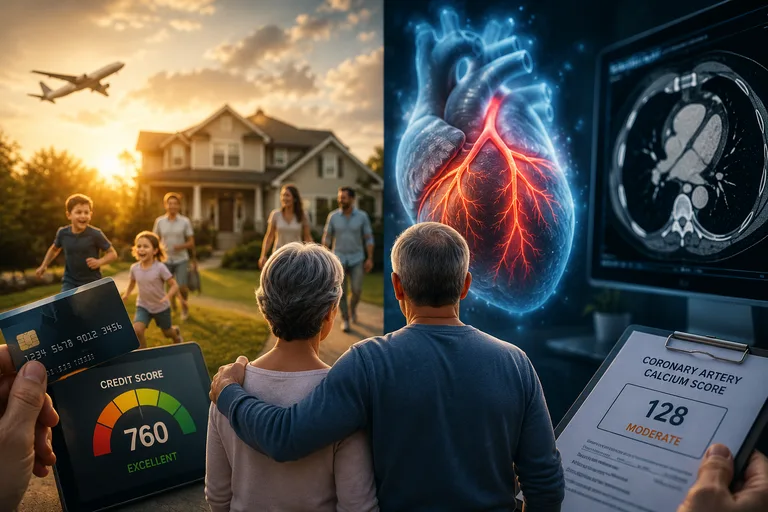
Most Americans know—or can quickly find—their credit score.
We monitor it because it affects whether we can buy a house, finance a car, obtain a business loan or qualify for a credit card. Financial companies constantly remind us that this three-digit number matters.
But there is another number that may be far more important.
It will not determine whether a bank lends you money. It may help determine whether you live long enough to pay the loan back.
That number is your Coronary Artery Calcium score, commonly called a CAC score.
A credit score estimates how reliably you have handled debt. A coronary calcium score measures evidence of calcified plaque that has accumulated inside the arteries supplying blood to your heart.
One number affects your financial future.
The other may reveal what is happening inside your cardiovascular system—often years before you experience a heart attack.
What Is a Coronary Artery Calcium Score?
A coronary artery calcium test is a specialized CT scan of the heart. It looks for calcium deposits in the walls of the coronary arteries—the blood vessels responsible for supplying oxygen-rich blood to the heart muscle.
The test is generally quick, painless and performed without intravenous contrast. The scan itself usually takes approximately 10 to 15 minutes and exposes the patient to a relatively low dose of radiation.
The result is usually reported as an Agatston score, named after the physician who helped develop the scoring system.
The basic principle is straightforward:
The more coronary calcium detected, the greater the burden of calcified coronary plaque.
Higher CAC scores are generally associated with a higher future risk of coronary heart disease, heart attack and other cardiovascular events.
Why Is This Different From a Cholesterol Test?
A cholesterol test measures risk factors circulating in your blood.
It can tell you your:
- LDL cholesterol
- HDL cholesterol
- Triglycerides
- Total cholesterol
Those numbers are important, but they do not directly tell you how much plaque has already accumulated in your coronary arteries.
A person can have moderately elevated cholesterol and considerable plaque. Another person can have similar cholesterol numbers but very little detectable calcium.
The coronary calcium scan adds another piece of information: it looks for physical evidence that the disease process has already affected the coronary arteries.
In other words, cholesterol testing helps estimate the conditions that can produce atherosclerosis. A CAC scan looks for evidence that calcified atherosclerotic plaque is already present.
However, the test is not perfect. It detects calcified plaque, not every form of plaque. Younger people may have noncalcified or “soft” plaque that does not appear on a calcium scan. A score of zero therefore does not mean that heart disease is impossible.
Understanding the Numbers
CAC results are commonly interpreted approximately as follows:
| CAC score | Common interpretation |
|---|---|
| 0 | No detectable calcified coronary plaque |
| 1–99 | Mild calcified plaque burden |
| 100–299 | Moderate plaque burden |
| 300–399 | High plaque burden |
| 400 or higher | Extensive calcified coronary plaque |
| 1,000 or higher | Very extensive plaque burden and markedly elevated risk |
The exact interpretation depends on more than the raw number. Physicians may also consider your age, sex and the percentile into which your score falls.
For example, a score of 100 may have a different meaning in a 45-year-old than in an 80-year-old. Calcium becomes more common with age, so a younger person with measurable coronary calcium may rank unusually high compared with others of the same age.
That is why a complete CAC report often contains both:
- Your total Agatston score.
- Your percentile compared with people of a similar age and sex.
What Does a Score of Zero Mean?
A score of zero is generally reassuring.
It means that the scan did not detect calcified plaque in the coronary arteries. In many asymptomatic adults, that finding is associated with relatively low near-term cardiovascular risk.
In the Multi-Ethnic Study of Atherosclerosis, commonly known as MESA, 10-year cardiovascular event rates among people with a CAC score of zero ranged from approximately 1.3% to 5.6% across different demographic groups. By comparison, people with CAC scores above 300 had 10-year event rates ranging from approximately 13.1% to 25.6%.
That is an enormous difference.
But zero does not mean immortal, bulletproof or permanently protected.
A zero score does not exclude:
- Noncalcified plaque
- Future plaque development
- High blood pressure
- Diabetes
- Smoking-related cardiovascular damage
- Genetic cholesterol disorders
- Dangerous symptoms requiring immediate evaluation
A calcium score is a snapshot taken at one point in time. It is not a lifetime guarantee.
Certain people with a score of zero may still need cholesterol-lowering treatment, particularly those with diabetes, cigarette use, very high LDL cholesterol or a strong family history of premature coronary disease.
What Does a Score Above Zero Mean?
Any score above zero means that calcified coronary plaque was detected.
That matters because coronary plaque does not belong in healthy arteries.
A score between 1 and 99 generally indicates a relatively mild plaque burden, but it still confirms that the atherosclerotic process has begun.
A score of 100 or more carries considerably greater significance. American College of Cardiology guidance has treated a CAC score of at least 100—or a score at or above the 75th percentile for age and sex—as strong evidence supporting statin treatment in appropriate patients.
The updated 2026 ACC/AHA cholesterol guidance states that the presence of any coronary calcium supports an LDL cholesterol goal below 100 mg/dL, with progressively lower LDL targets appropriate as the amount of coronary calcium increases.
A high score does not necessarily tell you that a particular artery is 70% or 90% blocked. The CAC test measures calcified plaque burden; it does not directly measure the percentage of narrowing or prove that blood flow is being obstructed.
Nevertheless, a high score is a warning that coronary atherosclerosis is extensive and should not be ignored.
Why This Number May Be More Important Than Your Credit Score
Your credit score can fall, and you can rebuild it.
You can pay down debt, correct errors, establish a longer payment history and gradually improve your financial standing.
Plaque inside your coronary arteries is different.
You may be able to stabilize it, slow its progression and substantially reduce your cardiovascular risk. But you cannot treat a condition you do not know exists.
Coronary artery disease is often silent. A person may feel healthy, work every day, exercise occasionally and have no obvious warning that plaque has been accumulating for decades.
For some people, the first unmistakable indication of coronary artery disease is a heart attack.
That is why the CAC score can be so powerful. It can transform an abstract conversation about risk into visible evidence.
Instead of hearing:
“Your cholesterol is somewhat high, and you may have an elevated risk.”
You may learn:
“There is measurable plaque in the arteries supplying your heart.”
Those are very different conversations.
One describes statistical probability.
The other provides evidence that the disease process is already present.
Who Should Discuss the Test With a Doctor?
CAC testing is primarily used in people who do not have symptoms but whose cardiovascular risk or treatment decision remains uncertain.
The 2026 ACC/AHA cholesterol guidance recommends considering selective CAC testing in men age 40 and older and women age 45 and older who have borderline or intermediate cardiovascular risk when the result would help determine whether cholesterol-lowering treatment should be started or intensified.
The test may be especially useful when someone:
- Has elevated LDL cholesterol
- Has high blood pressure
- Has a family history of premature heart disease
- Is unsure about beginning statin therapy
- Previously stopped a statin because of side effects
- Has several moderate risk factors but no known coronary disease
- Wants a clearer assessment of personal cardiovascular risk
The test is generally less useful when the answer would not change treatment.
For example, someone who has already suffered a heart attack, received a coronary stent, undergone bypass surgery or been diagnosed with coronary artery disease already has established disease. That person usually requires active risk-reduction treatment regardless of the calcium score.
The test is also not intended to evaluate active chest pain or other possible heart-attack symptoms. People experiencing chest pressure, shortness of breath, pain radiating into the arm or jaw, sweating, nausea or other concerning symptoms need prompt medical evaluation—not a routine screening scan.
What Should You Do With the Result?
The calcium score should not be treated as an isolated number.
It should be considered alongside:
- LDL and non-HDL cholesterol
- Blood pressure
- Blood sugar and diabetes status
- Smoking history
- Family history
- Age and sex
- Kidney function
- Body weight and waist circumference
- Exercise habits
- Diet
- Lipoprotein(a), when appropriate
- Apolipoprotein B, when appropriate
Depending on the complete risk profile, a clinician may recommend more aggressive attention to cholesterol, blood pressure, weight, nutrition, exercise, diabetes control or smoking cessation.
Medication decisions should be individualized. No one should begin aspirin, discontinue medication or change a statin dose solely on the basis of an online score chart. Aspirin, in particular, can cause serious bleeding and requires an assessment of both cardiovascular benefit and bleeding risk.
The Test Has Limitations
A coronary calcium scan can provide valuable information, but it is not a universal screening test for every adult.
Potential limitations include:
- Exposure to a small amount of radiation
- Incidental findings that may lead to additional testing
- Failure to detect noncalcified plaque
- Anxiety caused by an abnormal result
- Additional medical costs
- Treatment decisions that may not be appropriate without considering the complete clinical picture
The U.S. Preventive Services Task Force has concluded that evidence remains insufficient to recommend adding CAC testing routinely to traditional cardiovascular risk assessment for every asymptomatic adult. Other professional organizations support selective use when the result is likely to change a prevention decision.
That distinction is important.
The question is not simply:
“Can I get this test?”
The better question is:
“Would knowing my score change what my doctor and I decide to do?”
Know the Numbers That Can Keep You Alive
We have been trained to know our credit score.
Perhaps we should become equally familiar with:
- Our blood pressure
- Our LDL cholesterol
- Our blood sugar
- Our kidney function
- Our waist measurement
- Our family history
- And, when medically appropriate, our coronary artery calcium score
Your credit report tells a bank how you handled yesterday’s debts.
Your coronary calcium score may tell you how decades of genetics, blood pressure, cholesterol, smoking, diet, metabolism and aging have affected the arteries supplying your heart.
One number may help you obtain a mortgage.
The other may motivate you to make the changes necessary to be alive when the mortgage is finally paid.
So ask yourself:
Do you know your coronary artery calcium score?
More importantly:
Should you?
That is a conversation worth having with your physician.
This article is intended for general education and does not replace individual medical evaluation, diagnosis or treatment. Anyone experiencing chest pain, breathing difficulty or other possible symptoms of a heart attack should seek emergency medical assistance immediately.
Bioengineered food vs Eat Food Your Grandfather Would Recognize
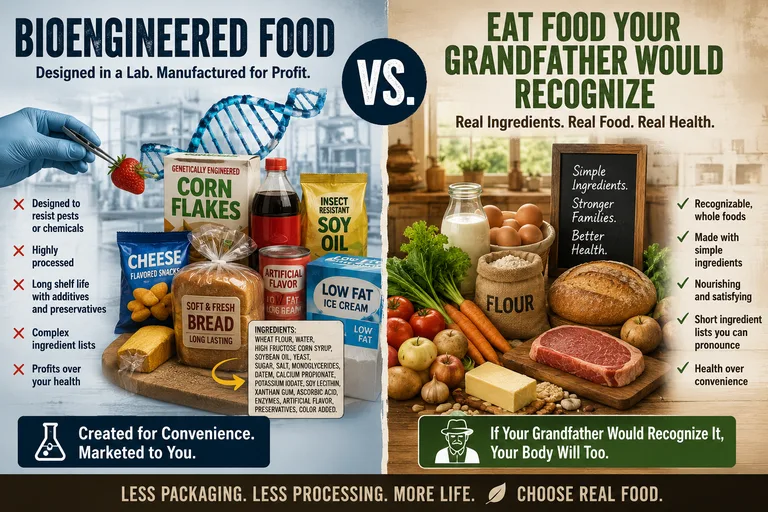
Bioengineered food is food produced from an organism whose genetic material has been deliberately changed through modern laboratory techniques to introduce, remove, or modify a particular biological trait.
I want to begin by making something clear: I am not an enthusiastic supporter of bioengineering. In fact, I am deeply skeptical of many attempts to redesign nature for profit, convenience, or industrial efficiency. I do not believe that every new technology should automatically be accepted simply because scientists have discovered how to use it.
But we also need to be honest about the history of our food.
Human beings have been altering plants and animals for thousands of years. The corn we eat today is not the same wild grass our ancestors first cultivated. Modern wheat has been selected over generations for yield, texture, disease resistance, and ease of harvesting. The chickens, cattle, pigs, and dairy cows raised today have been bred to grow faster, produce more meat, lay more eggs, or generate more milk.
The same is true of many fruits, vegetables, and even farm-raised fish. Farmers have always saved seeds from their strongest plants and bred animals that displayed the most desirable traits. Over time, those choices changed the food itself.
Traditional selective breeding is not identical to modern genetic engineering, and we should not pretend that it is. Modern bioengineering can make changes much more rapidly and sometimes in ways that conventional breeding could never accomplish. However, the broader point remains: very little of what we eat today exists exactly as nature originally produced it.
That is why I do not believe the word “bioengineered” should automatically end the conversation.
It should begin a better one.
The more useful questions are:
Where did this food come from?
How was it grown or raised?
How much was it altered after harvesting?
How heavily was it processed?
What ingredients were added?
And most importantly, should I be eating it at all?
The Real Problem May Be the Factory, Not the Farm
People often spend so much time arguing about whether a crop was genetically modified that they overlook the more immediate problem: what happened to the crop after it left the farm?
A kernel of corn is one thing. Corn syrup, corn starch, modified corn starch, corn oil, maltodextrin, dextrose, and chemically flavored corn snacks are something else entirely.
A grain of wheat is food. A heavily refined product made with bleached flour, industrial oils, artificial flavors, stabilizers, preservatives, emulsifiers, and added sugar may technically begin with wheat, but it has traveled a very long way from the field.
That is the distinction I believe matters most in everyday life.
Whole food usually comes from a plant or an animal.
Processed food often comes from a manufacturing system.
There is nothing automatically wrong with processing. Cooking is processing. Freezing vegetables is processing. Fermenting cabbage is processing. Grinding wheat into flour is processing. Pasteurizing milk is processing.
The problem is not that food has been touched.
The problem begins when food is broken apart, refined, chemically altered, reconstructed, flavored, preserved, colored, sweetened, stabilized, packaged, and marketed as something healthier than it really is.
At that point, you are no longer eating what came from the farm. You are eating what came from the laboratory, the marketing department, and the production line.
The Shelf-Life Question
Years ago, I learned a very simple lesson: pay attention to what happens when food is left alone.
Real food changes.
Fruit softens. Bread becomes stale or develops mold. Milk sours. Meat decomposes. Vegetables wilt. These changes occur because food is biological material. It contains moisture, nutrients, microorganisms, and enzymes. It is part of the natural cycle of life and decay.
When a food remains soft, brightly colored, and apparently fresh for an unusually long time, I begin asking questions.
What was added to preserve it?
How much moisture was removed?
Was it chemically treated?
Was it loaded with salt, sugar, industrial fats, or preservatives?
Was the packaging engineered to prevent oxygen, bacteria, or moisture from reaching it?
Shelf life by itself does not determine whether something is healthy. Honey, dried beans, rice, salt, vinegar, and many traditionally preserved foods can last a long time without being inherently unhealthy. Refrigeration, drying, canning, pickling, fermenting, and freezing have helped human beings preserve food safely for centuries.
So this is not a perfect scientific test.
It is a warning light.
When a product that should naturally deteriorate remains strangely unchanged for weeks or months, it is worth investigating why. Modern food manufacturers are very good at extending shelf life, preserving texture, and maintaining appearance. Those abilities reduce waste and make distribution easier, but they can also require extensive processing and a long list of additives.
The purpose of the product is no longer simply to nourish you. It must survive transportation, warehouses, delivery trucks, store shelves, fluctuating temperatures, consumer handling, and perhaps several weeks inside your kitchen.
That is a very different mission from feeding a family.
Read the Ingredients, Not the Advertising
The front of a package is designed to sell you something.
The back of the package is where the truth usually begins.
Words such as natural, wholesome, heart healthy, low fat, reduced sugar, high protein, and made with whole grains are marketing language. They may contain some truth, but they do not tell you the entire story.
The ingredient list tells you what the product is actually made from.
Suppose you are buying bread. You expect to see flour, water, yeast, and salt. Depending on the recipe, you might also see milk, butter, eggs, seeds, or a small amount of sugar.
That is recognizable food.
But many commercial breads contain a much longer list: dough conditioners, emulsifiers, sweeteners, preservatives, added oils, soy derivatives, enzymes, gums, colorings, and other ingredients that would never appear in a traditional kitchen.
Some of those ingredients may serve legitimate functions. They may improve consistency, prevent mold, soften the loaf, strengthen the dough, reduce production costs, or help the bread survive long-distance distribution.
But the consumer should still ask a basic question:
Why does my bread require all of this?
The same question applies to almost everything else.
Why does peanut butter need added sugar and hydrogenated oil?
Why does tomato sauce need so much sugar?
Why does flavored oatmeal require a paragraph of ingredients?
Why does coffee creamer contain little or no cream?
Why does a frozen breakfast sandwich need ingredients that no ordinary person keeps in the kitchen?
The longer the ingredient list becomes, the more attention you should pay.
You do not need a degree in chemistry to recognize complexity.
The Low-Fat and Low-Sugar Trap
For decades, consumers were taught to fear fat. Food companies responded by producing low-fat versions of almost everything.
But when fat is removed, something else often has to replace the flavor, texture, and satisfaction it provided.
That replacement might be sugar, starch, gums, emulsifiers, flavorings, or cheap industrial oils. The product can then be marketed as healthier because one undesirable ingredient was reduced, even though several others were added.
The same thing now happens with low-sugar products.
When sugar is removed, manufacturers still need the product to taste sweet and appealing. They may add artificial sweeteners, sugar alcohols, fibers, thickeners, or flavor-enhancing compounds. The label may look better at first glance, but the actual product may be more complicated than the original.
Consider ice cream.
Traditional ice cream is made from a relatively short list of ingredients: cream, milk, sugar, eggs, and flavoring.
It is rich. It contains fat. It contains sugar. It is not something you should necessarily eat in unlimited quantities.
But when manufacturers create low-fat, low-sugar, high-protein, shelf-stable, slow-melting ice cream, they must reproduce the texture and taste of the ingredients they removed. That usually means adding other substances to compensate.
The result may contain fewer calories or less sugar, but it is not automatically a healthier food.
Sometimes the honest choice is to eat a small amount of the real thing.
Better yet, make it yourself. Then you control the ingredients, the sweetness, the portion size, and the quality of the milk or cream.
The lesson is not that all reduced-fat or reduced-sugar products are bad. The lesson is that removing one ingredient does not automatically improve the entire product.
Always look at what replaced it.
Follow the Food Chain Backward
The farther you move away from the farm, the more complicated food tends to become.
A farmer grows a tomato.
A distributor sorts, washes, transports, and sells the tomato.
A manufacturer turns the tomato into sauce.
Another company adds sugar, oil, salt, preservatives, flavoring, and packaging.
A restaurant then combines that sauce with refined flour, processed cheese, cured meat, and additional oil.
At every stage, something may be added, removed, concentrated, refined, or altered.
This is what I mean by moving higher up the food chain.
The grocery store is not necessarily the source of the problem. Publix, Aldi, Winn-Dixie, Walmart, and other retailers are the final link in a much larger industrial system. They buy products from major manufacturers, contract with private-label producers, and sometimes operate their own processing and distribution facilities.
I have toured Publix production facilities. They are impressive. They are clean, organized, efficient, and governed by serious quality-control procedures.
But quality control and nutritional quality are not always the same thing.
A factory can produce an extremely consistent product. Every loaf can have the same weight. Every cookie can have the same diameter. Every container can be sealed correctly. Every batch can meet sanitation standards.
That does not necessarily mean the product is something you should eat every day.
Industrial food must satisfy requirements that home cooking does not. It needs to be affordable, consistent, transportable, attractive, and profitable. It may need to survive for weeks or months while still looking fresh.
There is only so much that even the best factory can do when shelf life is one of the primary design requirements.
Eat More Like Your Grandparents
The more I studied nutrition, the more complicated it initially appeared.
Every expert seemed to have a different theory.
One person said to avoid fat. Another said to avoid carbohydrates. One praised meat. Another condemned it. Some recommended frequent meals. Others recommended fasting. There were arguments about dairy, grains, eggs, salt, fruit, oils, protein, and almost everything else.
After years of reading and listening, the lesson became surprisingly simple:
Eat recognizable food.
Cook more often.
Use fewer ingredients.
Reduce the amount of food that comes ready to eat from a factory.
That is one reason I enjoy watching Amish families prepare meals. They often begin with ingredients rather than products. They use flour, eggs, butter, milk, vegetables, meat, broth, fruit, herbs, and salt. They cook meals rather than assemble packages.
Of course, no community is perfectly healthy, and no traditional diet should be romanticized. Eating from scratch does not guarantee perfect nutrition. A homemade pie is still pie. Too much sugar is still too much sugar. Large portions are still large portions.
But cooking from basic ingredients gives you something the modern food industry often takes away: control.
You decide how much sugar to add.
You choose the oil.
You control the salt.
You know whether the butter is real.
You determine the size of the serving.
You can recognize everything that went into the meal because you put it there yourself.
Your grandparents did not need a laboratory to produce dinner. They needed a kitchen.
My Wake-Up Call
I am not a physician, a dietitian, or a nutritional scientist. I do not pretend to know everything about human health.
My interest in nutrition came from necessity.
After I almost died, health stopped being an abstract subject. It became personal. For the last ten to fifteen years, I have studied nutrition, listened to doctors and researchers, examined different dietary philosophies, experimented with my own habits, and tried to understand why so many people in a wealthy country are chronically unhealthy.
I discovered that the more elaborate the advice became, the harder it was to follow.
But the fundamental principles kept returning:
Eat mostly real food.
Limit refined sugar.
Do not make ultra-processed products the foundation of your diet.
Learn to cook.
Pay attention to how food makes you feel.
Do not confuse clever packaging with good nutrition.
And do not assume that a product is healthy simply because the manufacturer found a legally acceptable way to place the word healthy on the package.
My own health crisis forced me to pay attention. I would prefer that other people begin paying attention before they experience their own crisis.
Use Common Sense at the Grocery Store
Healthy eating does not require perfection.
You do not need to grow every vegetable, raise your own chickens, bake every loaf of bread, or abandon grocery stores. Most people do not have the land, time, money, or physical ability to produce all their own food.
The goal is not purity. The goal is awareness.
When you shop, compare ingredient lists.
Choose the product with fewer unnecessary additives.
Buy plain oatmeal instead of flavored packets.
Buy whole fruit instead of fruit-flavored snacks.
Choose plain yogurt and add your own fruit.
Buy meat that still looks like meat.
Buy vegetables that still look like vegetables.
Choose real cheese over products designed to imitate cheese.
Buy nuts without layers of sugar, flavor powder, and industrial oil.
When possible, prepare sauces, soups, dressings, desserts, and breads yourself. You do not have to make everything from scratch every day. Even replacing a few heavily processed products can improve the overall quality of your diet.
The point is to shorten the distance between the original food and your plate.
A Question Worth Asking
The food industry is not necessarily trying to poison you. It is trying to sell you food at a profit while satisfying your demand for convenience, low prices, long shelf life, intense flavor, and immediate availability.
In many ways, it is giving consumers exactly what they have requested.
That means we also have responsibility.
We reward companies every time we buy a product.
We tell them what to manufacture through our purchasing decisions.
When we demand cheaper, sweeter, softer, faster, and more convenient food, companies will find ways to provide it. When we begin choosing simple ingredients and minimally processed foods, the market eventually responds to that demand as well.
So stand in the grocery aisle and ask questions.
Would my grandfather recognize this as food?
Could my grandmother have made something similar in her kitchen?
Do I understand what the ingredients are?
Does this product contain five ingredients or fifty?
Was it created primarily to nourish me, or was it engineered primarily to make me consume more of it?
Those questions will not produce a perfect diet, but they will lead you in a better direction.
The Organic Health Secret
The secret is not hidden in an exotic supplement, a miracle powder, or an expensive subscription plan.
It is not printed on the front of a brightly colored package.
It is not found in a product carrying the latest health slogan.
The secret is often much simpler:
Buy food your grandfather would recognize.
Cook with ingredients your grandmother would understand.
Keep the ingredient list short.
Treat desserts like desserts instead of pretending they are health foods.
Be suspicious when removing one natural ingredient requires adding six artificial replacements.
And when a loaf of bread remains soft and apparently fresh long after homemade bread would have changed, ask what made that possible.
You do not need to become afraid of food.
You need to become curious about it.
Read the label. Follow the food backward. Learn where it came from and what happened to it before it reached you.
The closer your food remains to its original form, the easier it usually is to understand what you are putting into your body.
That may not solve every health problem, but it is one of the best places to begin.
A bioengineered food is food produced from a plant, animal, or microorganism whose DNA has been deliberately altered using modern genetic-engineering technology to create a desired trait—such as resistance to insects, tolerance to herbicides, slower spoilage, or faster growth.
Under the USDA’s specific legal definition, a bioengineered food contains detectable genetic material modified through laboratory-based recombinant DNA techniques, and the modification could not otherwise be achieved through conventional breeding or occur naturally. (AMS)
This distinction matters:
- Selective breeding: Farmers breed plants or animals with desirable natural traits over multiple generations.
- Hybridization: Two compatible varieties are crossed.
- Bioengineering/genetic engineering: DNA is directly altered using laboratory technology.
- Genome editing: Tools such as CRISPR make targeted changes at specific locations in DNA.
Therefore, most modern foods have been selectively bred or otherwise modified through agriculture, but it would not be technically accurate to say that almost all modern foods are bioengineered. The FDA notes that “genetically modified” can sometimes be used broadly, while “bioengineered” and “genetically engineered” generally refer to modern DNA-altering techniques. (U.S. Food and Drug Administration)
The Raw Truth about Raw Vegetable - Cyclospora Outbreak
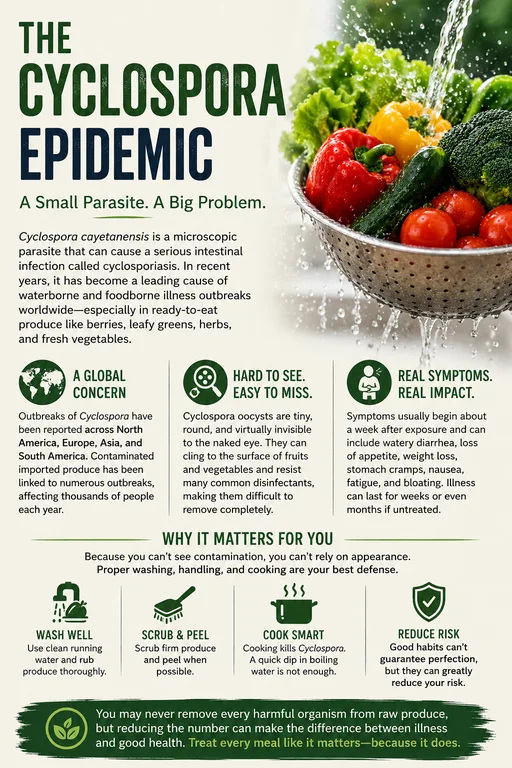
THE CYCLOSPORA OUTBREAK: SOMETHING IS SPREADING THROUGH AMERICA’S FOOD SUPPLY
A microscopic intestinal parasite is spreading across the United States—and health officials still have not identified one confirmed food, farm or supplier responsible.
As of July 13, 2026, the CDC had recorded 1,645 laboratory-confirmed domestically acquired cases across 34 states, with thousands of additional illnesses reportedly under investigation. Michigan has been hit especially hard, while significant numbers of cases have also been reported in states including Ohio, West Virginia, Kentucky, New York, Illinois, New Jersey, North Carolina and Texas.
The illness is called cyclosporiasis, and it is caused by the microscopic parasite Cyclospora cayetanensis. People become infected after consuming food or water contaminated with human fecal matter—most commonly through fresh produce that is eaten raw. Previous American outbreaks have been connected to lettuce and salad mixtures, cilantro, basil, raspberries, snow peas and green onions.
Investigators are currently examining fresh produce supply chains, with lettuce and other leafy greens among the suspected possibilities. However, the FDA and CDC have not confirmed one common product or supplier, and the FDA has opened a traceback investigation involving an unidentified product.
That uncertainty is what makes this outbreak particularly concerning.
This is not a disease that normally spreads quickly from one infected customer to another. Cyclospora must spend time outside the human body before it becomes infectious. A large number of cases appearing across different locations therefore points toward contaminated food or water moving through the supply system—not simply one sick restaurant employee passing an illness around.
The outbreak is also difficult to trace because symptoms may not begin until about a week after the contaminated food was eaten. By the time someone becomes sick, the salad, berries, herbs or vegetables they consumed may be gone, the packaging discarded and the same shipment distributed across numerous restaurants and stores.
What begins as one contaminated crop, water source, packing facility or food ingredient can therefore reach thousands of dinner plates before anyone realizes there is a problem.
Cyclospora is invisible. Contaminated produce may look fresh, smell normal and taste perfectly fine. There may be no visible dirt, decay or warning that anything is wrong.
And right now, while investigators search for the source, the number of reported illnesses continues to rise.
This is why the current Cyclospora outbreak should not be dismissed as another isolated case of food poisoning. It is a warning about the vulnerability of the fresh-produce supply chain—and about how little consumers may know about the raw food placed in front of them.
You cannot see Cyclospora—and right now, health officials cannot tell you exactly where it is coming from.You may never remove every harmful organism from raw produce, but reducing the number can make the difference between getting sick and staying healthy. Because contamination cannot be seen with the naked eye, treat every fruit and vegetable as if it needs a thorough washing. --YNOT!
Your salad is not sterile—and vinegar is not magic.
Let’s clear up some confusion.
No, washing fruits and vegetables with vinegar does not reliably kill Cyclospora. It does not “sanitize” your produce, and it does not guarantee that contaminated food is safe.
But that does not mean washing is useless.
Washing, rubbing, scrubbing, peeling and cooking can all reduce your risk.
Cyclospora is an intestinal parasite transmitted through contaminated food or water. It reaches people in a resistant form called an oocyst, which can survive many routine chemical disinfectants. It may cling to produce, settle into folds and crevices, and resist ordinary rinses.
IT IS NOT JUST A “RESTAURANT PROBLEM”
Restaurants can certainly be part of the problem—especially when raw lettuce, herbs, fruit, garnishes and vegetables are not handled properly.
But contamination can occur long before the food reaches the restaurant.
It can happen through contaminated irrigation water, farm workers, harvesting equipment, packing facilities, transportation, food-preparation surfaces or improper handling. Washing at a restaurant or at home may reduce contamination, but it cannot always undo contamination that occurred earlier in the supply chain.
That is precisely why raw restaurant salads, garnishes and fresh herbs deserve extra consideration: you do not know how—or whether—they were washed.
WHAT YOU CAN DO
1. Wash produce under running water
Do not merely drop it into a bowl and let it sit.
Hold it under clean running water while rubbing the surface with your hands. Running water helps carry loosened dirt and organisms away rather than leaving the produce soaking in the same contaminated water.
The CDC recommends washing fruits and vegetables thoroughly under running water before eating, cutting or cooking them.
2. Mechanically scrub firm produce
Use a clean produce brush on firm vegetables and fruits such as:
• Cucumbers
• Melons
• Potatoes
• Squash
• Apples
• Peppers
Mechanical action matters. FDA guidance notes that vigorous washing and brush washing can improve the removal of surface contamination from produce that will not be damaged by scrubbing.
Wash produce even when you plan to remove the peel. Otherwise, your knife can carry contamination from the outside through the flesh as you cut it.
3. Remove damaged areas and outer leaves
Discard bruised, damaged or rotting sections.
Remove the outer leaves of lettuce, cabbage and similar vegetables. Separate the remaining leaves and rinse them individually rather than washing the entire head as one solid object.
4. Peel produce when practical
Peeling can remove part of the contaminated exterior, but it is not a guarantee.
Always wash the produce before peeling it so that your hands, knife or peeler do not transfer contamination from the skin to the inside.
Personally, I am cautious about eating raw fruits or vegetables when the peel cannot be removed—especially when I do not know where the produce came from or how it was handled.
That is a personal risk-management decision, not a claim that everyone must stop eating raw produce.
5. Cook produce when you want greater protection
Heat generally offers more protection than washing alone—but a quick dip in boiling water should not be treated as a guaranteed Cyclospora-killing procedure.
A brief blanch may reduce some surface organisms, but time, temperature, food thickness and heat penetration all matter. Research indicates that sustained heating is considerably more dependable than a momentary dip.
If you are seriously concerned about contamination, thoroughly cooking the vegetable is safer than briefly dipping it into boiling water and then eating it raw.
I cook many vegetables—including tomatoes that I would otherwise eat with the skin—for this and other reasons.
6. Vinegar is optional—not a disinfectant
Some people wash produce in a mixture of approximately three parts water and one part vinegar.
Limited laboratory research suggests that vinegar washing combined with vigorous swishing may sometimes remove more Cyclospora from certain delicate fruits than a simple rinse. However, researchers could not establish whether the vinegar itself or the additional mechanical agitation produced the improvement.
Therefore:
Vinegar may help loosen or remove some contamination, but it does not reliably kill Cyclospora and is not an official substitute for washing under running water.
Government food-safety guidance does not recommend vinegar as a proven produce disinfectant.
7. Dry the produce
Dry washed produce with a clean paper towel or clean cloth.
Drying adds another form of mechanical removal. For leafy vegetables, a clean salad spinner can help remove water and material loosened during washing—but spinning does not sterilize the food.
NEVER PUT THESE ON YOUR FOOD
Do not wash produce with:
❌ Bleach
❌ Dish soap
❌ Laundry detergent
❌ Alcohol
❌ Household disinfectant
❌ Surface sanitizer
These substances can leave unsafe residues and are not intended to be consumed. Federal food-safety guidance recommends clean running water—not household cleaning chemicals.
THE BOTTOM LINE
There is no home method that guarantees raw produce is completely free of Cyclospora, bacteria, viruses or other parasites.
But that does not justify doing nothing.
Wash it.
Rub it.
Scrub it when possible.
Remove damaged areas.
Peel it when practical.
Dry it properly.
And when you want the greatest practical reduction in risk, cook it thoroughly rather than eating it raw.
These precautions will not stop every foodborne illness.
But they can reduce unnecessary exposure—and they are habits we should practice every day, not only after another outbreak appears in the news.
Organic Health Secrets
Your health is too important to leave entirely in someone else’s kitchen.
ALVA - AI Health Guide
Ask ALVA
My Personal Health Profile
Optional. Save details that can help ALVA personalize future answers. Your profile is stored only in this WordPress database and linked to this specific browser by a random private key—not by your IP address. It will not automatically appear in another browser, another device, private/incognito mode, or after browser storage is cleared. Do not enter names, exact dates of birth, addresses, insurance numbers, or medical-record numbers.
No document attached
The Fruit Bowl May Be More Powerful Than Medicine

Food isn't just fuel. Every meal is a vote for the body you'll have tomorrow. — YNOT
Most people know potassium is “good for you,” but few understand why.
Potassium helps your body get rid of excess sodium through the kidneys. Less sodium means less fluid retention, less pressure on your blood vessels, and often lower blood pressure. It’s one of the reasons doctors frequently recommend the DASH diet for people with hypertension. (www.heart.org)
Here are five fruits that stand out:
🍌 Bananas – The classic potassium powerhouse, with about 420–450 mg per medium banana.
🥝 Kiwis – Surprisingly rich in potassium, vitamin C, and antioxidants. Studies suggest eating two per day may help support healthy blood pressure.
❤️ Pomegranates – Loaded with antioxidants and polyphenols that support healthy blood vessels.
🥑 Avocados – Technically a fruit. They provide potassium, healthy fats, magnesium, and fiber—an excellent combination for heart health.
🍊 Oranges – Potassium plus hesperidin, a plant compound that helps blood vessels function more efficiently. (Verywell Health)
The lesson isn’t that one banana will magically fix high blood pressure. It’s that your body responds to what you consistently feed it. Small choices, repeated every day, often outperform dramatic changes that last only a week.
One important note: if you have kidney disease or take medications that affect potassium levels, talk with your healthcare provider before intentionally increasing potassium intake. Too much potassium can be dangerous in those situations. (www.heart.org)
The Cheapest Superpower You'll Ever Buy - Reading

Books are gyms for the mind. Every page you read is another rep that makes your thinking stronger. -- YNOT!
There is an old saying that if you want to hide something from people, put it in a book. That saying may have been a joke once, but in the age of endless scrolling, it is starting to sound like a scientific observation.
Scientists are now telling us something that many of us suspected all along: reading doesn’t merely fill your head with information. It literally changes your brain.
Think about that for a moment.
You can buy supplements that promise better memory. You can spend thousands on courses that promise to make you smarter. You can buy every productivity gadget known to man.
Or…
You can sit down with a book.
According to modern neuroscience, reading strengthens memory, attention, language processing, reasoning skills, and even helps build what researchers call cognitive reserve—a kind of mental savings account that may help protect the brain from decline as we age.
In simple terms, every chapter you read is like making another deposit into your brain’s retirement fund.
Reading Is Weightlifting for the Mind
If your body grows stronger by lifting weights, your mind grows stronger by lifting ideas.
Reading forces your brain to do several difficult things at once:
- Hold information in memory.
- Connect new ideas to old ones.
- Imagine people and places.
- Predict outcomes.
- Understand motivations.
- Follow complicated chains of reasoning.
That is an incredible mental workout.
Compare that to much of modern media.
A short video demands almost nothing from you. The images are supplied. The sounds are supplied. The emotions are supplied. You simply consume.
A book is different. A book hands you symbols on a page and says:
“Build the world yourself.” Your brain has to become the movie studio.
Why Great Readers Often Become Great Thinkers
One reason successful people often read constantly is because reading allows you to borrow other people’s lives.
A person may live eighty years. But through books, you can experience hundreds of lifetimes.
You can learn from the triumphs of entrepreneurs who died centuries ago. You can study the mistakes of generals, the wisdom of philosophers, and the discoveries of scientists.
You can make mistakes in your imagination instead of making them in real life.
That is an extraordinary bargain.
A $20 book can save you a $20,000 mistake.
Sometimes it can save you twenty years.
Reading Builds Strategic Advantage
Sun Tzu taught that victory belongs to the person who understands the terrain.
Books expand your terrain. Every book gives you another map.
Another perspective. Another way of seeing the world.
The person who reads about economics sees opportunities others miss.
The person who reads history recognizes patterns before everyone else.
The person who reads psychology understands why people behave the way they do.
The person who reads widely is not necessarily smarter.
But they are often operating with a much larger mental toolbox.
The Great Trade-Off of Our Time
The modern world is fighting for your attention.
Every notification. Every short video. Every social media feed.
Every endless stream of content.
All of it is competing with the quiet act of sitting down and reading.
The danger is not that technology makes us stupid.
The danger is that technology can train us to become impatient with deep thinking.
Reading teaches patience. Reading teaches concentration.
Reading teaches us to follow an idea all the way to its conclusion.
Those are becoming rare skills. And rare skills are valuable.
The Ultimate Cognitive Enhancer
People are always searching for the next brain hack.
The next supplement. The next productivity system. The next miracle technology.
Meanwhile, one of the most powerful cognitive enhancers ever discovered has been sitting on bookshelves for hundreds of years.
It’s called reading. It costs almost nothing. It requires no subscription.
And the side effects are remarkable:
You become a better thinker. A better communicator. A better learner.
And perhaps, over time, a wiser human being.
A man who does not read has voluntarily agreed to live only one life when he could have lived a thousand.
Open a book. Your brain has been waiting for its workout.
Audio version not available yet.
Your Stomach Isn't a Blender—It's More Like a Farm
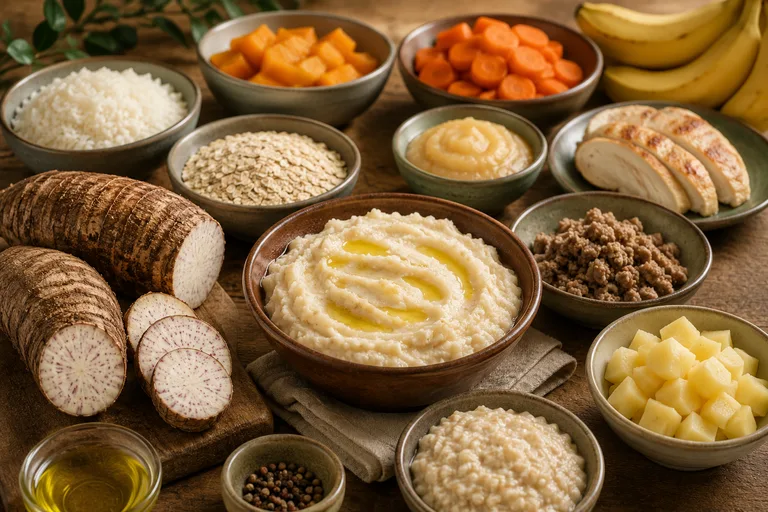
Your stomach isn't a machine to be fueled—it's a living garden to be cultivated. -- YNOT!
People have been taught to think the stomach is some kind of industrial garbage disposal. Throw in a steak, pour on some acid, stir a little, and out comes nutrition.
That story is convenient. It just isn’t the whole story.
Your digestive system is less like a blender and more like a living ecosystem. Trillions of tiny organisms are down there working the night shift, breaking down food, producing nutrients, and keeping the whole operation running. If you’ve ever looked inside a healthy compost pile or a well-maintained septic system, you understand the principle. Life breaks down life.
The trouble starts when you wipe out the workers.
Sometimes it’s antibiotics. Sometimes it’s years of too much alcohol. In my case, many years ago, it was an astonishing amount of Coca-Cola. Whatever the cause, when the microbiome gets knocked out of balance, your digestive system may remind you that it had more employees than you realized.
People often assume acid reflux means there’s too much acid. That wasn’t my experience. Under a doctor’s supervision, I learned that recovery wasn’t about finding a stronger antacid. It was about giving my digestive system time to recover.
And that takes patience—a virtue modern society treats like an outdated software version.
For nearly a week I lived on little more than malanga and water. Then came a little olive oil. Later, a small amount of ground beef. Only after that did other foods make their gradual return.
You don’t rebuild a forest by dropping in a full-grown oak tree.
You plant seeds.
The same goes for your gut. If the digestive system has been through a major disruption, demanding that it handle a steak dinner on day one is like asking a construction crew to finish a skyscraper before the concrete has cured.
Slowly.
Patiently.
One meal at a time.
Modern life teaches us that every problem has a pill and every inconvenience deserves an instant solution. Biology has never agreed with that arrangement. The body operates on its own schedule, and it has no interest in ours.
Sometimes the smartest thing you can do is stop trying to force healing and instead create the conditions where healing can happen.
The older I get, the more I suspect that nature is a better engineer than we are. She usually knows what she’s doing.
Our biggest mistake is assuming we can rush her.
Why Malanga?
One of the quiet heroes of my recovery was malanga. It isn’t glamorous, it isn’t trendy, and you won’t usually find influencers making videos about it. But sometimes the foods that have stood the test of generations are the ones worth paying attention to.
Malanga is a root vegetable that’s rich in complex carbohydrates, potassium, magnesium, and fiber. When cooked thoroughly, it becomes soft, mild, and easy on the digestive system. Many people find it gentler than potatoes because it tends to be less irritating to sensitive stomachs. It provides energy without overwhelming a digestive system that’s trying to get back on its feet.
How to Prepare It
Preparation couldn’t be simpler. Peel the malanga, cut it into chunks, and boil it in water until it’s very tender—usually 30 to 45 minutes depending on the size. Drain the water and mash it with a little of the cooking liquid until smooth. During the earliest stages of recovery, many people leave out butter, cream, and heavy seasonings, letting the digestive system adjust first. As recovery progresses, a small amount of extra virgin olive oil can be added for healthy fats and flavor.
The goal isn’t to create a gourmet meal. The goal is to give your digestive system nourishment that requires as little work as possible.
Other Gentle Foods
Malanga isn’t the only food that can serve this purpose. Depending on your individual tolerance and any medical advice you’ve received, other gentle foods include:
- Well-cooked sweet potatoes
- Mashed white potatoes
- White rice
- Oatmeal
- Plain cream of rice cereal
- Cooked carrots
- Cooked squash or pumpkin
- Bananas
- Applesauce
- Plain toast or sourdough bread
As protein is reintroduced, many people start with foods that are relatively easy to digest, such as lean ground beef, baked chicken, turkey, fish, or eggs. The important part isn’t choosing the “perfect” food—it’s adding one new food at a time so your digestive system has a chance to adapt.
Feeding the Garden
Think of your digestive system as a garden rather than a machine. A neglected garden isn’t restored by dumping truckloads of fertilizer on it overnight. First you repair the soil. Then you water it. Then you give healthy plants time to grow.
Your microbiome works much the same way. Once the environment becomes healthier, the beneficial microorganisms begin to recover, helping your digestive system do what it was designed to do. Healing isn’t usually dramatic. It’s gradual. You wake up one morning and realize you feel just a little better than you did yesterday. Then a little better the next day. Before long, you’re eating foods you couldn’t tolerate just a few weeks earlier.
Nature rarely hurries, but she has an excellent track record.
Your GUT and the Connection to Sleep Disorders
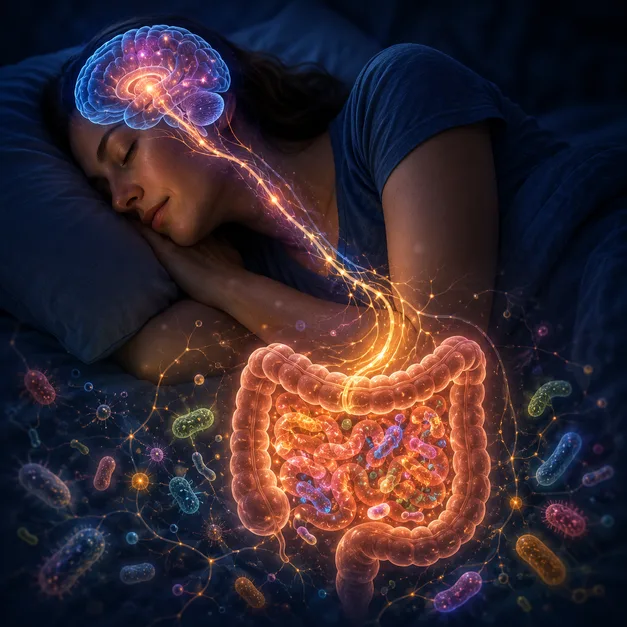
A healthy gut doesn't just digest your food—it helps digest your day, calm your mind, and prepare your body for a good night's sleep. --YNOT!
For years, we’ve been told that sleep problems are all in our heads.
Stress.
Anxiety.
Too much caffeine.
Too much screen time.
While those certainly matter, researchers are increasingly looking somewhere else for answers—not in the brain, but in the gut.
What if one of the biggest reasons you’re lying awake at 3 a.m. isn’t in your mind at all?
What if it’s living inside your intestines?
Your Second Brain
Scientists often call the digestive system the “second brain.”
Your gut contains trillions of bacteria, fungi, and other microorganisms collectively known as the gut microbiome. These tiny organisms don’t just help digest food—they manufacture vitamins, produce neurotransmitters, communicate with your immune system, and send signals directly to your brain through the vagus nerve.
In many ways, your gut and your brain are having a conversation every minute of every day.
If that conversation breaks down, your sleep may be one of the first things to suffer.
The Gut Makes More Than Digestion
Many people assume food is digested by stomach acid.
It isn’t that simple.
Much of the work is actually performed by the bacteria living in your intestines. They break down food, manufacture nutrients, and produce compounds your body cannot make efficiently on its own.
Researchers have found that gut bacteria influence the production of:
- B vitamins
- Serotonin
- GABA
- Short-chain fatty acids
- Immune signaling molecules
Many of these chemicals are directly involved in regulating sleep, mood, and recovery.
When the Microbiome Gets Damaged
Modern life isn’t especially friendly to our gut bacteria.
Repeated antibiotics, excessive alcohol, highly processed foods, chronic stress, poor diets, and a lack of dietary fiber can dramatically change the balance of microorganisms living in the intestines.
When that ecosystem becomes unhealthy, digestion isn’t the only thing affected.
People often begin experiencing:
- Poor sleep
- Brain fog
- Fatigue
- Digestive problems
- Increased inflammation
- Mood changes
Scientists still debate exactly how much of this is cause versus effect, but the relationship has become difficult to ignore.
The Vitamin D Connection
Neurologist Dr. Stasha Gominak proposes an interesting theory.
She believes vitamin D does much more than strengthen bones.
According to her hypothesis, healthy vitamin D levels help create an intestinal environment where beneficial bacteria thrive. Those bacteria then manufacture many of the B vitamins our nervous system depends upon.
In her model, vitamin D deficiency can indirectly reduce the microbiome’s ability to support normal sleep chemistry.
This remains a scientific hypothesis rather than settled medical fact, but it has generated considerable discussion because it attempts to connect several seemingly unrelated conditions through one biological pathway.
Why Sleep Disorders Are So Complex
No serious sleep physician would claim every sleep disorder comes from the gut.
Sleep apnea, insomnia, restless leg syndrome, narcolepsy, circadian rhythm disorders, chronic pain, medications, hormones, mental health, and dozens of neurological conditions all play important roles.
However, growing research suggests the microbiome may influence many of these disorders by affecting inflammation, neurotransmitters, metabolism, immune function, and communication between the gut and the brain.
Rather than asking whether the microbiome causes sleep disorders, a better question may be:
How much does it contribute?
Can You Rebuild Your Gut?
The encouraging news is that the microbiome is remarkably adaptable.
Many physicians recommend supporting gut health through:
- Eating a wide variety of whole foods
- Increasing dietary fiber
- Including fermented foods when appropriate
- Spending time outdoors
- Getting regular exercise
- Sleeping consistently
- Using antibiotics only when medically necessary
- Correcting nutritional deficiencies under medical supervision
The goal isn’t simply better digestion.
It’s rebuilding an ecosystem that supports the entire body.
Final Thoughts
Medicine has long separated the brain, the intestines, and the immune system into different specialties.
Nature doesn’t.
Your gut talks to your brain.
Your brain talks to your immune system.
Your immune system talks to your sleep.
As research continues, one lesson is becoming increasingly clear:
Sometimes the first step toward sleeping better isn’t finding a stronger sleeping pill.
It may be taking better care of the tiny organisms that have been taking care of you your entire life.

An Apple a Day Keeps Your Kidneys Working Well

An apple a day won't make you immortal—but it just might help the organs that keep you alive do their job a little longer. — YNOT
We’ve all heard the old saying:
“An apple a day keeps the doctor away.”
As it turns out, there may be more truth to that than our grandparents realized.
Your kidneys are among the hardest-working organs in your body. Every single day they filter roughly 50 gallons of blood, removing waste, balancing minerals, regulating blood pressure, and helping keep every cell in your body functioning properly. Unlike your liver, they have very little ability to recover once significant damage occurs. That’s why protecting them before problems develop is so important.
One of the simplest ways to support kidney health doesn’t come from a prescription bottle or an expensive supplement.
It comes from your fruit bowl.
An apple is naturally rich in fiber, antioxidants, and anti-inflammatory compounds. Fiber helps keep blood sugar levels more stable, reducing one of the biggest long-term threats to kidney health: diabetes. Apples are also naturally low in sodium, making them an excellent choice for people trying to control blood pressure—the second leading cause of kidney disease.
Pair that apple with a small handful of unsalted almonds, and you’ve created one of nature’s nearly perfect snacks.
The healthy fats and protein from the almonds slow digestion, helping prevent sharp spikes in blood sugar while keeping you full longer. Together, the apple and almonds provide a combination of fiber, vitamins, minerals, and healthy fats that support not only your kidneys but your heart as well.
And that’s important because your heart and kidneys work as a team. When one struggles, the other usually isn’t far behind.
Unfortunately, many of us reach for snacks that do exactly the opposite.
Potato chips, cookies, candy bars, and processed snack foods are often loaded with sodium, added sugars, unhealthy fats, and preservatives. They may satisfy you for a few minutes, but over years they quietly increase the risk of obesity, high blood pressure, diabetes, and ultimately kidney disease.
The good news?
You don’t have to change everything overnight.
Sometimes one small habit repeated every day creates the biggest long-term results.
Swap one processed snack for an apple and a handful of unsalted almonds.
Your kidneys may never send you a thank-you note—but they’ll quietly return the favor every day for the rest of your life.
The best health investments rarely come in expensive bottles. They come from simple habits practiced consistently. Every healthy choice you make today is one less burden your kidneys have to carry tomorrow.
Eat Like Your Life Depends on It—Because It Does

“Most folks know what they eat, but not many know what their food does to them.” And if there’s one mineral quietly pulling the strings behind the scenes, it’s Potassium K. It doesn’t have the star power of protein, the villainous reputation of sugar, or the controversy of fat—but it’s just as crucial.
“The secret of getting ahead is getting started.” The same applies to eating well. You don’t need to overhaul your entire diet overnight, but swapping a bag of chips for a handful of dried apricots or trading a soda for coconut water could be the start of something big—like better heart health and more energy.
Nature’s already stocked the pantry with everything you need to thrive—baked potatoes, avocados, beans, and even bananas (which, contrary to popular belief, aren’t the king of potassium, just the best-marketed). So, go on—eat like a person who wants to live long enough to tell tall tales of their adventures.
“The only way to keep your health is to eat what you don’t want, drink what you don’t like, and do what you’d rather not.”
But lucky for you, potassium-rich foods are both delicious and good for you—no suffering required.
The Unsung Hero of Your Plate K
Potassium keeps your heart steady, your muscles from seizing up like a rusty gate, and your blood pressure from shooting up like a steamboat whistle. And yet, most of us don’t get enough of it. Why? Because we eat too many processed foods and not enough of what our great-grandparents grew in their gardens. But fear not—there’s still hope for your health (and your taste buds) if you know where to look.
The Importance of Potassium: Why You Need It and Where to Get It
Potassium is an essential mineral and an electrolyte that plays a vital role in maintaining muscle function, nerve signaling, hydration, and heart health. It helps regulate blood pressure, supports bone health, and works alongside sodium to maintain fluid balance inside and outside your cells.
Why Is Potassium Important?
According to registered dietitian Grace Derocha, potassium is crucial for:
- Blood pressure regulation (by counteracting sodium’s effects).
- Muscle and nerve function (important for athletes and preventing cramps).
- Electrolyte balance (key for hydration).
- Bone health (reducing calcium loss and lowering osteoporosis risk).
- Heart health (promoting vasodilation to lower blood pressure).
However, many Americans fall short of the daily recommended intake due to low fruit and vegetable consumption, leading to an imbalance with sodium, which is linked to increased heart attack risks.
How Much Potassium Do You Need?
- Adult women: ~2,600 mg per day
- Adult men: ~3,400 mg per day
Top Foods High in Potassium
Potassium is easily found in unprocessed foods like vegetables, fruits, legumes, and dairy. Here are some of the best sources:
Vegetables & Greens
- Baked potato (with skin) – 925 mg per medium potato.
- Spinach (cooked) – 839 mg per cup.
- Acorn squash – 644 mg per cup.
- Sweet potato – 542 mg per medium potato.
- Carrot juice – 690 mg per cup.
Legumes & Beans
- White beans – 829 mg per cup.
- Lentils – 731 mg per cup.
- Kidney & lima beans – Also high in potassium.
Fruits
- Dried apricots – 755 mg per ½ cup.
- Avocado – 700 mg per medium avocado.
- Oranges & orange juice – 326 mg per cup (juice: 500 mg).
- Banana – 422 mg per medium banana.
- Prune juice – 707 mg per serving.
Dairy & Seafood
- Plain yogurt – 573 mg per cup.
- Salmon – 326 mg per 3-ounce serving.
- Chicken & beef – Contain potassium but in lower amounts.
Beverages
- Coconut water – 600 mg per cup.
- Prune juice – 707 mg per serving.
Can You Have Too Much Potassium?
While potassium is vital, excessive intake can be dangerous, particularly for people with kidney issues or those on NSAIDs and ACE inhibitors. If your kidneys can’t properly filter potassium, levels may become too high, which can cause serious health complications.
If you’re looking to lower sodium intake and improve heart health, increasing potassium through natural foods is a smart choice. Prioritize whole, unprocessed foods like leafy greens, beans, potatoes, and fruit to maintain proper balance.
EXTRA CREDIT
Potassium: The Essential Alkali Metal
Elemental Symbol: K
Atomic Number: 19
Atomic Mass: ~39.10 u
Group: 1 (Alkali Metals)
Period: 4
Electron Configuration: [Ar] 4s¹
Potassium is a soft, silvery-white alkali metal that is highly reactive, especially in the presence of water. It was first isolated in 1807 by Sir Humphry Davy through the electrolysis of potash (potassium hydroxide), giving the element its name. The symbol K comes from the Latin kalium, derived from Arabic al-qalyah, meaning “plant ashes,” as potassium compounds were originally obtained from wood ashes.
Physical and Chemical Properties
- Soft and lightweight: Can be easily cut with a knife.
- Low density: Lighter than water, with a density of 0.862 g/cm³.
- Highly reactive: Instantly reacts with water to form potassium hydroxide (KOH) and hydrogen gas (H₂), which ignites due to the heat of the reaction.
- Flame test: Burns with a lilac-colored flame when exposed to fire.
Reactivity and Compounds
Potassium reacts vigorously with water, oxygen, and halogens, making it dangerous to store in moist air. Some important potassium compounds include:
- Potassium chloride (KCl): Commonly used in medicine and as a salt substitute.
- Potassium hydroxide (KOH): A strong base used in soap making and alkaline batteries.
- Potassium nitrate (KNO₃): Found in fertilizers and historically used in gunpowder.
- Potassium carbonate (K₂CO₃): Used in glassmaking and as a buffering agent.
Biological Role and Uses
Potassium is essential for life, playing a crucial role in nerve transmission, muscle contraction, and maintaining fluid balance in cells. It is widely found in natural sources like bananas, potatoes, spinach, and legumes. In medicine, potassium chloride is used to treat hypokalemia (low potassium levels).
Industrial and Everyday Uses
- Fertilizers: Potassium is a key component of NPK fertilizers for plant growth.
- Electronics: Potassium compounds are used in glassmaking and batteries.
- Fireworks & Explosives: Potassium nitrate is used for oxidizing agents in fireworks.
Fun Fact:
Because of its extreme reactivity, pure potassium is never found free in nature—it is always bonded to other elements in minerals like sylvite (KCl) and carnallite (KMgCl₃·6H₂O).
Your Brain on Caffeine - it is not what you think!

They say a cup of coffee is the closest thing to magic we’ve got in this world. One sip, and suddenly you’re sharper than a whittled stick, ready to wrestle the day into submission. But what if I told you that every time you tilt that cup to your lips, your brain is rearranging itself like a stubborn old mule trying to get comfortable in a new stall? Science, in its ever-curious way, has peered into the noggin of the caffeine-dependent and found that our beloved morning brew might not just wake us up—it might be remodeling the place while it’s at it. Whether that’s a good thing or a reason to panic depends on how much faith you’ve got in your own gray matter’s home improvement skills.
Now, I don’t reckon this means you need to quit your coffee habit and take up morning meditation with a side of boiled water. The brain has a way of adjusting course even when the waters get a little choppy. Sure, caffeine might be shuffling the furniture in your head, but if it’s keeping you from nodding off in the middle of an important thought, well, maybe that’s a fair trade. The real trick—like most things in life—is knowing when to set the cup down. So drink up, think fast, and try not to worry too much about what science is whispering behind your back.
Caffeine, particularly from coffee, may alter the structure of the brain over time. Researchers have long studied caffeine’s stimulating effects on the central nervous system, primarily focusing on its impact on wakefulness, cognition, and alertness. However, new studies suggest that regular caffeine consumption might lead to structural changes in the brain, particularly in areas related to memory and behavior.
Key Points:
- Caffeine’s Immediate Effects
- Caffeine blocks adenosine receptors, reducing drowsiness and increasing alertness.
- It enhances dopamine and norepinephrine activity, improving mood and focus.
- Short-term benefits include better cognitive function and reaction time.
- Structural Changes in the Brain
- Studies using MRI scans suggest that long-term caffeine use may change the volume of gray matter in the brain.
- The hippocampus, a region associated with memory formation, appears to be affected.
- Some changes may be reversible, meaning the brain might return to its original state after a period without caffeine.
- Potential Long-Term Consequences
- Some research indicates caffeine could contribute to neuroplasticity, helping the brain adapt and stay resilient.
- There is a debate about whether these changes are beneficial or detrimental. While caffeine might enhance cognitive function, excessive consumption could also lead to dependence and withdrawal effects.
- Caffeine has been linked to a reduced risk of neurodegenerative diseases like Parkinson’s and Alzheimer’s, possibly due to its role in regulating neurotransmitters and reducing inflammation.
- Individual Differences in Caffeine Sensitivity
- Genetic factors influence how people metabolize caffeine and how their brains respond to it.
- Some individuals experience heightened anxiety or sleep disruption, while others feel more focused and energized.
- Tolerance builds over time, meaning higher doses may be needed for the same effects.
- The Role of Sleep and Brain Health
- Caffeine can interfere with sleep patterns, leading to changes in brain function over time.
- Reduced sleep quality may impact brain detoxification processes, potentially affecting long-term cognitive health.
- Strategic caffeine use—such as avoiding consumption late in the day—can help mitigate negative effects.
Expanded Insights:
Caffeine’s impact on brain structure raises fascinating questions about how dietary habits influence long-term neurological health. If caffeine-induced changes in gray matter volume are temporary, this suggests the brain has a remarkable ability to adapt. However, if changes persist, it could mean that chronic caffeine consumption might shape cognitive function in ways we don’t yet fully understand.
There’s also the question of dosage. Most studies focus on moderate caffeine intake (equivalent to 1–3 cups of coffee daily), but what happens with excessive consumption? Some studies hint at the potential for long-term changes in neurotransmitter regulation, which might influence mood disorders or addiction-like behaviors.
Another interesting angle is the link between caffeine and neuroprotection. The observed reduction in Alzheimer’s and Parkinson’s risk suggests caffeine may have anti-inflammatory and neuroprotective properties. This raises possibilities for future research into whether caffeine-based treatments could help delay cognitive decline in aging populations.
Overall, caffeine remains a powerful, widely consumed psychoactive substance with complex effects on the brain. While moderate consumption appears largely safe, understanding its structural impact is crucial as we assess long-term neurological health. Future research will likely focus on identifying the exact mechanisms through which caffeine alters brain matter and whether these changes have lasting consequences.
EXTRA CREDIT
The History of Caffeine: From Ancient Brew to Global Addiction
Caffeine has been fueling humanity’s wakefulness for centuries, long before modern science understood its chemical effects. From ancient tea leaves to the rise of coffee empires, the story of caffeine is one of trade, conquest, and cultural transformation.
Ancient Origins: The Discovery of Natural Stimulants
- Tea in China (2737 BCE): Legend has it that Chinese Emperor Shen Nong discovered tea when leaves from a wild tree blew into his pot of boiling water. He found the drink invigorating, and thus, tea became the first known caffeinated beverage. By the Tang Dynasty (618–907 CE), tea drinking had spread throughout China and later into Japan via Buddhist monks.
- Coffee in Ethiopia (9th Century CE): According to folklore, an Ethiopian goat herder named Kaldi noticed his goats acting unusually energetic after munching on red berries from a particular bush. Monks in the region later used these berries to brew a stimulating drink that helped them stay awake during prayers.
Caffeine Spreads: The Coffee Revolution
- Arabian Domination (15th–16th Century): By the 1400s, coffee had reached the Sufi monasteries of Yemen, where it was brewed into a dark, bitter drink that enhanced religious devotion. The drink became popular in the Islamic world, and by the 1500s, coffeehouses—called qahveh khaneh—began appearing in cities like Mecca, Cairo, and Istanbul. These became centers of intellectual discussion, earning them the nickname “Schools of the Wise.”
- Europe’s First Caffeine Rush (17th Century): Venetian traders introduced coffee to Europe in the early 1600s. At first, it was met with suspicion (some even called it the “Devil’s drink”), but after Pope Clement VIII gave it his blessing, coffeehouses spread like wildfire across the continent. In England, coffeehouses were known as “penny universities” because for the price of a cup, one could engage in lively discussions on politics, science, and philosophy.
Caffeine Becomes a Global Commodity
- Colonialism and Coffee Plantations (18th–19th Century): European powers saw the economic potential of coffee and tea and began establishing plantations in their colonies. The Dutch grew coffee in Java (Indonesia), the French in the Caribbean, and the Portuguese in Brazil, which would later become the world’s largest coffee producer.
- The Rise of the Coffeehouse Culture: In the 18th and 19th centuries, coffeehouses became central to intellectual and business life. The stock exchange in London and the New York Stock Exchange both have roots in coffeehouses where traders gathered. The American Revolution even has ties to caffeine—colonists, angered by British tea taxes, famously dumped tea into Boston Harbor and switched to coffee.
Modern Caffeine Consumption: From Espresso to Energy Drinks
- Industrial Revolution (19th Century): As factory work replaced agrarian life, caffeine became essential for workers facing long hours. Coffee consumption soared, and companies like Folgers and Maxwell House made it widely accessible.
- Instant Coffee and Soda (20th Century): During World War II, instant coffee became a battlefield staple for soldiers. Meanwhile, soft drinks like Coca-Cola (created in 1886) and Pepsi (1893) introduced caffeine to the masses in sweet, carbonated form.
- The Espresso Boom & Starbucks Era (Late 20th Century): Italy’s espresso culture spread globally, and chains like Starbucks turned coffee into a lifestyle product. By the late 1900s, coffee culture had become commercialized, with specialty drinks, flavored lattes, and drive-thru cafés.
- Energy Drinks & Caffeine in Everything (21st Century): The 2000s saw a rise in high-caffeine energy drinks like Red Bull, Monster, and 5-hour Energy. Today, caffeine is added to everything from protein bars to chewing gum, fueling an industry worth billions.
The Future of Caffeine
With more research on caffeine’s effects on the brain and body, we might see a shift in how we consume it. Scientists are exploring synthetic caffeine alternatives and controlled-release caffeine to minimize crashes. Still, given humanity’s long love affair with the stuff, it’s safe to say caffeine isn’t going anywhere.
Whether it’s in a steaming cup of coffee, a matcha latte, or a can of soda, caffeine has shaped history, fueled revolutions, and kept countless people awake through boring meetings. It’s one of the most widely used drugs on Earth—and most of us wouldn’t have it any other way.
Healthy Fats - Cashews

Let me introduce you to a little fellow called the cashew. Now, I don’t say he’s the king of nuts, but if there were a monarchy among snacks, he’d certainly be whispering in the king’s ear, waiting for his chance at the throne. Roasted to golden perfection, the cashew is that rare character in life—both a pleasure and a benefit. It satisfies your hunger, keeps your heart in fine working order, and even manages to put a smile on your face while doing it. In a world where most delicious things come with a side of regret, the humble cashew waltzes in like a well-dressed gentleman, offering nothing but good health, a satisfied stomach, and a taste so rich you’d think you were eating gold (if gold were edible and didn’t break your teeth).
Now, before you dismiss this as mere nutty enthusiasm, allow me to present the evidence—ten excellent reasons why the roasted cashew should be your evening companion, second only to a good book and a rocking chair.
Here’s a detailed breakdown of the 10 benefits of eating roasted cashews as an evening snack:
1. Rich in Healthy Fats for Heart Health
- Roasted cashews contain monounsaturated and polyunsaturated fats, which help lower bad cholesterol (LDL) and increase good cholesterol (HDL).
- They are also rich in oleic acid, which supports heart function and reduces the risk of cardiovascular diseases.
2. Good Source of Protein for Muscle Growth
- Cashews are packed with plant-based protein, making them a great option for muscle repair and growth.
- Their amino acid profile supports muscle recovery, which is essential if you work out regularly.
3. Boosts Brain Function
- Cashews are high in magnesium, copper, and antioxidants, which play a role in preventing neurodegenerative diseases like Alzheimer’s.
- The healthy fats in cashews improve cognitive function and support brain cell regeneration.
4. Aids Digestion and Gut Health
- Roasted cashews are rich in dietary fiber, which helps in smooth digestion and prevents constipation.
- The presence of healthy gut-friendly compounds supports microbiome diversity and promotes overall gut health.
5. Supports Bone Health
- Cashews are an excellent source of magnesium, calcium, phosphorus, and vitamin K, all of which are essential for maintaining strong bones.
- Regular consumption can help in preventing osteoporosis and improving bone density.
6. Regulates Blood Sugar Levels
- Cashews have a low glycemic index (GI), meaning they do not cause rapid blood sugar spikes.
- They contain fiber, protein, and healthy fats, which help slow down glucose absorption and prevent insulin resistance.
- Studies suggest that moderate cashew consumption may be beneficial for diabetics.
7. Strengthens Immunity
- The zinc and antioxidants in cashews boost immune function and help the body fight infections.
- Cashews also contain vitamin C, selenium, and other immune-boosting nutrients that support overall well-being.
8. Good for Skin and Hair
- Rich in vitamin E, copper, and antioxidants, cashews help keep skin radiant and youthful by preventing oxidative stress.
- The healthy fats in cashews promote skin hydration and elasticity.
- Copper helps in the production of melanin, which enhances natural hair color and prevents premature graying.
9. Reduces Stress and Improves Mood
- Cashews contain magnesium, tryptophan, and B vitamins, which play a role in reducing stress and improving mood.
- Magnesium helps the body relax, while tryptophan is a precursor to serotonin, the “happiness hormone” that regulates mood.
10. Aids in Weight Management
- Despite their high-calorie content, cashews can actually help with weight management due to their high protein and fiber content, which keeps you full longer and reduces cravings.
- The healthy fats in cashews boost metabolism and help in effective fat burning.
Conclusion
Eating roasted cashews as an evening snack is a healthy and nutritious choice that supports heart health, brain function, digestion, immunity, and more. Since they are calorie-dense, moderation is key—a handful (about 28 grams) per day is an ideal portion.
And there you have it, ten reasons why roasted cashews are more than just a snack—they’re a wise investment in your health, happiness, and general well-being. Some folks will tell you that good things in life always come at a cost. But cashews prove otherwise. They don’t ask for much, just a small place in your pantry and an occasional handful on your way to wisdom and well-being.
So go on, roast them, spice them, glaze them, or eat them straight out of the bag. (See Below) But whatever you do, don’t ignore them. Life is short, and any fool can see that a life with cashews is bound to be a little longer, a little tastier, and a great deal more satisfying.
————-
Here are some delicious and healthy ways to enjoy roasted cashews as an evening snack:
1. Plain Roasted Cashews
- Simply enjoy a handful of dry-roasted or lightly salted cashews.
- You can also roast them at home with a dash of olive oil or ghee for extra flavor.
2. Spiced Roasted Cashews
- Toss cashews with black pepper, turmeric, paprika, or chili powder before roasting.
- Adds a spicy kick and enhances the antioxidant content.
3. Honey or Maple Glazed Cashews
- Roast cashews with a drizzle of honey or maple syrup and a pinch of cinnamon.
- Great for those who like a sweet and crunchy snack.
4. Cashew Trail Mix
- Mix roasted cashews with almonds, walnuts, raisins, dried cranberries, and dark chocolate chips.
- Provides a balance of protein, fiber, and healthy fats.
5. Cashew Butter on Toast or Crackers
- Blend roasted cashews with a little honey and sea salt to make homemade cashew butter.
- Spread it on whole-grain toast, rice cakes, or crackers for a filling snack.
6. Cashew and Yogurt Parfait
- Add chopped roasted cashews to Greek yogurt with some fresh fruits like berries and honey.
- Boosts probiotics, protein, and healthy fats.
7. Cashew Smoothie
- Blend banana, cashew butter, dates, cinnamon, and almond milk for a creamy, protein-packed smoothie.
- A great post-workout snack.
8. Roasted Cashews with Dark Chocolate
- Melt some dark chocolate and coat roasted cashews in it.
- Let them cool for a crunchy, antioxidant-rich treat.
9. Cashew Granola Bars
- Mix oats, honey, peanut butter, and chopped roasted cashews to make homemade energy bars.
- Perfect for a grab-and-go snack.
10. Cashew-Stuffed Dates
- Stuff Medjool dates with roasted cashews for a naturally sweet and nutritious snack.
Health Concerns and Who Should Be Cautious
While roasted cashews offer many health benefits, here are some considerations:
1. If You Have Nut Allergies
- Cashews are tree nuts and can trigger severe allergic reactions in some individuals.
- If you have a known nut allergy, avoid them.
2. If You Have High Blood Pressure
- Choose unsalted or lightly salted roasted cashews to avoid excess sodium intake.
3. If You Have Kidney Issues
- Cashews contain oxalates, which in high amounts may contribute to kidney stone formation.
- Moderation is key.
4. If You Are Watching Your Weight
- Cashews are calorie-dense, so portion control (a handful per day) is important.
These Products make you Infertile and are Harming Your Future Kids

Are you ready to uncover the hidden truths about the everyday products we use and the toxins they might expose us to? In this eye-opening episode, we’re joined by Dr. Yvonne Burkart, a PhD Toxicologist and former Senior Toxicologist in the flavour and fragrance industry. Now a passionate advocate for health and wellness, Yvonne shares her expertise and personal journey to educate and empower us about the dangers lurking in plain sight.
From shocking revelations about endocrine disruptors and microplastics to the alarming rise in diseases linked to modern products, Yvonne dives deep into the science and solutions. Whether you’re concerned about your health, your family’s well-being, or the environment, this conversation is packed with actionable insights to help you live cleaner, healthier, and smarter.
Stick around to hear Yvonne’s must-know advice for parents, her tips for avoiding toxins, and the surprising truth about products we’ve all trusted for too long. Let’s take a step towards better health—together.
Dr Yvonne Burkart is a PhD Toxicologist and former Senior Toxicologist in the flavour and fragrance industry. She is also the creator of the YouTube channel, ‘Yvonne Burkart, PhD’.
00:00 Intro
02:16 Yvonne’s Warning
07:59 How Motherhood Intensified Yvonne’s Mission
10:17 The Medical System Lied About Yvonne’s Reproductive Health
12:22 How Many Everyday Products Are Toxic?
14:27 Yvonne’s Background
15:52 The Impact of Multi-Generational Toxicity
17:06 What Are Endocrine Disruptors?
19:07 Diseases in Children Linked to Endocrine Disruptors
19:48 Microplastics and Their Link to ADHD
20:28 The Effect of Endocrine Disruptors on Puberty
21:45 The Shift in Fertility Trends
23:01 Shouldn’t the FDA Regulate These Toxins?
25:19 Is There Malicious Intent Behind Government Inaction on Toxins?
28:59 How Yvonne Tracks Her Health Improvements
31:32 The Rise of Cancer in the Modern Age
34:51 Products to Avoid for Better Health
44:17 Why Are Fragrances in Everything?
47:31 Shocking Allergy Statistics
49:32 Disease Rates in Other Societies Compared
50:55 The Alarming Rise in PFAS Levels
52:20 The Dangers of Non-Stick Pans
56:54 Safe Kitchen Utensils to Use
58:37 The Risks of Using Plastic Containers
01:03:07 How Microplastics Are Destroying Our Brains
01:04:55 Is Bottled Water Bad for You?
01:08:01 The Hidden Dangers of Takeaway Coffee Cups
01:09:54 Should You Filter Your Water?
01:12:52 Cost-Effective Health Tips Everyone Can Do
01:14:55 Health Risks of Antiperspirants and Aluminum
01:20:50 Yvonne’s Thoughts on Menstrual Products
01:23:43 The Truth About Toxic Clothing
01:24:46 The Hidden Dangers in Cleaning Products
01:26:12 Why Products Targeted to Black Women Contain More Toxins
01:33:15 Are Candles Safe to Use?
01:37:32 Is Incense Safer Than Candles?
01:39:18 The Hidden Dangers of Vaping
01:40:33 What You Need to Know About Air Quality
01:43:50 The Dangers of Burning Wood Indoors
01:45:03 Shocking Stats on Indoor Pollution
01:46:05 How to Boost Your Body’s Antioxidants
01:48:23 Why Whole Foods Are Crucial for Health
01:52:42 Final Thoughts: Anything We Missed?
01:54:01 Are Household Toxins Affecting Your Pets?
01:55:51 Guest’s Last Question Answered
01:58:06 Yvonne’s Must-Know Advice for Parents
Follow Yvonne:
Instagram – https://g2ul0.app.link/ulLGFXiIxOb
Twitter – https://g2ul0.app.link/D5zXHtlIxOb
YouTube – https://g2ul0.app.link/gvkc2dnIxOb
SAMA - Balance

The hands of meditation! One cradles the past, full of memories that you cherish or wish to forget, depending on the day’s mood. The other cradles the future, that glittering realm of possibilities that never quite materializes as you expect.
And there you sit, in the present, balancing the two like a juggler on a windy hill.
Memories, of course, are a delightful paradox. They’re as reliable as a politician’s promise and as useful as a screen door on a submarine when it comes to navigating the present. But still, they have their charm.
They let you smile at mistakes so colossal that you wonder how you survived them, or blush at triumphs so small you might need a magnifying glass to find them.
The future, on the other hand, is a con artist with a silver tongue, whispering dreams that are sometimes sweet, sometimes bitter, and always uncertain. You may as well try to predict the weather a month from now with a broken barometer and a cat that’s indifferent to clouds.
But the present—that’s where the real living happens. The present is the prize for showing up. It’s where you taste the pie, not just remember the recipe or imagine the next slice. It’s where you laugh until your sides ache, where you feel the sun warm your face or the rain soak your shirt. It’s the only time you truly have, which is why it’s called ‘the present’—a gift, as you rightly said.
But the trick is unwrapping it without worrying about the bows of yesterday or the ribbons of tomorrow.
So, clasp those hands gently. Let the past rest where it belongs, let the future do its pirouettes, and keep your eyes on the marvels of today.
After all, life’s most exquisite moments are often the ones happening right now, while you’re too busy wondering where your hands should go.
But, Meditate all you want, my friends, but don’t forget to open your eyes once in a while. Life’s got plenty to show you!
—
The Hindu term for balance is “Sama” (सम), which translates to equanimity, equality, or harmony. It reflects the idea of maintaining steadiness and equilibrium, both physically and mentally in all things.
Lies, More Lies...Sugar, Spikes, Diets and Aging

Hey all, you want to be healthier? Listen to this video. The most important thing in life is your health, and sugar is the number one enemy. Find out how cutting sugar from your diet can drastically improve your energy, mood, and overall well-being. Make the change today—your body will thank you!
The discussion focuses on glucose management and its critical impact on health. Jessie Inchauspé, known as the “Glucose Goddess,” explains how glucose spikes—common for 80% of people daily—contribute to issues like mental health problems, aging, acne, infertility, and type 2 diabetes. She emphasizes the role of modern diets, loaded with sugars and starches, in causing these spikes.
Understanding Glucose Spikes
Foods like bread, rice, and sugary items break down into glucose, causing blood sugar spikes.
Spikes stress mitochondria, leading to fatigue, inflammation, and aging (glycation).
Health Impacts
Chronic glucose spikes are linked to insulin resistance, weight gain, and diseases like PCOS, Alzheimer’s, and depression.
Glucose regulation can improve energy, reduce cravings, and alleviate symptoms of various conditions.
Practical Hacks
Savory Breakfast: Avoid sugary breakfasts to prevent glucose roller coasters throughout the day.
Vinegar Before Meals: A tablespoon of vinegar reduces spikes by 30%.
Veggie Starters: Eating vegetables first slows glucose absorption.
Move After Meals: Light activity helps muscles absorb glucose.
Scientific Backing
Experiments show these hacks significantly reduce cravings and improve health markers like sleep, mood, and weight loss.
Foods like honey, grapes, and juice—even though natural—can cause large glucose spikes.
Supplements and Research
Inchauspé introduced a supplement combining lemon extract (boosts GLP-1, a satiety hormone) and mulberry leaf extract (blocks glucose absorption).
Ongoing studies link high glucose levels to faster aging, poor sleep, and higher risks of Alzheimer’s and depression.
Broader Implications:
Addressing the “toxic food environment” requires systemic changes, like food regulation and better public education.
The importance of kindness and small actions (e.g., inspiring moments with strangers) underscores personal motivation.
This engaging conversation blends scientific insights, actionable tips, and reflections on the need for collective efforts to tackle modern health challenges.
00:00 Intro
02:29 Why Is Glucose So Important for Your Health?
05:01 What Glucose Spikes Reveal About Your Body’s Health
06:23 How Sugar Impacts Your Cells
10:10 How Glucose Spikes Accelerate Aging and What You Can Do About It
12:14 The Link Between Muscle Mass & Sugar Usage
14:12 These ‘Healthy’ Foods Are Causing Massive Glucose Spikes!
16:36 Surprising Non-Sweet Foods That Cause Glucose Spikes
18:25 Is There Such a Thing as ‘Good’ Sugar?
19:33 The Best and Worst Sweeteners for Your Health
22:41 How Sugar Accelerates Aging
25:11 The Link Between Glucose, Hormones, and Fertility
28:11 Can PCOS Be Reversed Through Diet?
29:31 Why You Should Always Start Your Day with a Savory Breakfast
31:57 Why We Crave Sugar
34:58 Is Intermittent Fasting Really Good for You?
36:59 The Truth About Calorie Restriction
40:55 The Food You’re Giving Your Children Might Be Hurting Them
43:16 Study Reveals How Sugar Makes You More Irritable
47:24 Hack 2: One Tablespoon of Vinegar a Day
48:37 Hack 3: Vegetables First
49:59 Hack 4: Exercising After Eating
51:55 I Tried 4 Glucose Hacks for 4 Weeks
01:02:01 How to Use Vinegar to Manage Glucose: A Step-by-Step Guide
01:03:56 The Link Between Visceral Fat and Glucose Spikes
01:05:55 The Scary Link Between Sugar and Alzheimer’s Disease
01:09:42 Are We Creating Medicine to Fix Unhealthy Food Habits?
01:15:00 The Hidden Agenda: Why Food Companies Add More Sugar to Their Products
01:19:13 The Link Between Glucose Spikes and Menopause
01:27:28 How Menopause Affects Glucose Spikes and What You Can Do
01:29:18 Does Coffee Cause Glucose Spikes?
Robert Lustig is a Professor of Paediatric Endocrinology and a public health expert on the impact of sugar on our health. He is the author of bestselling books such as, ‘Fat Chance’, ‘Metabolical’, and ‘The Hacking of the American Mind’.
00:00 Intro
01:58 Our Minds Have Been Hacked!
05:03 What Dopamine Does to Your Brain
07:53 Sugar Is A Big Problem In Today’s Society
10:28 Why Sugar Is Poison To Our Bodies
11:08 The Difference Between Sugar and Fructose
14:53 This Is How Sugar Is Damaging Your Body
18:29 Damaging Effects on the Brain from Sugar Consumption
22:20 How the Food Industry Is Making You Eat Crazy Amounts of Sugar
25:05 Health Side Effects
27:12 Diet Coke, Saviour or Villain?
35:17 Sugar and the Impact on Our Organs
40:08 How Important Are Calories as a Way to Lose Weight?
43:47 Sugar Addiction, Stress, and Other Triggers
46:03 The Only Foods That Don’t Contain Sugar
48:31 Food Labels Are Sending Wrong and Inaccurate Messages
50:16 Babies Are Born Fatter Than Before
51:30 Research on Children’s Obesity
54:20 Insulin Resistance
56:00 Can We Reverse Diabetes?
58:34 What Is Leptin & How It’s Involved In Weight Loss
01:02:23 What Are Obesogens & How They Impact Our Health
01:03:31 The 3 Different Types of Fat You Should Be Worried About
01:09:34 Fruit Consumption… Good or Bad?
01:11:45 Environmental Chemicals That Make Us Fat
01:14:16 What Is an Endocrine Disruptor & How Can We Deal with Them?
01:17:11 How To Identify Real Food
01:22:20 The Importance of Fibre in Food
01:27:02 Personal Responsibility
01:34:50 Should the Government Get Involved?
01:39:40 Are We Being Lied To?
01:42:09 The Four C’s for Contentment
01:47:19 What Is the Cause of All Our Health Problems?
01:49:46 Last Question
EYE Health is Really Important

If you’d rather skip the whole video and get the highlights, here’s the scoop on eye health.
First, about that blue light from screens: it’s not the villain it’s made out to be. It won’t cause eye diseases, though it can mess with your sleep if you’re glued to a screen before bed. The simple fix? Sit back a bit and give your eyes some space. As for those pesky floaters in your vision, they’re usually no big deal. But if they suddenly seem to multiply or get dramatic, it’s time for a checkup—they might hint at something more serious, like a retinal tear.
Lifestyle plays a big role in keeping your eyes healthy. Spending time outdoors, especially for kids, can help slow the rise of nearsightedness, which could affect half the world by 2050. Eating a Mediterranean-style diet with lots of greens and fish can protect against age-related conditions like macular degeneration. And don’t skip your annual eye exams—they can catch early signs of serious issues like diabetes, high blood pressure, or even brain tumors.
Your eyes are your window to the world—take care of them, and they’ll keep showing you life’s best moments.
The No.1 Eye Doctor: They’re Lying To You About Blue Light! The Truth About Floaters!
Dr Joseph Allen is an optometrist and leading expert in eye health. He is the creator of the ‘Doctor Eye Health’ YouTube channel and host of the podcast, ‘Eye Give A Damn!’.
00:00 Intro
02:10 Who Is Dr. Joseph Allen?
03:19 Is Our Eye Health Improving?
04:29 How The Environment Impacts Your Eyesight
05:36 Why We Don’t Value Our Eyesight Until It’s Too Late
06:49 Surprising Conditions Dr. Allen Finds During Eye Exams
11:05 Does Everyone’s Eyesight Deteriorate Over Time?
12:35 Why The World’s Eyesight Is Getting Worse
16:56 How Much Screen Time & Reading Is Safe For Your Eyes?
20:24 The Role Of Vitamin D In Eye Health
21:15 Can Short-Sightedness Be Reversed?
24:32 Do Eye Exercises Actually Work?
25:24 Can Your Parents’ Eyesight Predict Yours?
30:45 Can We Really Do Eye Transplants?
32:36 How To Make Better Choices For Eye Health
35:36 Best Phone Features To Protect Your Eyes
40:30 Causes Of Eye Bags & Dark Circles
46:44 Do Cucumbers Really Help With Eye Bags?
49:06 Eye Bag Treatments That Actually Work
49:44 Can Red Light Therapy Improve Your Eyes?
54:44 Best Ways To Cure Dry Eyes
57:39 Can Red Light Therapy Help With Myopia?
59:16 Is It Safe To Stare At The Sun?
01:01:27 What Is Sun Gazing And Should You Try It?
01:02:40 Is Blue Light From Devices Damaging Your Eyes?
01:04:10 What’s The Best Diet For Eye Health?
01:07:27 Do Carrots Really Improve Your Vision?
01:09:00 Is Omega 3 Beneficial For Your Eyes?
01:14:22 What Is Dry Eye And How To Treat It?
01:16:04 The Best Superfoods For Eye Health
01:16:49 Does Sugar Harm Your Vision?
01:17:37 Why Diabetics Suffer More With Eye Problems
01:19:55 What Is Happening When Your Eye Twitches?
01:21:49 What Is Glaucoma And Is It Preventable?
01:24:06 What Are Eye Floaters?
01:27:03 Can Pineapple Cure Floaters?
01:30:17 What To Do If You Get Something In Your Eye?
01:31:41 How Often Should You Get Your Eyes Tested?
01:32:16 The Most Important Thing We Didn’t Talk About
01:33:49 The Last Guest Question
Follow Dr Joseph:
Instagram – https://g2ul0.app.link/HwQGGf1GmNb
Twitter – https://g2ul0.app.link/A5YCy57GmNb
YouTube – https://g2ul0.app.link/QhMgF14GmNb
-A Pandemic’s Grip on the World

Those who forget the past are Cursed to Relive it
Gov. Elena Ramirez declared a state of emergency as a newly mutated strain of the H7V9 virus swept through Central Texas, devastating poultry farms and rapidly spreading to urban populations. The strain, dubbed “Variant Theta,” began with mild symptoms but quickly progressed to severe respiratory failure, with an alarming mortality rate of 60% among those infected. By the time officials sounded the alarm, it was too late — the virus was everywhere.
Origins in Wuhan
The H7V9 virus’s origin was linked to the bustling wet markets of Wuhan, China. Dr. Li Wei, a young virologist at the Wuhan Institute of Virology, first identified the early strains of the virus in poultry samples. She sounded the alarm in December, warning her superiors of the virus’s zoonotic potential. Her reports were buried under layers of bureaucracy.
By the time the virus made its leap to humans, it had already mutated twice. The first victims were poultry handlers in rural Hubei Province. They experienced mild flu-like symptoms but unknowingly spread the virus to crowded urban areas, including Wuhan.
Dr. Li’s desperate attempts to warn the international community were met with silence until a whistleblower leaked her findings online in January. It was too late. Flights out of China carried the virus to Tokyo, New Delhi, Paris, and eventually, New York.
The Collapse of Order
In New York City, journalist Ava Martinez was covering the mysterious “Wuhan flu” when the first U.S. cases appeared. Her initial skepticism turned to fear as hospitals began overflowing within weeks. She documented the chaos — ambulance sirens wailing day and night, mass graves dug in Central Park, and citizens scrambling for food in empty grocery stores.
Ava’s reporting became a lifeline for millions, earning her the nickname “The Voice of the Plague.” Her live streams captured the heartbreak of families losing loved ones and the heroism of healthcare workers risking their lives.
A Race Against Time
Meanwhile, in California, Dr. Raj Patel, an epidemiologist at Stanford, worked tirelessly to understand the virus’s mutation patterns. When he and his team identified “Patient Zero for Hope,” an eight-year-old girl named Elena Rodriguez, they saw a glimmer of salvation.
Elena had survived a severe infection, and her immune system had developed unique antibodies. Dr. Patel’s team began extracting and replicating her blood samples, but Variant Theta was mutating faster than the antibodies could neutralize it.
“You’re racing against an opponent that’s rewriting the rules every time you think you’ve figured it out,” Dr. Patel told Ava Martinez during an interview. His exhaustion was evident, his voice trembling as he spoke.
Global Response and Betrayal
The international response to the pandemic was fragmented. While some nations, like Germany and South Korea, implemented strict lockdowns and mass testing, others, such as Brazil and the U.S., were plagued by political infighting and denial.
In Russia, President Alexei Morozov used the pandemic as a pretext to consolidate power, shutting down protests and silencing dissent under the guise of public health. Meanwhile, in India, overrun crematoriums symbolized the virus’s devastating toll.
Ava uncovered a shocking story: some pharmaceutical companies were hoarding research on vaccines and treatments to ensure profit when the pandemic ended. Her exposé led to global outrage but also put her life at risk. She received death threats, forcing her to go into hiding.
A Glimmer of Hope
Amid the despair, humanity showed its resilience. Community leaders in small towns organized food distribution networks and mutual aid societies. Scientists shared data freely, working across borders to outpace the virus.
In one of Ava’s final broadcasts, she highlighted these stories of hope:
- In Italy, neighbors sang to each other from balconies, keeping spirits alive during lockdowns.
- In Kenya, engineers built low-cost ventilators from scrap materials, saving thousands of lives.
- In Mexico, artists painted murals honoring healthcare workers and victims, turning grief into inspiration.
The Final Stand
Two years into the pandemic, Variant Theta reached its peak lethality. Survivors lived in isolated communities, relying on solar power and barter systems. The Stanford team finally developed a working vaccine, but production was slow, and distribution posed immense challenges in a fractured world.
Dr. Patel personally delivered the first batch to Ava Martinez, who had fallen ill while covering a refugee camp in Arizona. Her survival became a symbol of humanity’s resilience. “If I’m still here, it means we’re not done fighting,” Ava said in a video shared worldwide.
The Aftermath
By the third year, the virus had burned itself out, leaving behind a world forever changed. Global population had been reduced by 60%, and nations were mere shadows of their former selves.
Dr. Li Wei, who had been silenced at the pandemic’s start, became a celebrated figure. Her journal entries, recovered from her Wuhan apartment, became a testament to the early warnings ignored.
Ava Martinez published a memoir, The Silent Collapse, chronicling humanity’s darkest hours and brightest moments. Dr. Patel continued his research, dedicating his life to preventing another pandemic.
In a world of ruins, survivors rebuilt slowly. New governments emerged, prioritizing global cooperation and public health. Humanity, scarred but wiser, vowed never to let history repeat itself..
Probability of a High-Impact Pandemic
The odds of a pandemic caused by a highly virulent and mutating virus, similar to the one described, are not as far-fetched as they might seem. Historical evidence, modern virology, and the interconnectedness of our world all point to significant vulnerabilities. The discussions you encountered 40 years ago in a virology lab remain highly relevant today, as the fundamental mechanisms that drive viral evolution and spread have not changed — although our ability to study and combat these mechanisms has improved.
The likelihood of such a pandemic depends on several factors:
- Zoonotic Transmission: Approximately 75% of emerging infectious diseases originate from animals. The combination of large-scale farming, wildlife trade, and human encroachment on natural habitats increases opportunities for zoonotic spillovers.
- Mutation Rates: RNA viruses, such as influenza or coronaviruses, have high mutation rates, allowing them to adapt quickly. A virus that develops human-to-human transmissibility, while retaining high lethality, could lead to catastrophic outcomes.
- Globalization: Modern transportation networks allow diseases to spread across the globe in days. The interconnected nature of our economies also amplifies the impact of disruptions caused by pandemics.
- Gaps in Surveillance and Preparedness: Many countries lack the infrastructure for rapid disease detection and response, especially in rural or underdeveloped areas where outbreaks often begin.
Historical Context
The discussions in your virology lab 40 years ago likely reflected concerns stemming from past pandemics and scientific understanding at the time:
- 1918 Spanish Flu: A devastating example of an influenza virus with high transmissibility and lethality, killing an estimated 50 million people worldwide.
- Mid-20th Century Flu Outbreaks: Pandemics in 1957 (Asian Flu) and 1968 (Hong Kong Flu) demonstrated how quickly a virus could spread and overwhelm public health systems.
- Emerging Zoonoses: Even in the 1980s, scientists were acutely aware of zoonotic threats, with outbreaks like Ebola in Africa highlighting the dangers of viruses jumping species.
Why Predictions Persisted
The foresight demonstrated in discussions decades ago likely stemmed from key principles in virology:
- Human Behavior: Increasing urbanization, international travel, and industrial-scale farming were all recognized as risk factors.
- Pathogen Evolution: Scientists understood that pathogens evolve opportunistically, making the leap to new hosts when ecological or biological barriers weaken.
- Public Health Challenges: Even 40 years ago, the potential mismatch between rapid pathogen evolution and slower-paced medical advancements was a known concern.
Pandemics in Modern Times
Since your internship, we’ve witnessed outbreaks that serve as warnings:
- HIV/AIDS: A zoonotic virus that became a global epidemic.
- SARS (2003): A coronavirus with high lethality but limited spread.
- H1N1 (2009): A relatively mild flu pandemic, but it demonstrated the speed of global spread.
- COVID-19 (2019): Highlighted vulnerabilities in even the most developed health systems.
Looking Forward
The hypothetical scenario described aligns with the concerns raised by virologists for decades. While the global community has made strides in technology, such as genome sequencing, mRNA vaccines, and AI-based disease modeling, significant gaps remain.
- Probability: While pandemics like COVID-19 are rare, they are not “black swan” events. Statistically, a pandemic-level outbreak is likely to occur again, though the exact timing, pathogen, and scale are unpredictable.
- Mitigation: Investments in early warning systems, global cooperation, and public health infrastructure can reduce risks. However, as history has shown, political and social challenges often impede preparedness.
I remember working as an intern in a virology lab 40 years ago, and even back then, pandemics like the one described were a frequent topic of discussion. At the time, the focus was on how viruses, particularly those originating from animals, could mutate and leap to humans under the right conditions. It wasn’t a question of “if” but “when” such an event would occur.
The scientists I worked alongside often talked about the risks posed by increasing human encroachment into wildlife habitats, the trade of live animals in wet markets, and the expansion of industrial-scale farming. All of these factors created perfect conditions for zoonotic spillovers — where a virus from an animal infects humans.
We discussed the potential for high-mutation-rate viruses, like influenza, to recombine and create new strains with deadly consequences. The lab had studied cases of bird flu and early coronaviruses, and I vividly recall my mentor warning, “If one of these ever adapts to spread efficiently among humans, the world might not be ready.”
Fast forward to today, and those conversations feel eerily prescient. The odds of a highly lethal pandemic like the one described aren’t far-fetched. It’s the same pattern we studied all those years ago: human behavior combined with a virus’s natural evolution creates a volatile mix. History has repeatedly shown how vulnerable we are. The 1918 Spanish Flu, which killed millions worldwide, was a cautionary tale that hung over our discussions like a shadow. More recent outbreaks — Ebola, SARS, H1N1, and, of course, COVID-19 — have only reinforced those warnings.
When COVID-19 struck, it was like watching a real-life version of the scenarios we had theorized decades ago. The virus moved across the globe faster than anyone imagined, exploiting our interconnectedness and gaps in public health systems. It was a stark reminder of how fragile our defenses are, despite technological advances. But what’s truly haunting is the knowledge that the world could face an even deadlier virus in the future.
The idea of a virus mutating into a strain with a mortality rate of 60% isn’t just fiction; it’s scientifically plausible. As I reflect on what we knew back then and what we’re experiencing now, I realize that much of the groundwork for pandemic preparedness was already being discussed — the need for rapid response systems, global cooperation, and public awareness. But implementation has always been the challenge.
Viruses, are among the tiniest entities on Earth, measuring just nanometers in size. To put it into perspective, the average human hair is about 80,000 to 100,000 nanometers wide, while a typical virus might be only 20 to 300 nanometers in diameter.
Their size makes them invisible to the naked eye, even under most standard microscopes, and almost impossible to comprehend. It’s why they’re so difficult to contain. When people talk about masks or locked doors as barriers, I can’t help but think back to the lab and the precautions we had to take just to handle viral samples safely.
How Viruses Bypass Barriers
Masks and doors are designed for macroscopic threats — things we can see and stop. But viruses operate on an entirely different scale. When someone coughs, sneezes, or even speaks, they expel respiratory droplets. Larger droplets might be caught by a mask, but smaller ones, called aerosols, can linger in the air and pass through even tightly woven fabric.
I learned early on that the ability of a virus to bypass these barriers isn’t just about size. Viruses don’t exist in isolation; they hitch rides on droplets or microscopic particles. In the right conditions, those particles can float through air currents, seep through poorly sealed doors, or pass through cracks in everyday masks. High-efficiency masks like N95s can block most aerosols, but even they aren’t foolproof without a proper seal.
The same applies to locked doors. Unless the doors are part of a negative-pressure containment system, air — and the viral particles suspended in it — can easily flow from one room to another. That’s why containment facilities for working with viruses are so specialized.
Specialized Containment Measures
In the lab, every aspect of the environment was designed to prevent a virus from escaping. I worked in containment rooms that felt more like sci-fi bunkers than research spaces. The air was constantly filtered through HEPA systems, which could trap particles down to 0.3 microns in size — much larger than a virus but effective when the virus is riding on a particle or droplet.
The lab itself operated under negative pressure, meaning air was always being pulled inward rather than pushed out. This ensured that if a door or seal failed, any viral particles would stay inside the room rather than escaping into the facility or beyond.
Every sample we handled was stored in specialized containers, often within multiple layers of containment. For viruses particularly prone to aerosolization, we used sealed biosafety cabinets with built-in air filtration. These cabinets allowed us to manipulate samples with gloves that extended into the enclosed workspace, ensuring no direct contact.
Even disposing of waste required meticulous attention. Nothing left the lab without undergoing decontamination — whether through autoclaving, chemical sterilization, or incineration. I remember spending hours sterilizing tools and surfaces, knowing that even a single mistake could lead to catastrophic consequences.
Viruses’ Ability to Persist
Another unsettling fact I learned is how long some viruses can survive in the environment. While many degrade quickly outside a host, others can linger on surfaces or in the air for hours or even days, depending on the conditions. This persistence is what makes containment so critical. A single breach, even something as seemingly minor as a tear in a glove or a malfunctioning filter, could mean disaster.
Why It Matters
Thinking about these measures now, I realize how little the general public understands the true scale of the challenge when dealing with viruses. During pandemics like COVID-19, people were frustrated by mask mandates and lockdowns, but those measures were the bare minimum. In a lab, we worked with protocols that were orders of magnitude more rigorous, and even then, the risks never disappeared entirely.
Viruses don’t care about walls, borders, or barriers. They exploit every weakness, every opening, to spread. That’s why facilities designed to study them look and operate like fortresses. And yet, even with all these precautions, the possibility of escape or accidental exposure is never zero.
Pandemics have shaped human history, from the Plague of Athens to the Black Death, the Spanish Flu, and now COVID-19. Each time, societies have been caught off guard, scrambling to react instead of preparing in advance. The patterns are eerily repetitive: initial denial, inadequate responses, and then the slow realization of the scale of the threat — all while lives are lost and systems collapse.
A Global Imperative
This understanding should guide how we approach future pandemics. If containment is this difficult in a controlled lab setting, imagine the challenges of stopping a virus in the real world, where people are moving, interacting, and often unknowingly spreading the pathogen.
Looking back, I often think about the conversations we had in the lab. The warnings were clear even then: viruses are relentless. They are opportunistic. And they will find a way if we let our guard down. The specialized containment measures we used in the lab should serve as a model for how we think about public health infrastructure, from hospitals to global response systems.
The stakes are too high to ignore what we’ve known for decades. Viruses are small, but their impact is monumental. We need to think as rigorously as we did in the lab if we want to be prepared for the next inevitable pandemic.
Even after 40 years, the lessons I learned as an intern resonate. The potential for pandemics hasn’t changed; if anything, it has grown with the world’s increasing interconnectedness. What has changed is my awareness of how critical it is for us to act on the knowledge we’ve had for decades. The next pandemic isn’t just a possibility — it’s an inevitability unless we take the necessary steps to prepare. And knowing what we knew then, it’s hard not to feel like we could have done so much more before it was too late.
The past is a teacher, but only if we’re willing to be its students. Forgetting the hard-earned lessons of history is not just a mistake — it’s a tragedy waiting to happen again!.
7 Things That Will Keep You Broke

7 Things That Will Keep You Broke in 2025
Money—always easier to spend than to earn. If you’re determined to stay broke in 2025, let me save you the trouble of thinking too hard about it. Just follow these seven habits, guaranteed to keep your pockets emptier than a church on a Monday morning. But if you’d rather have a shot at fortune and freedom, take heed.
Here’s what keeps the poor poor and the rich unbothered.
1. Smoking: Setting Fire to Your Money (Literally)
Few things are as dependable as the cigarette for draining a wallet. Puff by puff, it’s a slow financial suicide. A pack-a-day habit can cost thousands a year. Add the extras—insurance hikes, medical bills, and lost productivity—and you’ve got yourself a budget bonfire.
The rich know better. If they must light up, it’s with a celebratory cigar, not a daily money-leeching pack of smokes. Picture that cash redirected into investments or even a savings account. But no, you go on and watch your dollars go up in smoke.
2. Gambling: Losing Money with Enthusiasm
Ah, gambling—the fool’s investment. The lure of quick riches turns otherwise sensible people into casino donations. The odds are never in your favor; the house doesn’t even pretend to hide that fact.
The wealthy? They gamble too—but only when they have an edge, like in business or investments. They don’t toss their fortunes into slot machines or scratch-offs. Want excitement? Try the stock market or start a side hustle. But if you’re bent on losing, the blackjack table awaits.
3. Lottery Tickets: The Dollar-and-a-Dream Delusion
The lottery—a tax on people who are bad at math. It’s the ultimate poor man’s hope, offering astronomical odds of riches. Regular buyers end up spending enough to fund a small retirement account, yet all they hold is a fistful of worthless paper.
The rich know their odds and don’t rely on luck. They create their opportunities. Instead of lottery tickets, they invest in skills, businesses, or even real estate. But by all means, keep pinning your hopes on Powerball. Someone’s gotta pay for the winner’s oversized check.
4. Get-Rich-Quick Schemes: The Fast Lane to Staying Broke
Nothing screams desperation like falling for the latest “double your money in a week” pitch. These schemes prey on the gullible and the impatient, promising wealth with no effort. Spoiler alert: the only ones getting rich are the schemers.
The rich play the long game—patiently building wealth with calculated moves. Real fortune takes time and effort. But hey, if shortcuts to poverty are your thing, sign up for the next miracle opportunity.
5. High-Interest Debt: Digging Your Own Hole
Swipe that card, buy now, cry later—that’s the motto for anyone tangled in high-interest debt. From impulse buys to overindulgence, credit card bills snowball into financial avalanches.
The wealthy treat debt like fire—useful when controlled, but devastating if unchecked. They borrow for assets that grow in value, not for gadgets or luxury vacations. Meanwhile, the broke pile on debt for fleeting pleasures. It’s your shovel; dig away.
6. Bar Tabs: Drowning Your Wealth One Drink at a Time
Nothing empties a wallet faster than overpriced drinks at the bar. Add a few rounds for the table, some late-night snacks, and you’ve spent half your paycheck on a hangover.
The rich still socialize, but they’re smart about it—dinner parties, wine tastings, or cultural events. Their wallets stay intact, and so does their dignity. If you’re determined to waste money on liquid happiness, by all means, keep those cocktails coming.
7. The Rental Trap: Paying Forever, Owning Nothing
Rent-to-own furniture, leased cars, or even endless housing rentals—they all scream convenience but bleed you dry. Over time, you’ll pay far more than the item’s worth, with nothing to show for it.
The rich prioritize ownership—investing in homes, cars, and items that appreciate or retain value. Sure, sometimes renting makes sense, but doing it for everything? That’s the broke man’s game plan. Want a future? Start buying what you can afford to own outright.
Conclusion
The road to staying broke is paved with poor habits and bad decisions. These seven traps are reliable pitfalls for anyone looking to sabotage their finances. But if you’ve had your fill of empty wallets and overdue bills, there’s hope: change your habits.
Make smarter choices, think long-term, and turn your dollars into stepping stones instead of stumbling blocks.
The secret of getting ahead is getting started. So start ditching these bad habits—and maybe 2025 will be the year you finally stop being broke.
A Spirited Look at Booze, the Brain and Cancer

Let’s be honest—alcohol has always been both a friend and a foe. It’s there to toast our successes, drown our sorrows, and, occasionally, inspire us to sing karaoke far beyond our range. But for all the joy it brings, there’s a serious side we often ignore: the impact it has on our health.
Now, I’m not here to make anyone quit their favorite drink or trade their beer for herbal tea. Life is meant to be enjoyed, after all. But as much as we joke about alcohol being “the cause and solution to all of life’s problems,” the science is clear—our love for a good drink comes with risks.
From cancer and dementia to the less glamorous hangover, alcohol plays a bigger role in our health than most of us like to think about. So, let’s take a moment to look at the facts, not as a lecture, but as a chance to understand what we’re really raising our glasses to.
And hey—WOW, you made it to the end of this introduction! You must really like your brain. Good for you! Now, let’s dive into the science, and when we’re done, I’ll meet you at the pub—because knowledge and moderation can go hand in hand. Cheers!
Learn more about my personal story here…
Alcohol Consumption and Cancer Risk: A Comprehensive Review
The U.S. Surgeon General, Dr. Vivek Murthy, recently released a report underscoring the link between alcohol consumption and cancer, drawing attention to emerging scientific evidence. His call for mandatory cancer warning labels on alcoholic beverages aims to inform consumers about the potential risks. Here’s a deeper dive into the subject:
Key Findings of the Surgeon General’s Report
- Mechanisms by Which Alcohol Causes Cancer
- DNA Damage: Alcohol is metabolized into acetaldehyde, a toxic compound that can directly damage DNA and impede its repair.
- Chronic Inflammation: Alcohol can cause inflammation in tissues, a process that increases cancer risk over time.
- Hormonal Influence: Alcohol consumption can elevate estrogen levels, which may promote the development of hormone-sensitive cancers such as breast cancer.
- Interaction with Other Toxins: Alcohol enhances the carcinogenic effects of other substances, such as tobacco, exacerbating risks for cancers like those in the oral cavity and esophagus.
- Highlighting Recent Studies
- 2015 Meta-Analysis: This comprehensive review identified links between heavy alcohol consumption and seven types of cancer, including liver, colorectal, and breast cancer.
- 2020 High-Intensity Drinking Study: Found strong correlations between heavy episodic drinking and an elevated risk of head and neck cancers.
- 2018 Global Study on Alcohol and Cancer Risk: A groundbreaking analysis concluded that no amount of alcohol is safe when it comes to cancer prevention. Even moderate drinking increases cancer risk, challenging the idea of “safe limits.”
Counterarguments: Potential Health Benefits of Moderate Drinking
While the risks associated with alcohol consumption are well-documented, some researchers argue that moderate drinking may confer certain health benefits, particularly for cardiovascular health. Studies show:
- Mediterranean and Blue Zone Populations: These regions, known for their longevity and low rates of chronic diseases, include moderate alcohol consumption (typically red wine) as part of their cultural and dietary patterns. However, these benefits may also be attributed to other lifestyle factors such as diet, exercise, and strong social connections.
- National Academies Report: While moderate drinkers appear to have a reduced risk of premature death from heart attacks and strokes, the same group experiences an increased risk of breast cancer, suggesting a nuanced balance of risks and benefits.
Emerging Evidence and Broader Context
- Alcohol’s Contribution to Global Cancer Burden: A 2021 study in The Lancet Oncology estimated that alcohol consumption was responsible for more than 740,000 new cancer cases worldwide in 2020. Of these, 75% occurred in men, with the highest rates linked to cancers of the liver, esophagus, and breast.
- Youth Drinking Patterns and Long-Term Risk: Research suggests that alcohol consumption during adolescence and early adulthood has a disproportionately high impact on lifetime cancer risk due to the heightened sensitivity of developing tissues.
- Alcohol as a Co-Carcinogen: Studies reveal that alcohol amplifies the cancer-causing effects of smoking. For example, smokers who drink have a significantly higher risk of developing cancers of the oral cavity, throat, and esophagus compared to non-drinking smokers.
Policy and Public Health Implications
- Call for Cancer Warning Labels: Dr. Murthy’s proposal aligns with efforts in countries like Canada and Australia, where alcoholic beverages are increasingly required to carry cancer warnings. Early evidence from Canada shows that such labels increase consumer awareness and may influence drinking behavior.
- Updated Dietary Guidelines: The U.S. Department of Health and Human Services (HHS) is expected to release its analysis on alcohol soon, which may revise existing guidelines. The current recommendation limits alcohol to up to 1 drink per day for women and 2 for men, but emerging evidence may lead to stricter advice.
- Educational Campaigns: Public health organizations are advocating for increased education on the links between alcohol and cancer. The American Cancer Society, for instance, emphasizes that even small amounts of alcohol contribute to cancer risk.
The Debate Over “Safe” Drinking Levels
- Proponents of moderate drinking often cite the “J-shaped curve,” suggesting that low to moderate alcohol consumption may be beneficial for cardiovascular health. However, recent studies challenge this, attributing perceived benefits to confounding factors such as socioeconomic status and overall health consciousness among moderate drinkers.
- Critics argue that any health benefits are outweighed by the cumulative risks of cancer, liver disease, and other alcohol-related conditions.
Alcohol and Dementia: The Connection
- Excessive Alcohol Use as a Risk Factor
- Chronic heavy drinking is a well-established risk factor for alcohol-related dementia (ARD), a condition characterized by memory loss, cognitive deficits, and neurological impairment.
- Long-term excessive alcohol consumption is associated with brain atrophy, particularly in areas like the hippocampus, which is critical for memory and learning.
- Studies highlight that individuals with alcohol use disorder (AUD) have a threefold higher risk of developing dementia.
- Mechanisms Linking Alcohol to Dementia
- Brain Shrinkage: Alcohol can reduce brain volume, particularly in the frontal lobes, affecting decision-making, impulse control, and memory.
- Neuroinflammation: Chronic alcohol consumption exacerbates inflammation in the brain, contributing to neurodegenerative processes.
- Thiamine Deficiency (Vitamin B1): Heavy drinking often leads to thiamine deficiency, which can cause Wernicke-Korsakoff Syndrome, a severe neurological disorder that may progress to dementia.
- Oxidative Stress: Alcohol metabolism produces free radicals, causing oxidative stress that damages neurons.
- Vascular Damage: Alcohol raises the risk of cardiovascular conditions such as hypertension and stroke, which are major contributors to vascular dementia.
- Moderate Alcohol Consumption: A Complex Debate
- Some studies suggest that light to moderate drinking (e.g., red wine in the Mediterranean diet) might have protective effects on the brain due to antioxidants like resveratrol. However, these benefits are often linked to overall healthier lifestyle patterns rather than alcohol itself.
- A 2020 study in JAMA Network Open found no cognitive benefit from moderate drinking, while emphasizing increased risks of brain atrophy and cognitive decline even at low levels of alcohol consumption.
- Interaction with Alzheimer’s Pathology
- Research suggests alcohol may exacerbate the buildup of amyloid-beta plaques and tau tangles, hallmarks of Alzheimer’s disease.
- A 2021 study in Neurobiology of Aging demonstrated that alcohol accelerates these pathological changes, particularly in genetically predisposed individuals carrying the APOE-ε4 allele.
Shared Risk Factors Between Alcohol and Dementia
- Cardiovascular Health:
- Both heavy alcohol use and dementia share risk factors like hypertension, atherosclerosis, and diabetes. These conditions impair blood flow to the brain, increasing cognitive decline.
- Mental Health and Social Isolation:
- Alcohol misuse often leads to depression, anxiety, and social withdrawal, all of which are independently linked to dementia risk.
- Sleep Disturbances:
- Alcohol disrupts sleep architecture, including REM sleep, which is crucial for memory consolidation. Poor sleep quality is increasingly recognized as a risk factor for Alzheimer’s and other dementias.
- Toxin Exposure:
- Alcohol magnifies the brain’s exposure to other neurotoxins, such as tobacco or environmental pollutants, potentially accelerating dementia progression.
Studies Highlighting the Correlation
- Lancet Commission (2020):
- Included alcohol consumption as one of 12 modifiable risk factors for dementia, estimating that addressing this factor alone could prevent 1-2% of global dementia cases.
- French Nationwide Study (2018):
- Published in The Lancet Public Health, this study found that alcohol use disorders were the strongest modifiable risk factor for all types of dementia, especially early-onset dementia (before age 65).
- Meta-Analysis on Moderate Drinking (2019):
- A study in Addiction showed that even moderate drinking was associated with a higher risk of cognitive impairment, challenging earlier findings of potential protective effects.
Protective or Harmful: The Role of Context
- Mediterranean Diet Context:
- Moderate consumption of wine, typically as part of a balanced Mediterranean diet, has been associated with better cognitive health. However, these benefits are confounded by factors such as nutrient-rich diets, active lifestyles, and strong social networks.
- Cultural Differences:
- In populations with high alcohol intake outside the context of healthy lifestyles (e.g., binge drinking), the risks of dementia significantly outweigh any potential benefits.
Prevention and Policy Implications
- Public Awareness:
- Just as the Surgeon General advocates for cancer warning labels on alcohol, raising awareness about its link to dementia could help reduce consumption.
- Screening and Intervention:
- Identifying and supporting individuals with risky drinking habits, particularly in midlife, can reduce the long-term burden of dementia.
- Lifestyle Integration:
- Encouraging alternatives to alcohol for stress relief or social bonding, such as physical activity or mindfulness practices, can mitigate dementia risk.
In Perspective
While heavy alcohol consumption is clearly detrimental to brain health, the role of moderate drinking remains controversial. Current evidence suggests that any potential benefits are marginal and context-dependent, while the risks—particularly for dementia—are increasingly recognized. Efforts to reduce alcohol consumption, coupled with broader public health strategies, can play a crucial role in mitigating the rising global burden of dementia.
The ongoing debate underscores the complexity of alcohol’s impact on health. While research increasingly highlights its carcinogenic potential, especially at higher consumption levels, the nuances of moderate drinking remain a topic of scientific and public health discussion.
The Hour of the Wolf

The “Hour of the Wolf”—that peculiar slice of night when the world holds its breath and a person, restless in bed, faces the kind of thoughts they wouldn’t dare entertain in broad daylight. It’s a time when fears grow fangs, dreams seem just out of reach, and a man might wrestle his own shadow and lose. Superstitions call it the witching hour, science blames it on our biology, and poets make it their muse. Me? I reckon it’s the hour when honesty comes knocking—whether you’re ready for it or not.
Now, there’s two ways to meet this hour. You can let it chew on you, gnawing at your nerves till the dawn saves you—or you can make it work for you. Write down your worries, paint your nightmares, or pluck a tune that echoes the quiet hum of the night. It’s not about winning or losing; it’s about facing what you find there, square in the eye.
And if that sounds like a fool’s errand, well, consider this: the best stories, the richest art, and the truest reflections often spring from these midnight musings. The trick is to treat the “Hour of the Wolf” not as an enemy, but as an uninvited guest who might just leave behind a gift if you’re patient enough to listen. I write most of this stuff when my brain is channeling the that first light and fear.
DEEP DIVE
Dealing with the Hour of the Wolf
- Exploring Fears and Anxieties:
- What is my biggest fear right now? Why does it feel so prominent in this moment?
- Are there patterns in the worries that keep me awake? How might I address them?
- Dreams and Aspirations:
- If I could do anything without fear of failure, what would it be?
- What have I been putting off that truly matters to me?
- Existential and Philosophical Reflections:
- What does the concept of “time” mean to me? How do I feel about how I’m using mine?
- What would I say to the version of myself from five years ago? Ten years into the future?
- Creative Reflection:
- What images or emotions come to mind in this quiet, solitary hour?
- Can I describe this moment in metaphor, imagery, or poetry?
Creative Activities to Channel the Hour of the Wolf
- Write Stream-of-Consciousness Prose:
- Let your thoughts flow uninterrupted. Don’t edit—just write whatever comes to mind.
- Create Art Inspired by Nighttime Imagery:
- Sketch or paint what the “Hour of the Wolf” feels like to you. Use dark, soft tones to reflect the mood, or brighter colors to symbolize hope.
- Compose a Short Story or Poem:
- Write about a character experiencing a profound moment of self-discovery during the night.
- Example prompt: “A person wakes at 3:30 AM every night and begins to notice strange changes in the world around them.”
- Develop a Vision Board:
- Gather images, words, or symbols that represent what you want to overcome or achieve. Use this creative exercise as a goal-setting tool.
- Music or Sound Experimentation:
- If musically inclined, create a melody or rhythm that reflects the stillness and unease of this hour.
Art and Literature References
Literature:
- Mary Oliver – “Wild Geese” (Poem):
- A comforting exploration of belonging and the natural world, often read in moments of quiet reflection.
- Franz Kafka – The Metamorphosis:
- A story of alienation and transformation, mirroring the existential crises often felt during the “Hour of the Wolf.”
- Rainer Maria Rilke – Letters to a Young Poet:
- Insightful reflections on solitude, creativity, and the human condition.
Visual Art:
- Caspar David Friedrich’s Wanderer Above the Sea of Fog:
- A visual representation of introspection and confronting the unknown.
- Vincent van Gogh’s Starry Night:
- Captures the emotional intensity of nighttime contemplation.
Music:
- Max Richter – Sleep:
- An eight-hour piece designed to accompany the quiet of the night, fostering calm and introspection.
- Sigur Rós – Takk…:
- Ethereal and emotional, their music evokes feelings of wonder and vulnerability.
How to Deepen the Experience
- Nighttime Rituals:
- Light a candle, play soft music, or brew herbal tea to create a calming environment.
- Collaborative Creativity:
- Share your thoughts or creations with others who may relate. This can foster a sense of connection despite the solitude.
- Daily Reflection:
- Revisit your nighttime reflections during the day. What insights or emotions feel different in the light of day?
Causes of Insomnia
Insomnia can be caused by a variety of physical, psychological, and lifestyle factors. Here’s a breakdown:
1. Psychological Causes
- Stress: Worry about work, finances, relationships, or life events can keep the mind active at night.
- Anxiety and Depression: Anxiety can make it hard to fall asleep, while depression may lead to waking up too early or difficulty staying asleep.
- Post-Traumatic Stress Disorder (PTSD): Can cause hypervigilance and frequent nightmares.
2. Medical Conditions
- Chronic Pain: Conditions like arthritis, back pain, or migraines can disrupt sleep.
- Sleep Disorders: Sleep apnea, restless legs syndrome, or periodic limb movement disorder may cause fragmented sleep.
- Hormonal Changes: Menopause, pregnancy, or thyroid imbalances can affect sleep patterns.
- Neurological Disorders: Parkinson’s disease, Alzheimer’s, or multiple sclerosis.
3. Lifestyle and Environmental Factors
- Poor Sleep Habits: Irregular sleep schedules, overuse of electronics before bed, or an uncomfortable sleeping environment.
- Caffeine, Nicotine, and Alcohol: Stimulants can interfere with sleep; alcohol can disrupt deep sleep stages.
- Shift Work: Irregular working hours disrupt the circadian rhythm.
- Lack of Physical Activity: Sedentary behavior reduces sleep quality.
4. Medication and Substance Use
- Certain Medications: Antidepressants, steroids, and stimulants can interfere with sleep.
- Drug and Alcohol Use: Withdrawal or dependence can disrupt sleep cycles.
5. Other Factors
- Age: Insomnia is more common in older adults due to changes in sleep patterns and health issues.
- Overthinking: Reflecting on the day or future can keep the brain overactive.
Ways to Get Relief from Insomnia
1. Practice Good Sleep Hygiene
- Regular Sleep Schedule: Go to bed and wake up at the same time every day, even on weekends.
- Create a Sleep-Friendly Environment: Dark, cool, and quiet bedrooms improve sleep quality.
- Limit Screen Time: Avoid phones, computers, or TVs at least an hour before bed.
2. Relaxation Techniques
- Meditation: Mindfulness or guided meditation can calm the mind.
- Deep Breathing: Slowly inhale and exhale to reduce stress and anxiety.
- Progressive Muscle Relaxation: Tense and release muscles to relax the body.
3. Lifestyle Changes
- Exercise: Regular physical activity, like walking or yoga, can promote better sleep.
- Avoid Stimulants: Reduce caffeine and nicotine intake, especially in the afternoon and evening.
- Limit Alcohol: While it may initially help you fall asleep, alcohol disrupts restorative sleep.
4. Cognitive Behavioral Therapy for Insomnia (CBT-I)
- A structured, evidence-based approach to change negative thought patterns and behaviors around sleep.
5. Over-the-Counter and Natural Remedies
- Melatonin: A natural supplement to regulate sleep cycles.
- Herbal Teas: Chamomile or valerian root can promote relaxation.
- Aromatherapy: Scents like lavender or eucalyptus can aid relaxation.
6. Seek Medical Help
- If insomnia persists despite lifestyle changes, consult a doctor to rule out underlying conditions or consider prescription treatments.
Some Simple Tips
1. Improving Sleep Hygiene
- Establish a Sleep Routine:
- Go to bed and wake up at the same time daily, even on weekends.
- Create a pre-sleep ritual, like reading or listening to calming music.
- Optimize Your Sleep Environment:
- Darkness: Use blackout curtains or an eye mask.
- Quiet: Consider earplugs or a white noise machine if noise is an issue.
- Temperature: Keep the room cool, ideally around 60–67°F (15–19°C).
- Comfort: Invest in a comfortable mattress and pillows.
- Limit Screen Exposure:
- Reduce exposure to blue light from screens at least 1–2 hours before bedtime.
- Use apps like f.lux or night mode settings to minimize blue light.
- Avoid Stimulants:
- Stop consuming caffeine or nicotine 6–8 hours before bed.
- Avoid heavy meals and sugary snacks close to bedtime.
2. Relaxation Techniques
- Deep Breathing Exercise (4-7-8 Method):
- Inhale through your nose for 4 seconds.
- Hold your breath for 7 seconds.
- Exhale slowly through your mouth for 8 seconds.
- Repeat 4–5 times to induce relaxation.
- Progressive Muscle Relaxation:
- Start with your toes, tense them for 5 seconds, then release.
- Move upward, focusing on calves, thighs, abdomen, arms, and finally your face.
- Visualize tension leaving your body as you relax each area.
- Visualization:
- Picture a peaceful place (e.g., a serene beach or forest).
- Imagine yourself there, focusing on sensory details like the sound of waves or the feel of cool grass.
- Meditation:
- Use apps like Calm, Headspace, or Insight Timer for guided meditations.
- Focus on your breath or repeat a soothing mantra.
3. Lifestyle Adjustments
- Exercise Regularly:
- Engage in moderate aerobic activities like walking, swimming, or cycling.
- Avoid intense workouts close to bedtime, as they can energize the body.
- Limit Naps:
- If needed, keep naps under 30 minutes and avoid late afternoon naps.
- Limit Alcohol:
- If you drink, consume in moderation and avoid alcohol within 3 hours of bedtime.
- Hydration:
- Stay hydrated throughout the day but limit fluid intake 1–2 hours before bed to avoid waking up to use the bathroom.
4. Cognitive Behavioral Strategies
- Challenge Negative Thoughts:
- Write down worries or anxious thoughts that surface before bed.
- Counter them with rational responses (e.g., “I’ve handled worse situations before.”).
- Limit Time in Bed:
- If you can’t fall asleep within 20 minutes, get up and do a relaxing activity like reading or listening to calming music.
- Only return to bed when you feel sleepy.
- Restrict Clock-Watching:
- Turn your clock away to avoid checking the time, which can increase anxiety.
5. Natural and Supplemental Aids
- Herbal Teas:
- Drink chamomile, valerian root, or passionflower tea about 30–60 minutes before bed.
- Essential Oils:
- Diffuse lavender oil in your bedroom or apply a small amount to your pillow.
- Supplements:
- Melatonin: Start with a low dose (1–3 mg) 30 minutes before bed.
- Magnesium: Helps with muscle relaxation and stress reduction.
6. Professional Help
- Cognitive Behavioral Therapy for Insomnia (CBT-I):
- Work with a therapist to address underlying sleep-related thoughts and behaviors.
- Techniques include thought restructuring, sleep restriction, and stimulus control.
- Medication:
- Over-the-counter aids (e.g., diphenhydramine) or prescriptions (e.g., zolpidem) can be considered for short-term use under medical supervision.
- Treat Underlying Conditions:
- If chronic pain, sleep apnea, or anxiety is suspected, consult a specialist for targeted treatment.
A Sample Nighttime Routine
- 7:00 PM: Eat a light dinner and take a short walk.
- 8:30 PM: Turn off bright lights, reduce screen exposure.
- 9:00 PM: Practice light stretching or yoga.
- 9:30 PM: Read a calming book or journal about the day.
- 10:00 PM: Perform deep breathing exercises in bed.
- 10:15 PM: Lights out.
Simple Plan for Success - Starting with your Health

If you’re feeling stuck and unsure about what direction to take in life, don’t worry—you’re not alone. Sometimes the best thing you can do is focus on yourself. Instead of chasing after something uncertain, turn your attention inward.
Work on becoming the healthiest version of you. Take care of your body and mind, and make space for happiness—the kind that comes from small, everyday joys. Heal what needs healing, whether it’s old wounds or lingering doubts. Be fully present in the moment instead of dwelling on the past or worrying about the future. And most importantly, grow your confidence. Stand tall, knowing that you’re becoming the best version of yourself.
When you do this, the right path will start to show itself. Life has a way of revealing answers when you’re ready to see them. So take your time—there’s no rush. Focusing on yourself is never wasted effort, and in the end, it’s the journey that leads you to exactly where you’re meant to be.
Here are 7 practical ways to improve yourself in 2025:
1. Invest in Your Health
- Physical Health: Start a sustainable exercise routine (like walking, yoga, or strength training). Focus on eating nutrient-rich foods and staying hydrated.
- Mental Health: Prioritize self-care—practice mindfulness, journaling, or therapy if needed. Take regular breaks to avoid burnout.
2. Develop a New Skill
- Pick a skill that aligns with your personal or professional goals. Examples include:
- Learning a new language (try apps like Duolingo or Rosetta Stone).
- Mastering a technical tool like Python, MySQL, or video editing.
- Exploring creative hobbies like painting, music, or cooking.
3. Strengthen Your Finances
- Set financial goals: Save for an emergency fund, retirement, or something meaningful.
- Learn about investments, budgeting, and wealth-building strategies. Use apps like YNAB or Mint to track spending.
4. Deepen Your Relationships
- Reach out to loved ones more often. Send a thoughtful message or make time for a call.
- Surround yourself with people who uplift and inspire you. Build connections with those who share your interests or values.
- Let go of toxic relationships that drain your energy.
5. Embrace Lifelong Learning
- Read at least one book per month or explore audiobooks if time is tight.
- Take online courses (platforms like Coursera, Udemy, or Skillshare are great).
- Stay curious—ask questions, watch documentaries, or attend workshops.
6. Focus on Personal Growth
- Start journaling to reflect on your thoughts, progress, and goals.
- Set daily intentions and celebrate small wins.
- Step out of your comfort zone by doing something that scares or challenges you.
7. Contribute to Something Bigger
- Volunteer for a cause you’re passionate about.
- Mentor someone in your area of expertise or share your knowledge online.
- Reduce your carbon footprint—switch to sustainable habits like recycling, conserving energy, or reducing waste.
Which of these speaks to you most?
Take small, consistent steps in these areas, and by the end of 2025, you’ll notice real progress in your personal and professional life!
Read this BLOG, it will help you in all of the above.
Step 1 to you Health – The Health Benefits of Intermittent Fasting
Intermittent fasting (IF) involves cycling between periods of eating and fasting, which can provide numerous benefits for physical and mental well-being. Here are some of the most significant advantages:
1. Weight Management and Fat Loss
- Reduces calorie intake naturally by limiting eating hours.
- Encourages the body to burn stored fat for energy, especially during fasting periods.
- Enhances metabolism and may reduce overeating.
2. Improved Insulin Sensitivity
- Lowers blood sugar and insulin levels, helping manage and prevent type 2 diabetes.
- Increases insulin efficiency, reducing the risk of insulin resistance.
3. Enhanced Brain Health
- Promotes the production of brain-derived neurotrophic factor (BDNF), which supports brain function and prevents neurodegenerative diseases.
- May reduce the risk of Alzheimer’s and Parkinson’s diseases.
4. Cellular Repair and Longevity
- Activates autophagy, a process where the body cleans out damaged cells and regenerates new ones.
- Linked to increased lifespan in some studies on animals.
5. Reduced Inflammation
- Helps decrease markers of inflammation, which are linked to many chronic diseases.
6. Simplifies Eating Habits
- Reduces the stress of planning multiple meals, making your routine easier.
How to Do It Simply by Eating at 11 AM and Early Dinners
This plan aligns with a 16:8 fasting schedule, which involves 16 hours of fasting and 8 hours of eating. Here’s how you can implement it:
Step 1: Adjust Your Eating Window
- First Meal: Start eating around 11:00 AM for lunch. This breaks your fast and becomes your first meal of the day.
- Last Meal: Finish your dinner between 6:00–7:00 PM to keep the eating window within 8 hours.
Step 2: Hydrate During Fasting
- Drink plenty of water, black coffee, or unsweetened tea during the fasting period. These won’t break your fast and can help suppress hunger.
Step 3: Choose Nutritious Foods
- Focus on high-protein, healthy fats, and fiber-rich foods to keep you full longer.
- Example for lunch: Grilled chicken with a large salad or quinoa bowl with vegetables.
- Example for dinner: Baked salmon, steamed vegetables, and a small portion of whole grains or healthy carbs.
Step 4: Gradually Adapt
- If you’re new to fasting, ease into it by starting with a 12-hour fast and gradually increasing to 16 hours.
Step 5: Avoid Late-Night Snacking
- After dinner, stick to water or herbal tea to keep your fast intact.
Tips for Success:
- Stay consistent with meal timing to help your body adjust.
- Listen to your body—if you feel weak or overly hungry, don’t hesitate to adjust your eating window.
- Combine with light exercise for maximum benefits, like walking or yoga in the morning.
This simple schedule—an early lunch and dinner—can seamlessly integrate into your routine while delivering the benefits of intermittent fasting!
How Tiny Aliens Keep Us Alive and Kicking

The billions of bacteria living in and on our bodies are the closest thing to aliens we’ll ever have the pleasure—or misfortune—of hosting. They’re foreign travelers with their own peculiar habits and genes, but they’ve been riding along with us for so long they might as well be family. They’re not just hitchhikers; they’re indispensable co-workers keeping the whole human machine from falling apart.
The Little Critters in Charge
You see, these bacteria, collectively called the microbiome, outnumber our own cells and carry ten times as much genetic material as we do. Their DNA isn’t ours, and yet we wouldn’t be worth much without them. They break down food we couldn’t digest on a dare, crafting vital nutrients and energy for us out of leftovers we’d otherwise waste. They churn out vitamins, bolster our immune systems, and even have a hand in keeping us sane—or as close to sane as anyone gets.
Gut Feelings and Brainstorms
Turns out, our gut and brain are pen pals, constantly exchanging letters carried by these tiny couriers. These bacteria whip up serotonin—yes, the same stuff that keeps you cheerful—and ship it straight to the brain. A well-fed microbiome keeps your mood steady, your memory sharp, and your mind flexible. A starving microbiome, though? Well, that’s a recipe for bad moods, worse digestion, and a foggy brain.
The Good, the Bad, and the Balance
When the balance tips the wrong way—too many bad bacteria, not enough good—you’ve got trouble. Chronic inflammation, stomach woes, and even mental health struggles can all trace their roots to a rowdy microbiome. But when the mix is right, these microscopic freeloaders earn their keep, protecting you from harmful invaders and keeping your body’s systems humming along.
How to Befriend the Bugs
Now, if you’re wondering how to keep these little workers happy, it’s simpler than you’d think. Eat a diverse diet full of fruits, vegetables, and whole grains to feed the good ones. Toss in some fermented foods like yogurt or pickles for an extra dose of reinforcements. And for heaven’s sake, don’t throw them into disarray with unnecessary antibiotics or stress—they’re temperamental like that.
The Bigger Picture
These bacteria have been around since time began, long before humans ever bumbled onto the scene, and they’ve had a hand in shaping us into what we are today. Without them, we’d be lost. They’re not just passengers on this wild ride of life; they’re the unsung heroes, the quiet workers behind the scenes making sure the show goes on.
So, tip your hat to the aliens within—they may be small, but they’re mighty. They’ve been keeping us alive, well-fed, and maybe even happy, whether we’ve given them credit or not.
The Research
A new study by Tulane University, published in Gut Microbes Reports, highlights the potential brain-boosting benefits of the Mediterranean diet through changes in gut microbiota. The study compared the effects of a Mediterranean diet and a Western diet on young rats, finding that the former led to distinct gut bacteria patterns linked to better memory, cognitive flexibility, and learning ability. The Mediterranean diet, rich in olive oil, fish, fiber, and whole grains, was also associated with lower levels of LDL cholesterol. Researchers believe these findings could have implications for enhancing cognitive performance in young adults and adolescents, though more human studies are needed.
Expanded Topic: The Mediterranean Diet’s Impact on Cognitive Health
- Overview of the Mediterranean Diet:
- Characterized by olive oil as the main fat source.
- High intake of vegetables, fruits, whole grains, fish, and lean proteins.
- Limited consumption of red meat and saturated fats.
- Emphasizes plant-based fiber for gut health.
- Connection to Gut Microbiota:
- The gut microbiome plays a critical role in overall health, including brain function.
- The study found specific bacteria, such as Candidatus Saccharimonas, associated with better memory.
- Conversely, higher levels of other bacteria, like Bifidobacterium, correlated with poorer memory.
- Cognitive Benefits:
- Improved working memory and cognitive flexibility (adapting to new information).
- Enhanced performance on memory-related tasks, such as maze challenges.
- Potential parallels in humans, especially during developmental periods in adolescents and young adults.
- Health Implications Beyond Cognition:
- Reduction in LDL (“bad”) cholesterol levels, contributing to better cardiovascular health.
- Anti-inflammatory properties, potentially reducing the risk of chronic diseases.
- Potential Applications:
- Adolescents: Could aid in scholastic achievement and learning efficiency.
- Young Adults: May enhance work performance and adaptability.
- Older Adults: Supports existing research linking the diet to reduced dementia risk.
- Future Research Directions:
- Large-scale human studies to validate findings.
- Exploration of specific microbiota mechanisms influencing brain health.
- Long-term effects of the Mediterranean diet on cognition across different age groups.
Practical Steps to Adopt the Mediterranean Diet:
- Replace butter and other fats with olive oil.
- Increase consumption of fresh fruits and vegetables in daily meals.
- Incorporate fish and legumes as primary protein sources.
- Limit processed and red meats, as well as sugary foods.
- Use whole grains for bread, pasta, and cereals.
- Experiment with herbs and spices for flavor instead of salt.
Broader Implications:
This research adds to the growing body of evidence highlighting the importance of diet in mental and physical health. The connection between gut health and brain function underscores the potential of dietary interventions in preventing cognitive decline and improving quality of life across age groups. With its wide range of benefits, the Mediterranean diet stands as a compelling model for promoting long-term health and wellness.
Living with the Shadow for 60 Years

I’ve been living with alcohol for 60 years, though not in the way you might think. I wasn’t an alcoholic all that time, but alcohol was always there, lurking in the corners of life, shaping moments big and small. My earliest memory of it is from when I was about five. My dad came home one day, stumbling in, barfing on the floor while my mom screamed. I didn’t understand what was going on, but I knew it wasn’t good. He was angry at times too—once, he almost hit my mom and me out of sheer rage. Thankfully, it was just an almost. And then he was gone. He’d come back, then leave again. It wasn’t until I was an adult that I pieced it together: he was running off to drink. Even with a new wife, he’d slip away to a bar. That wasn’t great, but at least I learned something from him, though I didn’t know it at the time.
As I grew older, I couldn’t help but wonder if I might one day end up like him. Somewhere in my genes, there was this ticking alcoholic time bomb, waiting for the right—or the wrong—moment to go off. I’ve read the studies. They say alcoholism is hereditary, and that fact has always stayed with me, like a shadow following me wherever I go. I’ve worried about it for as long as I can remember, especially when I’d see flashes of his habits reflected in my own.
When I reached adulthood, the 1980s came calling, and they brought a drinking culture with them. It was normal—almost expected—to have a couple of drinks at lunch, a few more at happy hour, and cap the day with one last drink before bed. My friends did it, and so did I. For a while, it felt like no big deal. But after a few years, I woke up one day and realized I was drinking way too much. I decided to quit cold turkey. That worked—for a while.
Then I discovered clubbing. The flashing lights, the dancing, and yes, the drinking. I was young, so I thought I could handle it. Five, six, sometimes seven watered-down drinks on a night out didn’t seem like a problem when I was sweating it out on the dance floor. And since I was only going out two or three nights a week, I told myself it wasn’t too bad. I danced, I drank, and I thought I was invincible. But time has a way of proving us wrong.
As the years rolled on, I got married. My ex-wife wasn’t much of a drinker, and that was a blessing. We’d share a glass of wine now and then, but for the most part, I stayed away from alcohol during those years. When we divorced, though, I found myself back at the clubs, falling into old habits. The cycle began again: drink too much, realize it’s bad, quit for a while, then start up again. It wasn’t that I craved alcohol itself—I just enjoyed the experience. I liked tasting different drinks (except vodka; that’s where I draw the line), and I liked the social aspect of it all. But every now and then, I’d quit, knowing deep down it wasn’t doing me any favors.
Now here I am, with an AARP card in my wallet and more years behind me than ahead. No, the card doesn’t come with discounts on drinks, and even if it did, I think I’d pass. I’ve come to realize that my liver, bless its weary soul, could’ve used a little more TLC over the decades. But it’s not my liver I’m worried about anymore—it’s my brain. The thought of dementia or Alzheimer’s scares me to death. I don’t want to be a shell of myself, sitting in some nursing home with nothing but fog where my thoughts used to be. I’ve read the studies, and I know alcohol won’t do my brain any favors.
Sure, people like to say red wine is good for you. Well, it might be less bad, but let’s not kid ourselves—it’s not good for you. And yes, there’s value in socializing, in relaxing with a drink to lower your stress. But moderation is the key. Once a week, maybe, or for a special occasion—not every day. Not like I used to.
Sixty years later, I’m still here. I’ve made it this far, but I can’t help but wish someone had handed me this story 40 years ago. Maybe it would’ve saved me some trouble. Then again, maybe I wouldn’t have listened. Life has a funny way of teaching us, but only if we’re ready to learn.
Additional Notes:
- Recent studies linking alcohol consumption to Alzheimer’s and dementia have deeply concerned you.
- The fear of losing cognitive function and becoming dependent in a nursing home is far more frightening to you than dying from liver issues.
- You recognize that alcohol won’t help preserve brain health and could make things worse.
- While you acknowledge that some older individuals seem to maintain their cognitive abilities despite drinking, you value your brain highly and are determined to avoid harming it further.
- Your perspective:
- If you truly value your brain, you should minimize alcohol consumption as much as possible.
- The idea that red wine is “good for you” is misleading—it’s less harmful than other drinks but still not beneficial.
- Alcohol can have some positive social effects, such as reducing stress and enhancing socializing, but this should be done in strict moderation.
- Drinking should be limited to once a week or special occasions—not a daily habit.
- Reflecting on your life, you feel a sense of gratitude for still being here but also regret that this wisdom wasn’t imparted to you 40 years ago. You wish someone had written something like this to guide you earlier.
LEARN MORE HERE
As they say pick your poison… My video picks…
Instincts: The Symphony of Muscle Memory

Let me spin you a tale about memory—not the kind where you forgot where you left your hat, but the sort etched into your very bones. You see, there’s a dance happening inside you every day. It’s subtle, like a cat sneaking across the room, but it’s there. Scientists call it “muscle memory,” but that’s just the tip of the iceberg. It’s your brain and body swapping secrets, working together like two old friends who don’t need words to communicate. And nowhere is this duet more fascinating than in martial arts, where the stakes are high, and the movements must be as sharp as a knife’s edge.
The Science of Muscle and Brain Harmony
In martial arts, every strike, block, and stance is a symphony of collaboration. Your brain might be the conductor, but your muscles are the orchestra, and they’ve got to hit the right notes without skipping a beat. A martial artist doesn’t have the luxury of thinking about every move. By the time the brain says “block,” it’s too late. That’s where practice comes in—repetition transforms conscious effort into instinct.
But it’s not just about your muscles learning the movements. The brain is always in the loop, refining, adapting, and storing patterns. Neuroscientists call it “neuroplasticity”—the brain rewiring itself to make you faster, more precise, more fluid. Pair that with the memory stored in your muscles, tendons, and even the cells of your joints, and you’ve got a system that’s ready to react before you even know there’s a threat.
This is why martial artists practice katas or spar endlessly—it’s not just about looking good in a gi. It’s about building a partnership between brain and body, creating a kind of muscle-brain shorthand. In the heat of a fight, they don’t think; they know. Every punch and kick flows from a place deeper than thought.
So, here’s the moral of the story: your brain and body aren’t rivals—they’re teammates, and martial arts is where their partnership shines. This isn’t just about fighting; it’s a metaphor for life. Whether you’re breaking boards or breaking into a new skill, it all comes down to the same principle. Trust the process, let repetition shape you, and watch as thought gives way to instinct. The next time you see a martial artist in action, remember—you’re not just witnessing muscle memory; you’re seeing a symphony of brain and body in perfect harmony. Now ain’t that a marvel worth celebrating?
Sugar can be causing 43% Of Mental Illness

When it comes to sugar, folks seem to think it’s a harmless little indulgence—a sweet friend whispering promises of energy and delight. But give a kid a sugary drink, and you’ll witness a transformation quicker than a politician’s campaign promises. They go from cherubic angels to little gremlins, climbing walls and testing your last nerve. Now, if that same sugar can turn your living room into a circus, imagine what it’s doing to their delicate, growing minds.
Scientists—folks who used to spend hours under dim lab lights, like I once did in a virology lab 40 years ago—have long warned us about the domino effect of what we feed our bodies. These days, we know sugar doesn’t just rile up kids temporarily; it fiddles with their brain chemistry like a rogue fiddler at a county fair. It sparks inflammation in the brain, upends blood sugar levels, and even tangles with the gut—the unsung hero of mental health. Add to that the fact that these kids are growing up in a world of constant stimulation, economic uncertainty, and the ever-present shadow of narcissistic leadership, and you’ve got yourself a recipe for trouble. If we’re not careful, these patterns could stretch from childhood antics to full-grown mental anguish.
In a world where modern conveniences often promise shortcuts, sugar is the ultimate swindler. It beckons with sweet promises but leaves a trail of irritation, hyperactivity, and, possibly, long-term harm. It’s as though we’ve forgotten the basics: good habits are built slowly, just like sturdy houses, while shortcuts lead to crumbling foundations.
The connection between mental health, brain inflammation, and sugar metabolism is an emerging field in psychology and neuroscience, offering insights into how physical processes influence mental well-being. Here’s an overview:
Brain Inflammation and Mental Health
- Chronic Inflammation: Prolonged inflammation in the brain can affect mental health, contributing to conditions like depression, anxiety, and cognitive decline. This inflammation is often linked to neuroimmune activation, where the brain’s immune cells (microglia) become overactive.
- Cytokine Hypothesis of Depression: Research suggests that increased levels of inflammatory cytokines (proteins released during inflammation) can disrupt neurotransmitter systems, particularly serotonin, leading to depressive symptoms.
- Neurodegenerative Risks: Persistent brain inflammation is implicated in disorders like Alzheimer’s disease and Parkinson’s, which also exhibit psychiatric symptoms such as depression and anxiety.
Sugar Metabolism and Mental Health
- Blood Sugar Regulation: Fluctuations in blood glucose levels due to excessive sugar consumption can lead to irritability, mood swings, and fatigue. Over time, poor blood sugar regulation may increase the risk of mood disorders.
- Insulin Resistance: Chronic high sugar intake can lead to insulin resistance, which has been associated with increased inflammation and impaired brain function, potentially contributing to depression and cognitive decline.
- Gut-Brain Axis: High sugar diets disrupt the gut microbiome, which communicates with the brain via the vagus nerve. This disruption may contribute to anxiety and depressive symptoms.
Metabolic Psychology
- This field explores how metabolism and dietary patterns impact psychological well-being:
- Energy Supply: The brain relies on glucose as its primary energy source. Poor glucose metabolism can impair brain function, affecting memory, focus, and emotional regulation.
- Ketogenic Diets: Emerging evidence suggests that low-sugar, high-fat diets (ketogenic diets) may reduce inflammation and improve symptoms of depression and anxiety in some individuals.
- Oxidative Stress: Excessive sugar consumption increases oxidative stress, which can damage neurons and worsen mental health outcomes.
Practical Considerations
- Anti-Inflammatory Diets: Emphasizing foods like leafy greens, berries, fatty fish, and nuts can help reduce inflammation and stabilize mental health.
- Low Glycemic Index Foods: Consuming complex carbohydrates (e.g., whole grains, legumes) instead of simple sugars can promote steady blood sugar levels and improve mood stability.
- Lifestyle Factors: Regular exercise, stress management, and adequate sleep can reduce both brain inflammation and improve sugar metabolism, benefiting overall mental health.
Understanding and addressing the relationship between brain inflammation, sugar metabolism, and mental health offers a promising avenue for improving psychological well-being through targeted lifestyle and dietary changes.
The trouble with sugar is that it’s a lot like a charming scoundrel—quick to offer a good time but just as quick to leave you worse off than when it found you. A sugary drink here and there might not seem like much, but when it’s served up daily, it’s no better than spoon-feeding trouble with a smile. It doesn’t just rile up kids; it’s part of a wider system that connects to everything—brain inflammation, poor sugar metabolism, and even leadership rippling through society like a stone tossed in a pond.
Parenting, after all, isn’t just about the grand speeches or bold decisions. It’s about the little ripples, the ones that spread unseen from parent to child, from school to community, and, yes, even from the food on our plates to the thoughts in our heads. If we’re going to change the trajectory of mental health, it starts with what we feed our minds, our bodies, and each other.
So perhaps it’s time we thought twice before handing out that sweet poison to our kids or ourselves. As I’ve learned from both science and life’s peculiarities, it’s always easier to avoid a bad bet than to recover from losing everything. And if we want to build better futures, whether for our children, our homes, or our world, it’s high time we quit betting on sugar to sweeten the deal. As Mark Twain might’ve said, “The road to wisdom is paved not with sweets, but with the sour lessons we dared to face along the way.”
The Art of Living Fully - Hobbies

Life has a way of pulling us in every direction, like a leaf caught in the wind. To keep our footing, to thrive rather than just survive, we need anchors—things that ground us, inspire us, and keep us moving forward. Psychologists tell us that hobbies are those anchors, enriching our lives and keeping us resilient. But not all hobbies are created equal. The ones that truly keep us thriving fall into three categories: active, creative, and community-based. That is why I write, it keeps me active, creative and within the community of humans. Let’s explore how these pursuits can add meaning, balance, and joy to your life.
1. Active Hobbies
Active hobbies are the spark that energizes the body and clears the mind. Whether it’s a brisk walk, a yoga session, or a game of tennis, these activities aren’t just about fitness. They’re about vitality—feeling your heart race and your muscles move as you push through limits. Exercise has a way of lifting the fog of stress and sharpening focus. It’s not just about moving your body; it’s about finding the rhythm that keeps life feeling fresh and alive.
Active hobbies engage the body and mind, promoting both physical and mental well-being. They can include:
- Sports: Playing soccer, basketball, or tennis encourages teamwork and strategy while keeping you physically fit.
- Yoga and Pilates: These practices combine physical exercise with mindfulness, improving flexibility and reducing stress.
- Running or Cycling: These solitary yet invigorating activities boost cardiovascular health and are excellent for clearing the mind.
- Dancing: Whether it’s salsa, ballet, or hip-hop, dancing combines fun, rhythm, and fitness, helping to release endorphins and improve coordination.
Engaging in active hobbies can reduce the risk of chronic illnesses, improve mood through the release of endorphins, and enhance sleep quality. Regular physical activity also helps maintain a healthy weight and sharpens mental focus.
2. Creative Hobbies
Creativity is where the soul comes alive. It’s the outlet where we transform our thoughts and feelings into something tangible. Maybe it’s the quiet satisfaction of knitting, the rush of words flowing onto a page, or the melody of a song taking shape. Creative hobbies let us dream, experiment, and express ourselves in ways that are uniquely our own. They give us a chance to escape the ordinary and build something that reflects who we are at our core.
Creative hobbies are outlets for self-expression, problem-solving, and innovation. Examples include:
- Artistic Expression: Painting, drawing, or sculpting helps channel emotions into a visual medium, fostering relaxation and personal growth.
- Writing: From journaling to storytelling, writing helps articulate thoughts, process emotions, and communicate ideas effectively.
- Playing Instruments or Singing: These activities improve cognitive function, enhance emotional regulation, and bring joy through music.
- Crafting: Knitting, woodworking, or DIY projects provide tangible results and the satisfaction of creating something from scratch.
Creative hobbies stimulate the brain, boost self-confidence, and encourage out-of-the-box thinking. They can be therapeutic, offering a means to escape daily stressors and connect with your inner self.
3. Community-Based Hobbies
Humans are wired for connection, and community-based hobbies remind us of that truth. Joining a team, participating in a book club, or volunteering for a cause brings us closer to others. It’s in these shared moments—over laughter, stories, or a common goal—that we find belonging. These hobbies teach us that life isn’t meant to be tackled alone; it’s enriched by the people who walk alongside us.
These hobbies emphasize social interaction and foster a sense of belonging. Examples include:
- Volunteering: Working with charities or community groups provides purpose and makes a tangible impact on others’ lives.
- Book Clubs or Discussion Groups: Sharing ideas and engaging in meaningful conversations stimulate intellectual growth and build friendships.
- Local Sports Teams: Joining a team helps improve collaboration skills, builds camaraderie, and keeps you physically active.
- Cooking Classes or Potlucks: Learning and sharing meals with others creates a sense of community and enriches cultural experiences.
Community-based hobbies combat loneliness, improve social skills, and provide a support network. They can lead to deeper relationships, expand your worldview, and offer emotional resilience during tough times.
Benefits of Balancing All Three Types
Incorporating active, creative, and community-based hobbies into your life creates a well-rounded approach to personal growth. For example:
- Active hobbies improve your physical health.
- Creative hobbies nourish your soul and expand your intellectual horizons.
- Community-based hobbies enhance your emotional well-being by fostering connections.
By engaging in all three types, you build a lifestyle that nurtures every aspect of your well-being, keeping you thriving both physically and mentally.
Mark Twain once wrote, “The best way to cheer yourself is to try to cheer someone else up.” And that’s what hobbies do—they cheer us up, not just in the moment, but in how they shape the way we live. Whether it’s through movement, creativity, or connection, hobbies give us purpose and joy. They help us thrive in a world that often demands too much and gives too little in return. So, pick something that speaks to you, something that makes you feel alive, and let it remind you that life is better when it’s lived fully.
Forgetting Is Not a Defect - But let's Make it better

Perfect memory is a myth. Useful memory is the gift. The mind forgets what would bury us, remembers what might save us, and turns experience into wisdom. -- YNOT
We like to imagine perfect memory as a superpower.
The person who remembers every face, every number, every word, every page, every conversation. The human camera. The living hard drive. The mind that never loses a file.
But the truth is more interesting.
There may be no such thing as perfect memory.
What we call “memory” is not a recording. It is not a photograph. It is not a video file stored somewhere in the brain waiting to be replayed. Memory is reconstruction. Your brain takes pieces, emotions, context, patterns, and meaning, then rebuilds the event when you need it.
That is why two people can experience the same moment and remember it differently.
That is why your memory changes over time.
That is why a smell, a song, a street, or one sentence can bring back something you thought was gone.
Memory works because it is selective.
The brain is not trying to save everything. It is trying to save what matters. It keeps danger, lessons, emotions, patterns, people, places, and meaning. It throws away details that would overload you.
And that is not a failure.
That is intelligence.
Forgetting is not a defect. Forgetting is one of the ways the mind protects itself.
Imagine remembering every mistake with the same pain as the day it happened. Every insult. Every embarrassment. Every loss. Every bad decision. Every broken relationship. Every funeral. Every failure.
That would not make you smarter.
It would trap you.
Some people with extraordinary memory do exist. Some can remember thousands of books. Some can recall details from nearly every day of their lives. Some can perform amazing memory tricks using techniques like memory palaces and mental associations.
But even then, it is not perfect memory.
It is pattern, practice, association, and sometimes a neurological burden.
The people who cannot forget often do not describe it as a gift. They describe it as weight. They live with memories that never fade, wounds that never dull, and details that never leave.
So maybe the goal is not to remember everything.
Maybe the goal is to remember wisely.
Remember the lesson, not every wound.
Remember the pattern, not every pain.
Remember the truth, not every detail.
Remember enough to grow, but forget enough to live.
Because the mind is not a hard drive.
It is a survival system.
And sometimes the most merciful thing your brain does is let something go.
Tricks to Improve Memory
The point is not to have a perfect memory.
The point is to have a useful memory.
Most people do not need to remember everything. They need to remember the right things at the right time. That is a skill, and like most skills, it can be improved.
One of the oldest tricks is association. Connect something new to something you already know. A name, a number, a date, or an idea is easier to remember when it is attached to a story, a picture, a place, or an emotion.
Another trick is repetition, but not mindless repetition. Space it out. Review something after a few minutes, then later that day, then the next day, then a week later. The brain remembers what it sees as important, and repeated exposure tells the brain, “Save this.”
Use the memory palace. Imagine a familiar place, like your house, your office, or the street you grew up on. Place ideas in different rooms or locations. Then mentally walk through that place when you need to recall them. This works because the brain is very good at remembering places.
Write things down. That does not mean your memory is weak. It means you are smart enough not to overload it. A notebook, calendar, checklist, or voice memo turns your outside world into an extension of your mind.
Teach what you want to remember. When you explain something to someone else, you force your brain to organize it. If you cannot explain it simply, you probably do not understand it yet.
Sleep matters. The brain organizes memory while you sleep. If you are tired, stressed, distracted, or overloaded, your memory will suffer. You cannot abuse the machine and then complain that it does not perform.
Pay attention. Most memory problems are not storage problems. They are attention problems. You cannot remember what you never truly noticed.
And finally, give the memory meaning. Facts fade. Meaning sticks.
The brain remembers stories better than data.
It remembers emotion better than information. It remembers purpose better than noise.
So do not chase perfect memory. Build useful memory.
Remember what helps you live better, work smarter, love deeper, and avoid making the same stupid mistake twice.
That is enough.
Diet and Habits That Help Memory
You cannot eat your way into a perfect memory.
But you can eat and live in a way that gives your brain a better chance.
The brain is not separate from the body. It runs on blood flow, oxygen, sleep, nutrients, movement, and emotional stability. Treat the body badly long enough, and the mind eventually sends you the bill.
A memory-friendly diet is not complicated. It looks a lot like the old common-sense diet people keep trying to reinvent: vegetables, berries, beans, nuts, whole grains, fish, olive oil, and less sugar, less fried food, less processed junk, and less overeating.
The Mediterranean, DASH, and MIND-style diets are often associated with better cognitive aging and lower risk of cognitive decline. They are not magic. They are not pills. They are patterns. They lower inflammation, support heart health, improve blood flow, and give the brain better raw material to work with.
What helps the heart usually helps the brain.
That means memory is not just about brain games. It is about blood pressure. It is about blood sugar. It is about cholesterol. It is about movement. It is about whether your body is constantly fighting the food you put into it.
Exercise matters because the brain likes circulation. Walking, lifting, stretching, yard work, swimming, dancing — the form matters less than the consistency. A body that moves sends better fuel to the brain. Lifestyle factors like exercise, diet, and sleep all influence neuroplasticity, which is the brain’s ability to adapt, learn, and form new connections.
Sleep may be the most underrated memory tool of all.
You do not just sleep because you are tired. You sleep because your brain needs time to sort, clean, file, and connect what happened during the day. Adults generally need at least seven hours of sleep per night, according to the CDC. (CDC)
Stress also matters.
A calm mind remembers better than a threatened one. Chronic stress keeps the brain in survival mode. And survival mode is not designed for learning, reflection, creativity, or wisdom. It is designed to get you through danger.
So if you want a better memory, start with the boring things.
Eat real food. Move your body. Sleep enough.
Drink water. Get sunlight.
Reduce alcohol. Control sugar.
Lower stress. Keep learning.
Stay socially connected.
Write things down.
And stop pretending the brain is a machine that can run forever without maintenance.
Perfect memory may be a myth.
But a sharper, healthier, more dependable memory is not.
You build it one meal, one walk, one night of sleep, and one good habit at a time.
SLEEP

In our fast-paced, modern world, sleep often takes a backseat to our busy schedules. Yet, quality sleep is the cornerstone of a healthy, productive life. We can adopt simple, practical habits that turn restless nights into peaceful slumbers. Let’s explore these straightforward steps to wake up refreshed and ready to conquer the day.
Improving your sleep quality involves adopting certain daytime habits that prepare your body for restful nights. Here are some key ingredients that hopefully will put you to sleep.
- Break Up Sedentary Time: Prolonged sitting can hinder your body’s natural sleep drive.Incorporate at least 30 minutes of movement daily, which can be divided into shorter sessions, to promote better sleep.
- Incorporate Restorative Breaks: Balancing activity with relaxation helps regulate your nervous system.Short, restorative breaks throughout the day can improve stress management and support more restful sleep.
- Let Your Brain Calm Down Before Bedtime: Engaging in calming activities, such as reading or meditation, during the day and evening can help your mind relax, making it easier to fall asleep at night.
- Reserve Your Bedroom for Sleep: Using your bed only for sleep helps your brain associate it with rest, making it easier to wind down at night. If you must work in your bedroom, create clear boundaries by putting away work materials when done.
- Eat Regular Meals: Maintaining a consistent eating schedule supports your body’s internal clock.Avoid heavy meals close to bedtime, and consider having a nutritious breakfast to signal the start of your day.
- Get Morning Sunlight: Exposure to natural light in the morning helps regulate your circadian rhythm, promoting alertness during the day and better sleep at night.
- Limit Caffeine and Alcohol: Consuming caffeine or alcohol, especially later in the day, can disrupt sleep patterns.Opt for herbal teas or other non-caffeinated beverages in the afternoon and evening.
- Exercise Regularly: Engaging in regular physical activity can help you fall asleep faster and enjoy deeper sleep.Aim for at least 30 minutes of exercise daily, but avoid strenuous workouts close to bedtime.
- Establish a Relaxing Evening Routine: Creating a calming pre-sleep routine signals your body that it’s time to wind down.This can include activities like taking a warm bath, practicing gentle yoga, or listening to soothing music.
The secret to sleep is getting started. By creating consistent habits, you not only improve your sleep quality but also help your body establish a natural rhythm of healthy behaviors, fostering the essential time clock your body needs for optimal health and well-being.
By weaving these habits into the fabric of your day, you’re not just chasing better rest—you’re embracing a lifestyle that prioritizes your well-being. So tonight, let the tranquility of sleep be your compass, guiding you toward brighter, more energetic days.
Set a time and put away your devices…
DEEP DIVE: The Reasons for it and what it does for your body.
Here are the clinical reasons why sleep is essential for overall health, supported by research and scientific evidence:
1. Enhances Cognitive Function
- Memory consolidation: Sleep helps the brain process and store information from the day, transferring memories from short-term to long-term storage. REM sleep is particularly important for this process.
- Improved focus and decision-making: Lack of sleep impairs attention, problem-solving, and critical thinking, leading to cognitive deficits.
2. Boosts Immune Function
- During sleep, the immune system releases cytokines, proteins that help combat infections and inflammation. Sleep deprivation reduces the production of these protective molecules, weakening the immune response.
- Adequate sleep improves vaccine efficacy by enhancing the body’s immune memory.
3. Supports Cardiovascular Health
- Sleep regulates heart rate and blood pressure. Chronic sleep deprivation is linked to hypertension, coronary artery disease, and an increased risk of stroke.
- Poor sleep increases inflammation, which is a risk factor for heart disease.
4. Regulates Metabolism and Weight
- Sleep influences hormones like leptin and ghrelin, which control hunger and satiety. Sleep deprivation disrupts this balance, increasing appetite and cravings, particularly for high-calorie foods.
- Poor sleep is associated with a higher risk of obesity and metabolic disorders, including type 2 diabetes.
5. Promotes Emotional Well-being
- Sleep affects emotional regulation by reducing activity in the amygdala, the brain’s fear center. Sleep deprivation heightens emotional reactivity and increases the risk of anxiety and depression.
- Quality sleep supports mental resilience and mood stability.
6. Aids in Tissue Repair and Growth
- During deep sleep, the body releases growth hormone, which promotes tissue repair, muscle growth, and cell regeneration.
- Sleep is critical for recovery from physical exertion and injury.
7. Reduces Risk of Chronic Diseases
- Diabetes: Poor sleep affects insulin sensitivity, increasing the risk of type 2 diabetes.
- Cancer: Disrupted circadian rhythms and poor sleep are linked to an increased risk of certain cancers, such as breast and colorectal cancer.
8. Enhances Physical Performance
- Sleep improves reaction time, endurance, and muscle strength. It is particularly important for athletes and individuals engaging in regular physical activity.
- A lack of sleep increases the risk of injuries during physical activities.
9. Supports Hormonal Health
- Sleep regulates hormonal balance, including stress hormones like cortisol. Chronic sleep deprivation keeps cortisol levels elevated, contributing to stress and hormonal dysregulation.
- Adequate sleep is vital for reproductive health, influencing sex hormones like testosterone and estrogen.
10. Maintains Skin Health
- Poor sleep accelerates signs of aging, such as wrinkles and dull skin, by increasing stress hormones that break down collagen.
- Sleep supports proper hydration and blood flow to the skin, giving it a healthier appearance.
11. Reduces Inflammation
- Chronic sleep deprivation increases levels of inflammatory markers like C-reactive protein (CRP), which are associated with conditions such as arthritis, cardiovascular disease, and Alzheimer’s disease.
12. Protects Mental Health
- Sleep deprivation is strongly linked to mental health disorders. It disrupts neurotransmitters like serotonin and dopamine, which are crucial for mood regulation.
- Quality sleep is an essential component of treatment plans for depression, anxiety, and bipolar disorder.
13. Prolongs Lifespan
- Studies show that both short (<6 hours) and long (>9 hours) sleep durations are associated with increased mortality risk, with optimal sleep around 7-8 hours being linked to longevity.
14. Enhances Creativity and Learning
- REM sleep fosters creative problem-solving by allowing the brain to make novel connections between ideas.
- Sleep improves the ability to absorb and apply new information.
15. Improves Pain Management
- Poor sleep lowers pain tolerance, making chronic pain conditions harder to manage.
- Adequate sleep improves the efficacy of pain-relief therapies and reduces the perception of pain.
Sleep is not just a period of rest but a vital process that affects nearly every system in the body. Prioritizing sufficient, high-quality sleep can prevent numerous health issues and enhance overall well-being.
Too Sweet to Swallow - Time to Sweeten Life Differently

Well, if the road to hell is paved with good intentions, it seems it’s also lined with vending machines. Sweet drinks, those sparkling, sugar-laden potions we guzzle without a second thought, have been unmasked as silent assassins. Like a carnival barker promising the moon, they dazzle with color and fizz, only to leave us with heartaches and sugar crashes—not to mention a laundry list of medical bills. And the latest science says the harm isn’t just personal; it’s a global spectacle of devastation, reaching into every corner of the world.
The Bitter Truth: The Global Toll of Sugary Drinks
Sugary drinks have long been marketed as symbols of refreshment and joy, their vibrant colors and fizzy allure promising a momentary escape from the daily grind. Yet, beneath the glossy exterior lies a reality far more sinister. These beverages, ranging from sodas and fruit punches to energy drinks, are not just indulgences but significant contributors to some of the most pressing global health crises.
The Numbers Don’t Lie
A groundbreaking study in Nature Medicine sheds light on the alarming health impact of sugar-sweetened beverages (SSBs). According to the research, the annual toll of SSB consumption includes approximately 1.2 million new cases of cardiovascular disease and 2.2 million new cases of type 2 diabetes. These are not mere statistics but real lives altered, real families burdened, and real healthcare systems stretched to their limits.
A Global Epidemic
The problem is not confined to wealthy nations with access to unlimited sugary options. In fact, developing nations bear the brunt of this epidemic. For instance, in Mexico, nearly one-third of new diabetes cases are directly linked to sugary drink consumption. Similarly, in Colombia, almost half of all new diabetes cases are attributed to these beverages. South Africa sees about 28% of new diabetes cases and 15% of heart disease cases tied to sugary drinks.
What makes these figures even more tragic is the aggressive marketing strategies employed by beverage companies in low- and middle-income countries. These nations often lack the healthcare infrastructure to manage the chronic conditions resulting from such consumption, making the health and economic impact even more devastating.
The Mechanics of Harm
Sugary drinks are a unique villain in the realm of diet and health. Unlike sugary foods, beverages provide a quick surge of glucose to the bloodstream without making people feel full. This leads to overconsumption, creating a cascade of metabolic disruptions. High blood sugar levels increase insulin resistance, which can snowball into type 2 diabetes. Additionally, excessive sugar contributes to inflammation and lipid abnormalities, increasing the risk of cardiovascular disease.
Policy Interventions: Turning the Tide
The findings of this study highlight an urgent need for action. Evidence-based interventions can play a pivotal role in reducing SSB consumption and, by extension, their global health impact. Potential measures include:
- Sugar Taxes: Countries like Mexico have successfully implemented taxes on sugary beverages, leading to a measurable decline in their consumption.
- Health Warning Labels: Clear and graphic labeling, akin to what is seen on tobacco products, could deter consumers.
- Marketing Restrictions: Limiting advertisements, particularly those targeting children, can help curb the appeal of sugary drinks.
- Public Awareness Campaigns: Educating communities about the risks of SSBs is essential to changing consumption habits.
A Wake-Up Call for Change
The global health crisis tied to sugary drinks is a stark reminder of the long-term consequences of unchecked consumption. Addressing this issue requires a collective effort from individuals, governments, and corporations alike. For individuals, the choice to reduce or eliminate sugary drinks from their diets is a small but significant step toward better health. Governments must enforce policies that prioritize public health over corporate profits, while corporations should be held accountable for the products they market and the harm they cause.
The Ripple Effect of Awareness
The battle against sugary drinks is not just about reducing cases of diabetes and heart disease. It’s about fostering a culture where informed choices lead to healthier lives. By addressing this issue now, we can prevent millions of unnecessary health complications and ensure a brighter, healthier future for generations to come.
The time for action is now, and the solution begins with recognizing the problem. Let’s make choices that don’t just quench our thirst but nourish our well-being.
So, here we are, standing at the crossroads of knowledge and habit, sipping on the bitter truth. Sugary drinks are no simple indulgence; they’re health grenades wrapped in colorful labels. Let’s keep our sugar where it belongs—in small doses and on special occasions, not as a daily ticket to misery. After all, it’s not just about saving our health; it’s about saving ourselves from our own worst instincts.
How AI Bridges Loneliness and Revolutionizes Mental Health

Our parents and grand parents would marvel at in this age of gadgetry and glowing screens, it’s the notion of machines offering companionship to the lonely and comfort to the weary that is the next step for AI. Imagine that! Where I hailed from, loneliness was cured with a front porch conversation or a fishing trip.i. But today, it seems we’re crafting clever contraptions to lend a listening ear, soothe troubled minds, and perhaps even remind us to take our pills on time. Progress, they call it. I reckon we’d best explore what these talking tin cans can do to keep folks company and mend a few broken spirits along the way.
Artificial intelligence (AI), particularly generative AI models like ChatGPT, represents a transformative technology with the potential to empower individuals and society in unprecedented ways. These tools enhance creativity, improve access to information, and streamline productivity, effectively democratizing capabilities that were once limited to specialized experts or institutions. By enabling people to tackle complex tasks more easily, AI fosters a sense of “superagency,” where individuals gain the tools to achieve more than they could on their own.
For example, in education, AI-powered platforms offer personalized learning experiences tailored to each student’s needs, helping them overcome challenges and excel at their own pace. Similarly, in healthcare, AI assists in diagnosing diseases, analyzing medical data, and even predicting health risks, which improves patient outcomes and makes advanced care more accessible. In creative industries, generative AI is empowering artists, writers, and filmmakers to bring their visions to life, breaking down barriers of technical skill and resource constraints.
One significant aspect of this empowerment is the ability of AI to bridge gaps in knowledge and skills. For instance, small business owners can leverage AI to manage finances, design marketing campaigns, or improve customer service, activities that might have required hiring specialists in the past. AI tools also provide individuals with disabilities new ways to interact with technology and the world, enabling greater independence and inclusion.
However, with this power comes responsibility. The way AI tools are developed and deployed plays a critical role in ensuring they truly empower rather than undermine human agency. For AI to foster autonomy, it must function as a supportive partner rather than a decision-maker, offering suggestions and assistance while leaving the final say to the individual. This requires transparency in AI systems, ensuring users understand how decisions are made and can trust the technology they rely on.
Moreover, ethical considerations must guide the growth of AI. Issues such as algorithmic bias, privacy concerns, and the potential for misuse need to be addressed to prevent harm and maintain public trust. For example, biased AI systems could perpetuate inequalities, while insufficient safeguards might lead to data breaches or manipulative applications. Proactively tackling these challenges ensures that AI serves as a force for good.
The future of AI-driven empowerment also lies in fostering accessibility. While AI tools are becoming more widespread, barriers such as cost, technical knowledge, or limited internet connectivity can prevent underserved communities from reaping their benefits. To truly democratize AI’s potential, these barriers must be dismantled through policy support, affordable access, and user-friendly design.
Ultimately, AI’s potential to empower lies in its ability to amplify human capabilities while respecting individual autonomy. When thoughtfully implemented, it can reshape education, healthcare, business, and creativity, making the tools of progress available to all. By balancing innovation with ethical responsibility, we can harness AI to build a more equitable and empowered future. If used wisely, AI becomes not just a tool but a partner in human advancement, elevating society as a whole.
AI has a promising role in addressing loneliness and enhancing mental health, offering innovative solutions to some of society’s most pressing emotional and psychological challenges. As technology evolves, AI has the potential to provide not just practical assistance but also meaningful emotional support, creating a more connected and mentally healthy future.
AI’s Role in Preventing Loneliness
Loneliness is a growing issue, particularly among the elderly, individuals living alone, or those in isolated communities. AI-driven solutions can play a pivotal role in combating this problem by:
- Virtual Companionship: AI-powered chatbots and virtual companions can simulate human conversation, providing emotional support and companionship to those who feel isolated. These systems, like Replika or Woebot, engage users in meaningful dialogue, offering empathy, encouragement, and understanding.
- Smart Devices for Connection: AI-enabled devices, such as voice assistants (e.g., Alexa or Google Assistant), can help individuals stay connected with family and friends by managing calls, reminders, and social activities. They can also introduce users to online communities or local events to encourage social interaction.
- Elderly Support: For aging populations, AI-powered robots like ElliQ provide companionship and practical assistance, such as medication reminders or health tracking, while also engaging in light conversation or interactive games to reduce feelings of loneliness.
- Tailored Content: AI algorithms can analyze user preferences and suggest content like books, music, or podcasts that resonate with their emotional state, creating a sense of connection to the broader world.
Future Mental Health Ideas with AI
AI has the potential to transform mental health care, making it more accessible, personalized, and effective. Some promising ideas for the future include:
- Real-Time Emotional Support:
- Emotion Detection: AI systems that analyze voice tone, facial expressions, or text input can detect signs of stress, anxiety, or depression in real-time and offer immediate support or alert caregivers if necessary.
- On-Demand Counseling: Virtual therapists, available 24/7, can guide individuals through cognitive behavioral therapy (CBT) exercises, mindfulness techniques, or simply listen when needed.
- Personalized Mental Health Plans:
- Using AI, mental health professionals can create customized treatment plans based on an individual’s unique experiences, genetic predispositions, or behavioral patterns. AI could analyze large datasets to recommend evidence-based therapies tailored to the individual.
- Preventative Mental Health Care:
- AI systems could monitor users’ daily activities, sleep patterns, or social interactions to detect early warning signs of mental health issues and suggest proactive steps, such as engaging in physical activity or reaching out to a friend.
- Virtual Reality Therapy:
- Combining AI with VR, individuals could participate in immersive therapeutic experiences, such as exposure therapy for phobias or guided relaxation in calming virtual environments.
- Mental Health Chatbots:
- Chatbots like Woebot are already providing therapeutic support, and future iterations could integrate more advanced natural language processing to offer nuanced emotional understanding, helping individuals navigate complex emotions more effectively.
- AI in Crisis Intervention:
- AI can be deployed in crisis hotlines to detect urgency in calls or messages and provide immediate, life-saving advice or direct users to human counselors when necessary.
- Community Building Platforms:
- AI could foster virtual communities where individuals with similar struggles connect, share experiences, and support one another, guided by AI moderators to ensure a safe and supportive environment.
- Reducing Mental Health Stigma:
- By normalizing the use of AI-driven tools for mental health, society may reduce the stigma surrounding seeking help, encouraging more people to address their emotional needs.
Ethical Considerations and Challenges
While AI holds immense promise, it is crucial to address ethical concerns to ensure its responsible use:
- Privacy: Safeguarding sensitive mental health data is paramount to building trust.
- Human Oversight: AI tools should complement, not replace, human therapists, ensuring empathy and understanding remain central to mental health care.
- Bias and Accuracy: AI systems must be rigorously tested to avoid biases that could lead to misdiagnosis or harm.
The Vision for the Future
The ultimate goal of integrating AI into mental health care is to create a world where no one feels alone or unsupported. By offering accessible, non-judgmental support, AI can serve as a bridge to professional care, early intervention, or simply a listening ear. As these technologies continue to evolve, they have the potential to not only alleviate loneliness but also contribute to a society where mental health is prioritized and destigmatized.
So there you have it—robots as friends, machines as therapists, and algorithms keeping the blues at bay. It’s a strange world we’re building, stranger than a tall tale from the Twilight Light Zone. But if it means fewer folks staring at the walls, feeling forsaken, or wrestling with worries alone, then perhaps this peculiar progress is worth a nod of approval. Let us hope, though, that in this march toward the mechanical, we don’t forget the irreplaceable warmth of a human smile or the simple magic of a shared moment. For no matter how clever our creations get, the heart—bless it—will always long for a little humanity. Now, if you’ll excuse me, I’ve got a cat to feed before she get replaced by an AI.
Soon I will be exploring AI as your personal doctor, dietician, and coach…
The Feet We Mistreat: A Guide to Walking the Right Path
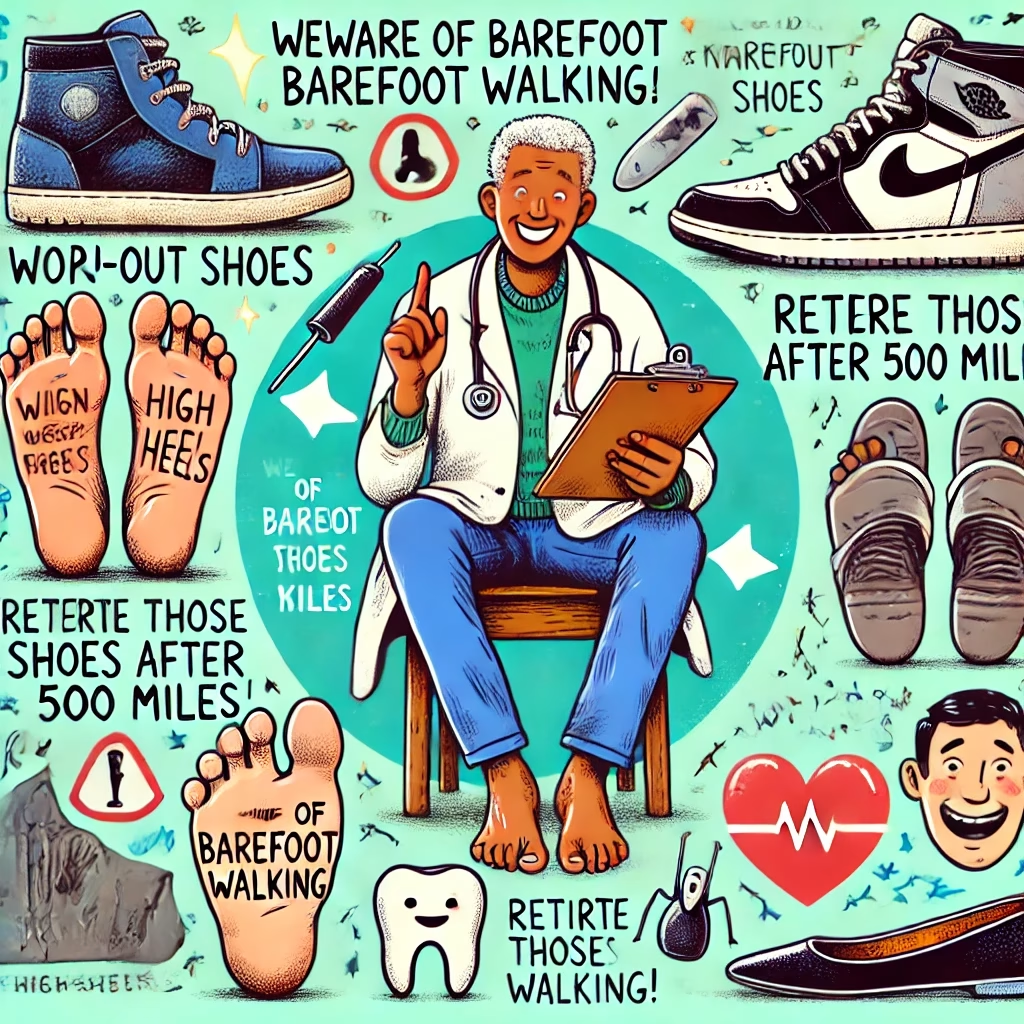
It’s a peculiar thing that we spend a fortune on a shiny new contraption with all manner of bells and whistles, but when it comes to the two most reliable machines they’ll ever own—their feet—they’ll treat them like an afterthought. People expect these miraculous inventions to carry them through life without so much as a thank-you, let alone proper maintenance. Then one day, when their feet finally file a complaint in the form of blisters, bunions, or a pain that makes them walk like a retired cowboy, they act downright surprised. But the truth is, most foot problems don’t come from old age or bad luck; they come from bad habits.
If you’re guilty of any of these, don’t worry—you’re in good company. Most people are. But knowledge is a mighty powerful thing, and by the time you reach the end of this here list, you just might be inclined to treat your feet with a little more respect.
Your feet are the unsung heroes of your daily life. They carry you from one adventure to the next, rarely demanding more than a good pair of shoes and a little TLC. But like any hardworking machine, they need maintenance. Ignore them, and they’ll remind you—painfully—why they deserve your attention.
So, if you’ve seen yourself in these bad habits, take heart—it’s never too late to turn over a new leaf (or a new insole).
The good news? Your feet are the most honest part of your body—they don’t lie. The bad news? Most people ignore them. But if you take care of them, they’ll take care of you—step by step, mile by mile, for a lifetime.
Treat your feet well, and they’ll keep you moving forward—pain-free and ready for the next great journey.
Your Feet: The Body’s Early Warning System
If there’s one part of the human body that tells the truth long before the rest of you catches on, it’s your feet. They sit at the farthest reaches of your body, as far from the heart as possible, quietly enduring the burdens of gravity, pressure, and time. Because of this distance from the central circulation system, they often reveal the first signs of trouble—sometimes long before your doctor would otherwise suspect something is wrong.
Why Feet Have the Worst Circulation
Blood has to travel a long road to get from your heart to your feet and back again. If circulation weakens, the feet—being at the end of the line—suffer first. This is why conditions like diabetes, cardiovascular disease, and nerve disorders often show their first symptoms in the feet.
Your heart is a powerful pump, but even it struggles to keep blood flowing properly to your extremities, especially if there’s an underlying problem like:
- Poor circulation (due to smoking, diabetes, or heart disease)
- Nerve damage (neuropathy)
- Blood vessel blockages (peripheral artery disease, PAD)
- Fluid retention or swelling (lymphedema, kidney issues, or heart failure)
When circulation slows down, nutrients and oxygen don’t reach the feet as efficiently, making them more vulnerable to injury, infection, and disease.
The Feet as a Diagnostic Tool: What Your Feet Reveal About Your Health
1. Cold Feet & Poor Healing: Signs of Circulatory Problems
If your feet are always cold, tingling, or numb, it could be a sign of poor circulation, diabetes, or an underactive thyroid. Since your feet are at the farthest point from the heart, they’re the first to lose warmth when circulation weakens.
Additionally, if you get a small cut or blister on your foot and it takes forever to heal, this could indicate diabetes or vascular disease. The body isn’t delivering enough oxygen and nutrients to help repair the tissue quickly, which can lead to infections or even ulcers.
➡ What to watch for:
✔ Constantly cold feet
✔ Slow-healing wounds or infections
✔ Blue or purplish toes (signs of poor blood flow)
2. Swollen Feet & Ankles: A Window Into Heart, Kidney, or Liver Health
If your feet and ankles swell up regularly, it could be a sign that your body is struggling to regulate fluid balance. This can be linked to:
- Heart disease (weakened heart struggles to pump blood properly, leading to fluid buildup)
- Kidney problems (body retains too much fluid when kidneys don’t function well)
- Liver disease (fluid leaks into tissues when liver function declines)
➡ What to watch for:
✔ Persistent swelling in feet or ankles
✔ Indentations in your skin after pressing on swollen areas
✔ Shortness of breath or fatigue along with swelling (may indicate heart issues)
3. Burning or Numb Feet: Signs of Nerve Damage (Neuropathy)
Tingling, burning, or numb feet are often the first warning signs of nerve damage, which is common in diabetes and B-vitamin deficiencies. This condition, called peripheral neuropathy, means the nerves in your feet are misfiring signals, causing pain, tingling, or complete numbness.
This is why people with diabetes sometimes step on sharp objects or develop severe infections without feeling it.
➡ What to watch for:
✔ Burning or tingling sensation in your feet
✔ Complete numbness (dangerous as you won’t feel injuries)
✔ Foot pain that worsens at night
4. Dry, Cracked Heels: A Sign of Hormonal or Circulatory Issues
Chronically dry, cracked heels might seem like just a cosmetic issue, but if it persists despite moisturizing, it could be a sign of:
- Thyroid dysfunction (hypothyroidism causes skin to dry out)
- Poor circulation (blood isn’t delivering enough moisture and nutrients to the skin)
- Diabetes (high blood sugar can lead to dehydration, affecting skin elasticity)
➡ What to watch for:
✔ Deep cracks that won’t heal
✔ Peeling, flaky skin despite moisturizing
✔ Thick, yellow toenails (a sign of fungal infection due to weakened immune function)
5. Toe Color Changes: Warning Signs of Circulatory or Autoimmune Disorders
If your toes turn white, blue, or red, especially in response to cold temperatures, you might have Raynaud’s disease, which causes spasms in blood vessels.
- White toes = Blood flow is restricted.
- Blue toes = Lack of oxygen.
- Red toes = Blood flow returns, causing inflammation.
Raynaud’s can be triggered by cold, stress, or autoimmune conditions like lupus or rheumatoid arthritis.
➡ What to watch for:
✔ Color changes in toes in response to temperature
✔ Frequent toe numbness
✔ Pain when blood flow returns
Why Doctors Check the Feet First for Diabetes
One of the first signs of diabetes is often found in the feet. Since high blood sugar damages small blood vessels and nerves, foot problems can appear long before other symptoms:
- Tingling, numbness, or burning
- Slow-healing wounds or ulcers
- Fungal infections (yellow toenails, athlete’s foot)
Doctors often check foot pulses and skin health in diabetics because if circulation is poor in the feet, it’s likely bad elsewhere in the body too—meaning the heart, kidneys, and eyes could also be at risk.
How to Improve Foot Health (and Overall Circulation!)
If your feet are showing signs of poor circulation, nerve damage, or other health issues, it’s time to improve blood flow and support your body’s health.
✅ Stay active – Walking and stretching improve circulation.
✅ Wear proper shoes – Avoid tight, unsupportive footwear.
✅ Check your feet daily – Look for cuts, color changes, or swelling.
✅ Manage diabetes and blood sugar – If you’re prediabetic, early action helps prevent complications.
✅ Hydrate & eat well – Good nutrition supports blood flow and nerve health.
✅ Quit smoking – Nicotine reduces circulation, especially to the feet.
Your Feet Are a Warning System—Listen to Them!
If you wait for the rest of your body to tell you something is wrong, you might be too late. Your feet whisper warning signs before the rest of your body starts screaming.
A cold foot today might mean poor circulation tomorrow. A tingling toe might signal diabetes before a doctor ever diagnoses it. And a slow-healing cut might just save your life if you pay attention.
1. Going Barefoot or Wearing Unsupportive Shoes Too Often
There’s nothing wrong with the occasional barefoot stroll on the beach—it might even be good for you—but when you treat hard surfaces like your personal savanna, you’re asking for trouble. The human foot was designed to walk on grass, dirt, and other soft terrains, not hardwood floors, pavement, or concrete. Constantly walking barefoot, or in flimsy shoes like flip-flops, can cause arch pain, heel pain, and even stress fractures.
Fix it: If you must go barefoot, limit it to soft surfaces. Otherwise, invest in house shoes with arch support—your feet will thank you.
2. Wearing Worn-Out or Ill-Fitting Shoes
Shoes are a lot like friendships—some wear out, and when they do, you’d be better off replacing them than trying to make them work. But people hold on to their favorite sneakers like a pair of old jeans, convincing themselves they still have plenty of life left. Spoiler: They don’t. Running shoes, for example, should be replaced every 300-500 miles, and casual shoes should be reassessed for wear and tear every few months.
Fix it: When shoes lose their support, replace them. And for heaven’s sake, if your shoes make your toes feel like they’re at a family reunion inside a phone booth, get a bigger pair. Feet change over time—measure them every so often.
3. DIY Ingrown Toenail Surgery (A.K.A. A Bad Idea)
An ingrown toenail is a minor inconvenience that turns into a medieval torture device if you let it fester. The natural response is to play amateur surgeon with a pair of nail clippers, but this is how infections start. If you find yourself digging at your own toenail like a prospector hunting for gold, stop. You’re more likely to make things worse than fix them.
Fix it: Soak your foot in warm water with Epsom salt and wear open-toed shoes until it heals. If it gets worse, see a doctor before you turn a small problem into a big one.
4. Neglecting Socks (Or Wearing the Wrong Ones)
Socks are not just an accessory to keep your feet from smelling like a gym bag left in a hot car—they actually serve a purpose. They reduce friction, wick away moisture, and help prevent blisters and infections. Yet, some folks go sockless, thinking it’s stylish or convenient, while others wear the same crusty pair two days in a row. Both are crimes against foot health.
Fix it: Always wear clean socks made from breathable materials like cotton or moisture-wicking fabric. And for the love of all that is good, change them daily.
5. Smoking and Poor Circulation
If there’s one thing the body hates, it’s bad circulation, and nicotine is a prime offender. Smoking can narrow blood vessels, making it harder for oxygen-rich blood to reach your feet. This leads to slower healing times, cold feet (literally), and an increased risk of infections. In extreme cases, it can even lead to ulcers and amputations.
Fix it: Quit smoking. Your feet, lungs, and about a dozen other organs will thank you.
6. Ignoring Foot Pain Until It’s Too Late
A sore foot isn’t just a sore foot—it’s a message from your body that something’s wrong. But people, being the stubborn creatures they are, often ignore pain until it turns into a full-blown injury. By then, they’re limping like they just escaped a bear trap, wondering where they went wrong.
Fix it: If you have persistent foot pain, see a podiatrist before it gets worse. Foot pain doesn’t just go away—it gets louder.
7. Cutting Toenails the Wrong Way
Toenails should be cut straight across, not rounded at the edges. When you curve them, you invite ingrown toenails and pain. Yet, people insist on giving their toenails a nice, smooth curve as if they were sculpting a masterpiece.
Fix it: Use a proper toenail clipper and trim straight across. If your nails are thick, soak them in warm water before cutting.
8. Standing or Sitting for Too Long
Your feet don’t like extremes. Stand all day, and they swell. Sit all day, and they ache when you finally move. Blood flow needs balance—too much pressure or too little movement can lead to pain, varicose veins, and circulation problems.
Fix it: If you stand all day, take breaks to sit and elevate your feet. If you sit all day, take a walk every hour or so to keep circulation flowing.
9. Walking With Bad Posture or Gait
Your feet weren’t meant to do all the work alone—they rely on your legs, hips, and back to share the load. Walk with poor posture, and you’ll put excess strain on your feet, leading to pain in your heels, arches, and even your knees.
Fix it: Pay attention to your walking habits. If your gait feels off or you constantly have foot pain, consider getting an assessment from a podiatrist or physical therapist.
10. Overlooking Foot Hygiene
It should go without saying, but feet need washing—daily. Yet, some people let the soap trickle down in the shower and assume it’s enough. Spoiler: It’s not. Neglecting foot hygiene leads to fungal infections, athlete’s foot, and a host of other unpleasantries.
Fix it: Wash your feet with soap and water, dry them thoroughly, and don’t forget to scrub between your toes.
Soaking your feet in Epsom salt (magnesium sulfate) can be beneficial for certain foot-related issues, but it’s not a cure-all. Here’s what it can help with and what it can’t do:
What Epsom Salt Foot Soaks Can Help With:
- Soothing sore and tired feet – Magnesium can help relax muscles and reduce soreness after a long day.
- Reducing swelling and inflammation – It may provide some relief for minor swelling and foot pain, particularly for those with plantar fasciitis or arthritis.
- Softening skin and calluses – Warm water with Epsom salt can help soften rough skin, making it easier to exfoliate.
- Helping with mild infections and toenail fungus – It’s not a cure, but it may help draw out infection and reduce discomfort when combined with proper treatment.
- Neutralizing foot odor – Epsom salt can help reduce bacteria buildup, leading to fresher-smelling feet.
What It Won’t Do:
- Cure fungal infections – It may help soothe symptoms, but it won’t kill the fungus on its own. Antifungal treatments are needed.
- Heal deep wounds or infections – It’s not an antibacterial or antibiotic, so it won’t cure serious infections.
- Detox your body – Despite popular claims, there’s no solid scientific evidence that soaking in Epsom salt “draws out toxins.”
How to Do an Epsom Salt Foot Soak:
- Fill a basin with warm water (not too hot).
- Add ½ cup to 1 cup of Epsom salt and stir until dissolved.
- Soak your feet for 15–20 minutes.
- Pat your feet dry and moisturize if needed.
If you have diabetes, open wounds, or severe foot pain, consult a doctor before soaking, as it could cause more harm than good.
If you have a mild foot infection, an Epsom salt soak can help draw out pus, reduce swelling, and soothe irritation, but it’s not a substitute for medical treatment if the infection is severe. If you notice worsening pain, spreading redness, swelling, fever, or pus discharge, see a doctor immediately.
Epsom Salt Foot Soak for Infection
Ingredients:
- Warm water (enough to cover your feet in a basin)
- ½ cup Epsom salt
- Optional:
- Apple cider vinegar (¼ cup) – Helps kill bacteria and fungi.
- Tea tree oil (a few drops) – Natural antibacterial and antifungal properties.
- Baking soda (1 tablespoon) – Can help neutralize bacteria and odor.
How to Use:
- Fill a basin with warm (not hot) water.
- Dissolve ½ cup of Epsom salt in the water.
- Add apple cider vinegar or tea tree oil if using.
- Soak your feet for 15-20 minutes.
- Gently pat dry with a clean towel.
- Apply an antibacterial ointment (like Neosporin) to the infected area.
- Keep the foot clean and dry after the soak.
How Often?
- For mild infections: 1-2 times per day.
- For prevention or minor irritation: A few times a week.
When to Seek Medical Help
- The infection gets worse instead of better.
- Spreading redness, warmth, or swelling (possible cellulitis).
- Pus, severe pain, or signs of an abscess.
- If you have diabetes (infections can worsen quickly).
If you want to complement an Epsom salt soak with natural remedies to help fight infection, here are some effective options:
1. Apple Cider Vinegar (ACV)
- Why it works: ACV has antibacterial and antifungal properties that help kill bacteria and balance skin pH.
- How to use:
- Mix ¼ cup ACV with warm water in a basin and soak your feet for 15-20 minutes.
- Pat dry and apply coconut oil or an antibacterial ointment.
2. Tea Tree Oil
- Why it works: A natural antiseptic and antifungal oil that fights infections, athlete’s foot, and nail fungus.
- How to use:
- Add 5-7 drops of tea tree oil to your Epsom salt soak.
- OR mix 2-3 drops with a carrier oil (like coconut or olive oil) and apply directly to the infection twice daily.
3. Garlic Paste
- Why it works: Garlic contains allicin, a powerful natural antibiotic.
- How to use:
- Crush 1-2 cloves of fresh garlic and mix with olive oil.
- Apply to the affected area for 10-15 minutes, then rinse.
- Repeat once or twice daily.
⚠️ Warning: Garlic can be strong—if it burns, rinse off immediately.
4. Coconut Oil
- Why it works: Contains lauric acid, which has antibacterial and anti-inflammatory properties.
- How to use:
- Apply a small amount to the infected area 2-3 times daily.
- Works well as a moisturizer after soaking your feet.
5. Honey (Manuka Honey is Best)
- Why it works: Honey is a natural antimicrobial that helps wounds heal faster.
- How to use:
- Apply raw honey to the infection and cover with a clean bandage.
- Leave it on for a few hours or overnight, then rinse with warm water.
6. Baking Soda
- Why it works: Neutralizes bacteria, reduces odor, and soothes irritation.
- How to use:
- Mix 1 tbsp of baking soda with a little water to form a paste.
- Apply to the infection for 10 minutes, then rinse.
- OR add ½ cup to your foot soak.
7. Aloe Vera
- Why it works: Has anti-inflammatory and antimicrobial properties that speed up healing.
- How to use:
- Apply pure aloe vera gel to the infected area twice daily.
Best Routine for Mild Infections:
- Epsom salt + tea tree oil soak (15-20 min).
- Dry feet completely.
- Apply a natural remedy (garlic, honey, coconut oil, etc.).
- Keep the area clean & covered if needed.
- Repeat daily until healed.
When to See a Doctor
- If the infection gets worse or doesn’t improve in a few days.
- Spreading redness, swelling, severe pain, or fever.
- If you have diabetes, because infections can be serious.
EXTRA CREDIT
MORE WAYS TO BE HEALTHY
The Lost Art of Joy: How to Find It Before You Forget It Ever Existed

There are two kinds of people in this world: those who think they’re perfectly happy and those who have the good sense to admit they aren’t. The trouble is, most folks don’t lose their joy all at once, the way you lose your hat driving your convertible. No, it tends to slip away slow — like a cat slinking off a porch when no one’s looking, until one day you realize the house feels eerily quiet, and you can’t quite put your finger on why.
What follows ain’t a cure-all, mind you. It’s more of a search party for that misplaced passion — the one that used to make you whistle for no reason, or stare too long at sunsets because they made you feel small in the best possible way.
Behaviors That Hint Your Joy May Have Wandered Off
1. You’re Always Distracted
You can’t sit alone with your thoughts without reaching for a screen, a snack, or some other form of noise. Silence feels like a visitor you forgot you invited.
2. You’re Irritated By Everything and Everyone
The dog’s breathing too loud. The toaster’s got an attitude. Everything’s an offense, though none of it’s the real problem.
3. The Things You Once Loved Don’t Spark Much Anymore
Remember hobbies? The things you used to do just because they made you grin? They’re gathering dust now, like old furniture in a house you moved out of.
4. You Dodge Social Invitations
Even the people you like — the ones who make you laugh until you snort — feel like too much work. So you retreat, convincing yourself you’re just “tired.”
5. You’re Always Tired Anyway
No amount of sleep seems to touch the kind of exhaustion you’re carrying. It’s not in your muscles — it’s somewhere deeper.
6. You’ve Become a Connoisseur of Numbing
Whether it’s binge-watching, online shopping, scrolling, snacking, or pouring a drink — you’ve turned distraction into an art form. The goal isn’t pleasure. It’s escape.
What’s Really Going On?
Joy Doesn’t Just Disappear — It Gets Buried
Life’s obligations, disappointments, and heartbreaks tend to pile up like layers of dust on an old mirror. After a while, you stop seeing yourself clearly — and you forget what joy even looked like.
Modern Life Makes It Easy to Miss
Between constant notifications, endless work expectations, and the weird belief that “busy” equals “valuable,” modern living is the perfect habitat for joy to wither. Joy needs space to breathe, and we’ve crammed every square inch with noise.
Reflection Questions to Find Where Joy Wandered Off To
- When was the last time I felt real, unforced joy?
- What small things used to make me smile?
- Do I even believe I deserve joy — or do I feel like I have to earn it?
- Who or what drains me most right now — and why do I keep allowing it?
- If I had one day with no obligations, how would I spend it?
Exercises to Lure Joy Back Home
1. Joy Journal
Each day, write down one thing — however small — that made you smile, laugh, or feel even a flicker of delight.
2. The Lost & Found List
Make two columns: “Things I Used to Love” and “Why I Stopped.”
See if anything deserves a comeback tour.
3. The No-Obligation Day
Spend one day doing only what you want, not what you should. See where curiosity takes you.
4. The Curiosity Challenge
Try something new every day — a different meal, a new podcast, a walk down an unfamiliar street. Curiosity is joy’s older cousin.
5. The Emotional Inventory
Sit with yourself and ask: “What feelings have I been avoiding?” Write them down. Joy can’t breathe in a house stuffed with unspoken grief.
6. Create a Joy Vision Board
Collect images, quotes, or scraps of anything that reminds you of moments when you felt fully alive. Even if they feel far away, they’re clues.
Mindset Shifts to Embrace
- Joy isn’t a luxury — it’s a compass.
It points you toward what matters to you. - Small joys matter just as much as big ones.
A perfect cup of coffee. A favorite song. They all count. - You don’t need a perfect life to feel joy.
Joy and struggle can — and often do — coexist.
If there’s a moral to all this (and most stories worth telling have one), it’s this: Joy doesn’t come looking for you like a stray dog begging for scraps. It’s more like an old friend who moved away and stopped calling — not because they stopped caring, but because you stopped answering.
The good news is, joy’s got a long memory and a forgiving heart. If you go looking, even a little, it’ll start leaving breadcrumbs — in songs you forgot you loved, in the way sunlight hits your coffee cup just right, in the laughter of someone who knows you down to your bones. And if you follow those breadcrumbs long enough, they don’t just lead you back to joy — they lead you back to passion, that fire inside you that made you feel alive before life convinced you to trade wonder for routine. Passion and joy are old dance partners, and where you find one, the other is never far behind.
It’s never too late to remember the way home and find your joy and passion.
EXTRA CREDIT
Finding Your Passions!
Path to Everything
You can Escape the Grip of the Past
Invest in Yourself—You Are Your Greatest Asset

Everyone is always looking for the next best thing to invest in—stocks, real estate, Bitcoin, even a questionable “can’t-miss” opportunity from their cousin who’s “in the know.” But the one investment that never crashes, never devalues, and pays dividends for life? Yourself.
Now, I ain’t saying money’s unimportant. It pays for a roof over your head and a hot meal on the table, and those are mighty fine things. But if you spend all your time chasing dollars while neglecting your mind, body, and soul, you’re just a rich fool waiting to fall flat on your face. The truth is, your greatest asset isn’t in a bank—it’s the skills you build, the knowledge you gain, the health you maintain, and how wisely you spend your time.
So before you plop down on the couch for a TV marathon or scroll yourself into oblivion, ask yourself: Have I fed my brain before dessert?
Life’s a funny thing. You can hoard all the money in the world, but if your body’s too worn out, your mind’s gone dull, and your time’s been wasted, what good is it? You don’t get a refund on wasted years.
So here’s the deal—treat yourself like the fine investment you are. Read something that stretches your mind, learn a skill that makes you invaluable, move your body so it don’t rust, and guard your time like a bank vault. And for heaven’s sake, don’t let entertainment become the main course when it ought to be the dessert.
In the end, the smartest investment isn’t in gold, stocks, or the latest tech—it’s in you. Because while fortunes rise and fall, a well-fed mind, a strong body, and wisely spent time will serve you for a lifetime.
AGAIN, The best investment you will ever make is in yourself. Whether it’s learning new skills, improving your health, or developing a strong mindset, everything you put into yourself will pay dividends for the rest of your life. Prioritize personal growth over material possessions.
Looks break it down:
1. Invest in Your Health
Your body is the foundation of everything you do. If you don’t take care of your health, no amount of money, success, or knowledge will matter.
- Physical Health – Exercise regularly, eat nutritious foods, and get enough sleep. Your energy levels and longevity depend on it.
- Mental Health – Reduce stress, take breaks, and engage in activities that bring joy. A strong mind leads to a stronger life.
- Preventive Care – Regular check-ups, staying hydrated, and managing stress can help prevent serious health issues down the road.
2. Invest in Knowledge
Knowledge is one of the few investments that appreciate over time. The more you learn, the more you can do.
- Read Every Day – Books, articles, or educational materials expose you to new ideas and perspectives.
- Take Courses & Attend Workshops – Expand your expertise by continuously learning new subjects, whether online or in person.
- Stay Curious – Never stop asking questions and seeking answers. Lifelong learning keeps your mind sharp and adaptable.
3. Invest in Your Skill Set
Your skills determine your earning potential and career growth. The world changes rapidly, and staying relevant requires continuous improvement.
- Develop In-Demand Skills – Learn skills that are valuable in today’s world, such as coding, marketing, communication, or leadership.
- Practice & Apply What You Learn – Knowledge is useless if not put into action. Gain hands-on experience and refine your abilities.
- Network & Learn from Others – Surround yourself with skilled professionals, mentors, and people who challenge you to grow.
4. Invest in Your Peace of Mind
Peace of mind is priceless. Without it, success and wealth become meaningless.
- Set Boundaries – Learn to say no to things that drain your energy or distract you from your priorities.
- Manage Your Time Wisely – Focus on what truly matters and avoid unnecessary stress.
- Practice Gratitude & Mindfulness – Take time to appreciate the present moment. A grateful mindset brings clarity and inner peace.
- Consider paying off debt, and being more careful with your risk taking.
5. Invest Your Time Wisely
Your time is the one resource you can never get back. Just like eating a healthy diet, you need to consume brain protein before indulging in entertainment—make sure your time is spent on things that build you before you relax.
- Prioritize Growth First, Entertainment Second – Before watching TV or scrolling through social media, spend time reading, learning, or improving a skill. Treat it like a meal: feed your brain the essentials before the dessert.
- Limit Mindless Consumption – It’s easy to binge-watch shows or endlessly scroll, but too much of it is like eating junk food all day. Enjoy entertainment in moderation.
- Create Instead of Just Consuming – Spend time working on your own projects, writing, building, or learning something new instead of just watching others do it.
- Set Daily Goals – Every day, make sure you accomplish something that moves you forward before rewarding yourself with leisure activities.
Final Thoughts
Investing in yourself should always come before material possessions. Wealth can come and go, but your health, knowledge, skills, peace of mind, and time will serve you for a lifetime. Prioritize personal growth, make smart choices with your time, and everything else will fall into place.
EXTRA CREDIT
Rewire YOURSELF!
Wonder Nut

Let’s be real—most of us snack more than we care to admit. Chips, cookies, whatever’s within arm’s reach. But what if there was a snack that actually did your body some good? Enter: pistachios. They’re trendy, green, and showing up in everything from salads to TikToks. Some folks swear by eating them daily for better heart health, blood sugar, even eye protection. Sounds a little too good for something you can buy in a gas station, right? Let’s crack it open.
At the end of the day, pistachios aren’t a miracle, but they’re pretty close as snacks go. Packed with protein, fiber, and the kind of fats your body actually thanks you for. Just keep it to a handful, not the whole bag, and your heart (and waistband) will probably thank you. Turns out, eating healthy doesn’t always have to taste like punishment. Sometimes, it tastes like pistachios.
Incorporating pistachios into your daily diet can offer numerous health benefits due to their rich nutritional profile.
Nutritional Content:
A one-ounce (28 grams) serving of pistachios provides approximately:
- 165 calories
- 6 grams of protein
- 13 grams of total fat (including 2 grams of saturated fat)
- 8 grams of carbohydrates
- 3 grams of dietary fiber
- 1.7 milligrams of sodium
- 14 milligrams of folate
- 30 milligrams of magnesium
- 277 milligrams of potassium
This serving size is also cholesterol-free.
Health Benefits:
- Eye Health: Pistachios are rich in lutein and zeaxanthin, antioxidants that protect the eyes from damage caused by blue light and age-related macular degeneration.
- Heart Health: Regular consumption of pistachios has been linked to reduced LDL (“bad”) cholesterol and lower blood pressure, contributing to improved cardiovascular health.
- Weight Management: The combination of protein, fiber, and healthy fats in pistachios promotes satiety, which can aid in weight loss and maintenance.
- Blood Sugar Control: Pistachios have a low glycemic index and contain antioxidants that support healthy blood sugar levels, making them a suitable snack for individuals managing diabetes.
- Digestive Health: High in dietary fiber, pistachios act as prebiotics, fostering the growth of beneficial gut bacteria and promoting digestive health.
Consumption Recommendations:
While pistachios are nutritious, moderation is key due to their calorie density. A daily serving of about 1 ounce (approximately 49 kernels) is recommended to reap their health benefits without excessive calorie intake.
Incorporating pistachios into your daily diet can be a delicious and healthful choice, offering benefits ranging from improved eye health to better weight management.
MORE ABOUT HEALTH
The Perfect Nut Mix
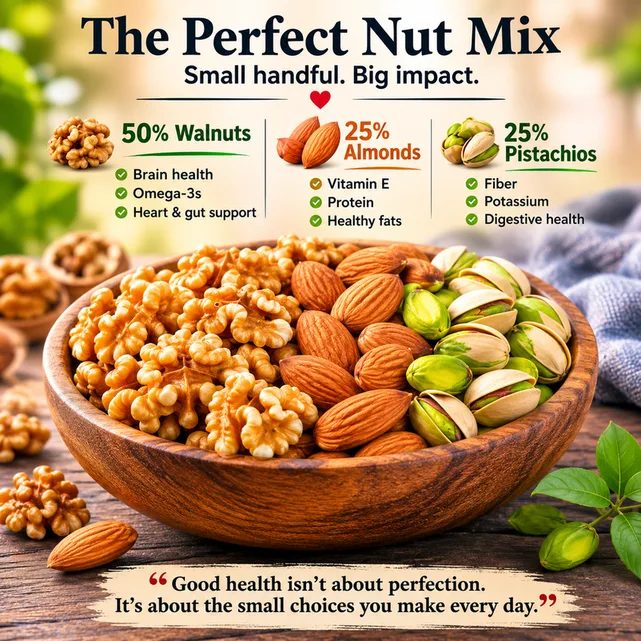
Good health isn't built by one perfect meal. It's built by thousands of small choices—one handful at a time.— YNOT!
Good health rarely comes from one miracle food.
It comes from small, smart decisions repeated every day.
Replacing chips, candy, or sugary snacks with a handful of this nut mix is one of those decisions. Your brain, heart, and gut may thank you for it years from now.
Sometimes the healthiest investments are the ones you can fit in the palm of your hand.
If you could only keep one healthy snack on your desk, make it this.
The 50-25-25 Nut Mix
- 50% Walnuts
- 25% Almonds
- 25% Pistachios
It isn’t random. Each nut brings something different to the table.
🌰 50% Walnuts – Food for Your Brain
Walnuts are nutritional powerhouses. They contain more plant-based omega-3 fatty acids (ALA) than any other common tree nut, along with antioxidants and polyphenols that help protect your cells from damage.
Research suggests walnuts may support:
- Brain function and memory
- Heart health
- Healthy inflammation levels
- A balanced gut microbiome
Think of walnuts as the foundation of the mix.
Here’s why walnuts stand out:
- 🧠 Brain health
- Highest omega-3 (ALA) content of any tree nut.
- Rich in polyphenols and antioxidants that help protect brain cells.
- Some research links regular walnut consumption with better memory and healthy cognitive aging.
- ❤️ Heart health
- Help reduce LDL (“bad”) cholesterol.
- May improve blood vessel function and reduce inflammation.
- Supported by organizations such as the American Heart Association as part of a heart-healthy diet.
- 🦠 Gut health
- Their fiber and polyphenols feed beneficial gut bacteria.
- A healthier gut microbiome supports digestion, immunity, and may even influence brain health through the gut-brain axis.
🌰 25% Almonds – Your Daily Vitamin E
Almonds are one of the best natural sources of vitamin E, an important antioxidant that helps protect your cells.
They also provide:
- High-quality plant protein
- Healthy monounsaturated fats
- Magnesium
- Calcium
- Fiber
Almonds help keep you feeling full while supporting muscles, bones, and your immune system.
🌰 25% Pistachios – Small Nut, Big Benefits
Don’t underestimate pistachios.
They are packed with:
- Fiber
- Potassium
- Vitamin B6
- Protein
- Antioxidants
Pistachios are excellent for digestive health and may help support healthy blood pressure when enjoyed as part of a balanced diet.
Why This Combination Works
Each nut fills in nutritional gaps left by the others.
- Walnuts provide omega-3 fats for your brain and heart.
- Almonds deliver vitamin E, protein, and healthy fats.
- Pistachios contribute fiber, potassium, and additional antioxidants.
Together they create a snack that’s difficult to beat.
How Much Should You Eat?
A serving is about one handful (approximately 1 ounce or 28 grams) each day.
You don’t need a large bowl. Consistency matters more than quantity.
What If You Cannot Eat Whole Nuts?
If you have dental issues, trouble chewing, diverticulitis or simply do not like hard foods, you do not have to skip the benefits of nuts.
Grind them into smaller pieces, or even into a fine powder. I like to keep a small container of ground nuts ready to go so I can easily sprinkle them on salads, rice dishes, oatmeal, yogurt, or even desserts.
The key is convenience. When healthy food is already prepared and easy to use, you are much more likely to make it part of your daily routine.
A Simple Habit With Long-Term Rewards
There is no single “superfood” that guarantees perfect health, but there are foods that consistently give your body the nutrients it needs to perform at its best. This simple mix of 50% walnuts, 25% almonds, and 25% pistachios is one of them.
Walnuts help nourish the brain and support heart health with plant-based omega-3s and powerful antioxidants. Almonds provide protein, vitamin E, and healthy fats that protect your cells and help keep you energized. Pistachios contribute fiber, potassium, and essential nutrients that support digestion, healthy blood pressure, and overall wellness.
Together, they create a balanced snack that feeds your brain, strengthens your heart, and supports a healthy gut—three systems that influence nearly every aspect of your health.
The real secret, however, isn’t the nuts themselves. It’s the habit. Replacing processed snacks with this simple mix, day after day, is one small decision that compounds into better health over the years.
Sometimes the greatest improvements in life don’t come from dramatic changes. They come from making one good choice, consistently.
Note: If you have an active digestive condition, such as diverticulitis, or have been advised by your physician to follow a special diet, consult your healthcare provider before making significant dietary changes. For most people, however, current research shows that nuts are safe and can be part of a healthy, high-fiber diet.
CT Scans Projected to Cause 100,000 New Cancer Cases in the US: What You Need to Know

“No One Told Us About This”: The Price of Progress, in Scans and Shadows
Now I am not one to cry over spilled radiation, but it strikes me that every miracle of modern medicine comes with a little tag hanging’ off it — not a price tag, mind you, but a consequence tag. Trouble is, most folks never bother to flip it over and read what it says.
We live in an age where machines can see through flesh and bone like a magician’s x-ray trick. A CT scan can catch a clot, a break, or a beast of a tumor before it gets the chance to introduce itself. That’s power — real power. But every light casts a shadow, and every dose of healing carries a whisper of harm.
See, consequences ain’t always bad. A hot stove teaches a child not to touch. But it sure does burn. And when it comes to medical treatments, procedures, and drugs, those consequences deserve double the scrutiny and triple the truth. Yet here we are, learning — far too late for comfort — that the same CT scans meant to save us might also be slowly planting the seeds of cancer in thousands of Americans.
Nobody told us that. Not in the commercials, not in the brochures, and certainly not in the five-minute doctor visit. And now that the facts are surfacing, it’s time we stop treating medicine like magic and start treating it like what it is: a tool, mighty and imperfect, with risks that deserve to be respected.
In a sobering projection published by JAMA Internal Medicine and spotlighted by ScienceAlert, researchers estimate that over 100,000 future cancer cases in the United States could be attributed to CT scans performed in 2023 alone.
CT scans, while lifesaving and invaluable in diagnostics, use ionizing radiation—a known cancer risk. The sheer volume of these scans is staggering: approximately 93 million CT scans were administered to 62 million patients last year in the U.S. alone. With such wide use comes a hidden cost.
The Cancer Connection
The study estimates that 103,000 new cancer cases may eventually be linked to the radiation exposure from these scans—accounting for up to 5% of all new cancer diagnoses in a given year.
Which Cancers Are Most Common?
- Adults: Lung, colon, leukemia, and bladder cancers lead the list of radiation-induced cancers.
- Children: Thyroid, lung, and breast cancers are most frequently projected.
High-Risk Scans
Scans of the abdomen and pelvis are the most concerning, with the highest associated risk due to greater radiation exposure and more sensitive tissue areas.
What Can Be Done?
The researchers stress that this isn’t a call to abandon CT scans—but rather a wake-up call to use them more responsibly:
- Justify the scan: Make sure the scan is truly necessary for the diagnosis or treatment.
- Optimize radiation: Tailor radiation doses based on the patient’s age, organ type, and scan purpose.
- Avoid routine whole-body scans: Especially in patients without symptoms or specific clinical need.
Final Thoughts
As CT technology becomes even more widespread, the medical community faces a growing challenge: how to harness its diagnostic power while minimizing the long-term harm. It’s a balancing act between innovation and caution—a decision that must weigh the immediate benefits against potential lifelong consequences.
The Longevity Molecule the cure for many diseases

Now, if you told the average man on the street that a whiff of gas no one can see and a colony of tongue-dwelling bacteria are the gatekeepers to his ticker, his trousers, and maybe even his brain, he’d laugh all the way to the nearest mouthwash aisle—and poison himself on the spot. We’ve spent the better part of a century bulldozing the very pathways nature gave us for vitality, all in the name of “progress.” Nitric oxide—no, not the laughing kind pumped into dentist chairs or drag racers—isn’t some new-fangled wellness fad. It’s the original blueprint, a whisper of life moving through our veins, opening gates, fueling minds, stoking fires of love, memory, and motion. And yet, it’s been quietly ignored, suffocated under sugar, sterilized with antiseptics, and bludgeoned by bad habits.
This isn’t snake oil. It’s science, stripped of its lab coat, and put into plain English—so even a toothless farmer or a city slicker with a gym membership can understand it. So buckle up, because the secret to long life may not be in a fountain or a pill—but in how you breathe through your nose, hum in the shower, and say no to mouthwash.
In the end, maybe we’ve had the cure in our mouths all along—and we spit it out with every gargle. We chased miracles in labs while ignoring the body’s most faithful messenger. Nitric oxide doesn’t come with a jingle or a billion-dollar marketing campaign, but it does come with something better: proof. It heals wounds, powers memories, sparks desire, and softens the hard edges of time’s passage.
But here’s the catch, and there’s always a catch: it only works if you stop poisoning the well. Quit killing your bacteria. Step into the sun. Eat your beets. Breathe like nature intended. Because in a world where medicine has become a subscription model, restoring nitric oxide is a rare act of rebellion—it’s opting out of disease, and opting into life.
Mark my words: the real revolution won’t be televised. It’ll be humming quietly through your nose, saving your heart one breath at a time.
🔬 Key Scientific Concepts
1. Nitric Oxide (NO) – The “Molecule of Longevity”
- Function: Signaling molecule that regulates:
- Blood flow & vascular tone
- Oxygen delivery
- Stem cell mobilization
- Energy production via mitochondria
- Insulin signaling
- Production: Occurs in endothelial cells and oral microbiome.
- Decline with Age: ~10–12% per decade starting at age 30. By age 70–80, production drops by ~75%.
2. Diseases Linked to NO Deficiency
- Erectile Dysfunction (ED) – often first symptom
- High Blood Pressure – 50% of patients don’t respond to medication because the root issue is low NO
- Cardiovascular Disease – #1 global killer
- Diabetes – NO required for insulin signaling
- Alzheimer’s Disease – vascular and metabolic components addressed by NO
- Exercise Intolerance – inability to maintain activity linked to NO deficiency
- Wound Healing – NO promotes blood flow and stem cell recruitment
🦷 Oral Microbiome & Nitric Oxide
- Critical Role: Oral bacteria convert dietary nitrate (from leafy greens) into nitrite → NO.
- Mouthwash & Fluoride:
- Antiseptic mouthwash kills these bacteria.
- Fluoride in toothpaste/tooth water suppresses the oral microbiome and is linked to systemic effects like thyroid dysfunction and lowered IQ in children.
- Study Example: Within 7 days of using mouthwash, participants’ blood pressure increased measurably.
🧪 How to Measure NO & Vascular Health
- Techniques:
- Carotid intima-media thickness (CIMT)
- Flow-mediated dilation (FMD)
- DNA methylation profiles (e.g., GlycanAge)
- Blood pressure, nitric oxide breath tests
🧬 NO’s Role in Longevity
- Stem Cells: NO mobilizes and differentiates stem cells.
- Telomeres: Activates telomerase enzyme to prevent chromosomal aging.
- Mitochondria: Stimulates biogenesis and efficiency of mitochondria.
💊 Why Modern Medicine Falls Short
- Focused on treating symptoms, not root causes.
- Western medicine is siloed and profit-driven.
- Patients often end up on multiple medications, creating a cycle of treatment for side effects.
🚫 What to Avoid (Disruptors of NO)
- Sugar: Glycates and inhibits NO-producing enzymes
- Mouthwash: Kills nitrate-reducing bacteria
- Fluoridated toothpaste/water
- Antacid medications: Block stomach acid needed for nutrient absorption (e.g., magnesium, iodine, iron)
- Sedentary lifestyle & lack of sunlight
✅ How to Boost Nitric Oxide Naturally
- Nasal Breathing: Activates NO synthase in sinuses
- Humming: Certain frequencies stimulate NO production
- Tongue Scraping: Enhances microbiome diversity
- Sunlight: UV and infrared light release and stimulate NO
- Exercise: Stimulates endothelial NO production
- Diet:
- Leafy greens and beetroot (only effective if oral bacteria are intact)
- Avoid processed carbs and sugars
🧪 NO Therapy & Products
- Dr. Bryan has developed NO-releasing gels and supplements.
- Clinical trials aim to prove NO can halt or reverse early-stage Alzheimer’s and vascular dementia.
🦠 Oral Health & Cancer Connection
- Almost all cancer patients Dr. Bryan sees have undiagnosed oral infections (root canals, gum disease).
- Oral infections may impair immune function and contribute to tumor genesis.
🔚 Conclusion
Dr. Nathan Bryan posits that nitric oxide production and maintenance are foundational to human health and longevity. By restoring and protecting NO pathways—via lifestyle, nutrition, and targeted therapies—we may prevent or reverse many chronic diseases that currently define aging.
Let me know if you want this adapted into a blog post, video script, or infographic.
There are many nitric oxide (NO) supplements on the market—but it’s important to understand how they work, because they don’t contain nitric oxide gas itself (it’s a short-lived molecule your body must generate). Instead, these supplements support your body’s own nitric oxide production pathways.
🧪 Types of Nitric Oxide Supplements
1. L-Arginine
- How it works: Precursor to nitric oxide via the nitric oxide synthase (NOS) pathway (endothelium-dependent).
- Issue: May not be effective in older adults or those with endothelial dysfunction because NOS enzymes are impaired.
2. L-Citrulline
- How it works: Converts into L-arginine in the kidneys → then into NO.
- Advantage: Often more effective than arginine for raising blood arginine levels.
3. Beetroot Powder / Beet Juice Extract
- How it works: Provides dietary nitrate, which your oral microbiome converts into nitrite → NO in the stomach.
- Caution: Ineffective if you’re using antiseptic mouthwash or fluoride toothpaste.
4. Nitrate/Nitrite Blends
- Some supplements include inorganic nitrate salts (e.g., potassium nitrate) for more direct NO support.
5. Antioxidant & Cofactor Blends
- Include things like:
- Vitamin C – stabilizes nitric oxide.
- Vitamin B2/B3 – supports enzyme function.
- Magnesium, zinc, and CoQ10 – help mitochondrial function and NO pathways.
🔬 Popular Brands and Products (as of 2024–2025)
⚠️ Always verify ingredients and clinical backing. Some “NO boosters” are just caffeine and filler.
- Neo40 – Created by Dr. Nathan Bryan himself. Uses nitrate technology, targeted at older adults with compromised endothelial NO production.
- HumanN SuperBeets – Popular beetroot-based supplement with good clinical testing.
- Nitrosurge – Pre-workout with citrulline and other NO boosters for gym-goers.
- Double Wood Supplements – L-Citrulline – Pure, no-frills supplement often used by athletes.
🧠 Dr. Bryan’s Core Message
He strongly prefers nitrate-based supplements (like Neo40) over arginine-based ones, especially for people over 40 or with chronic disease, since the enzyme pathway (NOS) becomes dysfunctional with age.
✅ How to Make Your NO Supplement Work
- DO: Support oral microbiome (tongue scrape, avoid mouthwash, no fluoride)
- DO: Eat leafy greens and root vegetables alongside supplementation
- DO: Exercise, get sunlight, nasal breathe
- DON’T: Use antiseptic mouthwash or fluoride toothpaste—destroys the bacteria that turn nitrate into nitrite
If you’d like, I can help you pick the best nitric oxide supplement based on your age, health goals, and whether you’re focused on cognitive health, cardiovascular function, or athletic performance.
🧬 Primary Vasodilators in the Body
1. Nitric Oxide (NO)
- Produced by endothelial cells and oral bacteria.
- Causes smooth muscle relaxation via cGMP signaling → vessel dilation.
2. Prostacyclin (PGI₂)
- Made from arachidonic acid in endothelial cells.
- Inhibits platelet aggregation and promotes vasodilation.
3. Bradykinin
- Peptide that triggers NO and prostacyclin release.
- Commonly involved in exercise-induced vasodilation.
4. Adenosine
- Released during low oxygen or high metabolic activity.
- Dilates blood vessels to increase oxygen delivery.
5. Acetylcholine
- Parasympathetic neurotransmitter that stimulates NO production.
🧪 Compounds & Nutrients That Promote Vasodilation
| Compound | How It Helps | Notes |
|---|---|---|
| L-Citrulline / L-Arginine | Amino acids that increase NO | Citrulline is better absorbed |
| Beetroot / Nitrates | Converts to NO via oral bacteria | Only effective with healthy oral microbiome |
| Magnesium | Natural calcium channel blocker | Relaxes blood vessels |
| CoQ10 | Boosts mitochondrial efficiency | Protects endothelial function |
| Vitamin C & E | Antioxidants | Preserve NO by reducing oxidative stress |
| Resveratrol | Activates eNOS enzyme | Found in grapes/red wine |
| Taurine | May enhance blood flow | Also lowers blood pressure |
| Flavonoids (from dark chocolate, berries, green tea) | Improve endothelial function | Act synergistically with NO |
🥦 Lifestyle Activities That Boost Vasodilation
| Activity | Why It Works |
|---|---|
| Exercise | Shear stress stimulates NO release |
| Nasal Breathing | Activates NO synthase in sinuses |
| Sunlight (UV & Infrared) | Releases NO stored in skin and blood proteins |
| Humming / Deep Breathing | Stimulates nasal NO production |
| Hot baths / Saunas | Cause passive vasodilation |
| Massage | Promotes localized blood flow |
🚫 Things That Impair Vasodilation
- Smoking (oxidative stress)
- Mouthwash (kills nitrate-reducing bacteria)
- High sugar intake (glycates and blocks enzymes)
- Chronic stress (cortisol and adrenaline cause constriction)
- Sedentary lifestyle
💡 Want to Focus on Specific Outcomes?
- 💓 Heart health
- 🧠 Brain/cognition
- 💪 Gym/performance
- ❤️ Sexual health
- 🩸 Blood pressure
- 🛌 Sleep/recovery
The source of much of this information with additional research.
The Oil Aisle Illusion: Nature vs. The Lab

If the devil ever opened a health food store, I reckon half the shelves would be lined with bottles labeled “heart healthy,” filled with the same industrial sludge they use to grease machines and make lipstick. We’ve gone from lard to lab coats, trading bacon grease for something cooked up in test tubes next to synthetic perfume.
These days, folks are terrified of butter but pour canola and soybean oil into their pans like it’s blessed holy water—because some white-coated fella in the ’80s declared fat the enemy. He just forgot to mention which fats. Now our arteries aren’t clogged from biscuits and gravy, but from a slow-motion chemistry experiment gone sideways.
When I was a kid, my mother had an old metal pot by the stove. After cooking, she’d pour the leftover fat into it, let it cool, then stick it in the fridge where it hardened like wax. She’d reuse that same fat until the day she fried fish in it—and from that point on, everything tasted like fish. That was the end of that oil. My dad, ever the practical man, took it outside and poured it on the weeds. Killed ’em dead. We also used real butter on everything, no margarine, and even the mayo was real, but that is another story. Diabetes was rare, so was autism. Arteriosclerosis was a problem for people in their 90s, I had an aunt that die after falling down at 107. No BS, no one knows if she fell and broke her hip, or broke her hip and fell.
Then came corn oil, which they said was healthier When that turned out to be no good, they gave us canola. Then it was peanut, then grapeseed, then avocado, then back to olive oil like it was some brand-new discovery. For what it’s worth, we always had olive oil on the table—for bread, for salad, for dipping—no fuss, no marketing.
So here’s the moral of the meal:
If your oil needs a processing plant, a chemical bath, and a million-dollar ad campaign to seem edible, it probably isn’t.
Stick to the fats your great-grandma would’ve trusted: butter, lard, olive oil, or the drippings from last Sunday’s roast. They just might keep you standing longer than a ten-dollar bottle of mystery goo with a name that sounds like a cleaning product.
So are we healthier today…. I don’t know honestly. I don’t trust the results of many of test that are designed to promote a healthier product. I know a lot of old people, the healthiest once I know eat everything. Have moderate exercise, are social and don’t use fancy oils
Because let’s be honest: nature doesn’t need a PR firm—but toxic oils sure do. And that’s worth chewing on.
🧪 Comparison of 5 Popular Cooking Fats and Oils:
Extra Virgin Olive Oil, Avocado Oil, Peanut Oil, Canola Oil, and Bacon Fat
| Feature | 🫒 Olive Oil (Extra Virgin) | 🥑 Avocado Oil | 🟤 Peanut Oil | 🌾 Canola Oil | 🥓 Bacon Fat |
|---|---|---|---|---|---|
| Smoke Point | ~375°F (190°C) | ~480°F (250°C) | ~450°F (232°C) | ~400°F (204°C) | ~325–375°F (163–190°C) |
| Processing (best version) | Cold-pressed | Cold-pressed | Cold-pressed or refined | Expeller-pressed (rare) | Rendered at home |
| Monounsaturated Fats | ✅ High (~73%) | ✅ High (~70%) | ✅ High (~46%) | ✅ High (~63%) | ✅ Moderate (~45%) |
| Polyunsaturated Fats | ⚠️ Low (~11%) | ⚠️ Moderate (~13%) | ⚠️ Moderate (~32%) | ⚠️ Higher (~28%) | ⚠️ Low (~10%) |
| Saturated Fats | ~14% | ~12% | ~17% | ~7% | 🔺 High (~40%) |
| Omega-3s (ALA) | ❌ Very little | ❌ Very little | ❌ Negligible | ✅ Some (~9%) | ❌ Negligible |
| Antioxidants | ✅ High (polyphenols) | ✅ High (lutein, vitamin E) | ⚠️ Low (unless cold-pressed) | ❌ Low (refined) | ⚠️ Trace (depends on method) |
| Flavor | Fruity, peppery, rich | Buttery, mild | Nutty, bold | Very neutral | Rich, smoky, savory |
| GMO Concern | ❌ None (pure) | ❌ None | ❌ None | ⚠️ Often GMO crop | ❌ No (animal source) |
| Best Uses | Salad, dipping, light sautéing | High-heat, roasting | Deep frying, stir-fry, Asian food | Baking, neutral frying | Flavoring, frying, eggs, greens |
| Health Score (1–10) | ⭐ 9.5/10 | ⭐ 9/10 | ⭐ 7.5/10 | ⭐ 6.5/10 | ⭐ 5/10 (high sat. fat) |
| Price | 💲💲 | 💲💲💲 | 💲💲 | 💲 | 💲 (free with bacon) |
🔍 Key Notes on Bacon Fat:
- High in saturated fat – may raise LDL cholesterol if overconsumed.
- Tons of flavor – ideal for Southern-style cooking, greens, or eggs.
- Not a health oil — but okay in moderation if you eat a low-processed diet.
Would you like this as a downloadable chart image or formatted for printing or presentation?
🛑 “Toxic Ten” Cooking Oils – Nutritional and Use Overview
| Oil | Common Use | Omega-6 Content | Processing | Smoke Point (°F) |
|---|---|---|---|---|
| 1. Canola Oil | Neutral cooking, baking | Moderate | Highly refined, often GMO | ~400°F |
| 2. Cottonseed Oil | Processed snacks, fried foods | High | Chemically extracted, refined | ~420°F |
| 3. Corn Oil | Frying, popcorn, processed food | Very High | Refined, often GMO | ~450°F |
| 4. Vegetable Oil | General purpose (soy/corn blend) | High | Refined blend | ~428°F |
| 5. Sunflower Oil | Frying, baking | Very High | Often refined | ~440°F |
| 6. Safflower Oil | Salad dressings, frying | Very High | Refined | ~450°F |
| 7. Soybean Oil | Processed food, frying | Very High | Refined, often GMO | ~450°F |
| 8. Rice Bran Oil | Stir-frying, Asian cooking | High | Refined | ~450°F |
| 9. Grapeseed Oil | Dressings, high-heat cooking | Very High | Refined | ~420°F |
| 10. Peanut Oil | Deep frying, stir-fry | Moderate | Cold-pressed or refined | ~450°F |
⚠️ Why Are These Considered “Toxic”?
-
High omega-6 levels can cause inflammation if not balanced with omega-3s.
-
Refined/processed: Many are made using high heat and chemical solvents (e.g., hexane).
-
Rancidity risk: Polyunsaturated fats are more likely to oxidize, especially when stored long-term or heated repeatedly.
🥜 Is Peanut Oil Toxic?
Not inherently. Here’s the nuanced truth:
✅ Pros:
- High smoke point (~450°F) – good for deep frying.
- Decent monounsaturated fat content (~46%).
- Cold-pressed versions retain some nutrients and flavor.
⚠️ Concerns:
- High in omega-6 polyunsaturated fats (~32%) – too much without enough omega-3s can contribute to chronic inflammation.
- Refined peanut oil (the most common kind) is highly processed and stripped of antioxidants.
- Allergy risk in sensitive individuals.
🧠 Verdict: Okay in moderation, especially if you balance your diet with omega-3s. Prefer cold-pressed or expeller-pressed if possible.
🌾 Is Canola Oil Toxic?
Again, not inherently — but concerns are valid.
✅ Pros:
- Low in saturated fat (~7%).
- Contains some omega-3 (ALA) — rare in most vegetable oils.
- High in monounsaturated fats (~63%).
⚠️ Concerns:
- Most commercial canola is highly refined, often chemically extracted (using hexane), and deodorized.
- Processing can create oxidized compounds, especially if overheated or used repeatedly.
- Many varieties are from GMO crops — not necessarily harmful, but a concern for some.
🧠 Verdict: Best avoided in its refined form. If you use it, choose cold-pressed or organic expeller-pressed canola oil and don’t reuse it for deep frying.
🧾 Bottom Line:
| Oil | Toxic? | Better Alternatives |
|---|---|---|
| Peanut | ❌ No, but high omega-6 | Avocado oil, olive oil for moderate heat |
| Canola | ❌ Not directly toxic, but highly refined | Olive oil, avocado oil (for high heat) |
🍽️ Final Thought:
Neither oil will poison you in small amounts, but using refined seed oils as your daily staple without balance (especially omega-3s, antioxidants, and whole foods) may contribute to long-term health risks.
Many Seeds are Poisonous
Most people don’t realize that many of the seeds used to make common cooking oils—like cottonseed, soybean, canola (rapeseed), and even grapeseed—are naturally toxic or inedible in their raw form. Cottonseed contains gossypol, a toxic compound that can damage the liver and reproductive system. Rapeseed, the parent of canola oil, was originally high in erucic acid, which is harmful in large amounts. Even soybeans require heavy processing to neutralize anti-nutrients like trypsin inhibitors and phytic acid. These seeds weren’t historically used as food—they were industrial crops used for things like lubricants, paints, and animal feed. It wasn’t until the rise of modern chemical processing in the 20th century that companies found ways to bleach, deodorize, and chemically treat these oils to make them “edible.” But calling them food doesn’t change their origins—they’re still products of poison turned palatable by technology, not nature.
🏭 How Common Cooking Oils Are Made
1. 🥥 Cold-Pressed / Expeller-Pressed (Natural Method)
These are the healthiest and least processed oils.
Process:
- Seeds or fruit (e.g., olives, avocados, coconuts) are mechanically pressed to extract oil.
- No high heat or chemicals are used in cold-pressed oils (temps stay below ~120°F).
- Oil is then filtered and bottled with minimal processing.
✅ Examples:
- Extra Virgin Olive Oil
- Avocado Oil
- Coconut Oil (Virgin)
- Walnut or Macadamia Nut Oil
🔍 Pros:
- Retains natural flavor, aroma, and antioxidants.
- No chemical residue or bleaching.
2. ⚙️ Refined Oils (Industrial Seed Oils)
This is how most “vegetable oils” and “toxic ten” oils are made.
Process:
- Seed Cleaning – Seeds (like soy, canola, corn, cottonseed) are cleaned of dirt and debris.
- Crushing & Heating – Seeds are crushed and heated (~120–160°F) to release more oil.
- Chemical Solvent Extraction – Typically, hexane, a petroleum-derived solvent, is used to extract the remaining oil.
- Degumming – Gums and waxes are removed using water or acid wash.
- Neutralization – Free fatty acids are neutralized with caustic soda (sodium hydroxide).
- Bleaching – Removes color using clay or activated carbon.
- Deodorization – Heated again (~400°F) to remove odor and flavor.
⚠️ Examples:
- Canola Oil
- Soybean Oil
- Corn Oil
- Cottonseed Oil
- Sunflower, Safflower, and Rice Bran Oil
❌ Downsides:
- Stripped of natural nutrients and antioxidants.
- Can contain residual solvents or oxidized fats.
- Often rancid before reaching store shelves.
🔄 Comparison Snapshot
| Process Type | Used For | Nutrient Retention | Common Additives | Typical Color & Flavor |
|---|---|---|---|---|
| Cold-Pressed | Olive, avocado, coconut | High | None | Rich color, bold flavor |
| Expeller-Pressed | Some non-GMO canola or peanut | Moderate | None/Low | Mild color, light flavor |
| Solvent-Extracted | Vegetable, corn, soybean, etc. | Low | Hexane, bleach | Pale color, no flavor |
EPILOGUE:
So how did I get here…. I ate a hamburger at Five Guys, and noticed the Fries where fried in Peanut Oil, and then my twisted mind had to do the analysis. I will stick to my Olive Oil, Avocado and occasional bacon. But wont feel too guilty with the peanut oil fries compared with ones from BK.
Want to read more about ways to be Healthier –>>Click Here
Why we still Die from Prostate and Colorectal Cancer?

Now, I ain’t no doctor, and I sure ain’t here to poke around where the sun don’t shine, but I do know a thing or two about the male species—particularly the stubborn kind that thinks they’re too busy, too tough, or too important to see a doctor until something starts falling off. Being there, done that.
Men, especially the successful ones, will negotiate a billion-dollar merger before they’ll schedule a colonoscopy. They’ll sit through eight hours of PowerPoint but won’t sit still for a five-minute blood test. And God forbid you ask them about their bathroom habits—suddenly they’re more secretive than the CIA.
But here’s the thing: cancer doesn’t care about your calendar, your title, or how many Twitter followers you’ve got. It shows up uninvited, unannounced, and unimpressed by your résumé.
This little piece you’re about to read? It’s not a guilt trip. It’s a reality check—delivered with a bit of wit, a few grim statistics, and the hope that maybe one of you hard-headed fellas will decide to pick up the phone and make that appointment. Because prostate and colon cancer are sneaky bastards—and if you don’t catch them first, they’ll make damn sure to catch you.
You can own a yacht, a skyscraper, or a presidential library—but if you won’t take ten minutes to check the plumbing, you might just end up six feet under it.
The truth is, no man has ever earned enough money, power, or prestige to bargain with time. And once it’s gone, it’s gone. You can’t outsmart cancer. You can’t outwork it. You sure as hell can’t ignore it into submission.
So if you’ve made it this far—past the warning signs, the cautionary tales, and the list of men more famous than you who still didn’t make it—do yourself one favor: get checked.
It ain’t unmanly to care about your health. What’s unmanly is leaving your family behind because you were too proud—or too busy—to spend half an hour doing something that might’ve saved your life.
As I always say: dying’s easy. It’s living that takes some damn effort.
And a little common sense. Because DEATH is the ultimate equalizer and teacher.
So It’s 2025, and yet famous men—men with money, influence, and access to the best doctors on the planet—are still dying of cancers that are largely preventable and often curable if caught early. Poor People too even if they access to the tests. Why?
Take colorectal cancer, for example.
The Quiet Rise of a Younger Killer
Once thought of as an old man’s disease, colorectal cancer is now striking younger men at alarming rates. It is the second leading cause of cancer death for men in the U.S.—and it’s on the rise among those under 50.
The symptoms? Often subtle and easy to dismiss:
- Blood in stool
- Unexplained weight loss
- A persistent change in bowel habits
- Cramping or abdominal pain
- Fatigue or weakness
Colorectal cancer grows in silence. Most men don’t get screened until symptoms force the issue—and by then, it can be too late.
This is exactly what happened to Chadwick Boseman, the brilliant actor who brought Black Panther to life. He died at just 43, after privately battling colon cancer for years. If it can take a superhero, it can take anyone.
Prostate Cancer: The Silent Assassin of Men Over 50
Then there’s prostate cancer—a disease that kills quietly, and unnecessarily, every single day.
Former President Joe Biden has reportedly been diagnosed with an aggressive, bone-spread form of prostate cancer. His condition is “hormone-sensitive,” which makes it more treatable. But still, this begs the question:
How does someone with a security detail, a personal physician, and round-the-clock health care end up with late-stage prostate cancer?
Simple. The early signs are easy to ignore:
- Trouble starting urination
- Weak or interrupted flow
- Feeling like your bladder isn’t empty
- Frequent nighttime urination
- Sudden, urgent need to urinate
When prostate cancer spreads, it shows up as back pain, hip pain, erectile dysfunction, weight loss, or even numbness in the legs and feet—due to spinal cord pressure. At that stage, treatment becomes less about cure and more about survival.
The Real Reason Men Don’t Catch It Early
It’s not lack of money.
It’s not lack of doctors.
It’s mentality.
Busy men—especially high achievers—tend to ignore their health.
- “I don’t have time for a checkup.”
- “It’s probably nothing.”
- “I feel fine.”
- “I’ll deal with it later.”
They push through pain, discomfort, and warning signs the same way they push through meetings, crises, and deals.
But cancer doesn’t care about your schedule.
Screening Is Easy. Dying Is Hard.
For prostate cancer, a simple PSA blood test and a digital rectal exam could flag problems years before symptoms show up.
For colorectal cancer, a colonoscopy or stool-based test starting at age 45 (or earlier with risk factors) can catch polyps before they become deadly.
These are small acts of prevention that buy decades of life.
Gentlemen, Get Checked.
If you’re over 50, get screened.
If you’re under 50 with a family history, get screened.
If you’re too busy to go to the doctor, remember: you’re not too busy to die.
And to the women reading this: please nudge the men in your life. Husbands, brothers, dads, sons—they may not listen to their doctor, but they might listen to you.
🩺 Famous Men Who Died from Prostate Cancer
| Name | Profession | Year of Death | Notes |
|---|---|---|---|
| Frank Zappa | Musician, composer | 1993 | Diagnosed late, died at 52 |
| Earl Woods | Father of Tiger Woods | 2006 | Vietnam vet, influential in Tiger’s life |
| Dennis Hopper | Actor, director | 2010 | Easy Rider, Apocalypse Now |
| Bill Bixby | Actor (The Incredible Hulk) | 1993 | Died at 59 |
| Telly Savalas | Actor (Kojak) | 1994 | Known for iconic bald look |
| Rudy Boesch | Navy SEAL, Survivor contestant | 2019 | Died at 91 |
| Harry Belafonte | Singer, activist | 2023 | History of prostate cancer before heart failure |
| James Brown | Singer | 2006 | Diagnosed with prostate cancer prior to death |
🚽 Famous Men Who Died from Colorectal Cancer
| Name | Profession | Year of Death | Notes |
|---|---|---|---|
| Chadwick Boseman | Actor (Black Panther) | 2020 | Died at 43, kept diagnosis private |
| Charles Schulz | Creator of Peanuts | 2000 | Died at 77 |
| Jackie Gleason | Comedian, actor | 1987 | Star of The Honeymooners |
| Milton Berle | Comedian, TV pioneer | 2002 | Died at 93 |
| Claude Debussy | French composer | 1918 | Died at 55 |
| Tony Snow | White House press secretary | 2008 | Died at 53 |
| Darryl Kile | MLB pitcher | 2002 | Early-stage colon cancer found posthumously |
Final Word
Being famous won’t save you.
Being rich won’t save you.
Only awareness, early detection, and follow-through will.
Don’t wait for symptoms.
Don’t wait for tragedy.
Don’t wait to get checked.
Because unlike your meetings, your health doesn’t come with a reschedule button
BTW, there are many ways to improve your chances of not getting cancer.
Basically:
- Eat Healthy
- Eliminate Stress
- Sleep Well
- Avoid Alcohol
- No Sugars
- Drink Green Tea, Matcha and others
- Avoid Plastics
GREAT VIDEO BELOW
EXTRA CREDIT
Whiskey Wisdom, and the Wages of Excess: A Spirited Look at Booze, the Brain and Cancer
CT Scans Projected to Cause 100,000 New Cancer Cases in the US: What You Need to Know
SLEEP
Take Care of Your Mental and Physical Health—
You Only Get One Body and Mind
🛡️ Eat to Fight Inflammation & Strengthen Your Legs for Life

Let’s be honest—most people treat their body like a rental car and act surprised when it breaks down. But if you want to stay sharp, mobile, and independent as the years roll on, your legs are the foundation. And your grocery cart? That’s your toolkit.
You don’t need trendy diets or expensive supplements. You need real food—stuff that fights inflammation, builds strength, and doesn’t come with a mascot. We’re talking berries, beans, greens, spices, and a few things your great-grandmother would still recognize.
This isn’t about chasing six-pack abs. It’s about staying on your feet, thinking clearly, and aging like someone who didn’t give up. Eat smart now, and your legs might just thank you later—with a hike instead of a hospital bill.
In the end, your body runs on what you feed it—junk in, struggle out. But with the right foods, you’re not just eating, you’re investing in strength, clarity, and energy that lasts.
You don’t need to get it perfect. Just aim for better. Better meals. Better habits. Better fuel for the future. Because the truth is, your legs don’t care how motivated you feel—they care what you ate last week.
So start small. Stock up. Stay moving. Because a strong body and a sharp mind? That’s better than any filter, faster than any hack—and it starts with what’s on your plate.
The Ultimate Science-Backed Grocery List + 1-Week Meal Plan
Do you want to reduce inflammation, stay mobile, and protect your strength as you age? Two powerful sources—Zoë Science & Nutrition and Dr. Andrew Huberman—have identified the top foods that reduce chronic inflammation, support muscle recovery, and help keep your legs strong and your mind clear.
This post combines their insights into a simple grocery list organized by store sections, plus a sample 7-day meal plan to get you started.
🛒 Grocery List (Organized by Store Section)
🥦 Produce
| Item | Benefits |
|---|---|
| Broccoli / Broccoli sprouts | Sulforaphane – powerful anti-inflammatory & detoxifier |
| Cauliflower | Rich in fiber and polyphenols, gut-friendly |
| Cabbage (green & red) | Supports gut lining, full of antioxidants |
| Red cabbage kraut | Fermented – boosts gut microbes, reduces inflammation |
| Sweet potatoes | Endurance energy, vitamin A, potassium for nerve & muscle |
| Onions | High in quercetin – natural anti-inflammatory |
| Garlic | Immune boosting, antimicrobial, heart-protective |
| Leeks | Prebiotic fiber for healthy gut bacteria |
| Avocados | Monounsaturated fats, potassium, vitamin E – joints & nerves |
| Spinach / leafy greens | Magnesium, folate, inflammation fighter |
| Raspberries, Blackberries, Blueberries, Strawberries | Antioxidants, collagen support, brain & muscle repair |
🧂 Spices & Oils
| Item | Benefits |
|---|---|
| Extra Virgin Olive Oil (EVOO) | Anti-inflammatory effect comparable to ibuprofen |
| Turmeric (with black pepper) | Reduces joint inflammation, supports brain and immune health |
| Mixed spice blends | Synergistic compounds boost gut and immune health |
| Raw cacao powder | Antioxidants, vascular health support |
| Honey (optional) | Natural sweetener with antimicrobial properties |
🥫 Pantry / Dry Goods
| Item | Benefits |
|---|---|
| Chia seeds | Omega-3s, protein, fiber – supports gut and muscle recovery |
| Oats | Low glycemic energy, iron, magnesium, muscle fuel |
| Lentils, Beans, Chickpeas | Fiber, protein, insulin and gut health support |
| Whole grains (quinoa, barley, farro, brown rice) | Slow-digesting carbs, gut-feeding fiber |
| Mixed nuts & seeds | Healthy fats, reduce inflammation, support heart and joints |
🥩 Meat / Fish
| Item | Benefits |
|---|---|
| Salmon (fresh or canned) | Omega-3s, complete protein, reduces inflammation, boosts nerve and circulation health |
| Eggs | Full amino acids, vitamin D, choline – muscle & nerve repair |
🥛 Dairy & Fermented
| Item | Benefits |
|---|---|
| Kefir (dairy or plant-based) | Probiotics, supports gut and immune function |
| Plain yogurt (unsweetened) | Fermented, improves digestion and mood |
| Miso paste | Fermented soy, gut booster |
| Kimchi / Sauerkraut / Kombucha | Fermented, supports mood, digestion, reduces inflammation |
| Plant-based milk (almond, oat, soy) | Great for smoothies and chia pudding |
🧊 Frozen
| Item | Benefits |
|---|---|
| Frozen berries (raspberries, blackberries, blueberries) | Preserve nutrients, antioxidant-rich, great for smoothies & snacks |
🍽️ 7-Day Meal Plan – Anti-Inflammatory & Leg-Strengthening Focus
Day 1
- Breakfast: Kefir with oats, chia, berries, walnuts
- Lunch: Salmon salad with greens, avocado, kraut, EVOO
- Dinner: Stir-fried broccoli, garlic, cauliflower with quinoa
- Snack: Yogurt with berries + dark chocolate
Day 2
- Breakfast: Scrambled eggs, spinach, avocado, whole grain toast
- Lunch: Chickpea bowl with kraut & EVOO
- Dinner: Baked salmon, roasted sweet potatoes, sautéed garlic greens
- Snack: Chia pudding with cacao, plant milk, frozen raspberries
Day 3
- Breakfast: Spinach + berry kefir smoothie with oats
- Lunch: Lentil veggie soup with leeks, garlic, onions
- Dinner: Tofu with broccoli and brown rice
- Snack: Nuts/seeds & a square of dark chocolate
Day 4
- Breakfast: Veggie egg omelet with onion & garlic
- Lunch: Farro bowl with lentils, avocado, kraut
- Dinner: Miso salmon, cabbage slaw, quinoa
- Snack: Yogurt + chia raspberry jam
Day 5
- Breakfast: Overnight oats with chia, cacao, berries
- Lunch: Hummus + veggie plate, sauerkraut, whole grain pita
- Dinner: Roasted sweet potato, sautéed spinach, garlic salmon
- Snack: Cucumber + turmeric hummus
Day 6
- Breakfast: Poached eggs with leeks & spinach
- Lunch: Grain bowl: quinoa, lentils, kraut, EVOO
- Dinner: Canned salmon patties, garlic greens, sweet potato mash
- Snack: Yogurt or kefir with seeds & berries
Day 7
- Breakfast: Oats with flax, chia, frozen berries
- Lunch: Wrap with greens, salmon, kraut
- Dinner: Spicy turmeric lentil stew with garlic greens
- Snack: Chia pudding or dark chocolate
🧠 Takeaway
You don’t need to be perfect—just consistent. Follow the 80/20 rule: eat whole, plant-rich, gut-friendly meals 80% of the time and your body will handle the rest. Reduce inflammation. Strengthen your legs. Boost your mood, memory, energy, and independence—starting with your grocery cart.. If you don’t buy it you wont eat it.
Simple Six Recovery Exercise Isometric Strength Plan

Most folks think they need a shiny gym and a herd of machines to patch themselves up after life knocks ‘em down. But let me tell you a little secret: the best medicine for a worn-out body is often as plain as a patch of carpet and a handful of stubborn holds. Just like a river shapes the hardest rock with a quiet, steady current, these simple isometric exercises will rebuild your strength one second at a time. No grand contraptions, no circus acts — just you, your grit, and a dash of common sense. Because, friend, when you learn to stand still and strong, you’ll find you’re ready to move mountains.
So here are six exercises as simple as cornbread and twice as satisfying for a body that’s been through the wringer. Remember: progress ain’t made by hurrying’ or by wishing’ it all fixed by tomorrow. It’s in the quiet seconds of effort, the honest burn of the muscles, and the stubborn refusal to give up when it gets tough. Keep at it with patience, mind your form like a riverboat captain minds the channel, and soon you’ll find yourself stronger than a mule and steadier than a fence post in a hurricane.
Here’s to your comeback, partner — may your journey back to strength be as sure as the sunrise
Here’s a clear, step-by-step recovery plan based on the six isometric exercises described, tailored for someone recovering (e.g., post-injury, surgery, or coming back from inactivity) who wants to build strength safely and progressively. The plan emphasizes technique, gradual progression, and safety.
🗓️ Recovery Isometric Strength Plan
🎯 Goal:
- Restore strength, stability, and posture
- Avoid impact and excessive movement
- Progress gradually without overloading joints
🔹 General Guidelines:
✅ Warm up with 5 minutes of light activity (marching in place, arm circles)
✅ Perform exercises on a comfortable mat
✅ Breathe normally; never hold your breath
✅ Stop immediately if you feel sharp pain (mild muscle burn is normal)
✅ Start with three sets of each exercise, resting 30–60 seconds between sets
✅ Aim for 2–3 sessions per week on non-consecutive days
✅ Progress duration by 5–10 seconds each week if well-tolerated
🏋️♀️ The Exercises
1️⃣ Superman Hold (Lower Back & Glutes)
- How: Lie face down, arms and legs extended, lift chest, arms, and legs slightly off the ground.
- Start With: Hold 10–20 seconds × 3 sets
- Focus: Keep chest lifted only slightly, glutes tight, head neutral.
2️⃣ Isometric Push-Up Hold (Chest, Arms, Core)
- How: From plank position, lower yourself halfway down, elbows bent; hold.
- Modification: Drop to knees if too difficult.
- Start With: Hold 10–15 seconds × 3 sets
- Focus: Keep hips aligned, shoulders away from ears.
3️⃣ Wall Squat Hold (Quads, Glutes, Core)
- How: Back against a wall, slide down until knees ~90°, hold.
- Start With: Hold 15–20 seconds × 3 sets
- Focus: Knees above ankles, chest open, back flat against wall.
4️⃣ Dead Hang (Grip, Shoulders, Core)
- How: Hang from a pull-up bar, arms extended.
- Start With: Hold 5–10 seconds × 3 sets (grip often fatigues quickly for beginners)
- Alternative: If hanging is too difficult, skip this exercise or use assisted band hang.
5️⃣ Glute Bridge Hold (Glutes, Lower Back, Core)
- How: Lie on back, knees bent, lift hips until shoulders-hips-knees form a line; hold.
- Start With: Hold 15–20 seconds × 3 sets
- Focus: Engage glutes, avoid arching lower back.
6️⃣ Front Plank Hold (Core, Shoulders, Back)
- How: Forearms and toes on the ground, body in a straight line; hold.
- Modification: Drop knees if needed.
- Start With: Hold 10–20 seconds × 3 sets
- Focus: Keep hips level, head neutral.
✅ Weekly Progression
Week 1: Hold times as listed above
Week 2: Add 5 seconds per hold
Week 3: Add another 5–10 seconds per hold (if comfortable)
Week 4+: Continue gradual increases or add difficulty variations (e.g., single-leg glute bridge, longer wall squats)
🚨 Important Reminders
- Maintain good form over duration; quality beats time.
- If recovering from surgery or injury, check with your healthcare provider before starting.
- Avoid adding external weights until you have mastered bodyweight holds pain-free.
- Track your progress to stay motivated.
📝 Sample Session
1️⃣ Warm-up – 5 minutes
2️⃣ Superman Hold – 3 sets × 20 sec
3️⃣ Isometric Push-Up Hold – 3 sets × 15 sec
4️⃣ Wall Squat Hold – 3 sets × 20 sec
5️⃣ Dead Hang – 3 sets × 10 sec
6️⃣ Glute Bridge Hold – 3 sets × 20 sec
7️⃣ Front Plank Hold – 3 sets × 20 sec
8️⃣ Cool down – gentle stretching, focus on back, legs, chest
GOOD LUCK!
What Would a Diabetic Do on Gilligan’s Island?

Everyone remembers Gilligan’s Island—a bunch of cheerful castaways, stranded with nothing but coconuts, good hair, and endless patience for Gilligan’s blunders. But I am changing the story, more modern, more inline with the real world. 1 in 5
Just sit right back and you’ll hear a tale,
A tale of survival grit,
That started from a health scare fast,
On a tiny stranded ship.
The mate was a mighty sailing man,
The skipper brave and wide,
Five castaways set out that day,
For a three-hour ride. (A three! hour! ride!)But let’s twist the tale.
The storm hit hard, the meds were gone,
And panic soon set in—
‘Cause sweet Mary Ann had Type 1,
No insulin in her skin. (No insulin within!)What if Mary Ann had Type 1 diabetes?
What if her insulin went down with the Minnow?
No pharmacy. No fridge. No plan.
Sure the Professor, would come up with something: he has jungle full of questionably edible plants, and a girl whose pancreas checked out years ago.
Now the stakes are real.
Forget fixing the radio—he’s gotta keep her alive with evaporative cooling pots, mango sugar, and sheer determination.
Because when the world stops spinning the way it used to, your survival might come down to the one person who paid attention in science class.
🩺 What Would Happen?
If a person with diabetes were marooned on a tropical island with no access to carbohydrates, the outcome would depend heavily on the type of diabetes they have, their current metabolic health, and whether they still have access to insulin or medication.
✅ If They Had Type 2 Diabetes (Not Insulin-Dependent)
- No carbs? Good news.
- The absence of dietary carbohydrates would reduce blood sugar spikes dramatically.
- Their body would shift to burning fat for fuel (ketosis), and the liver would produce glucose through gluconeogenesis to support functions that require it (like brain cells and red blood cells).
- Less or no medication might be needed.
- If they were already managing diabetes with diet, exercise, or minimal meds, this carb-free lifestyle could drastically reduce or eliminate their need for medication.
- This could prolong their survival much longer than expected.
- Improved metabolic state.
- If they were carrying excess weight, ketosis and fasting would likely improve insulin sensitivity and blood glucose control.
❌ If They Had Type 1 Diabetes or Were Insulin-Dependent (Type 1 or 1.5)
- No carbs = reduced insulin needs, but not zero.
- Even without carbs, the body still requires basal insulin to function properly.
- The liver does make glucose on its own, and without insulin to manage this, blood sugar can still rise dangerously high (leading to diabetic ketoacidosis or DKA).
- If insulin runs out:
- Even with no carbs, death is likely within days to weeks without insulin, due to DKA.
- Symptoms: nausea, vomiting, confusion, fruity breath, dehydration, coma, death.
🧭 What Could Help Them Survive Longer?
- Reduced Carb Diet Ahead of Time (Prep Strategy)
- Adopting a very low-carb diet before disaster strikes reduces medication needs and builds metabolic resilience.
- Could lead to extra stockpiled medication if less is used daily.
- Bring Insulin + Cooling Methods
- Insulin must be kept cool (Frio pouch, clay pot refrigeration, buried root cellar) to extend usability.
- A well-prepped go-bag with insulin and a blood glucose testing kit is essential.
- Glucose Boosters (Emergency Hypo Treatment)
- Even without carbs, a low blood sugar episode can occur.
- Glucose tabs, honey, or fruit (if available on island) could save their life.
- Herbal Supports (Experimental)
- Some herbs may help regulate blood sugar mildly, but are not replacements for insulin. (see below)
- Could help Type 2 diabetics maintain some control.
- Movement Matters
- Physical activity lowers blood sugar by increasing glucose uptake without insulin.
- Buddy Network (Best Prep Tip)
- Having others to trade, share, and support resource needs (like extra meds, food, or knowledge) could be life-saving.
🌴 Final Answer:
A type 2 diabetic stranded on a tropical island with no carbs and no meds might thrive if their body adjusts to fat metabolism, especially if they were metabolically flexible.
A type 1 or insulin-dependent diabetic, however, would face a critical survival situation. Without insulin, they would eventually succumb to DKA even in the absence of carbs. Preparation—including reducing carb intake now, stockpiling insulin, and learning natural glucose regulation techniques—is crucial to improving survival odds in any supply chain collapse or off-grid emergency.
🌿Plants That Might Help a Stranded Diabetic:
While no plant can replace insulin for someone with Type 1 diabetes, there are some herbs and plants traditionally used to help manage blood sugar—mainly useful for Type 2, but potentially supportive for any diabetic in a crisis where every bit of glucose control helps.
Here are some plants you might plausibly find on a tropical island (or stash in your bug-out bag) that have shown some blood sugar–modulating effects:
1. Bitter Melon (Momordica charantia)
- Found in tropical Asia, the Caribbean, and parts of South America.
- Contains compounds that mimic insulin and lower blood sugar.
- Use: Juice or boil the fruit. Tastes awful—like nature’s insulin shot.
2. Neem Leaves (Azadirachta indica)
- Grows in tropical/subtropical areas (Asia, Africa).
- Shown to reduce blood glucose levels in studies.
- Use: Chew leaves or steep as bitter tea.
3. Insulin Plant (Costus igneus)
- Native to Southeast Asia; sometimes called the “insulin plant.”
- Anecdotally known to reduce blood sugar.
- Use: Chew 1-2 fresh leaves daily.
4. Banana Blossoms and Leaves
- The inner core of banana blossoms is rich in fiber and antioxidants.
- Can slow glucose absorption.
- Use: Cook like a vegetable or drink banana leaf tea.
5. Nopal Cactus (Prickly Pear)
- Native to the Americas; grows in hot, dry places.
- Lowers post-meal glucose spikes.
- Use: Eat pads (cooked) or drink as tea.
6. Cinnamon Bark (Cinnamomum verum)
- While unlikely to grow on a Pacific island, it’s a bug-out-bag favorite.
- Helps insulin sensitivity.
- Use: Powder in water or tea.
🛑 Caution:
These cannot replace insulin, especially in Type 1 diabetics. They might help slow blood sugar rise, improve insulin sensitivity, or reduce the amount of glucose the liver dumps—but they won’t stop diabetic ketoacidosis (DKA) if no insulin is available.
But in a stranded scenario, they may:
- Buy time
- Stabilize swings
- Complement physical activity to keep glucose in check
🇺🇸 Diabetes in the U.S. (2024 estimates)
-
38.4 million Americans have diabetes
-
That’s approximately 11.6% of the U.S. population
-
About 1 in 5 people with diabetes don’t know they have it
Breakdown:
-
Type 2 diabetes: ~90–95% of cases
-
Type 1 diabetes: ~5–10% of cases (~1.9 million people)
Prediabetes:
-
96 million adults (over 1 in 3) have prediabetes
-
Over 80% don’t know they have it
FINAL THOUGHT
Lowering your carb intake today isn’t just a smart move in case you ever get stranded on a tropical island with no pharmacy in sight—it’s one of the best things you can do for both your short-term and long-term health. In the short run, cutting back on carbs helps stabilize your blood sugar, reduce energy crashes, and lower your daily need for medication if you’re diabetic. Over the long haul, it can ease the burden on your pancreas, improve insulin sensitivity, reduce inflammation, and help protect against heart disease and cognitive decline. It’s not about going full caveman—just choosing foods that your body can handle without needing a chemical rescue. Because whether you’re navigating modern life or castaway survival, a stable metabolism is your best survival gear.
And for health sake, stay away from banana’s!!!
Epilogue
🩺 Dawn Wells (Mary Ann) – Type 2 Diabetes
-
In interviews and public appearances during the 2000s and 2010s, she occasionally spoke about managing her diabetes.
-
She remained active well into her 70s, and was involved in charity and wellness events, some of which touched on senior health and diabetes awareness.
-
Died: December 30, 2020 from Complications from COVID-19, Age: 82
I want my siesta! - Or at Least a Decent Night’s Sleep!

The only people who hate naps are the ones who need them the most and cranky—and the ones who don’t need naps are usually under four feet tall and full of apple juice.
When you’re a child, they make you take naps. When you’re an adult with a full lunch, you dream of taking one. And by the time you’re older and actually allowed to nap whenever you please, the world suddenly decides you’re “sleeping too much.” Ain’t that a kick in the pants?
Doctors, scientists, and every mother who ever lived will tell you how many hours of sleep you ought to get. The number changes more than a politician’s promise, but the idea remains: sleep is the great repair shop of the soul. Too little of it and you’re cranky, confused, and likely to say something you’ll regret. Too much of it, and people start checking your pulse.
🛏️ How much sleep do you need – the Truth!
| Age Group | Recommended Night Sleep |
|---|---|
| 🧒 Children (6–12 yrs) | 9–12 hours |
| 🧑 Adults (18–64 yrs) | 7–9 hours |
| 👴 Older Adults (65+ yrs) | 7–8 hours (plus optional short nap) |
In my younger days, I could stay up all night dancing, chasing woman and/or whiskey, and still made it to breakfast without looking like I’d wrestled a bear. Nowadays, if I miss a few hours of shut-eye, I start to forget what day it is—and occasionally what century.
Sleep, my friends, is like money in the bank. You never notice you’re short until you try to spend it. So whether you’re a sprightly child, a bone-tired parent, or a wise old owl with a fondness for afternoon siestas, get your sleep. Not too much, not too little—just enough to keep you from biting someone before noon.
And if anyone asks why you’re napping in the middle of the day, just tell ’em I told you it was the cure for modern foolishness and stress. Better, tell them the your favorite AI told you it would make you more productive, they will believe it.
💤 Siestas: Pros and Cons
The answer depends on the quality, duration, and timing of both the siesta and nighttime sleep, as well as the individual’s overall health and lifestyle. Here’s a breakdown of how siestas and long nighttime sleep affect older adults:
✅ Potential Benefits
- Improved cognitive function: Short naps (20–30 minutes) can boost alertness and memory.
- Cardiovascular health: Some studies link siestas to lower blood pressure and reduced heart disease risk, especially in Mediterranean cultures.
- Compensation for poor nighttime sleep: If older adults have fragmented sleep at night (common with age), a nap can help fill the gap.
❌ Potential Downsides
- Long naps (over 60–90 mins) may:
- Be linked to higher risk of cardiovascular disease and cognitive decline.
- Cause sleep inertia (grogginess and confusion after waking).
- Disrupt nighttime sleep, worsening insomnia or leading to early morning awakenings.
🌙 Long Nighttime Sleep: The Gold Standard—But Not Always Perfect
✅ Advantages
- Consistent, high-quality sleep at night is ideal for:
- Hormonal balance.
- Brain detox (e.g., clearing amyloid plaques linked to Alzheimer’s).
- Immune system health and emotional regulation.
❌ But Be Careful
- Excessively long night sleep (>9 hours) is often associated with:
- Higher mortality in some studies (though possibly due to underlying illness).
- Increased risk of dementia in some populations.
🧓 What’s Best for Older Adults?
| Factor | Recommendation |
|---|---|
| 🕒 Total daily sleep | Aim for 7–8 hours total (night + nap if needed) |
| 💤 Nap duration | Keep siestas short (20–30 minutes), ideally before 3 p.m. |
| 🌃 Night sleep | Try to get uninterrupted 6.5–8 hours at night |
| 🔁 Consistency | Keep a regular sleep-wake schedule |
| 🩺 Health conditions | Adjust based on needs (e.g., insomnia, heart disease, meds) |
✅ Takeaway
For most older adults:
A good night’s sleep is healthiest, but if it’s broken or too short, a brief siesta (under 30 minutes) can be a helpful and healthy supplement. Long naps, especially late in the day, may backfire.
🌙 Tips for Better Night Sleep
🧠 1. Set a Sleep Routine
- Go to bed and wake up at the same time every day, even on weekends.
- Helps regulate your circadian rhythm.
🌞 2. Get Morning Sunlight
- Spend 15–30 minutes in natural sunlight each morning.
- Boosts melatonin production at night.
🛏️ 3. Create a Sleep-Friendly Environment
- Cool, dark, quiet room (around 65°F or 18°C).
- Use blackout curtains, white noise machines, or earplugs.
- Keep electronics out of the bedroom (no screens 1 hour before bed).
☕ 4. Avoid Sleep Disruptors
- No caffeine after 2 p.m.
- Limit alcohol—it disrupts sleep cycles.
- Avoid large meals or lots of fluids within 2–3 hours of bedtime.
🏃 5. Stay Physically Active
- Daily moderate exercise (like walking or swimming) improves sleep quality.
- Avoid intense workouts late in the evening.
📵 6. Manage Worry and Stress
- Journaling, meditation, or deep breathing before bed.
- Limit exposure to upsetting news or stimulating activities in the evening.
😴 How to Take a Healthy Nap (Siesta)
| Tip | Why it Matters |
|---|---|
| ⏱️ Keep it short: 20–30 minutes | Prevents grogginess and keeps nighttime sleep intact |
| 🕒 Nap in early afternoon (1–3 p.m.) | Aligns with natural circadian dips; naps later may interfere with sleep |
| 🛋️ Nap in a quiet, dim space | Avoid full sleep mode; think “rest and recharge” |
| ⏰ Set an alarm | Helps you avoid drifting into deep sleep |
| ☕ Optional trick: Coffee nap | Drink coffee right before a 20-minute nap — caffeine kicks in as you wake up |
✅ Combine Both Approaches
If you’re not sleeping well at night:
- Improve nighttime habits first.
- Then add a short, consistent siesta if needed.
If you’re sleeping fine at night:
- You probably don’t need a daily nap — but the occasional one is fine!
🪶EXTRA CREDIT – 90-minute sleep cycle theory
The 90-minute sleep cycle theory is based on the idea that our brains go through repeated patterns of distinct sleep stages in roughly 90-minute intervals. This pattern is known as a sleep cycle, and it typically includes:
- Light sleep (Stage 1 & 2) – where the body relaxes.
- Deep sleep (Stage 3) – where physical repair and immune strengthening occur.
- REM sleep (Stage 4) – where most dreaming and memory consolidation happen.
🧠 Why 90-Minute Increments Matter
The theory suggests that waking up at the end of a cycle (rather than in the middle) is better for:
- Mental clarity
- Mood
- Reduced grogginess (sleep inertia)
When you wake up in the middle of deep or REM sleep, your brain is still in “shutdown mode,” leading to confusion, fatigue, or irritability. But if you wake at the end of a 90-minute cycle, you’re more likely to be in a lighter stage of sleep and feel more alert.
🕰️ How to Use It
To apply the 90-minute rule:
- Count backwards from your desired wake-up time in 90-minute blocks.
- Aim for 4.5, 6, 7.5, or 9 hours of sleep (e.g., 5 or 6 cycles).
- Add about 15 minutes to fall asleep.
For example:
If you need to wake up at 7:00 AM, go to bed at 11:00 PM or 12:30 AM.
⚠️ The Caveat
Not everyone’s cycles are exactly 90 minutes — they can range from 80 to 120 minutes, and they change with age, stress, health, and caffeine intake. So it’s not an exact science, but a useful guideline for planning.
Tattoos Are Not Just Skin Deep

A tattoo may be art to the eye, but to the immune system it is an unsolved case file that never truly closes. -- YNOT!
Most people think a tattoo is just ink under the skin. It is not.
A tattoo is a permanent foreign material deposit that your immune system has to manage for the rest of your life. The Immune System Never Forgets the Ink.
A recent PNAS study found that tattoo ink does not simply stay where the artist puts it. In mouse models, pigment particles quickly moved through the lymphatic system and accumulated in nearby lymph nodes. Those lymph nodes are not decoration. They are immune command centers. (PubMed)
The study found that macrophages — the immune system’s cleanup crew — swallowed the ink. But the ink was not easily destroyed. Instead, those immune cells became loaded with pigment, some died, and the lymph nodes stayed inflamed for up to two months after tattooing. (ResearchGate)
Even more interesting: the tattoo ink changed vaccine response in the same drainage area. The researchers saw a weaker antibody response to an mRNA COVID vaccine, but a stronger response to a UV-inactivated flu vaccine. In other words, the tattoo did not simply “weaken” the immune system. It altered the battlefield. Different vaccine, different immune result. (News-Medical)
That is the important lesson. The body is not a blank canvas. It is a living security system.
When you inject pigment into the skin, the body opens a permanent case file. The immune system tags it, contains it, moves some of it to lymph nodes, and keeps watching it.
Does this mean tattoos are deadly? No.
Does this mean tattoos are biologically meaningless? Also no.
The old assumption was: “If the tattoo heals, the story is over.”
The new science says: “No, the surface healed. The immune system is still doing paperwork.”
And that is the point: In life, business, politics, and biology, the visible layer is rarely the whole system.
The tattoo you see is art. The tattoo your immune system sees is a long-term logistics problem.
The tattoo is for you. The maintenance contract is for your immune system that your immune system spends a lifetime managing.”
Why Your Negativity Is So Bad for Your Brain — and How to Stop It

When I was a young, I thought grumpy old men were born that way — hatched full-grown with a scowl, a cane to shake, and a long list of things that used to be better. Took me a few decades and a few mirrors to realize: they weren’t born bitter — they practiced.
You see, misery is a muscle, and if you flex it long enough, it gets strong. Strong enough to squeeze the joy right out of a summer day or a cup of coffee.
Now science is just catching up to what grandma already knew: complain too much, and you’re not just souring the air — you’re rewiring your brain.
We all vent sometimes — but what if your daily complaints are actually reshaping your brain and sabotaging your life?
Neuroscience shows that chronic negativity isn’t just a bad habit — it’s a self-reinforcing mental loop that gets harder to break the longer it runs.
Here are seven science-backed reasons to stop complaining — and one simple way to start rewiring your brain today.
🧠 1. You’re Training Your Brain to Be Miserable
Thanks to neuroplasticity, your brain changes based on what you repeat.
The more you complain, the more skilled your brain becomes at seeing only the negative — until joy barely registers.
⚠️ 2. You’re Flooding Your Body with Stress Hormones
Every complaint triggers a fight-or-flight response, releasing cortisol and adrenaline.
Over time, this burns out your focus, mood, and immune system — and can make you physically sick.
👁️ 3. You’re Filtering Out Possibilities
Your salience network controls what you notice. Complain often, and it starts prioritizing flaws over beauty, threats over opportunity.
You see more of what’s wrong and less of what’s right — even if nothing has changed.
💥 4. You’re Wrecking Your Decision-Making
Negativity hijacks blood flow from your prefrontal cortex (rational thought) and sends it to the limbic system (reactivity).
You become more impulsive, less logical, and way easier to trigger.
📉 5. You’re Shrinking Your Brain
Chronic negativity is linked to hippocampal shrinkage — the part of your brain that handles memory and learning.
Complaining literally reduces your brain’s ability to grow and adapt.
🔁 6. You’re Trapped in a Mental Torture Loop
The Default Mode Network (DMN) is supposed to support creativity and reflection.
But with negativity, it replays worst-case scenarios and past wounds on repeat — like mental self-harm.
⏳ 7. You’re Building a Lifetime Habit of Misery
Like anything you practice, negativity becomes automatic — especially as you age and your hormones shift.
Have you noticed? There are two kinds of old people: miserable ones and joyful ones.
Years of miserable thinking don’t just reflect your mood — they become your personality.
Do you want to grow into a grump, or into grace?
It’s not about your circumstances. It’s about your mindset. Start now.
🚨 So… How Do You Break the Cycle?
Here’s the one neuroscience-based habit to stop the spiral:
👉 Say Out Loud:
“I’m noticing that I’m complaining right now.”
This activates your prefrontal cortex and brings you into awareness — interrupting the loop.
Then:
Replace the complaint with a moment of appreciation.
Small things count: the light through the trees, a breath, a kind word. Your brain loves clear direction — so give it something better to practice.
⬆️ Up-Spiral Your Life
Negativity spirals down. Appreciation spirals up.
You’re always practicing something. So ask yourself:
“What kind of older person do I want to become?”
Now I ain’t saying you need to glue a smile to your face or start hugging strangers in the street. But if every bump in the road sends you hollering, maybe it’s time to ask who’s really driving.
Life’s short, friend — and it gets shorter the more you spend it counting wrongs instead of blessings. The mind’s a garden, and if you don’t plant appreciation, don’t be surprised when all you get is weeds.
So the next time you catch yourself mid-complaint, pause, smile just a little, and say:
“I’m noticing I’m complaining.”
That tiny moment of honesty might just be the first step back toward joy — or at least a little peace and quiet.
EXTRA CREDIT: MORE ON AGING
Five Health Checkups You Should Avoid After 70

“The doctor of the future will give no medicine, but will interest his patients in the care of the human body, in diet, and in the cause and prevention of disease.” — Thomas Edison
The trouble with medicine today is that it’s a bit like fixing a leaky roof with buckets. Instead of climbing up to patch the shingles, we stand around admiring how many buckets we’ve bought. Edison, sly as ever, warned us a century ago that the doctor of the future wouldn’t be a pill peddler but more like a stubborn gardener—teaching us to tend the soil before the weeds take over. Yet here we are, lined up for checkups that sometimes plow more weeds into the ground than they pull out.
The Hidden Truth About Senior Checkups
Every year, millions of seniors believe more tests mean more safety. Doctors encourage it, hospitals profit from it, and families feel reassured by it. But the quiet truth buried in the science is this: after age 70, certain tests don’t just stop helping—they can cause harm.
Research shows that up to 37% of tests in seniors lead to unnecessary treatments, complications, or lifelong side effects. Many of these “routine” exams deliver fear, false alarms, and hospital stays that were never needed.
Here are the five checkups most likely to hurt more than help after 70, and what you can do instead.
5. Bone Density Scans (DEXA)
A harmless scan, right? Not always. By 70, nearly everyone shows bone thinning, even when it’s normal aging. Many are pushed onto bisphosphonate drugs with harsh side effects—jaw necrosis, reflux, brittle fractures.
👉 Better option: strength training, vitamin D, calcium-rich foods, and balance exercises—shown to reduce fractures by over 20%.
4. Brain MRIs for Mild Memory Loss
Forgetfulness often triggers panic—and an MRI. But scans usually show normal age-related changes that lead to fear and invasive follow-ups.
👉 Better option: a cognitive screening test, plus lifestyle changes like sleep, hydration, and brain exercises.
3. Cardiac Stress Tests
Over 70, these treadmill tests carry up to a 40% false positive rate. That means unnecessary stents, risky dye injections, and prolonged hospital stays for problems that may not exist.
👉 Better option: a resting EKG or coronary calcium scan—less invasive and more accurate.
2. Colonoscopy
After 70, the risks outweigh the benefits. Sedation issues, bowel perforations, bleeding—the complications are far more common than the lives saved.
👉 Better option: a simple FIT stool test at home. No prep, no sedation, and still effective.
1. Full-Body CT Scans
The most dangerous of all. Marketed as “early detection,” these scans expose you to radiation equal to 500 chest X-rays. Research suggests CT scans may now account for 5% of all cancers in the U.S.
👉 Better option: only scan when symptoms clearly point to a problem. Targeted imaging works. Full-body scanning does not.
The Big Takeaway
After 70, more testing doesn’t always mean more safety. The smartest strategy is to ask your doctor one simple question:
“If this test finds something, what happens next?”
If the answer is vague, or if the risks sound bigger than the rewards, it may be wiser to skip it. Prevention lives in lifestyle: staying active, eating well, resting deeply, and managing stress.
If common sense were sold in pharmacies, half the world would overdose. But it isn’t, so we settle for bottles, scans, and machines that beep louder than the truth. Edison knew the secret: health isn’t hidden in a white coat or a full-body CT—it’s tucked into what we eat, how we move, and how little we let fear steer us. The doctor of the future? He’s already here. You just have to meet him in the mirror
The Truth About Anesthesia: What Really Happens When You "Go Under"

I learn something new every day, and if it’s really interesting, I like to share it. I did not know that your body still feels pain and stress when you’re under anesthesia. Indeed, anesthetic drugs are paired with painkillers and muscle relaxers — otherwise you’d be jumping around on the table.
Anesthesia Is Not Sleep
A lot of people think anesthesia is just “deep sleep,” but that’s not true. Under general anesthesia, there are no dreams, no floating thoughts, no sense of time passing. Your brain waves look nothing like natural sleep.
Here’s what it feels like: one moment you’re awake, and the next you’re awake again — as if nothing happened in between. The way you drift off is often the same way you come back, which is why the compassion of the surgical team matters. The voices you hear, the reassurance they give — it sets the tone for how you’ll wake up.
The Body Still Fights Back
Even when the brain is shut down, the body reacts to surgery. Movements, flinches, and stress responses can happen. That’s why anesthesiologists often use paralytic medications to keep you still.
But paralysis doesn’t silence the body’s stress response. During surgery, your system releases adrenaline (epinephrine), cortisol, and other stress hormones. These can drive your blood pressure through the roof and put a heavy load on your heart.
This is one reason surgery is always stressful for the body. If you have heart problems — or even suspect you might — you need to tell your doctor. You don’t want to discover a hidden condition on the operating table. Heart attacks during surgery do happen.
The ASA Physical Status Classification
Not every patient is considered safe for office-based surgery. That’s where the ASA Classification, created by the American Society of Anesthesiologists, comes in:
- ASA I – A completely healthy patient.
- ASA II – A patient with a controlled condition, like high blood pressure or well-managed diabetes.
- ASA III – A patient with uncontrolled systemic disease (uncontrolled diabetes, hypertension, or heart disease).
Office-based surgery is not performed on ASA III patients.
- ASA IV – Severe systemic disease that’s a constant threat to life.
- ASA V – A patient who will not survive without surgery.
- ASA VI – A patient declared brain-dead, undergoing organ donation.
For safety, only ASA I and ASA II patients are cleared for surgery in office settings. Anyone with higher risks needs the resources of a hospital environment.
Now, folks, if you ever thought surgery was just a matter of going to sleep and waking up patched up — you’ve been sold a fairy tale. The truth is closer to a high-stakes poker game: your brain steps out of the room, your body keeps playing, and the dealer is stress itself.
That’s why the people watching over you matter. An anesthesiologist isn’t just a doctor with a bag of drugs — they’re the calm voice that guides you through the scariest nap you’ll ever take. And when your heart’s on the line, you’d best hope the folks holding the cards are both skillful and kind.
Because in the end, anesthesia isn’t about sleep. It’s about trust — trust in medicine, trust in the team, and trust that when you close your eyes, you’ll get the chance to open them again.
Sugar Troubles - Told Straight

When I was a boy, the doctor would wag his head and say, “It’s the sugar.” He meant diabetes, though he didn’t bother splitting hairs about what sort. Today, the hair has been not only split but braided into several categories, each with its own peculiar misery. Progress, they call it. And I bet you didn’t know there were at least five types of diabetes—though the count keeps growing like weeds in a summer field. Let’s have a look.
Type 1 Diabetes
This one is no fault of appetite or sloth. The body’s own immune system turns mutinous and attacks the very cells that make insulin, leaving the poor soul high and dry. It often shows up in children or the young, and it demands insulin injections for life. No negotiation is possible with a traitor army.
Type 2 Diabetes
Here lies the most common brand. The body still makes insulin, but the tissues act deaf to its orders—a condition called insulin resistance. At first the pancreas tries harder, then tires out. This is the diabetes of middle age, of excess weight, and of modern abundance. Unlike Type 1, it can sometimes be managed with diet, exercise, and pills, though many end up needing insulin too. This is the autoimmune form where the body’s immune system attacks insulin-producing beta cells in the pancreas. It’s often diagnosed in children or young adults, and people with Type 1 need insulin for life.
This is the most common type, typically developing in adults (though it can occur at any age). It involves insulin resistance, meaning the body doesn’t use insulin properly, and over time the pancreas can’t make enough insulin to keep blood sugar levels normal.
Type 3 Diabetes
This one isn’t in every doctor’s handbook, but it’s whispered about in medical circles. The notion is that Alzheimer’s disease is, in part, “diabetes of the brain,” born of insulin resistance upstairs in the skull. It is amazing to me that like the link between Sugar and Cancer, your doctor will seldom mention them to you. The evidence is mounting.
Type 4 Diabetes
This is the odd cousin. It strikes older folks who are not overweight, showing that time itself can corrode the body’s dealings with insulin. It’s still more proposed than proven, but the evidence suggests there’s a sugar sickness that comes not from gluttony but from years piled upon years.
Type 5 Diabetes
Here is the newest entry, fresh from the International Diabetes Federation. They say malnutrition in youth—lean years when the body grows but the pantry does not—can stunt the pancreas. The result is a person who is slim, sensitive to insulin, yet unable to make enough of it. This malnutrition-related diabetes afflicts some 20 to 25 million souls, mostly in poorer parts of Asia and Africa. Give them the same insulin doses as a Type 1, and you may harm them. They need different rules, and now at last, they have a name.
Other Subspecies
The sugar ailment multiplies like rabbits. There is gestational diabetes, which ambushes pregnant women, then may vanish after birth—though it leaves a shadow of risk for later. There is MODY, a rare genetic form that sneaks in young and behaves half like Type 1, half like Type 2. And LADA, sometimes called Type 1.5, a slow-burn autoimmune diabetes that fools doctors by showing up in adults.
The Moral of the Catalog
What we once lumped into one malady has now become a whole cabinet of curiosities, each with its own cause, consequence, and cure. The names matter, for the treatment that saves one type may endanger another. If there is a lesson here, it is that nature delights in variety, and mankind is left scrambling to keep pace with her catalog.
Diabetes is no longer a single sentence—it is a whole library.
EXTRA CREDIT:
Lies, More Lies…and the truth about Sugar, Spikes, Diets and Aging
Sugar can be causing 43% Of Mental Illness, starting in Childhood
Too Sweet to Swallow – Time to Sweeten Life Differently
What Would a Diabetic Do on Gilligan’s Island? –
How Do You Manage Diabetes Without Insulin
The Feet We Mistreat: A Guide to Walking the Right Path
Take Care of Your Mental and Physical Health—You Only Get One Body and Mind
The Deadly Wager: How Self-Deceit Fuels Violence, Suicide and Assassination

“Nothing is easier than self-deceit. For what each man wishes, that he also believes to be true.” — Demosthenes
If you want to watch the human mind make a fool of itself, just hand it a mirror and a dream. The mirror will show the lines around the eyes, the thinning hair, the debts piling up. But the dream will whisper, “Don’t worry, friend. Tomorrow you’ll strike it rich. Tomorrow you’ll be famous. Tomorrow you’ll beat the odds.” And so, against all evidence, we bet the farm, the family, and sometimes even the body count on that shining tomorrow.
Self-deceit is mankind’s favorite pastime. It beats baseball, football, and poker combined. It’s the reason a man will marry his fifth wife thinking, “This one is different.” It’s why politicians keep promising utopia with a straight face, while we nod along like trained seals. It’s why a gambler rolls the dice one more time, swearing the universe owes him a win. And it’s why investors, drunk on their own brilliance, keep shoving money into bubbles that are bound to burst — dot-com, real estate, crypto, AI — take your pick. Each time the story is the same: “This time is different. It will all work out in the end.” That’s not wisdom talking. That’s wishful thinking with a megaphone.
The ego, of course, is the ringleader in this circus. It doesn’t care about truth; it only cares about being right. So it sends reason out the back door and lets rationalization take the stage. Rationalization is that smooth-talking lawyer in your head who can turn any bad decision into a noble crusade. It’s how crowds of sane people turn insane together, chanting the same nonsense until even the doubters nod along. Herd madness can make folks line up for tulip bulbs as if they were gold bars, or follow demagogues into wars, or cheer when the dice come up snake eyes. Crowd madness is just self-deceit with backup singers.
And sometimes, the self-deception grows darker. A person convinces themselves they are the only one who can solve a problem — by ending another life. They dress it up as duty, necessity, destiny. The politician must go, the former lover must pay. They make their plan, polish their excuses, and wrap their intent in a cloak of inevitability: “I had no choice.” But that, too, is just another story they’ve sold themselves. It’s the same self-deceit, only sharpened to a blade.
So what’s the lesson? It’s simple, but not easy. Recognize when you’re selling yourself a dream. Question the story that feels too good. When the crowd is rushing in, take a step back. Remember that risk doesn’t vanish just because everyone else pretends it does. In markets, in politics, in life — the “sure thing” is usually a mirage painted by your own desires.
Demosthenes had it right over two thousand years ago: we’re all experts at lying to ourselves. The trick isn’t to stop the lies — that’s impossible. The trick is to catch yourself in the act before you mortgage your soul to them. Because whether it’s a bubble in stocks or a fever in the streets, self-deceit is always the most expensive gamble of all.
A Personal and Serious Note
If you ever have the urge or thought to kill yourself or someone else — step back. Make yourself a cup of coffee. Realize you’re traveling down a one-way street that you don’t want to be stuck on. Please talk to someone. Here are numbers you can call:
- In the U.S., dial 988 for the Suicide & Crisis Lifeline.
- If outside the U.S., check findahelpline.com, which lists numbers worldwide.
Taking the next steps in that moment will affect the rest of your life. Most times, it is not your fault — but there is a reason, and you have to find it.
Personally, during COVID, I twice had sudden thoughts of wanting to end my life. Later it was discovered that a medication I was taking for my chest carried a side effect of suicidal thoughts. That taught me something important: sometimes the darkest thoughts aren’t you, they’re a trick of the body or mind. Please don’t make a permanent choice for a temporary problem.:
No Way Out…
I’m going to tell you five stories. All true, though the names are not. They all end the same way: with a gunshot, a headline, and the echo of people saying, “I never saw it coming.”
-
Frank — a man in his fifties, worth more money than most folks could dream of. He owned half a town in rental houses, and the other half in shiny office buildings. But when the real estate market turned, he decided stress was a disease worse than death. Instead of selling off, retiring rich, and living by the sea, he checked himself out early. He was still a millionaire on the day he died — but he convinced himself he was broke.
-
Joe — a working man who built his life brick by brick. Homes, rentals, a family, three daughters. One day his wife said she loved another man. Joe couldn’t stand the thought of losing her, so he took her life, then his own, and left his daughters with no parents. He thought he was solving a problem; all he did was multiply the wreckage.
-
Linda — she lost her job in the morning, her husband the month before. She still had a teenage daughter who needed her more than ever. But Linda thought she had “no way out.” Her daughter came home to find her mother’s body in the backyard. The girl will live with that picture longer than most people live at all.
-
Kevin — a man who made a living selling satellites but couldn’t keep his own life in orbit. Booze, drugs, breakups, bad luck. One night, drunk, he picked a fight with the Florida Highway Patrol. The cop got hurt. Kevin faced ten years. He got into another fight in jail and didn’t live long enough to see a trial. His “no way out” ended with no way forward.
-
Marina — someone many of my friends knew on social media. Just in her twenties, with hundreds of friends, a bright career ahead, and her whole life in front of her. But she got tired of living because things weren’t going the way she wanted. No scandal, no big disaster, just a quiet despair. When she died, it was a shock that nobody saw coming.
Now, what do these people all have in common? They fooled themselves. They told themselves stories so convincing they believed them. Stories about shame, loss, betrayal, failure, disappointment. They thought they were trapped, but the trap was in their heads. Frank could have retired rich. Joe could have walked away. Linda could have rebuilt. Kevin could have sobered up. Marina could have waited out the storm and found brighter days. They all had choices. But self-deceit whispered in their ear, “You have none.” And when they listened, life punished them in the harshest way.
And here’s something else they all shared: they didn’t give a damn about anyone else. Not their wives, not their children, not their friends, not the strangers who loved them from afar. They were selfish. They made their pain everyone else’s inheritance. That’s the cruelest trick of self-deceit — it convinces you that your story ends with you, when in truth it echoes through every life around you.
Don’t make a permanent choice for a temporary problem. The surest way out isn’t down — it’s through.
Tylenol, Sunlight, and the Shadows of Autism

Mankind has a curious habit of reaching for quick fixes, and more often than not, those fixes come in a bottle no bigger than a pocket flask. Tylenol—our trusted companion for every headache, fever, and ache—sits on the nightstand like a silent priest, ready to absolve us of our discomforts. But, as is so often the case, the cure can have a sting in its tail. The White House now whispers that what we thought was a harmless helper might, in certain cases, be nudging unborn children down a path toward struggles like autism. That, my friends, is a reminder that every coin has two sides, and sometimes the side we don’t look at is the one that costs us most dearly.
So here we are, caught between the devil of pain and the deep blue sea of unintended consequence. The bottle still sits on the nightstand, but now it stares back at us with a question: how much comfort today is worth the risk tomorrow? Science hasn’t settled the matter, but it has pulled back the curtain just enough to remind us that nature keeps a tighter ledger than any accountant in Washington. Perhaps the wisdom is this: respect the little white pill, keep your face in the sunlight, and never trust a medicine—or a government—that insists it has no downside.
Finally my personal thoughts, Autism is out of control and we have to do something about it if we can. Do I believe that Tylenol is the cause, no. There are multiple causes. I think sunlight or lack of it might have more to do with it. However even Tylenol own information says not to use if pregnant without consulting a doctor. A fever is the way your body fights some diseases. My point is the more we know the better. Hate the messenger if you will, but look beyond that and see the possibility that may be there is something more to the idea.
Below you can read my summary or read the doctors video below.
1. Tylenol (Acetaminophen) Metabolism
- Main Pathway (90%): The liver processes acetaminophen through glucuronidation and sulfation, making it non-toxic.
- Small Pathway (5–9%): A portion gets converted into a toxic compound called NAPQI (N-acetyl-p-benzoquinone imine) via the liver’s cytochrome P450 system.
- The Problem: NAPQI causes oxidative stress (cell damage). Normally, the body neutralizes it using glutathione, a key antioxidant.
- In Overdose: Glutathione stores are overwhelmed and depleted → toxic buildup → liver damage. Doctors treat this with N-acetylcysteine (NAC), which replenishes glutathione.
2. Why This Matters for Pregnancy and Autism
- Even at lower doses: Chronic or repeated use of acetaminophen might gradually deplete glutathione.
- Oxidative Stress & Mitochondria: Autism has been linked in studies to oxidative stress and mitochondrial dysfunction, both of which depend on adequate antioxidant defenses.
- Biological Plausibility: If Tylenol lowers antioxidant capacity during pregnancy, fetal brain development could be affected.
3. Evidence from Research
- Systematic Review (2025, Navigation Guide Methodology):
- Looked at 46 studies on prenatal acetaminophen exposure and neurodevelopmental disorders.
- 27 studies showed a positive link (higher Tylenol use → higher autism/ADHD risk).
- Acetaminophen crosses the placenta and may disrupt brain development through oxidative stress, hormone disruption, and epigenetic changes.
- Conclusion: Evidence is concerning but not definitive → recommends cautious use (lowest dose, shortest duration).
4. Role of Sunlight & Antioxidants
- Sunlight (especially infrared light) stimulates mitochondria to produce melatonin, a strong antioxidant (even stronger than glutathione).
- During pregnancy, as the uterus thins, infrared light may pass through to the fetus, providing protection.
- Modern life (indoor living, LED lights without infrared, low-E windows) reduces this beneficial light → possibly less antioxidant capacity in mothers/fetuses.
- Some studies show:
- Autism risk is higher in children conceived during winter (less sunlight).
- Inverse relationship between sunlight exposure and autism prevalence.
- Autism rates are lower near the equator (more sunlight).
5. Implications and Recommendations
- Balance risks: Tylenol is sometimes necessary (e.g., high fever), but overuse during pregnancy could pose risks.
- Sunlight as a protective factor: Infrared exposure may support antioxidant defenses during pregnancy.
- Future concern: New energy rules for LED lights may further reduce infrared exposure indoors.
- Open question: Does less natural sunlight + Tylenol use = higher autism risk? More research is needed.
✅ In short:
Acetaminophen is normally safe at standard doses, but it produces a toxic byproduct (NAPQI) that depletes antioxidants. If antioxidant defenses (like glutathione or melatonin from sunlight) are low—such as in pregnant women spending little time in natural light—this could contribute to oxidative stress in the developing fetus. That oxidative stress may play a role in autism risk. Evidence shows a possible association but not proven causation, so current medical advice is use Tylenol in pregnancy sparingly, at the lowest effective dose, and under medical supervision.
he Curious Case of “Fixable Dementia”

Here’s a tale fit for our times: Up to 13 percent of dementia cases may not be dementia at all, but something doctors could actually fix if they looked past the obvious. A new study dug through U.S. medical records and found that many folks labeled with dementia had high scores on the FIB-4 index — a simple blood test that estimates liver fibrosis.
Now, what’s the liver got to do with memory? More than you’d think. When that big chemical factory in your gut goes bad, toxins like ammonia and other nasties build up in the blood. They slip past the brain’s defenses, muddle thinking, and — presto — you’ve got hepatic encephalopathy. The poor fellow forgets his grandchildren’s names, stares off into space, and the diagnosis stamp says “dementia.” But in truth, his liver’s whispering: “Don’t blame the brain, blame me.”
Doctors have already seen a few miracles in miniature. Treat the liver disease — lower ammonia, manage the fibrosis, sometimes with medications like lactulose or rifaximin — and the patient’s mind sharpens right back up. In at least two reported cases, people once told they had dementia saw their confusion fade after the liver was cared for.
That’s not to say all 13 percent of cases are reversible. No, sir. Some will still be true neurodegeneration, tangled with Alzheimer’s plaques or vascular damage. But the numbers are big enough to matter. For every hundred families bracing themselves for the long night of dementia, perhaps a dozen could instead find the light switch — if only someone checked the liver.
And here’s where I can’t resist the Twain chuckle: in a world of billion-dollar dementia drugs and brain scans lit up like fireworks, we may forget that the humble liver — sitting there like a silent janitor — can sometimes explain the mystery. Maybe before we condemn the house as haunted, we ought to look at the plumbing.
Moral of the story: not all forgetfulness is final, and not every diagnosis is destiny. Sometimes, the best cure for “dementia” is to stop ignoring the liver that’s been hollering all along.
🩺 Clinical Sidebar
- FIB-4 Index: A blood test calculation using age, AST, ALT, and platelet count to estimate liver fibrosis.
- Hepatic Encephalopathy (HE): A decline in brain function due to buildup of toxins (especially ammonia) when the liver fails to filter blood properly.
- Key Symptoms: Confusion, forgetfulness, difficulty concentrating, sleep disturbances, even tremors. Can mimic dementia.
- Treatments:
- Lactulose (a non-absorbable sugar that helps reduce ammonia absorption in the gut).
- Rifaximin (an antibiotic that reduces ammonia-producing gut bacteria).
- Underlying care: managing liver disease causes (alcohol, hepatitis, obesity, diabetes).
- Study Finding: Nearly 13% of dementia-labeled patients had high FIB-4 scores suggesting undiagnosed liver fibrosis; at least two cases reversed cognitive decline after liver treatment.
EXTRA CREDIT:
Healthy Fats – Cashews
Boosting Brain Health Through Verbal Fluency: The Power of Word Games and How to Use Them
The AI Machines That Listen to the Silence

There’s a new kind of war being fought — not in deserts or jungles, but in the quiet corners of veterans’ minds. And the enemy is not flesh and blood, but silence.
For years, the Department of Veterans Affairs has been trying to win that war. They’ve built programs, hired experts, written manuals — and yet, seventeen veterans a day still fall through the cracks. Seventeen. Every single day. The same number today as in 2008, despite billions spent and countless prayers whispered.
But now, there’s a new recruit on the field: artificial intelligence. Not the science-fiction kind that builds robots, but the kind that listens — and looks for the unspoken patterns in despair.
Mission Daybreak — When Technology Meets Compassion
It started with something called Mission Daybreak — a $20 million grand challenge inviting anyone, from scientists to storytellers, to help the VA find better ways to prevent suicide among veterans.
One of the winners, Stop Soldier Suicide, built a tool called Black Box. It reads the digital footprints of veterans who’ve taken their lives — text messages, searches, late-night screen time — to find the warning signs that even friends and family might have missed.
They discovered something chilling: in the final months, veterans’ late-night device use almost doubled. The screen became a kind of ghost light — a signal that help was needed but never arrived.
Another winner, Televeda, took a different path. Instead of code and data, they built connection — a web platform for Native veterans that uses digital talking circles and traditional storytelling to fight loneliness. They called it Hero’s Story. Because sometimes, technology’s greatest gift is reminding people they’re still human.
And then came ReflexAI, which built AI simulations to train crisis line operators — giving them virtual practice for real calls that can mean life or death.
Each of these ideas is a small light in the dark — but the darkness is deep.
The Stubborn Numbers
Since 2008, the rate hasn’t really changed. Roughly 6,500 veterans a year. Over four times higher among those who never reach the VA for help.
The government’s response has ballooned — from $4 million a year in outreach to over $500 million — but the pain persists. And perhaps that’s because pain isn’t just a problem of funding. It’s a problem of reach.
More than half the veterans who die by suicide haven’t seen a VA doctor in two years. They’re ghosts outside the system — invisible to the machines, untouched by the bureaucracy, and often too proud or too broken to ask for help.
When Machines Care
The irony of AI in mental health is that it doesn’t feel, but it can notice.
It doesn’t cry, but it can see patterns in the tears we hide.
And maybe that’s what humanity needs — not machines that replace care, but machines that help us remember to care sooner.
Dr. Amanda Lienau from the VA put it best: “Sometimes the right solution is technology. And sometimes it isn’t.”
That’s the kind of wisdom that can’t be coded.
“The two most important days in your life are the day you are born, and the day you find out why.” – Mark Twain
For a veteran, that second day can sometimes come late — if it comes at all.
Mission Daybreak isn’t just about algorithms. It’s about giving that second day back — one life, one conversation, one late-night text at a time.
Because if machines can learn to see the signs, maybe humans can learn to listen again.
If you or a veteran you know is in crisis:
Call the Veterans Crisis Line — Dial 988 then Press 1, or visit VeteransCrisisLine.net/Chat, or text 838255.
Help is always listening.
EXTRA CREDIT: What is PTSD?
PTSD — Post-Traumatic Stress Disorder — is a mental health condition that can develop after a person experiences or witnesses a traumatic event such as war, assault, accidents, disasters, or other life-threatening or deeply distressing experiences.
🧠 Core Symptoms
PTSD symptoms usually fall into four main categories:
- Intrusive Memories
- Flashbacks or reliving the event
- Nightmares
- Distressing thoughts or images
- Strong physical or emotional reactions to reminders
- Avoidance
- Avoiding places, people, or activities that recall the trauma
- Trying not to think or talk about what happened
- Negative Changes in Thinking or Mood
- Feelings of guilt, shame, or blame
- Hopelessness or loss of interest in life
- Emotional numbness or detachment from others
- Difficulty remembering parts of the event
- Changes in Arousal or Reactivity
- Being easily startled or on edge (“hypervigilance”)
- Irritability or anger outbursts
- Trouble sleeping or concentrating
- Self-destructive or reckless behavior
🩺 Causes and Risk Factors
PTSD can affect anyone, though risk is higher for:
- Military personnel and first responders
- Victims of assault or abuse
- Survivors of accidents, disasters, or severe medical trauma
- People with prior trauma, chronic stress, or limited support networks
🧩 Treatment and Recovery
PTSD is treatable, often through a combination of:
- Psychotherapy
- Cognitive Behavioral Therapy (CBT)
- Prolonged Exposure Therapy (PE)
- Eye Movement Desensitization and Reprocessing (EMDR)
- Medication
- SSRIs (e.g., sertraline, paroxetine)
- Anti-anxiety or sleep aids (as adjuncts)
- Lifestyle Support
- Regular exercise, grounding techniques, structured routines
- Peer support (especially veteran or trauma-specific groups)
💬 A More Human View
PTSD isn’t about weakness — it’s about survival wiring that never shut off.
The brain learned that danger was real once, and it keeps the alarm system on even when the world has changed.
Recovery is about teaching the nervous system that it’s safe again.
🧠 The Missing Nutrient of the Mind

"An anxious mind isn’t broken — it’s just running low on the chemistry of calm. Feed it peace, purpose, and the nutrients it you forgot to give it." -- YNOT
How Anxiety May Be Linked to a Quiet Deficiency in the Brain
They say we live in the Age of Anxiety. Maybe that’s because we’re all running on fumes — mentally, chemically, and spiritually.
Our gadgets are charged, but our brains are not. We feed them caffeine, sugar, and endless screens, but perhaps what they really crave is something simpler — an essential nutrient hiding in plain sight.
Now scientists may have found a clue buried deep in the gray matter: choline, a quiet molecule responsible for building brain cells, producing neurotransmitters, and keeping the mind’s machinery humming.
According to a 2025 meta-analysis in Molecular Psychiatry, people with anxiety disorders show significantly lower levels of choline compounds in their brains — roughly 8% less than those who don’t live with the constant buzz of worry.
⚗️ The Discovery
Researchers from UC Davis examined 25 studies using high-resolution brain imaging (¹H-MRS), scanning the prefrontal cortex — the command center of calm and reason. Across 370 patients with anxiety and 342 controls, they found a consistent pattern:
The anxious brain runs low on choline.
Not just in one disorder, but across generalized anxiety, social anxiety, and panic disorder. The shortage wasn’t just in one spot, either — it stretched across the cortex, the thinking surface of the mind.
Choline is like the grease in the gears of your neurons — part of cell membranes, part of acetylcholine (a key neurotransmitter), and part of how the brain rebuilds itself under stress. When the world around you feels like it’s on fire, your neurons burn through choline faster than a lantern burns oil.
⚠️ What It Doesn’t Mean
Now, before the supplement companies start printing new miracle bottles, the study doesn’t prove that low choline causes anxiety. It just shows a correlation — like finding a dry well beside a thirsty traveler. Maybe the drought caused the thirst, or maybe the thirst drained the well.
And “low brain choline” isn’t the same as “not eating enough eggs.” Brain chemistry is a dance between demand and supply — stress may raise demand so high that even normal diets can’t keep up.
🍳 Food for Thought
Still, it’s worth noting that most Americans already consume less choline than recommended. You’ll find it in humble foods: egg yolks, beef liver, chicken, fish, soybeans, and milk.
So perhaps the path to peace doesn’t start with another prescription — maybe it starts with breakfast.
But let’s be clear: no one is claiming that scrambled eggs will cure panic attacks. The human psyche isn’t that simple. Anxiety grows in the soil of genetics, trauma, modern chaos, and chemical imbalance. Nutrition might be one root among many — but it’s a root worth tending.
🔬 The Bigger Picture
What’s fascinating is what this reveals about how stress shapes biology. Anxiety may not just be “in your head” — it may be of your head, in the membranes and molecules themselves. Chronic tension, constant alerts, sleepless nights — these may literally strip your brain of the raw materials it needs to stay balanced.
The anxious brain, then, is not just scared — it’s metabolically tired. It’s been sprinting for years in a marathon world.
💭 Conclusion – The Chemistry of Calm
Maybe the great mystery of our time isn’t that we’re anxious — it’s that we’re running our minds without checking the oil.
In an age obsessed with speed and stimulation, this research whispers something ancient: balance matters. The brain is an organ of delicate chemistry, not a machine to be flogged forever.
So before we medicate every feeling, maybe we should also nourish the machinery that makes feeling possible.
Perhaps the path to peace of mind begins not in a pharmacy, but in understanding the quiet language of the molecules that make us human.
The Sweet Truth About Honey 🍯

A spoonful a day can lift your mood, soothe your body, and remind you that not all good things come from a factory. --YNOT!
Life has a funny way of overcomplicating what used to be simple. We’ve got pills for sleep, powders for energy, and a thousand labels that promise “natural” while hiding words that sound like chemistry homework. But then there’s honey — the one thing man hasn’t quite managed to improve by tinkering with it.
It’s the sweet spot between food and medicine, and if you ask me, it’s proof that the universe occasionally gets things right on the first try.
🍯 Fuel for the Honest Body
Honey doesn’t make promises it can’t keep. You eat it, you get energy — quick, clean, and no crash. Athletes buy expensive gels for the same thing bees give away in a jar.
🦠 The Tiny Assassin
Inside that golden glow lives a quiet killer — antibacterial, antifungal, and as rude to infection as truth is to a liar. Smear it on a cut, and it’ll heal you faster than a politician changes his story.
🫖 Grandma’s Medicine Still Works
A spoonful in tea will calm your throat, ease your cough, and maybe your conscience too. It’s the sort of medicine that doesn’t come with a warning label — just a reminder to slow down and sip.
💩 A Friend to Your Gut
Raw honey feeds the good bacteria that keep your insides civilized. Too much junk food turns your gut into a riot — honey helps restore law and order.
💛 A Shield for the Soul (and Cells)
The darker the honey, the richer the antioxidants. Every spoonful fights a little battle against the wear and tear of time. It won’t make you immortal, but it’ll make you feel a bit less mortal.
💆 Good for the Outside Too
Rub it on your skin and it heals, hydrates, and humbles the high-priced creams sitting on your bathroom shelf pretending to do the same.
⚠️ One Rule Worth Keeping
Never feed it to babies under one year old. Some things take time — like the ability to handle nature’s power.
In the end, honey is a lesson disguised as sweetness. It reminds us that not all progress is improvement, and not all cures come from a bottle.
Sometimes the best remedy is still the one with a bee on the label and a little honesty inside.
The Best Time to Eat Honey 🍯
They say timing is everything — and that includes sweetness. Honey isn’t just sugar in a fancy jar; it’s a quiet medicine disguised as dessert. But like all good things, it works best when you meet it halfway.
🌅 Morning — The Wake-Up Call from Nature
Start your day with a spoon of honey in warm water, and you’ll feel like your body just remembered how to be human again. It wakes up your liver, fuels your brain, and makes you less likely to start the morning mad at your alarm clock.
🏋️ Before Work or Workout — The Honest Energy
No fancy labels or “performance gels” here — just nature’s clean fuel. Honey gives you fast energy without the crash. It’s the difference between a steady jog and a jittery sprint.
🍽️ After a Meal — The Peacemaker
When your stomach feels like it just hosted Thanksgiving, a little honey can calm the riot. It helps digestion, feeds your gut’s good bacteria, and tells your body to settle down and get back to work.
🌙 Before Bed — The Gentle Healer
A spoonful before sleep feeds your liver, smooths your blood sugar, and helps your body release melatonin — nature’s lullaby. The old folks mixing honey into warm milk weren’t quaint; they were brilliant.
☕ Anytime — The Pause Button
A cup of tea with honey is what you drink when you’re not in a hurry to fix the world. It’s a reminder that slowing down isn’t lazy — it’s wise.
In a world obsessed with schedules, honey reminds us that nature runs on rhythm, not clocks. Morning for strength, night for rest — the two times we most need balance. Best o see what works for you. Personally, I eat my half teaspoon in the afternoon if I have not eaten anything sweet at lunch.
Nothing is Perfect
Yes, people with diabetes can eat honey — but only a little, and only wisely.
Honey may come straight from the hive, but your body doesn’t care how romantic that sounds; it still sees sugar.
Here’s the breakdown in plain talk:
🩸 1. Honey raises blood sugar — just slower than table sugar.
It’s about 80% sugar (mostly fructose and glucose). The glycemic index is lower than white sugar, but not low enough to be a free pass. It’ll still bump your glucose levels if you’re not careful.
🌾 2. Quality matters — raw beats processed.
Raw or unfiltered honey has trace minerals, antioxidants, and enzymes that help your body handle it better. Processed honey — the kind that’s been heated, filtered, and blended — might as well be syrup in a disguise.
🥄 3. Portion is everything.
If your blood sugar is under good control and your doctor says it’s okay, a teaspoon or less per day — preferably with food — can be fine. It’s best used as a flavor, not a meal.
🕒 4. Timing helps.
Use it after exercise or with fiber and protein — not on an empty stomach. That slows absorption and keeps your glucose steady.
🚫 5. Skip it if your blood sugar’s already high.
Honey won’t cure diabetes; it’ll just dress it up and make it smile for a minute. When your glucose is up, sweetness is not your friend.
The Muscle That Saves You While You Sit to Death

Some folks spend their days chasing after the big mysteries of life — love, success, and why the internet keeps selling us gadgets we never needed. Meanwhile, one of the greatest secrets of good health is sitting right below our knees, quietly pumping away like an overworked assistant who never got a raise.
Turns out your calf muscles are more than just decoration for shorts season. They’re your body’s “second heart.”
And like most underpaid heroes, they do the heavy lifting while somebody else takes all the credit.
When you walk, stand, or even fidget impatiently at a red light, your calves squeeze the veins in your lower legs and push blood back toward the real heart — against gravity, against laziness, and against every hour you’ve spent parked in a chair like a human paperweight. If your main heart is the drummer of the band, the calves are the bass line. You don’t notice them until they stop playing… and then everything falls apart.
That’s the modern curse: the more we sit, the weaker the “second heart” becomes. And then we blame our swelling ankles on salt, age, or some vague betrayal by the universe, when really it’s just those poor calves waving a tiny white flag.
But the good news is this: unlike romance, the stock market, or government promises, your calves respond quickly when you treat them right.
Here are five simple ways to keep your second heart pumping strong:
- Walk like your life depends on it — because the parts of it below the waist actually do. A few minutes every hour keeps the blood moving and the legs honest.
- Do heel raises when you sit — the quiet little “gas pedal” motion that tells your calves,
“Don’t worry, I didn’t forget about you.”
You can do it at your desk, in the car, or while pretending to listen during a meeting. - Strengthen and stretch — calf raises, toe walks, wall stretches… nothing glamorous, but then again, neither is heart failure.
- Stay hydrated and stop being a statue — water helps your muscles contract better, and staying frozen in one position all day only works if you’re a lawn ornament.
- Wear shoes that don’t sabotage you — good heel support means the calf pump can actually do its job instead of fighting the floor for its life.
The whole thing is simple:
If your calves move, your blood moves. If your blood moves, you move.
And that’s the whispered wisdom of the second heart — humble, reliable, and stubbornly honest. It keeps you alive while asking for nothing more than a stretch, a stroll, and shoes that don’t hate your feet. Not a bad deal.
If only people worked that way.
EXTRA CREDIT: Using a Wedge to increase effect
Using a simple wedge to train your calves is one of those tricks that looks almost too plain to matter — like finding out the secret to better health was hiding in a $12 piece of rubber instead of a $1,200 machine. But that little incline works like a truth serum for your lower legs. It shifts your weight forward, stretches the calf deeper, and forces those muscles to fire in ways flat ground never bothers to demand. Stand on the wedge, rise up slow, lower down even slower, and you’ll feel the “second heart” in your legs waking up like a sleepy employee who suddenly realized the boss is watching. It’s a small tool with a big lesson: sometimes all you need to improve your circulation, balance, and strength is a tiny tilt in the right direction. And life, as usual, works the same way.
Creatine, Stress, and the Great American Shortcut

Creatine might sharpen your mind when you’re running on fumes — but don’t confuse a borrowed spark for a real fire. Most of what we call exhaustion comes from the life we’re living, not the sleep we’re missing.
You can always tell when a society is tired just by looking at what it starts calling “health advice.”
These days, folks are so worn out they’re ready to believe that a scoop of white powder can save their sleep, fix their stress, and maybe even rewrite last night’s bad decisions.
Creatine — that humble gym-rat dust — has now been promoted to the rank of “brain booster,” “stress shield,” and “emergency patch for your personal life.” You’ve got to admire the ambition.
But the truth, the quiet truth nobody wants to say out loud, is simpler:
We’re not tired because we don’t have enough creatine. We’re tired because we don’t have enough peace.
Still, it does help — that’s the part that makes this modern world so funny.
It turns out creatine can, in fact, give your brain a little electricity when you’ve burned the fuse down too low.
Missed sleep?
Overbooked life?
Carrying stress the way some people carry debt — quietly and constantly?
Creatine helps the brain keep the lights on a little longer.
It won’t tuck you in, but it might keep you from falling apart.
Scientists say it can sharpen your thinking when you’re fogged, steady your mood when you’re stretched thin, and soften the penalty for treating sleep like an optional hobby. They talk about “energy stress” and “cognitive load” — but what they really mean is the same thing your grandmother once yelled at you:
“You’re running on fumes, child.”
And here’s the real twist:
Creatine doesn’t seem to do much for people who are well-rested, calm, and balanced.
Which explains why people love it so much.
Balance is hard.
A scoop is easy.
But let’s not be cynical.
Sometimes you do need a boost — a little borrowed clarity to get you through a long night or a heavy month.
Creatine won’t replace sleep, won’t heal your stress, won’t solve your life — but it’ll help you function while you wrestle with those things.
In a world where everyone’s sprinting but nobody’s stretching, that’s not nothing.
Just remember this:
A supplement may save your day, but only your habits can save your life.
And no amount of creatine has ever substituted for a clear schedule, a quiet mind, or a night where you finally let yourself rest.
But if you’re going to push your limits — at least give your brain a little fuel along the way.
Even I’ve learned that much.
The Truth About Sleep, Melatonin & Magnesium

“Sleep is the only medicine powerful enough to fix you before you break, yet it’s the first thing we sacrifice when life gets loud.” -- YNOT!
Here’s the plain truth about magnesium and sleep: most forms of magnesium don’t cross the blood–brain barrier. And since sleep is created inside your brain, you’ve got to ask yourself a simple question — how can something that never makes it into your brain fix a brain-based problem?
Short answer: it probably can’t.
Long answer: you’re mostly producing very dignified, very expensive urine.
To be fair, there is one form of magnesium with promising evidence, but the story doesn’t stop there. Sleep science has exploded with new findings — from the myth of “eight hours or bust,” to why giving kids melatonin keeps me up at night, to the real reason you wake up at 3 a.m., to the first genuinely new sleep medication I actually approve of.
Most people bounce from 11 p.m. one night to 1 a.m. the next, then 10:30 p.m. the night after, thinking it’s harmless. It isn’t. Irregular sleepers are 49% more likely to die prematurely and have a 57% higher cardiometabolic disease risk than those with a stable schedule.
So yes — sleep matters. And the science keeps getting louder about just how much.
Sleep Changes Your DNA
After decades studying the brain and how sleep shapes performance, health, emotion, and even society itself. A generation ago, the answer to “Why do we sleep?” was laughable:
“To cure sleepiness.”
That’s like saying you eat to cure hunger.
Now we know the truth:
There is no organ, no system, no part of the mind that isn’t enhanced by good sleep or harmed by a lack of it — all the way down to your DNA. How you sleep literally rewrites the biological alphabet that spells out your daily health story.
Sleep changes your body, your mood, your memory, your judgment, your empathy, your loneliness, your immune system, your metabolism — even the fabric of society.
Yet we treat it like optional seasoning on the entree of life.
And worse — there’s a stigma to sleeping well. People brag about eating clean or going to the gym, but no one brags about getting 8½ hours of sleep. If they did, someone would shoot them a look that says:
“If you have time to sleep, you can’t be that important.”
What’s Stopping People From Sleeping?
People struggling with sleep fall into a handful of different groups:
1. The deep-end group
Insomniacs, people with sleep apnea, and those with restless leg syndrome — the creepy-crawly, can’t-stop-moving-your-legs tormentor that destroys sleep from the inside out. All massively underdiagnosed.
2. The self-sabotagers
No disorder — just caffeine at the wrong hour, alcohol before bed, THC to relax (that actually wrecks REM), and habits that dismantle sleep one “harmless” decision at a time.
3. The emotionally overloaded
Stress, anxiety, racing thoughts — the invisible walls that keep a tired mind wired awake.
4. The life-happens crowd
Kids, work, travel, chaos — you know the drill.
5. The biohackers
People trying so hard to “optimize” sleep that they lose sleep over it.
6. The high performers
Executives and athletes who chase that extra 2% edge because it could mean millions — or an Olympic medal.
There is no single “sleep problem.”
There’s a whole neighborhood.
Weekend Sleep-Ins and Heart Disease: The Study That Changed Everything
Imagine your sleep as a jar. Sleep well during the week and it stays full. Short-sleep every night and the jar drains. By Friday, you’re in biological overdraft.
Old science said:
“You can’t refill the jar on weekends.”
But a massive UK Biobank study of 90,000 people found something surprising:
- Short sleepers who also short-slept on weekends had the highest heart disease risk.
- Short sleepers who slept long on weekends had a 20% lower risk than the first group.
The heart, it turns out, is the one major system that accepts weekend payback.
Your immune system doesn’t.
Your metabolism doesn’t.
Your brain performance definitely doesn’t.
But your heart?
It’ll take the credit.
It isn’t a free lunch — but it’s at least a snack.
New Research: Sleep Banking for Tough Weeks
If catching up doesn’t fully fix the damage, what about the reverse?
If you know you’re heading into a brutal stretch — a 40-hour shift, a newborn baby, a series of red-eye flights — can you “save up” sleep in advance?
The military wanted to know, so the Walter Reed Army Institute tested it.
The financial analogy is simple:
If you know December will destroy your budget, you tighten your belt in October.
Turns out the same works with sleep.
Oversleeping for several days — filling the jar to the brim and beyond — creates a sleep surplus that protects you when the deprivation hits.
It doesn’t eliminate the damage, but it:
- Maintains reaction time
- Softens mood swings
- Improves cognition
- Reduces stress vulnerability
Sleep savings are real.
And they’re lifesaving.
Melatonin Doesn’t Make You Sleep — Here’s What It Actually Does
Once you understand the sleep bank, melatonin starts to look like a very misunderstood character.
A lot of people think melatonin makes you sleepy.
It doesn’t.
Melatonin is the starting official at a race.
It blows the whistle. It signals darkness.
Then it leaves the track completely.
The real sleep machinery — the chemicals that generate sleep — is a different crew entirely.
Meta-analyses show melatonin:
- Helps you fall asleep about 3–4 minutes faster
- Improves sleep efficiency by ~2%
Barely more than placebo.
But placebo is powerful.
If it helps you because you believe it helps you, then fine — no harm, no foul.
Until you take too much.
The Hidden Fog of High-Dose Melatonin
Most supplements come in 10 mg or 20 mg, which is a “supraphysiological dose” — meaning it’s way more than your brain would ever produce naturally.
Melatonin is your body’s signal of night.
By morning, it’s supposed to hit zero so your brain knows it’s daytime.
But if you take a mega-dose at bedtime, you wake up with:
- Foggy mornings
- Slow cognition
- A “hangover of darkness”
- And a craving for alarming amounts of coffee
Your brain still thinks it’s 3 a.m.
How Much Melatonin Should You Actually Take?
Probably between 0.1 mg and 3 mg.
Yes — not 10.
Not 20.
Not “two gummies because they taste good.”
When Melatonin Makes Sense
Melatonin only recommended in two cases:
- Jet lag (timing is everything)
- Delayed circadian rhythm disorders — the people who naturally get sleepy at 3–4 a.m.
This last group is about 1–2% of the population.
Their biology runs hours behind everyone else’s.
For them, melatonin can help shift the internal clock earlier.
Everyone else?
Melatonin isn’t fixing the root cause.
It’s just dimming the symptom.
The Dangers No One Talks About: Kids and Chronic Use
Two major warnings:
1. Melatonin use in kids is skyrocketing — and dangerous.
In the past decade, the U.S. has seen a 503% increase in melatonin poisoning cases in children.
Half the melatonin aisle in stores is now gummies shaped like candy.
Bright colors. Cute packaging.
Accidents waiting to happen.
2. Melatonin is a hormone — not a harmless bedtime vitamin.
It plays a role in reproductive development.
High doses in adolescent male rats stunted testicular growth.
These were extreme doses, but the principle matters:
If you give your body hormones long enough, it may stop making its own.
With testosterone, we know this happens.
With melatonin?
We don’t know — because people haven’t been taking high doses for 6 months.
They’ve been taking them for years.
And long-term human data barely exists.
That’s a dangerous deal to make with your biology.
The Trade-Offs of Sleep Medication
In biology, there are no free lunches.
Every shortcut has a trade-off.
People love hearing about miracle molecules — “Take modafinil and you never need sleep again!” “Take this supplement and wake up superhuman!” — but the question they forget to ask is:
At what price?
If the person selling it says there’s no trade-off…
That’s when you should worry most.
The Real Enemy Isn’t Blue Light — It’s Your Phone
Blue light is not the main reason your phone wrecks your sleep.
The real culprit is that phones are expertly engineered attention-capture devices. They’re designed to fleece your attention economy — ruthlessly and profitably.
When you climb into bed at 11 p.m. exhausted, then open Instagram “for five minutes,” it’s not the light that keeps you awake.
It’s the psychological stimulation.
The dopamine.
The anxiety.
The self-comparison.
The doom-scrolling.
Suddenly the clock reads 1:00 a.m., and you’re doing “sleep procrastination.”
But here’s the twist:
Not everyone is vulnerable to this.
The people most affected tend to be:
- Highly anxious
- Highly impulsive
- Highly neurotic
If that’s you — treat your phone like a loaded weapon in the bedroom.
Don’t to lock their phone in the car —You can have your phone in the bedroom — but you can only use itwhen not in bed
Final Thoughts
Sleep is not passive.
It’s not a luxury.
It’s not optional seasoning on the plate of life.
It’s the main course — the daily repair cycle your biology depends on.
Evolution kept sleep around for 400 million years because it is indispensable to every system that keeps you alive.
So before you reach for supplements, melatonin gummies, shortcuts, hacks, or heroic midnight scrolling sessions, remember this:
Sleep is the most powerful medicine you will ever take — and it’s free, renewable, and inside you already.
What Happens to Your Blood Sugar When You Eat Salmon Regularly

I’m not a fish person, but salmon treats me better than half the food I actually like.” --YNOT
Most folks go through life treating food like a negotiation with destiny:
“If I eat this, what’s it gonna cost me later?”
And if you’ve ever stared down a piece of cake the way a sheriff eyes a known troublemaker, you already know the truth — some foods come with a bill attached.
But then there’s salmon.
A quiet, unproblematic citizen in a world full of dietary criminals.
See, salmon doesn’t come kicking in your metabolic door demanding a hostage and a helicopter. It just shows up, rich in omega-3s, soft-spoken, and polite enough not to spike your blood sugar. And in today’s world — where half the grocery store is engineered to make your glucose dance like it’s had too much caffeine — that feels almost heroic.
Now, science people (the ones who say words like glycemic response without blinking) tell us that salmon has exactly zero carbs. Which means it raises your blood sugar about as much as a motivational poster raises your IQ.
That is to say: not at all.
Instead, salmon brings actual gifts to the table — protein that keeps you steady, fats that quiet inflammation, nutrients that help your cells remember how to behave. Some studies say it might even help your insulin work a little better. And in a world where half the population is fighting their pancreas like an estranged family member, that’s a blessing.
But let’s be honest. The trouble isn’t the salmon.
It’s the sauce.
You drown that noble fish in sugary glaze, and suddenly it’s not salmon anymore — it’s dessert in disguise. And dessert, as we all know, will betray you faster than a politician in an election year.
So if you want to keep your blood sugar steady, salmon is one of the rare foods that won’t lie to your face. It doesn’t promise miracles. It won’t solve your problems overnight. But it will sit quietly on your plate, doing its part to help you feel a little better in a world that seems determined to make feeling good difficult.
And that’s the thing nobody tells you:
Good health usually isn’t a thunderclap revelation.
It’s small, consistent choices that don’t hurt you later.
You don’t need magic.
You don’t need a secret formula.
Sometimes you just need a piece of grilled fish and enough common sense not to drown it in brown sugar.
Eat salmon a couple times a week.
Pair it with vegetables.
And try not to live like every meal is a dare.
In the end, your blood sugar won’t swing around like a mood-swinging teenager, and you’ll feel a little steadier — the way life feels when you finally stop arguing with it.
Funny thing about salmon: it doesn’t just help your body; it reminds you what honest food tastes like. The kind that doesn’t apologize for itself. The kind that was good before marketing departments showed up to ruin everything.
And maybe — just maybe — that reminder is what we needed all along.
EXTRA CREDIT :
Salmon vs. Steak vs. Eggs
Most people pick their protein the way they pick their friends — by habit, taste, and whoever causes the least trouble afterward.
But salmon, steak, and eggs?
They’re like three characters at the same dinner table arguing over who’s the healthiest.
And the funny thing is…
Each of them has a point.
Just not the same one.
Let’s break it down.
💪 PROTEIN POWER
✔ All three pack excellent protein.
But their “delivery style” is very different.
Salmon — The Smooth Operator
-
High-quality protein
-
Easy on digestion
-
Comes with those fancy omega-3s
-
Your muscles like it, your heart likes it, your doctor likes it
Steak — The Muscle Flexer
-
High protein, iron, B12, zinc
-
Great for strength
-
Comes with saturated fat baggage
-
Like hiring a great worker who also smokes in the break room
Eggs — The Quiet Genius
-
Near-perfect protein quality
-
Rich in choline (brain fuel)
-
Light, versatile, easy on the wallet
-
The Swiss Army knife of nutrition
🩸 BLOOD SUGAR EFFECTS
✔ All three have zero carbs and won’t spike your blood sugar.
-
Salmon: May improve insulin sensitivity
-
Steak: Neutral — depends on cut and fat
-
Eggs: Very stable… unless you bury them under pancakes and syrup, in which case the eggs are innocent
❤️ HEART HEALTH
Salmon — The Gold Medal
-
Omega-3s lower inflammation
-
Lower triglycerides
-
Supports arteries
-
If hearts could talk, they’d request salmon twice a week
Steak — Depends on the Cut
-
Lean cuts = okay
-
Fatty cuts = cardiologist starter kit
-
Processed meats = run the other direction
Eggs — The Rehabilitated Villain
-
Once blamed for everything short of tax fraud
-
Now shown to be mostly heart-neutral for healthy people
-
Nutrient-rich, but moderation still matters: 6–12 eggs/week is a sweet spot for most
🧠 BRAIN HEALTH
Salmon:
The straight-A student — omega-3 DHA is literal brain fuel.
Steak:
Provides B12 and iron, both essential for cognition.
(Think “mental horsepower.”)
Eggs:
Choline powerhouse — vital for memory and learning.
Your brain adores eggs more than you do.
🔥 INFLAMMATION
-
Salmon: Actively reduces it
-
Steak: Can increase it (especially fatty/processed beef)
-
Eggs: Mostly neutral unless fried into oblivion
⚖️ WEIGHT LOSS
-
Salmon: Clean calories, filling, high nutrient density
-
Steak: Satisfying, but calorie-heavy and easy to overeat
-
Eggs: Fantastic for weight control — low calorie, high satiety, and cheap
Eggs are the king of “I’m full without hating myself.”
🧬 LONGEVITY
Salmon:
Top of the longevity charts — almost every long-living culture eats fish.
Eggs:
Great long-term when eaten in balance.
(Sadly: a dozen a day is not “balance.”)
Steak:
Fine in moderation.
Daily ribeye is a lifestyle, not a life plan.
THE MODERN TWAIN BOTTOM LINE
If salmon is the wise friend who keeps you out of trouble,
and steak is the exciting friend who starts trouble,
then eggs are the dependable friend who shows up on time, doesn’t complain, and quietly solves half your problems.
All three have their strengths.
All three belong in a good life.
But if you’re choosing based on:
-
Heart health: Salmon
-
Brain power: Salmon or Eggs
-
Muscle and strength: Steak (lean) or Eggs
-
Blood sugar stability: All three
-
Weight loss: Eggs or Salmon
-
Longevity: Salmon
In the end, the smartest diet is the same as the smartest life:
A mix of good choices, spaced out with moderation, and not too much of any one thing — especially not the thing that tastes the best.
Your Legs Are Sending You a Memo

Most folks don’t notice their legs until the day those legs stage a quiet rebellion. One morning you stand up and they feel like they’re auditioning for a role as concrete pillars. That’s your body’s way of filing a formal complaint — politely at first, because it still thinks you’re reasonable.
Poor circulation is the kind of trouble that sneaks up on you. It doesn’t make any noise. It doesn’t ring the doorbell. It just shows up like an uninvited guest and settles in your calves.
And the causes?
Nothing exotic. Mostly the simple, predictable results of a modern life lived too still, too stressed, too stuffed, and too salty. It’s astonishing how many of our problems would vanish if we walked more and worried less.
But the good news is: your legs are surprisingly forgiving. Give them a little movement, a little kindness, and they act like nothing ever happened.
So here’s the truth — plain, friendly, and slightly inconvenient:
If you want better blood flow, you’ve got to *earn* it.
You earn it by walking like you’ve got someplace worth going.
By putting down the cigarettes before they pinch your arteries shut.
By giving up the idea that your couch is some kind of emotional support animal.
By lifting your legs once in a while, turning them into a ramp instead of a traffic jam.
By eating food that grew on something other than a conveyor belt.
And for heaven’s sake, drink some water. Your blood is thick enough without you helping it along.
Some folks try to fix circulation without changing the things that broke it. That’s like hoping your car will magically run better if you just complain louder at the dashboard.
Nature is generous; she gives us second chances. But she keeps receipts.
Take a walk.
Stretch your legs.
Elevate them.
Wear the compression socks if you need them (nobody’s judging; fashion surrendered years ago).
Eat something green that isn’t a gummy vitamin.
And hydrate like you’re paying a debt to your future self.
Because the truth no one likes to admit is this:
Your legs carry you through your entire life.
The least you can do is return the favor.
And if you don’t?
Well, they’ll just keep sending you memos — louder every time — until you finally read one.
EXTRA CREDIT:
Foot & Leg Massage — The Therapy Your Body Has Been Quietly Requesting
There’s a kind of wisdom in a good foot massage that no doctor bothers to write down. Your feet spend all day hauling you around, taking orders without complaint, and the only time they get your attention is when something hurts. That’s no way to treat an employee you plan on keeping.
A foot and leg massage isn’t luxury. It’s maintenance — the same way tightening a bolt keeps your boat from sinking, except in this case the boat is you.
You don’t need fancy oils or a spa playlist of ocean waves recorded by someone who’s never seen the ocean. Just your hands, a little patience, and a moment where you’re not running from one crisis to the next.
Start by warming your hands and working the arches slowly, like you’re smoothing out the creases in your own life. Press into the heel — that little slab of bone that’s been carrying your weight without ever sending you a bill. Then work your way up the calves, kneading the tight spots where stress hides when it doesn’t want to be found.
If you’ve never done this before, don’t worry. Your legs aren’t picky. They appreciate the effort more than the technique.
A few minutes of this and the blood starts moving again, like a neighborhood that finally got rid of the roadblock. Warmth returns. Tension leaves. And you realize your body has been quietly begging for this kind of kindness for years.
Do it once and you’ll feel better.
Do it often and you’ll walk like someone who knows exactly where they’re going — and isn’t in any hurry to fall apart along the way.
The Soup That Told on Itself - Campbell Soup Exposed

The only place canned food belongs is at the back of your end-of-the-world bunker. --YNOT
Every now and then, the universe gifts us a moment so honest it slips past the PR department before anyone can tackle it to the floor.
This time, it came from a Campbell’s executive — a man paid handsomely to smile at the camera, bless the can, and swear the chicken in it once roamed the earth.
Instead, he sat down in a restaurant, opened his mouth, and out spilled the kind of truth you usually need a subpoena to hear.
He said, in short:
“I wouldn’t eat the stuff we sell… that’s for poor people.”
Now, I don’t know about you, but when the fellow running the place wouldn’t touch the merchandise with a hazmat glove, that ought to tell you something.
It’s like walking into a restaurant and seeing the chef eating lunch somewhere else.
And what happened next?
Everything you’d expect from the great American machine:
- He trashed his own products.
- He trashed his own customers.
- He trashed his own coworkers, including an ugly helping of racism.
- Then someone reported him… and the whistleblower got fired.
Corporate America has a rhythm to it — like a bad song on repeat.
The tune goes:
Cut corners. Blame workers. Gaslight customers. Bribe politicians. Repeat.
People keep arguing about whether the media is asleep, bought, or just bored, but the truth is simple:
These companies don’t fear headlines because headlines don’t pay their bills — lobbyists do.
You can report on poisoned baby formula, mystery meat, 3D-printer chicken, corn syrup catastrophes, and FDA officials who couldn’t regulate a toddler’s birthday party…
…and nothing changes.
We live in a political system where the only food group Congress truly respects is donor money.
And it’s amazing how quickly “public safety” turns into “optional” when a corporation waves a checkbook large enough to blot out the sun.
Meanwhile, ordinary Americans look at the grocery aisle and realize that half the country is being fed like livestock and the other half is being told they’re lucky to have the slop at all.
Foreign restaurants literally hang signs saying “No American meat.”
Imagine being so worried about another country’s food that you treat it like a biohazard.
But here’s the part nobody likes to say out loud:
The people who make the rules don’t eat the rules.
They eat better.
They live better.
They insulate themselves from the world they leave the rest of us to choke on.
And when someone finally leaks a recording?
Suddenly the company is “shocked,” “deeply concerned,” and “proud of its high-quality ingredients.”
Of course they are.
That’s what they keep on the teleprompter.
The truth only comes out over dinner, after an edible, when the mask slips and the tape recorder is running.
The whole mess leaves you with one simple, sour conclusion:
For all the speeches and slogans, America still hasn’t figured out a basic rule of civilization —
Don’t poison the people who keep your lights on.
But give it time.
As always, the truth eventually rises — even if it has to fight its way up through a can of condensed soup to get there.
The Real Problems With Canned Food: What the Research Actually Shows
Canned food isn’t poison, and nobody’s asking you to hide from a can of peas like it’s a live grenade.
But the science is clear: the health benefits of most canned foods are a pale, washed-out echo of the real thing — and sometimes the salt, chemicals, and processing are doing more harm than good.
Here’s what the research says when you strip out the marketing gloss.
1. Nutrients Get Hammered in the Heat
Canning requires sterilizing food at high temperatures — great for killing bacteria, not so great for keeping vitamins alive.
Heat-sensitive nutrients drop like a rock:
- Vitamin C — loses 30% to 60%
- B vitamins (B1, B2, B6, folate) — degrade dramatically
- Polyphenols & antioxidants — many are destroyed in the process
- Enzymes — all gone
Some nutrients, like vitamin A or fiber, survive better. But the “freshness” advertised on the label is wishful thinking on a corporate paycheck.
2. Salt Levels That Could Embalm a Small Animal
Canned soups, beans, and vegetables often contain staggering sodium levels because salt is used for both flavor and preservation.
Common numbers:
- Canned soup: 700–1,200 mg per serving
- Canned vegetables: 300–600 mg
- Salt-added canned beans: 400–700 mg
Daily limit? 2,300 mg.
Meaning one lunch can send you halfway to blood-pressure heaven before dinner even shows up.
3. BPA, BPS & Friends: The Chemicals Nobody Asked For
Most cans are lined with epoxy resins containing BPA or newer substitutes like BPS and BPF — chemicals linked to:
- Endocrine disruption
- Reproductive issues
- Behavioral effects in children
- Obesity and insulin resistance
Harvard researchers have shown that eating canned soup spikes BPA levels in the body by 1,000% for at least 24 hours.
Companies swear their new linings are “BPA-free,” but the replacements often behave just as badly.
It’s like firing the arsonist and hiring his cousin.
4. Sugars, Starches & Thickeners — A Quiet Mess
Thought your fruit cup was healthy?
Try again.
Many canned products are floating in:
- Corn syrup
- Modified starches
- Added sugars
- Artificial flavors and colorings
Because once you boil the natural flavor out, you have to pump something back in to make it edible.
5. “Mystery Meat” Isn’t Just a Joke
Canned meats — from chicken to chili to ravioli — often contain:
- Mechanically separated meats
- Textured vegetable protein
- Fillers
- Preservatives
- Sodium phosphates (linked to kidney damage)
And because canned meat can hide behind sauces and seasoning, companies can push lower-quality cuts without anyone noticing — except, apparently, the Campbell’s executive who accidentally told the truth.
6. Fiber & Texture Go Soft — Literally
Canned vegetables and beans often lose:
- Natural texture
- Firmness
- Some insoluble fiber
That’s why everything turns into the same mushy texture your dentist recommends after a root canal.
7. Canning Favors Cheap Crops, Not Healthy Ones
Because the industry prioritizes high-volume, low-cost crops:
- Corn
- Soy
- Wheat
- Potatoes
…nutrient-rich foods get sidelined.
The canned aisle becomes a museum of the cheapest calories money can buy.
8. High Fructose Corn Syrup Everywhere
Corporate food loves HFCS because it’s cheap and addictive.
It shows up in:
- Baked beans
- Canned pasta
- Canned sauces
- “Fruit” cocktails
- Soups and stews
The increasing use of HFCS is directly tied to higher rates of obesity, diabetes, fatty liver disease, and metabolic syndrome.
But it’s great for the shareholders.
So What’s Left?
Canned foods aren’t universally bad — canned tomatoes, canned beans (no salt), and certain canned fish actually hold up pretty well nutritionally.
The problem isn’t the can.
The problem is how corporations abuse the can.
They turn it into a vault for the cheapest, saltiest, lowest-quality ingredients they can legally get away with…
…and then sell it to people who don’t have the time, money, or options to fight back.
If you want a final thought, here it is:
Canned food is a mirror.
It shows you exactly what corporations think you’re worth.
And if you don’t like the reflection, you’re not alone — neither did the Campbell’s executive who makes the stuff.
Life is about 10 choices - 21 days to a changed life

"Your life is built from the choices you repeat. Guard your thoughts, aim them at what you want, and you'll discover something astonishing: the world changes the moment you do." --YNOT
Life is about choices.
Most folks pretend otherwise because it’s comforting to blame the weather, their childhood, or the alignment of the planets. But the truth is simpler and far more troublesome: you steer the ship, even on the days you swear someone else must’ve touched the wheel.
Here are eight choices we all make — whether consciously or while half-asleep with crumbs on our shirt.
1. Attitude is a Choice
You can wake up like a thundercloud or a sunrise. The weather inside your head is the only climate you truly control, and it follows you everywhere — like a dog that learned your scent.
2. Character is a Choice
Character isn’t what you say when the room is paying attention; it’s who you are when the lights flick off and nobody’s clapping. You build it one quiet decision at a time, the way ants build anthills: small heaps, enormous consequences.
3. Work Ethic is a Choice
Some people treat effort like it’s radioactive. Others roll up their sleeves and get on with it. Work ethic is the difference between wishing for something and being the kind of person who deserves it.
4. Leadership is a Choice
Leadership isn’t a title — it’s a posture. It’s choosing to walk ahead when everybody else is peeking around to see who goes first. Most people want the steering wheel without the responsibility; genuine leaders flip that script.
5. Consistency is a Choice
Doing the right thing once is luck. Doing it every day is discipline. Consistency is the boring miracle that turns ordinary people into masters of anything.
6. Commitment is a Choice
You don’t stumble into greatness by accident. You commit to it like a long drive at night — eyes forward, hands steady, and no stopping for every shiny distraction on the roadside.
7. Daily Habits are a Choice
Your habits tell the truth your mouth tries to dodge. Whatever you repeatedly do writes your story in permanent ink. Make sure the writer knows what they’re doing.
8. Encouragement is a Choice
Life gives out bruises for free; encouragement is something you have to hand out on purpose. It costs nothing and yet somehow makes you the richest person in the room.
9. Perspective is a Choice
You can look at the same situation as a dead end or a detour. Perspective is the lens — and most folks never realize they’re allowed to change the lens.
10. Forgiveness is a Choice
Forgiveness isn’t about letting someone off the hook; it’s about refusing to walk around dragging their mistakes behind you like a ball and chain.
How To Practice These Choices for 21 Days
Now, if you want to turn these choices into something sturdier than good intentions, here’s the simplest (and hardest) assignment you’ll ever get:
For the next 21 days, keep your mind on what you want — and keep it off what you don’t.
Keep your conversation on what you want.
Keep your attention off what you don’t.
Keep your dreams, imagination, thoughts, feelings, and even the clutter around you pointed toward the life you’re trying to build — not the one you’re trying to escape.
Become a monomaniac on a mission.
Most people drift through their days like they’re window-shopping for a life but never actually buying anything. A monomaniac, though—well, that’s a different creature entirely. That’s someone who picks a goal and locks onto it with the quiet ferocity of a dog that found a bone and dares the world to try taking it back. They don’t chase every distraction, every trend, every passing worry. They build their days around one purpose, and they guard that purpose like it’s the last working flashlight in a power outage. Folks might call them obsessive, extreme, or even a little unhinged—but funny enough, those are the same people who end up asking how the monomaniac pulled it off. Because when you aim your whole self at a single direction, life tends to get the message. And finally—so do you.
Why 21 days?
Well, here’s the logic: even a chicken, with a brain the size of a pea and not a single motivational quote in its entire library, will sit patiently — faithfully — on an egg for 21 straight days without seeing a bit of change. Just trust. Just instinct. Just quiet commitment.
Now if a chicken can do that, surely a human being — walking around with roughly three pounds of brain, billions of cells, and the ability to store everything humanity has ever learned — can stay focused on their own life for the same amount of time.
This is what we call a positive mental attitude diet.
Stick to it for 21 days.
Guard your thoughts the way a bank guards its vault.
Speak in a way that builds, not breaks.
Act like the person you’re becoming, not the person you’re shedding.
Do that, and something interesting happens:
You become what we call a Purely Positive Person — a “PPP.”
And here’s the quiet miracle:
If your conversations, your actions, and your relationships lean fully toward the positive for 21 days…
your life won’t just improve —
it will change direction.

NOTHING CAN STOP A MONOMANIAC on a MISSION.
Become the Kind of Person Who Eats Sardines on Purpose

Eat Only Sardines for 3 days - IF YOU CAN DO THIS - YOU CAN DO ANYTHING! -- YNOT!
Some people run for hours to escape their thoughts. Others haunt the gym like it’s a second job. Some drink more than they should, or take appetite-killing shots, all in the name of “health.” And then there are the folks who just melt into the couch with a slice of pie and let life roll right over them like a gentle, sugary steamroller.
But the truth is simple: success in anything — health, money, relationships, meaning — comes down to self-control and delayed gratification.
Not talent. Not luck. Not good weather.
Self-control.
So if you want a real challenge — the kind that makes your brain negotiate with itself in the mirror — here it is:
The 21-Day Sardines-Only Challenge. Just Kidding try 3 days
No carbs. No sugar. No fruit.
Just sardines and the iron will to keep going.
If you want to see who’s serious about fixing their life, just watch what they put on their fork.
Most folks reach for something sweet, soft, and easy — the culinary equivalent of a participation trophy.
But then you have the rare souls who pop open a can of sardines at 7 a.m.
Those people aren’t messing around.
Those people are on a mission.
And here’s the funny thing: the universe tends to reward the brave — even when they smell a little fishy.
Why Sardines?
Sardines are nature’s apology for everything else you ate this week.
They’re tiny nutritional warheads — omega-3s, vitamin D, vitamin E, absorbable calcium, iron, selenium, and enough protein to keep your muscles from packing a suitcase and leaving during your next health kick.
You know those fancy supplement bottles lined up at Whole Foods?
A good can of sardines beats most of them like a drum.
And omega-3s?
They calm your brain, smooth your heart rhythm, sharpen your mood, and can drop anxiety and depression risk by about 20%.
That’s a better return than most therapy apps and far cheaper.
Meanwhile, the omega-6 gremlins — the ones that stir up inflammation and bad decisions — start running for the exits.
“But what about toxins?”
Every time sardines get popular, someone leaps out of the bushes yelling “MERCURY!”
Relax.
Small fish don’t collect the bad stuff the way big fish do.
You’d need to eat enough sardines to fill a swimming pool before you got close to the danger zone.
You wouldn’t be worried about mercury at that point — you’d be worried about having become a sardine yourself.
As for BPA in cans:
If it bothers you, get the glass-jar sardines.
But if you’re scarfing down fast food three times a week, BPA is the least of your problems.
The Strange Genius of Sardines
Sardines do three magical things:
1. They fill you up fast.
Try overeating sardines.
I’ll wait.
You can’t.
They flip the internal switches — CCK, PYY, bile production — that tell your body, “Hey buddy, we’re good. Put the fork down.”
2. They train your metabolism like a drill sergeant.
Day 1: you burp. It’s fine.
Day 2: your body says, “Oh… we’re doing this?”
Day 3: bile production kicks in, ketones rise like a sunrise, blood sugar drops, and suddenly you feel sharper than you have in months.
3. They’re hard to abuse.
Nobody binges a dozen cans at midnight.
Sardines are their own security system.
What Is a Sardine Fast?
A sardine fast isn’t a “real” fast.
Real fasting is just water and salt — the spiritual equivalent of paying your taxes with a handwritten check at the county courthouse.
A sardine fast is a protein-sparing modified fast:
- You eat ONLY sardines for 72 hours.
- You eat WHENEVER you’re hungry — morning, night, or 3 a.m.
- You don’t count calories.
- You stop eating for boredom, entertainment, or existential confusion.
- You start when you take the first bite and end after 72 hours when you finish your last can.
Simple.
Powerful.
Mildly heroic.
Why Do Doctors Recommend It?
Because it works.
Fast.
By day three, most people see:
- Higher ketones
- Lower glucose
- Fewer cravings
- Better mental clarity
- Stable energy
- A break from emotional eating
- Mild weight loss
- Better insulin sensitivity
- A calmer, quieter appetite
It’s metabolic discipline in a can.
How to Do a Sardine Fast
1. Get your supplies.
You’ll want 18–30 cans/jars depending on appetite.
Pick a few you enjoy and a few you can tolerate.
You’re not planning a wedding — you’re rationing your sanity.
Recommended brands:
- Wild Planet (Costco packs — reliable, mild)
- Season (budget-friendly)
- Baltic Gold (smoked jars) — the sardine that converts haters
- Nuri — Portuguese royalty of cans
- Matiz — lightly smoked, very civilized
- Minerva — delicious but pricey
Oil or water?
Either.
If in vegetable oil, drain and rinse.
If in olive oil and you trust it, keep it.
Water-packed works fine.
2. Drinks you’re allowed:
- Water
- Sparkling water
- Black coffee (yes)
- Tea with nothing in it
- Electrolytes (LMNT, unflavored or flavored without sugar)
3. What NOT to drink:
- Juice
- Milk
- Cream
- Energy drinks
- Anything with calories
- Soda with sugar
4. Add-ons allowed:
- Hot sauce
- Mustard
- Pepper
- A tiny bit of relish
- Air fryer / pan crisping
(Just keep it carb-free.)
5. Bring a friend.
Nobody should face three days of sardine life alone.
Call a buddy.
Suffer together.
Peer pressure goes both ways.
6. Check your morning glucose + ketones.
You’ll get a kick out of watching your numbers behave for once.
The Twist
Some folks think a sardine fast is extreme.
But let me tell you, the most extreme thing you can do is drift through life eating whatever’s easy and wondering why your energy, mood, and waistline keep sending distress signals.
A sardine fast isn’t just about food.
It’s about turning down the noise for three days.
It’s about telling your impulses, “Sit down — I’m driving now.”
It’s about discovering that discipline — just like sardines — comes in small, powerful packages.
And if you can conquer a can of sardines, my friend…
you can conquer pretty much anything.
Once you’ve conquered three days, try seven. It’s surprisingly easier — like your body remembers the deal you made with it last time and stops complaining quite so loudly. And seven days is where the real benefits start to show up. Plenty of people go on to do 21 days, believe it or not, and they come out the other side feeling better than they have in years.
Creatine, Caffeine, and the Modern Fool’s Quest for Superpowers

Some folks chase strength in the gym, others chase energy in a cup. The brave ones mix both and call it self-improvement — but really, it’s just a man trying to outrun yesterday’s version of themselves. -- YNOT
There’s a peculiar kind of modern hero wandering around our gyms today — the sort of fellow who believes salvation comes in powder form. He isn’t praying for courage or character; he’s praying his shaker bottle doesn’t explode in the car. And if you watch him closely, you’ll notice he mixes two things together that nature never intended to share the same cup: creatine and caffeine.
Now, creatine is the quiet workhorse of the fitness world. It doesn’t brag. It doesn’t yell. It simply helps your muscles hold a little more fuel, like slipping a second battery into your smartphone. It’s the closest thing we have to legal supercharging without needing a lawyer.
Caffeine, on the other hand, is the town troublemaker — jittery, loud, and always promising it’ll behave this time. It turns your heart into a bongo drum and convinces you that sprinting uphill is the same thing as “feeling alive.”
Mix them together, and you’ve got a partnership slightly more unpredictable than two exes sharing a rental car.
Some scientists say the duo works beautifully — strength up, endurance up, focus locked in. Other scientists, just as educated and twice as grumpy, insist caffeine elbows creatine in the ribs and ruins half the magic. A few even whisper about opposing effects on muscle relaxation and calcium, the bodily equivalent of two coworkers who keep “accidentally” deleting each other’s files.
And then there’s hydration — that ancient ritual humans once respected. Creatine pulls water into your muscles. Caffeine nudges it out of your body. Combine them, and your system ends up negotiating like two politicians arguing over who drank the last bottle.
But here’s the twist:
Most folks take both anyway… and they’re fine.
Because that’s human nature in a scoop. We want energy now and strength later, preferably with zero consequences and a flavor that vaguely resembles fruit. We want the shortcut, the hack, the secret sauce — but we forget every sauce comes with instructions, and most people don’t read past the label.
So here’s the truth, spoken plain:
Creatine and caffeine can work together, or they can work against each other — it mostly depends on timing, dosage, hydration, and whether you’ve slept more than a raccoon this week.
But if you’re the kind of person who mixes powders hoping to unlock superpowers…
well, you’ve already taken the first step down the road Twain warned us about — the one where people believe they’re clever simply because they can operate a measuring scoop.
Still, there’s something admirable about it.
A little foolish, a little hopeful, deeply human.
Because every generation has its own snake oil — and if ours happens to come in lemon-lime flavor with 5 grams of creatine and 200 milligrams of caffeine, then maybe that’s not the worst thing in the world.
Just drink some water, friend.
Superheroes still need hydration.
The Silent Enemies in Your Pantry

“The trouble with modern life is that the things that taste harmless usually aren’t, and the things that warn you they’re dangerous are the only ones telling the truth.”--YNOT!
Most people stroll through life thinking kidney damage only comes from two places: a salt habit or a blood sugar problem. That’s how we reassure ourselves—by shrinking danger down to something simple. But life is rarely that merciful. The truth is, your kidneys are under daily assault from foods you’d never suspect—quiet little traitors masquerading as convenience, comfort, and even health.
These foods clog, inflame, burn, and bruise your kidneys from the inside. And they do it gently, politely, without the courtesy of pain—until the damage becomes permanent.
So gather ‘round. Let’s walk through the Top 10 Foods That Destroy Your Kidneys, in reverse order, because the worst villains always enter last.
And we’re going to do it the long way—the way truth likes to travel.
10. High-Sodium Foods: The Dehydrated Desert in a Microwave Tray
People love to blame salt the way they blame the weather—blindly, broadly, and without nuance. But salt isn’t the villain here. Potassium deficiency is.
Salt works just fine when eaten with real food, with leafy greens and vegetables that provide the potassium to balance the charge. But packaged convenience foods—soups, frozen dinners, drive-thru specials—dump in oceans of sodium and forget the potassium entirely.
Your kidneys get stuck doing overtime:
• Sodium retention rises
• Fluid retention follows
• Blood pressure climbs
• And your microvessels—the tiny pipes that keep you alive—take the beating
It’s not salt that’s guilty.
It’s salt abandoned by its lifelong partner, potassium—like sending a soldier into battle without his shield.
Sprinkling salt on real food is fine.
Living on microwaveable sodium bombs is slow self-harm.
9. Coffee Creamers: The Dairy That Isn’t
When people imagine “creamer,” they picture milk. Something wholesome. But coffee creamers today are about as close to real cream as plastic flowers are to a garden.
These bottles hide a chemistry set:
• Titanium dioxide (used in sunscreen)
• Emulsifiers (the peacekeepers between fat and water)
• Artificial colors and flavors
These ingredients don’t just irritate your kidneys—they weaken the actual membranes, creating tiny leaks. Over time, the kidneys become structurally compromised, and protein begins slipping into the urine, like a roof that starts leaking after every storm.
A little creamer isn’t a crime.
But years of chemical syrup pretending to be dairy?
That’s vandalism.
8. Alcohol: A Thirst That Drains You
Alcohol is tricky. It doesn’t break in violently—it sneaks in charmingly, like a friend who “just wants to stay for one drink.”
But inside your body, it dries out your tissues and loads your kidneys with uric acid crystals—tiny shards that cut and scrape like broken glass. That’s the price of detoxifying alcohol.
And that’s before you mix it with:
• Sugary sodas
• Artificial sweeteners
• Fruit syrups
• Chemical flavorings
Your kidneys end up filtering not just the alcohol, but the entire conga line of additives you threw in with it.
Moderate alcohol is one thing.
Alcohol + sugar + chemicals is kidney sabotage disguised as a party.
7. Green Smoothies: The Health Food Booby Trap
Telling people their green smoothie might hurt them is like telling a child their goldfish doesn’t love them back. They don’t want to hear it.
But spinach, almonds, and beets are extremely high in oxalates—compounds that can form crystals and kidney stones.
Whether they hurt you depends entirely on your internal machinery:
• Low stomach acid? You can’t absorb minerals to bind oxalates.
• Weak microbiome? You lack bacteria like Oxalobacter formigenes to break them down.
• Low calcium and magnesium? Nothing binds the oxalates in the gut.
• Leaky gut? Oxalates slip into the bloodstream anyway.
• Dehydrated or constipated? Stones form faster.
Green smoothies aren’t evil.
But they assume your digestive system is at peak performance.
Most people running on stress, coffee, and insomnia can’t say that honestly.
6. Artificial Sweeteners: The Foxes in the Henhouse
Aspartame, sucralose, acesulfame potassium—these aren’t sweeteners. They’re science experiments with a marketing budget.
Aspartame breaks into methanol (wood alcohol), formaldehyde, and acids.
Sucralose alters kidney tubule function—your filtration pipes.
Ace-K accumulates in kidney tissue and damages mitochondria.
Together, they:
• Stress the kidneys
• Inhibit filtration
• Trigger oxidative destruction
• Lay down scar tissue
All while pretending to be the “healthy” alternative to sugar.
They sweeten the tongue and sour everything else.
5. Processed Meats: Protein with a Bad Attitude
Protein isn’t the problem. Your kidneys know how to handle nitrogen waste just fine—provided the meat is real and your health is stable.
But processed meats arrive with deep reinforcements:
• Phosphate preservatives
• Nitrates and nitrites
• Advanced glycation end products (AGEs)
These chemicals rough up your tissues, acidify your system, and scar your kidneys. A steady diet of deli meats and hot dogs can transform healthy kidney tissue into hardened, dysfunctional machinery.
Your kidneys can handle steak.
They were never built for bologna.
4. Phosphate-Laden Foods: The Fast Lane to Calcification
Phosphate itself isn’t the villain. Your bones are full of it.
But industrial inorganic phosphates—the kind in fake cheese, frozen meals, sodas—absorb at 90%, bypassing your body’s natural safeguards.
Once in your system, they:
• Deposit in kidneys
• Harden arteries
• Disrupt bone chemistry
• Create “renal osteodystrophy”—bone-like growths in kidney tissue
Imagine your kidneys slowly turning into coral reef.
That’s what too many processed phosphates do.
3. NSAIDs: The Painkillers That Take More Than They Give
People reach for ibuprofen the way they reach for light switches—without thinking. But NSAIDs reduce prostaglandins, which means they reduce blood flow to your kidneys.
That’s dangerous.
Kidneys take 20% of your entire blood supply despite being only 1% of your mass. They’re oxygen-hungry, workload-heavy organs.
Cut off their blood and:
• They can’t filter
• Toxins build
• Cells suffocate
• Tissue dies
Occasional use is manageable.
Daily use is a demolition project.
2. Seed Oils: When Food Becomes Industrial Waste
Corn, soybean, canola—they didn’t start as bad guys. But when the food industry forces them through high heat, high pressure, and chemical solvents, the result is oxidized oils full of aldehydes.
Aldehydes:
• Damage kidney cells
• Scar tubules
• Break filtration membranes
• Trigger chronic inflammation
These oils don’t act like food—they act like rust that’s learned to walk.
1. Sugar (Especially Fructose): The Sweetest Assassin
Sugar is the kingpin.
Fructose is the hit man.
Fructose delivers kidney damage through uric acid, created when fructose hijacks ATP metabolism and breaks down adenosine into nitrogen waste.
Those uric acid crystals:
• Cut through kidney tissue
• Raise blood pressure
• Cause stones
• Trigger scarring
• Damage joints
It’s not just candy.
It’s not just soda.
It’s not just high-fructose corn syrup.
Agave, honey, syrups, sweet coffee drinks—if taken in excess, they all feed the same fire.
Your kidneys don’t scream.
They endure.
Until they can’t.
Reflections
Most dangers in life don’t shout; they whisper.
And the foods most likely to hurt you are the ones you never think twice about.
Kidneys don’t beg for mercy.
They do their job quietly.
And they fail quietly.
But the choices we make—the daily ones—determine whether they fail at all.
In Summary, Avoid processed salt, fake creamers, sugary cocktails, daily oxalate bombs, artificial sweeteners, processed meats, phosphate-loaded foods, habitual NSAIDs, industrial seed oils, and excessive sugar—because your kidneys can take a lot, but they can’t take all that forever.
The Biggest Health Revolution of Our Time EAT REAL FOOD

We all learn, usually too late, that health is our most valuable asset.

Yet we spend our youth eating like it doesn’t matter— and spend our old age paying the bill.

Wouldn’t it make more sense to reverse the order?

Eat well when you’re young, so you can enjoy the birthday cake at 95.

For decades, America has tried to fix a food problem with paperwork and prescriptions—like using duct tape to repair a cracked foundation and then acting surprised when the house keeps sinking.
Now, for the first time in a long while, the message coming out of Washington sounds suspiciously like something your grandmother would’ve said without a focus group or a pharmaceutical sponsor:
Eat real food.
That, in plain English, is the heart of the new 2025–2030 Dietary Guidelines for Americans, rolled out under Donald Trump, alongside Robert F. Kennedy Jr. and the USDA—and yes, even Dr. Mehmet Oz showed up to nod along.
And for once, the nodding might actually matter.
Why This Matters (And Why It’s Long Overdue)
America is in the middle of the worst chronic health crisis in its history.
Over 40% of U.S. children have at least one chronic condition.
Nearly 90% of healthcare spending goes toward treating chronic disease.
That didn’t happen because people forgot how to count calories.
It happened because, for decades, federal incentives quietly nudged families toward cheap, processed food and pharmaceutical fixes, while real food—protein, dairy, healthy fats, fruits, vegetables—was pushed aside like yesterday’s leftovers.
Both parties signed off on it. Nobody gets to plead innocence.
What’s Actually New This Time
The new guidelines flip the script by doing something radical:
they stop pretending nutrition is complicated.
The core guidance is simple:
- More protein
- More dairy
- More healthy fats
- More whole grains
- More fruits and vegetables—fresh, frozen, canned, or dried
No moralizing. No calorie shaming. No “eat this but only on Tuesdays during a waxing moon.”
Just real food, back where it belongs—at the center of the plate.

The Quietly Powerful Part Nobody’s Talking About
Here’s where this stops being a speech and starts being policy.
The USDA is finalizing new SNAP stocking standards, which will require nearly 250,000 retailers nationwide to double the amount of staple, nutrient-dense foods they offer.
That means:
- Healthier food is no longer optional window dressing.
- SNAP households get access to real food, not just shelf-stable chemistry experiments.
- Schools and institutions are reconnected to American farmers and ranchers.
And yes—it turns out a balanced, nutritious meal can cost around $3 when the system isn’t actively working against you.
Why Farmers and Ranchers Suddenly Matter Again
This isn’t about importing trends or inventing food in labs.
Milk, eggs, beef, pork, grains, fruits, vegetables—
the solution has been sitting on American soil the whole time.
The guidelines finally acknowledge what farmers have known forever:
you don’t fix health by outsourcing nourishment.
You fix it by growing it.
The Bigger Shift (And the Part That Actually Counts)
This isn’t a diet plan.
It’s a framework—meant to adapt to budgets, cultures, and real lives.
And more importantly, it’s a philosophical pivot:
- From treatment to prevention
- From pills to plates
- From bureaucracy to common sense
Washington didn’t invent real food.
It just stopped getting in the way.
The Quiet Truth at the End of the Table
If this works, it won’t be because of speeches or guidelines or signatures.
It’ll work because a parent reaches for eggs instead of a box.
Because a school lunch looks like food again.
Because a farmer’s work finally shows up where it belongs—on a dinner plate.
And if that sounds boring, good.
Boring is usually what real solutions look like before they change everything.
#EatRealFood #MakeAmericaHealthyAgain #FoodIsMedicine #NutritionPolicy #AmericanFarmers #SNAPReform #PublicHealth #MMT
So how are changes to the Food Pyramid better?

if the pyramid can flip, what else might be upside down that we’ve just accepted as normal? -- YNOT!
I’ve been watching the food pyramid the way some people watch the stock market—daily, suspiciously, and with a sense that something is rigged.
And yesterday, for the first time in my adult life, the rigging cracked.
They didn’t tweak the pyramid.
They didn’t repaint it.
They flipped the whole thing upside down.
That alone tells you something serious happened behind closed doors.
For over forty years, the foundation of our national dietary advice was grain. Six to eleven servings a day. Bread as ballast. Pasta as policy. A carbohydrate economy pretending sugar wasn’t sugar as long as it wore a wheat costume.
And now—quietly but unmistakably—they walked away from it.
That’s not a revision. That’s an admission.
The new 2026 dietary guidelines do something radical by modern government standards: they stop arguing about calories and start talking about food. Real food. The kind that used to come from animals, plants, and dirt instead of factories and focus groups.
Ultra-processed foods are no longer politely ignored. They’re named. Blamed. Put squarely in the crosshairs as the primary driver of chronic disease—obesity, type 2 diabetes, fatty liver, the whole modern parade of “manageable conditions” that somehow keep growing.
For decades, ultra-processed food companies survived on silence. Now the silence is gone.
Protein, once treated like a dangerous vice, is suddenly back in the room and wearing a name tag. Not “plant-based protein alternatives,” but high-quality protein. The kind that repairs tissue, supports hormones, and doesn’t come with a dissertation attached.
The old rulebook said about 65 grams of protein a day for an average adult. The new recommendation nearly doubles that. That’s not a footnote. That’s a biological correction.
And here’s where this gets really uncomfortable—for institutions.
Schools. Hospitals. Nursing homes. The military. Every system built on cheap, shelf-stable calories now has a problem. Their supply chains were engineered for boxes, not biology. You don’t just swap out food like that without rewiring the entire machine.
Which raises a question no one wants to answer yet:
If ultra-processed food is the enemy of health, why is it the backbone of our food system?
There’s also a quiet but critical battle happening underneath all this—the definition of food itself.
Right now, food is legally defined as something edible and shelf-stable. Biology was not consulted. Nourishment was not invited to the meeting. If it fits in a warehouse and survives a year, it qualifies.
That definition decides everything.
Because if food were defined biologically—as something that sustains life, supports growth, and repairs tissue—half the grocery store would need to find a new name. And whoever controls the definition controls the outcome.
Now, for all the applause this update deserves, there’s a missing piece big enough to trip over: insulin resistance.
It’s the root cause behind most chronic disease, and it barely gets a mention. Changing what you eat helps—but how often you eat matters just as much. You can’t snack your way out of metabolic dysfunction, even on “healthy” food.
Three meals, two snacks, grazing all day—every bite spikes insulin. And insulin resistance doesn’t care how virtuous your ingredients were.
That silence isn’t accidental. You don’t like to talk about insulin resistance if you spent decades promoting the very diet that causes it. Institutions rarely apologize. They just change the slide deck and move on.
They did it with cholesterol. They’ll do it again here.
Saturated fat still gets capped. Seed oils get side-eyed but not fully confronted. Industrial starches hide behind friendly labels and technical language. Progress, yes—but cautious progress.
Still, let’s not miss the moment.
For the first time in generations, the official story is closer to what common sense—and biology—has been saying all along: eat real food, eat enough protein, and stop pretending factory products are nourishment.
It’s not perfect. But it’s a reversal. And reversals only happen when denial finally loses its grip.
Which makes you wonder—
if the pyramid can flip, what else might be upside down that we’ve just accepted as normal?
Hashtags:
#FoodPyramid #DietaryGuidelines2026 #RealFood #UltraProcessed #NutritionTruth #MetabolicHealth
Olive oil is truly magical for your body—but is the stuff you’re using actually real?

“The real tragedy of fake olive oil isn’t the fraud—it’s that we’ve been taught to mistake lifeless, rancid oil for something healthy, and then thank it for the privilege.” — YNOT!
Have you ever noticed how something praised for healing the heart somehow ends up tasting like damp cardboard and regret?
Here’s the uncomfortable truth: there’s about a 73% chance the olive oil sitting in your kitchen is not real extra virgin olive oil. Not “kind of off.” Not “less flavorful.” Straight-up defective. The kind of oil that fails basic quality standards and, in some cases, shouldn’t be consumed at all.
The University of California, Davis tested the top-selling grocery store brands—the ones stacked high, bathed in fluorescent light, whispering promises of “Italian tradition.” Nearly three out of four failed. And the real crime isn’t just fraud. It’s that most Americans have been trained to think rancid oil is what olive oil is supposed to taste like.
Flat. Smooth. Lifeless.
That’s not olive oil. That’s lamp fuel with a passport.
Why this matters (and not just to food snobs)
Real extra virgin olive oil is medicine pretending to be food. It’s anti-inflammatory, antioxidant-rich, and loaded with polyphenols that protect your heart, brain, and joints. That peppery throat burn people complain about? That’s the good stuff working.
If your oil never makes you cough—just a little—it’s probably not doing much for your health either.
The great olive oil con (in plain English)
Most mass-market brands rely on three tricks:
- No harvest dates – so you’re buying oil that may be years old.
- Clear bottles – light slowly kills olive oil, right there on the shelf.
- “Smooth” flavor marketing – which is code for “we stripped out everything beneficial.”
Italian names don’t mean Italian olives. “Imported from Italy” often just means the oil passed through Italy on vacation. Lawsuits have confirmed it. Settlements proved it. And the payouts—usually under a dollar per bottle—quietly admitted it.
This isn’t a glitch in the system.
It is the system.
The ranking, in human terms
- Bottom tier oils succeed because people don’t return a $5 bottle—even if it tastes like motor oil. Convenience beats quality every time.
- Mid-tier brands thrive by being consistently mediocre. Not bad enough to complain about. Not good enough to be real.
- The honest oils do four things right:
- Dark glass bottles
- Visible harvest dates
- Third-party testing
- A peppery finish that reminds you this came from a living plant, not a factory
And here’s the twist that should annoy everyone:
The best oils aren’t the most expensive. Some of the most authentic extra virgin olive oils in America are sold quietly, cheaply, and without romance—because transparency doesn’t need poetry.
What actually matters when buying olive oil
Forget the flag on the label. Forget the word “smooth.” Forget the romantic fonts.
Look for:
- Dark glass (or metal) containers
- Harvest dates you can read, not marketing dates
- Domestic or tightly regulated sourcing
- A flavor that’s grassy, bitter, peppery—and alive
If it tastes like nothing, it is nothing.
The part nobody wants to say out loud
That 73% failure rate isn’t accidental. It exists because people keep buying lies that look good on a shelf. Fraud persists because it works. And it works because most shoppers were never taught what real olive oil is supposed to be.
Now you know.
Which means the next time you drizzle oil on a salad, you’ll know whether you’re feeding your body—or just greasing it.
Sometimes knowledge doesn’t change the world.
It just saves you from pouring garbage on your dinner.
Epilogue
When I was a kid, I would come home after school and, on most days, my mom had a plate of olive oil and garlic waiting on the counter. There was usually stale old bread, cut into rounds. I’d dip it into the garlic-infused oil, and it was perfect.
The oil was a deep golden green, thick like motor oil, and it came from a metal can. It was cheap back then, because no one knew—or cared—that it was good for you. If you were feeling adventurous, or especially hungry, you could toss in some garlic, a bit of onion, maybe a piece of ham.
That plate of olive oil was never empty. I don’t even remember anyone washing it. It was just always there.
As I write this now, I’m eating a piece of naan dipped in garlic oil, thinking about my mom. Maybe I’ll start keeping an olive oil plate around again.
SEO hashtags:
#OliveOilTruth #ExtraVirginOliveOil #FoodFraud #HealthyFats #Polyphenols #EatSmart #KitchenTruths #RealFood #ModernMyths
The Hidden Center of Everything: Why Gut Health Is the Foundation of Modern Health

“You are not just what you eat — you are what your gut can turn it into.” --YNOT!
Most people think of health as something that happens to the body—genes, bad luck, age, or stress. But increasingly, the evidence points to something far more unsettling and empowering:
Your health doesn’t start in your heart.
It doesn’t start in your brain.
It starts in your gut.
And not metaphorically. Literally.
What we call “gut health” is not a wellness buzzword. It is a biological control center—one that regulates inflammation, immunity, metabolism, mood, and even how well modern medicine works.
Let’s unpack why.
1. The Gut Microbiome: You Are More Microbe Than Human
Here is a fact that should immediately reset how you think about your body:
Roughly 60% of stool mass is bacteria.
That’s not waste. That’s biology.
You are host to trillions of microbes, collectively known as the gut microbiome. They outnumber your human cells, carry vastly more genetic material than your own DNA, and act like an internal ecosystem—one that evolved with us over hundreds of thousands of years.
These microbes:
- Digest food you cannot
- Produce vitamins and signaling molecules
- Regulate immune responses
- Communicate directly with your brain
You are not a single organism.
You are a biological partnership.
And when that partnership breaks down, everything downstream suffers.
2. Fecal Transplants: The Uncomfortable Proof
If gut health were “soft science,” fecal transplants would not work.
But they do—spectacularly.
In patients with life-threatening C. diff infections, antibiotics often fail. The gut becomes a war zone. Inflammation spirals. The colon is at risk of being removed.
Then doctors do something that sounds medieval but is profoundly modern: they transplant stool from a healthy donor.
The result?
- Inflammation collapses
- Infection resolves
- Patients recover rapidly
No new drug.
No genetic intervention.
Just restoring the ecosystem.
This is not alternative medicine. This is clinical reality—and it tells us something profound: many diseases are ecosystem failures, not isolated defects.
3. The Silent Epidemic of Gut Dysfunction
Most gut problems don’t show up as dramatic emergencies.
They show up as:
- Bloating
- Fatigue
- Brain fog
- Poor sleep
- Anxiety
- Skin issues
- “Normal” constipation
These symptoms are often dismissed, normalized, or medicated individually. But taken together, they point to something deeper: chronic low-grade inflammation driven by gut dysfunction.
You don’t need to be sick to be inflamed.
You just need to be modern.
4. Inflammation: Friend, Enemy, or System Error
Inflammation is not inherently bad.
Acute inflammation is survival—it’s how your body fights infections and heals wounds.
Chronic inflammation is different.
It’s the immune system stuck in a permanent “on” position, slowly damaging tissues, disrupting metabolism, and accelerating aging.
And the gut is one of the primary switches that controls this state.
When the gut ecosystem is healthy, inflammation resolves.
When it is damaged, inflammation becomes chronic—and invisible.
5. The Gut–Immune System Axis
About 70% of your immune system lives in and around your gut.
This makes sense. The gut is the largest interface between your internal body and the external world.
The defense system works in layers:
- Beneficial microbes crowd out pathogens
- The gut lining acts as a selective barrier
- The immune system responds only when necessary
When microbes are depleted or the gut lining is damaged, this system fails.
Undigested food particles and bacterial toxins leak into circulation. The immune system responds aggressively. Inflammation spreads system-wide.
This is what people call “leaky gut”—not a diagnosis, but a mechanism.
6. Inflammation and the Disease Web
Chronic inflammation is linked to over 130 diseases, including:
- Autoimmune disorders
- Type 2 diabetes
- Heart disease
- Depression
- Alzheimer’s
- Parkinson’s
- Fatty liver disease
Importantly, inflammation does not require obesity.
You can be thin, athletic, and inflamed.
You can eat “clean” and still be metabolically dysfunctional.
The gut does not care about aesthetics. It cares about ecosystems.
7. Cancer, Immunotherapy, and the Microbiome
One of the most startling discoveries in modern medicine is this:
Cancer immunotherapy works better—or not at all—depending on gut bacteria.
Patients who take antibiotics before immunotherapy have significantly worse outcomes. Their immune systems simply don’t respond as well.
Even more astonishing: fecal transplants from cancer-therapy responders can convert non-responders into responders.
This means your gut microbes influence:
- Whether your immune system recognizes cancer
- How aggressively it fights
- Whether cutting-edge treatments succeed or fail
That is not fringe science. That is medicine catching up to biology.
8. Parkinson’s Disease May Begin in the Gut
Years before tremors appear, many Parkinson’s patients experience chronic constipation.
This is not coincidence.
Evidence increasingly suggests Parkinson’s pathology begins in the gut, travels along the vagus nerve, and only later manifests in the brain.
Fecal transplant studies have shown:
- Improved gut function
- Sustained improvements in motor symptoms
The brain, once again, appears downstream of the gut.
9. Bloating, Gas, and the Constipation You Don’t Know You Have
Constipation is not just “how often you go.”
It’s whether you fully evacuate.
Gas is not just air—it’s fermentation byproducts trapped behind slow-moving stool. Bloating is often mechanical, not dietary.
Many people are constipated without realizing it, living with constant low-grade discomfort that feeds inflammation and fatigue.
10. Gluten Isn’t the Villain You Think It Is
For many people, gluten is not the problem.
Fructans—a type of fermentable carbohydrate—are often the real culprit.
This explains why:
- People tolerate sourdough better
- European wheat causes fewer symptoms
- Ultra-processed bread causes the most distress
The issue is not one molecule. It’s how food interacts with a damaged ecosystem.
11. Antibiotics and the Microbial Collapse
Antibiotics save lives—but they also flatten ecosystems.
A single course can:
- Destroy microbial diversity
- Damage the gut lining
- Double the risk of inflammatory bowel disease
In one dramatic case, a woman facing colon removal was saved by a fecal transplant after antibiotics failed.
This is not an argument against antibiotics.
It’s an argument for respecting their cost.
12. Fiber: The Missing Foundation
Up to 95% of people are fiber deficient.
Fiber is not about bowel movements. It is microbial fuel.
When microbes ferment fiber, they produce short-chain fatty acids like butyrate, which:
- Strengthen the gut barrier
- Reduce inflammation
- Improve insulin sensitivity
- Support brain health
Without fiber, the microbiome starves.
13. Alcohol, Leaky Gut, and the Liver
Alcohol directly damages the gut lining.
This allows bacterial toxins to enter circulation, triggering inflammation that targets the liver.
This is why even “moderate” drinking can contribute to fatty liver disease and systemic inflammation.
The liver doesn’t fail in isolation.
It inherits problems from the gut.
14. Stress, Trauma, and the Brain–Gut Loop
Chronic stress locks the nervous system into fight-or-flight.
This slows digestion, alters gut motility, weakens the gut barrier, and reshapes the microbiome itself.
Trauma is not just psychological.
It is physiological.
You cannot fully heal the gut without addressing the nervous system that controls it.
17. Magnesium, Fiber, and Real Constipation Relief
Fiber alone is sometimes not enough.
Magnesium supports:
- Smooth muscle relaxation
- Gut motility
- Stool hydration
- Sleep quality
Used correctly, it restores rhythm rather than forcing evacuation.
18. The Four Missing Nutritional Pillars
Across cultures with low chronic disease, four elements repeat:
- Fiber
- Polyphenols (from plants)
- Healthy fats
- Fermented foods
Modern diets remove these—and then blame individuals for the outcome.
Health is not about restriction.
It’s about restoration.
19. Fermented Foods and Rapid Change
Studies show fermented foods can:
- Increase microbial diversity
- Lower inflammation markers
- Improve immune signaling
All within eight weeks.
Not supplements.
Not extremes.
Just reintroducing what humans evolved with.
Final Thought: Add What’s Missing
Most modern disease is not caused by too much.
It’s caused by absence:
- Absence of microbes
- Absence of fiber
- Absence of rhythm
- Absence of connection
- Absence of recovery
Heal the ecosystem, and the system heals itself.
The gut is not a detail. It is the foundation.
What is the Slow Poison You Meet Every Day that is Burning your Feet?

“Your eyes may be the windows to your soul, but your feet are the warning lights on the dashboard.” -- YNOT!
What if the problem isn’t that you’re getting older—but that something quietly wrong has been allowed to get comfortable?
You wake up because your feet feel like they’re on fire.
You swing your legs out of bed, and when your feet hit the floor, the carpet might as well be air.
There’s tingling, numbness, a strange electric hum climbing your calves like bad news.
You’ve been to the doctor.
You’ve heard the phrase peripheral neuropathy.
And sooner or later, you’ve heard the sentence that ends the conversation:
“It’s just aging. Learn to live with it.”
That sentence is doing a lot of damage.
The inconvenient truth doctors don’t like to lead with
Researchers at the University of Michigan followed more than 8,000 adults over 12 years. What they found in 2023 should have rattled every waiting room chair in America:
67% of people with “unexplained” neuropathy shared the same hidden factor.
Not genetics.
Not fate.
Not age.
Something far more ordinary. Something millions of people do every single day—without realizing it slowly irritates, inflames, and poisons their nerves.
Aging doesn’t flip a switch overnight. Habits do.
Below are five quiet nerve saboteurs, backed by real research, that most people never get warned about.
5. Eating all day long (a.k.a. “healthy grazing”)
We were told snacking was smart. Gentle. Balanced. Civilized.
Turns out it’s murder on nerves.
Studies tied to Stanford’s metabolic research show that constant eating keeps insulin elevated all day, which means nerves never get a chance to recover. Think of it like revving an engine nonstop and wondering why it overheats.
Older adults who limited eating to a defined window had 34% less nerve damage progression, eating the same food—just not all day.
It wasn’t what they ate.
It was when they stopped.
4. Acid blockers quietly draining vitamin B12
Heartburn meds feel harmless. They work. They’re common. And according to Johns Hopkins, they come with a hidden cost.
Long-term use of PPIs dramatically reduces stomach acid—the very thing required to absorb vitamin B12.
No B12, no healthy myelin.
No myelin, no nerve protection.
Just exposed wires misfiring in the dark.
People don’t “feel” B12 loss happening. They only feel it once damage is already underway.
3. Fruit juice and smoothies—the wolf in health clothing
This one offends people. That’s usually how you know it’s important.
According to data consistent with Mayo Clinic findings, drinking fruit instead of eating it spikes blood sugar fast and hard—because the fiber is gone.
Liquid sugar hits nerves like a chemical burn.
Whole fruit rises slowly.
Juice floods the system.
Same fruit. Completely different outcome.
2. Eating carbohydrates alone
Toast for breakfast. Crackers as a snack. Cereal because it’s “easy.”
Every time carbs are eaten without protein or fat, blood sugar spikes higher and longer—exactly the environment damaged nerves hate most.
Pairing carbs with protein or fat can cut sugar spikes by up to 60%.
Nerves don’t need perfection.
They need stability.
1. Pre-diabetes—the silent nerve killer
This is the one that changes everything.
The University of Michigan found that half of people with pre-diabetes already have nerve damage—before diabetes is ever diagnosed.
Most never know they’re pre-diabetic because fasting glucose looks “normal.”
The damage happens after meals, where blood sugar stays elevated for hours.
The test misses the crime scene.
Pre-diabetes isn’t harmless. It’s just quiet.
The part no one tells you
You may not be able to reverse all nerve damage.
But stopping progression is the difference between independence and decline.
Between sleeping through the night—or bargaining with pain at 2 a.m.
Between walking confidently—or calculating every step like a chess move.
Aging didn’t do this alone.
Neglect did.
And neglect can be interrupted.
A Simple Action Plan
- Eliminate liquid sugar
- Pair carbs with protein or fat
- Narrow your eating window
- Test B12 and A1C
- Walk 10 minutes after meals
Small changes. Large consequences.
Final Thought
Most people don’t lose their nerves to age.
They lose them to habits nobody warned them about.
And the real tragedy isn’t the damage—it’s being told nothing could be done.
Hashtags
#PeripheralNeuropathy #AgingMyths #NerveHealth #PreDiabetes #MetabolicHealth #AgingWell #HealthTruths
The Big Lie We’ve Been Sold - Foods You Trust Most Are Quietly Ruining Your Kidneys

We’re told salt is evil, protein is dangerous, and green smoothies are saints.
That’s comforting. Simple villains make life easier.
Unfortunately, biology doesn’t care about our comfort.
The truth is this:
Kidney damage isn’t caused by one bad thing—it’s caused by imbalance, overload, and slow chemical attrition.
Death by a thousand “harmless” habits.
The Silent Saboteurs
(From “Not Great” to “Absolutely Ruinous”)
10. Processed High-Sodium Foods
Not because sodium is evil—but because sodium without potassium is tyranny.
Packaged foods flood your system with sodium stripped of balance, forcing kidneys to work overtime, raising blood pressure, and slowly sandblasting the micro-vessels that keep them alive.
Salt isn’t the problem. Lonely salt is.
9. Coffee Creamers (The Chemical Milkshake)
These aren’t cream. They’re lab experiments with a flavor department.
Emulsifiers, dyes, and stabilizers weaken kidney membranes over time, allowing protein to leak where it never should.
Your kidneys were designed to filter blood—not corporate chemistry.
8. Alcohol
Alcohol dehydrates, creates uric acid, and turns your kidneys into emergency cleanup crews.
Moderate spirits may pass, but mixed drinks—loaded with sugar and artificial sweeteners—turn a small fire into a structure blaze.
7. Green Smoothies (Yes, Really)
Spinach, almonds, beets—nutritious in moderation—become oxalate bombs when blended daily and consumed mindlessly.
Oxalates aren’t villains. They become villains when your gut can’t break them down, your minerals are depleted, or your hydration is poor. This isn’t about spinach. It’s about biological readiness.
6. Artificial Sweeteners
Aspartame, sucralose, acesulfame-K—names that sound like pharmaceutical side effects because they are.
They damage kidney tubules, disrupt mitochondria, and accumulate where they were never meant to be.
Zero calories. Non-zero consequences.
5. Processed Meats
Protein isn’t the enemy. Protein plus preservatives is.
Phosphates, nitrates, and glycation products increase acid load and scar kidney tissue over time. Real meat heals. Factory meat erodes.
4. Phosphate-Loaded Processed Foods
Inorganic phosphates are absorbed at nearly 90%.
Natural ones? About 30–40%.
That difference matters. Excess phosphate doesn’t politely exit. It calcifies kidneys and arteries, turning soft tissue into slow concrete.
3. NSAIDs (The Friendly Poison)
Ibuprofen and friends reduce kidney blood flow—the very thing kidneys need most.
They already receive 20% of your heart’s output. Reduce that, and you ask them to do Olympic labor while breathing through a straw.
Occasional use is a tool. Chronic use is sabotage.
2. Seed Oils
Industrial extraction, high heat, solvents, oxidation—this isn’t cooking. It’s metallurgy.
The aldehydes formed are directly toxic to kidney filtration units. Over time, membranes degrade, scars form, and function disappears quietly.
1. Sugar (Especially Fructose)
Not just because it spikes blood sugar. Fructose destroys ATP, generates uric acid, and forces kidneys to filter microscopic shards of biochemical glass.
Sugar doesn’t attack kidneys directly. It hires uric acid to do the job.
The Takeaway that Nobody Likes
Kidney damage isn’t dramatic.
It’s polite. It waits. It accumulates.
It comes from:
- Convenience over balance
- Chemistry over food
- Quantity over context
The body keeps receipts. The kidneys pay the bill.
And here’s the quiet truth that lingers after all the science fades:
The most dangerous foods aren’t the ones we fear— they’re the ones we trust without question.
#KidneyHealth #ModernDiet #SilentDamage #FoodTruth #MetabolicHealth #HealthWithoutHype
Inside the Secret World of Fake Seafood

Can we trust our seafood, or is it looking suspiciously like cat food? -- YNOT!
Can we trust our seafood anymore, or has it quietly drifted into the same aisle as the stuff labeled “tuna-flavored dinner for Mr. Whiskers”?
That question would’ve sounded insane a generation ago. Fish was food. Cat food was… an apology in a can. The line between the two was bright, bold, and mercifully clear.
Today? That line is dotted. Faded. Possibly crossed during a late-night cost-cutting meeting.
Once, seafood came with a story: a boat, a net, a tired fisherman with opinions. Now it comes with a barcode, a sustainability slogan, and a texture that makes you wonder who tested it first—the chef or the cat.
Fish farms pack salmon tighter than subway cars, feed them pellets engineered by people who don’t eat fish, and medicate them just enough to keep the whole operation from turning into a floating obituary. That’s not inherently evil—but it does make you pause when the end result flakes apart like something that slid out of a can with a soft plop.
Then there’s the ocean itself. Fish swim through plastics, metals, runoff, and whatever modern civilization accidentally dropped overboard this week. They don’t complain. They just absorb. Eventually, you absorb too.
Cat food, at least, is honest. No one pretends it’s artisanal. No one calls it “heart-healthy.” It doesn’t whisper promises about brain function or longevity. It says, plainly: this is for a cat; lower your expectations.
Seafood still trades on its old reputation. Omega-3s. Clean protein. Brain food. And sometimes that’s still true—but now it comes with footnotes, sourcing questions, and a nagging sense that you should’ve brought a clipboard to dinner.
The problem isn’t that seafood is becoming cat food. The problem is that we’re processing everything until even we can’t tell who it was meant for.
And that’s the quiet punchline: When food gets cheap enough, uniform enough, and anonymous enough, it stops feeling like nourishment—and starts feeling like something designed for a creature that won’t ask questions.
Cats don’t ask where their food came from. Humans still should.
According to the ocean-conservation nonprofit Oceana, seafood may be one of the most commonly fraudulent foods we come in contact with. Your red snapper could actually be a tilapia fillet. That wild-caught salmon? It could be farm-raised. Crab, lobster, and scallops have also been victims of fraudulent swaps — some of the substitutions could harm human health. But there are also entire criminal rings smuggling seafood across the world. They often fish illegally and have been involved in human trafficking. Why is it so hard to catch bad actors in seafood supply chains? And how can we ensure we’re getting the seafood on the label.
-#seafood #food #businessinsider #bigbusiness #SeafoodQuestion #FoodQuality #ModernEating #IndustrialFood #CommonSenseEating #TrustYourFood
10 Hobbies That Quietly Make You Smarter

"Want to hack your brain to be smarter? Stop reading about it. Get Doing.” --YNOT!
We’re told intelligence is fixed early in life. Measured by tests. Certified by degrees. Mostly downhill after a certain age.
That story is convenient — and wrong.
Real intelligence is shaped by what you practice, especially activities that force attention, judgment, feedback, and patience. Not credentials. Not optimization tricks. Practice.
What’s striking is that some of the most powerful intelligence-builders aren’t elite pursuits at all. They’re ordinary, middle-class hobbies. Things people do after work, on weekends, or in borrowed time.
They don’t look impressive.
They don’t scale.
They don’t go viral.
But they work.
The Common Pattern Behind Real Intelligence
All of the hobbies below share four traits:
- Active perception — you must notice reality, not scroll past it
- Decision-making — choices have consequences
- Feedback loops — mistakes are obvious and unavoidable
- Delayed mastery — improvement compounds slowly
That combination builds intelligence that transfers to real life: judgment, adaptability, emotional control, and pattern recognition.
Here are the ten.
1. Reading (Deep, Sustained Reading)
Not skimming. Not headlines. Not feeds.
Deep reading strengthens comprehension, abstraction, memory, and long-form thinking. It trains the brain to hold ideas over time — a skill that’s rapidly disappearing.
People who read seriously don’t just know more. They think in larger units.
I read for at least an hour a day, many times over 2. Not necessarily all in one sitting and also listen to a lot of audible books.
2. Writing (Journaling, Essays, Long-Form Thought)
Writing forces precision.
If your thinking is sloppy, writing exposes it immediately. That’s why it’s uncomfortable — and why it works. Writing improves reasoning, emotional regulation, and clarity under pressure.
You don’t write because you know what you think. You write to find out.
This is one of the reasons I write – to remind myself, so I don’t forget things.
3. Painting / Visual Art
Painting retrains perception.
You stop seeing symbols — tree, face, sky — and start seeing shape, light, proportion, and color. This rewires attention itself.
Painters learn to see what’s actually there, not what they assume is there. That skill carries into every domain that requires judgment.
Unfortunately, I don’t have the time for this right now. It is on my list however.
4. Photography
Photography sharpens decision-making under constraint.
You must choose framing, timing, subject, and light — often in seconds — using reality as it is, not as you wish it were.
Good photographers develop anticipation and pattern recognition. They learn to see moments before they happen.
Unfortunately, I don’t have the time for this right now. It is on my list however.
5. Drawing / Sketching
Drawing is one of the most powerful learning tools known to cognitive science.
To draw something, you must deconstruct it, understand spatial relationships, and rebuild it. This dramatically improves memory and understanding — even in non-art subjects.
That’s why engineers and architects still sketch.
Unfortunately, I don’t have the time for this right now. It is on my list however.
6. Learning a Musical Instrument
Music engages memory, motor control, auditory processing, and pattern recognition simultaneously.
It strengthens executive function and timing — the ability to act precisely at the right moment. Musicians don’t just hear better. They think in structure and rhythm.
Unfortunately, I don’t have the time for this right now. It is on my list however, my guitar awaits me.
7. Strategy Games (Chess, Go, Bridge, Complex Board Games)
Strategy games train foresight.
You must think several moves ahead, evaluate risk, adapt to opponents, and recover from mistakes. This builds planning, probabilistic thinking, and emotional control under pressure.
It’s simulated life — with consequences compressed.
Unfortunately, I fight computers all day long. Does this count?
8. Cooking (Beyond Rigid Recipes)
Cooking becomes cognitively powerful when you stop following instructions blindly.
At that point, it turns into applied systems thinking: timing, chemistry, sequencing, and feedback. You adjust based on taste, heat, and outcome.
Reality always wins — which is why cooking teaches humility and judgment.
Oh yeah, always inventing. Life is short, enjoy it.
9. Gardening
Gardening trains long-horizon thinking.
You plan today for results weeks or months later. You observe conditions, make small adjustments, and accept that not everything can be rushed or controlled.
It builds patience, systems thinking, and emotional regulation — all prerequisites for clear thinking.
Also good exercise, and if you fall behind everything dies, so very motivational.
10. Dance
Dance may be the most underrated intelligence-builder on this list.
Unlike generic exercise, dance integrates memory, timing, spatial awareness, emotion, and coordination simultaneously. You recall sequences, anticipate transitions, and adjust in real time — often with other people.
It is intelligence in motion.
Every chance I get. And I helps meet new people.
Why These Beat “Optimization”
Notice what’s missing:
No apps.
No hacks.
No shortcuts.
These hobbies don’t optimize you.
They shape you.
They reward consistency over cleverness.
They punish shortcuts.
They force engagement with reality.
That’s why they quietly outperform productivity systems and brain-training games. Intelligence isn’t built by tricks. It’s built by attention and practice.
Final Thought
Hobbies don’t make you look smart.
They make you become smart — slowly, quietly, and permanently.
And by the time the results show up, they no longer look like hobbies at all. They look like judgment, clarity, patience, and competence.
Which, in the real world, is what intelligence actually is.
So You Want to Live Forever? Or Would You Prefer to Choose How You Don’t Die?

So you figured out you want to live forever—or at least keep your options open, like any sensible person staring down eternity with a clipboard and a backup plan.
At this point, humanity isn’t chasing one path to longer life. We’re building an aisle of exits, each labeled with a different promise, a different risk, and a different definition of what it even means to be you.
Below are the main roads people are taking to outrun aging and death, and yes—you get to choose which door you walk through.
1. Biological Age Reversal (Fix the Body, Stay Human)
This is the “keep the hardware, upgrade the firmware” strategy.
Using cellular reprogramming (like OSK/Yamanaka factors), advanced stem cells, epigenetic resets, metabolic drugs, and even light-controlled genetics, scientists are actively reversing biological age in animals—and inching toward humans.
The goal:
- Keep your body young
- Keep your brain intact
- Keep your identity continuous
Philosophy:
Don’t escape humanity. Repair it.
This path says: I want more life, but I want it to still feel like mine.
2. Stem Cells & Regenerative Repair (Prevent Decline, Patch Damage)
This is practical immortality’s cousin.
Instead of rewinding time, this approach:
- Replaces damaged cells
- Reduces inflammation and fibrosis
- Preserves organs after injury
- Slows the cascade that leads to death
It doesn’t promise eternity—but it promises not falling apart while you’re still here.
Philosophy:
A long life beats a dramatic one.
3. Cryonics (Pause the Game, Hope for a Future Patch)
Cryonics is the ultimate “I don’t trust the present, but I believe in the future” option.
When biological death is imminent, the body—or just the brain—is preserved at extremely low temperatures, halting decay. The bet is simple:
- Future medicine will be smarter
- Repair will be possible later
- Death today might just be inconvenient timing
Cryonics doesn’t promise revival. It promises a non-zero chance instead of a guaranteed end.
Philosophy:
If I can’t live now, I’ll wait.
It’s less faith than it sounds—and more realism than critics like to admit.
4. Mind Uploading (Abandon the Body, Keep the Pattern)
This is where the conversation stops being polite.
The idea:
Your mind is information—memories, personality, habits, preferences, decision-making patterns. If that pattern can be mapped, simulated, and run on an artificial substrate, you may not need a biological body at all.
Potential outcomes:
- Digital continuity
- Multiple copies
- Virtual environments
- Immortality without decay
The question isn’t whether it’s possible.
The question is whether continuity equals identity.
Is a perfect copy you?
Or just something that thinks it is?
Philosophy:
If the body fails, save the software.
This is immortality by abstraction.
5. Human–AI Hybridization (Don’t Upload—Integrate)
A middle path is emerging.
Instead of replacing the human mind, technology augments it:
- Brain–computer interfaces
- Memory assistance
- Cognitive extensions
- AI co-processors
You don’t become a machine.
You become harder to obsolete.
Philosophy:
If intelligence is rising, don’t stand underneath it—climb aboard.
The Fork in the Road: You Must Choose
At some point, humanity splits—not into winners and losers—but into strategies:
- Stay biological and reverse aging
- Freeze and wait
- Upload and transcend
- Merge and adapt
None are guaranteed. None are risk-free. All beat doing nothing.
And the uncomfortable truth is this: Doing nothing is still a choice – it is called dying.
The Quiet Question Beneath All of This
Do you want to live forever as yourself…
or are you willing to become something else?
Because immortality isn’t just about time.
It’s about what you’re willing to trade to get more of it.
And that decision—whether you like it or not—is coming faster than anyone expected.
READ NEXT — LIFE OPTIONS
#Longevity #Immortality #Cryonics #MindUploading #AIandHumanity #AgeReversal #FutureOfLife
THE TRUTH - Most Cancers are Preventable - Really -

If you removed smoking and heavy drinking from society, cancer rates would fall faster than with any new drug ever invented.-- YNOT!
📊 Key Findings on Preventable Cancer Risk
A new global analysis — led by the World Health Organization (WHO) and published in Nature Medicine — looked at nearly 19 million new cancer cases in 2022 and estimated how many were linked to modifiable risk factors. (
- About 38% of all cancer cases were linked to changeable risk factors — meaning many could be prevented with different behaviors or public health interventions.
- Among lifestyle habits, the two most prominent were:
1. Smoking tobacco, which was tied to roughly 15% of all cancer cases globally.
2. Drinking alcohol, responsible for about 3–3.2% of new cancers worldwide.
Those two habits often dominate headlines because they’re well-studied and widely recognized as major modifiable risks — especially smoking. (Wikipedia)
📌 Other Important Risk Factors
Although the article focuses on “two” lifestyle habits, the broader WHO analysis included multiple modifiable causes, such as:
- Infections that can lead to cancers (like HPV causing cervical cancer). (ScienceAlert)
- High body mass index (BMI) and obesity. (Wikipedia)
- Air pollution and other environmental exposures. (ScienceAlert)
- Insufficient physical activity. (ScienceAlert)
These additional factors contribute to a significant portion of the global cancer burden, meaning prevention strategies are broader than just smoking and alcohol reduction. (Wikipedia)
🧠 Why This Matters
Cancer is not wholly random — many cases arise from environmental and behavioral exposures that interact with genetic risk. Preventive strategies can include:
- Tobacco cessation programs. (Wikipedia)
- Limiting or avoiding alcohol. (Wikipedia)
- Vaccination against cancer-linked infections (like HPV). (ScienceAlert)
- Policies and social supports that reduce air pollution and unhealthy diet patterns. (Facebook)
🧩 Context from Other Research
Independent studies show additional lifestyle factors — like obesity, physical inactivity, and diet — can also account for large percentages of cancer risk in specific populations. For example, US data suggest almost 40–50% of cancers are tied to modifiable risks including weight and activity patterns. (Verywell Health)
Here’s a clear breakdown by cancer type, focusing on how smoking and alcohol drive risk. This aligns with the ScienceAlert summary of the global analysis led by the World Health Organization.


🔥 Smoking-Driven Cancers (the single biggest preventable cause)
Smoking is responsible for ~15% of all cancers worldwide, and for some cancers it dominates risk.
Lung cancer
- ~80–90% linked to smoking
- Includes cigarettes, cigars, pipes, and second-hand smoke
- Still elevated risk years after quitting (but drops over time)
Head & neck cancers (mouth, throat, larynx)
- ~60–70% attributable to tobacco
- Risk multiplies when combined with alcohol
Esophageal cancer
- ~50–60% linked to smoking
- One of the strongest smoking associations outside the lung
Bladder cancer
- ~45–50% attributable to smoking
- Tobacco toxins concentrate in urine → direct bladder exposure
Pancreatic cancer
- ~20–30% linked to smoking
- Smoking roughly doubles lifetime risk
🍷 Alcohol-Driven Cancers (dose-dependent, no “safe” level)
Alcohol accounts for ~3–3.2% of all cancers globally, but its impact is concentrated in specific tissues.
Liver cancer
- ~40% linked to alcohol
- Via cirrhosis, fatty liver disease, and chronic inflammation
Esophageal cancer
- ~30–35% attributable to alcohol
- Alcohol + smoking = exponential risk, not additive
Breast cancer
- ~15–20% linked to alcohol
- Risk increases with each additional daily drink
Colorectal cancer
- ~10–15% attributable to alcohol
- Higher risk with long-term heavy consumption
Head & neck cancers
- ~25–30% linked to alcohol
- Again: synergy with smoking is severe
⚠️ The Dangerous Combo Effect
When smoking and alcohol are combined, the risk of:
- Mouth cancer
- Throat cancer
- Esophageal cancer
can increase 5–30× compared to people who do neither. This is one of the clearest examples in medicine where two behaviors interact to multiply harm.
🧠 What This Means (Plain English)
- Cancer is not mostly random.
- A large share is driven by repeatable, long-term exposures.
- Smoking dominates overall cancer prevention.
- Alcohol quietly drives cancers people don’t expect, especially breast and liver.
- Public messaging often understates alcohol risk because it’s socially normalized.
Now you know -What are you going to do about it!
What If Alzheimer’s Isn’t Inevitable—And What If You’re Already Preventing It Without Knowing?
Alzheimer’s Isn’t Inevitable—And What If You’re Already Preventing

My Brain is slightly important to me! -- YNOT!
Alzheimer’s doesn’t arrive like a burglar in the night.
It shows up the way rust does—quietly, patiently, while you’re busy doing other things and assuming your brain will take care of itself.
Here’s the uncomfortable truth: for most people, Alzheimer’s isn’t fate. It’s neglect.
Not dramatic neglect. Not malicious neglect.
Just the everyday kind—poor sleep, weak muscles, long hours sitting, scrolling instead of thinking, and trusting that tomorrow will fix what today ignores.
The Brain Is an Energy Hog—and It Keeps Receipts
Your brain burns about 20% of your daily energy. Starve it of movement, sleep, or fuel, and it starts cutting corners. Memory first. Focus next. Identity last.
That’s why the people who stay sharp at 70 don’t look lucky—they look used.
They used their bodies. They used their minds. They made life mildly uncomfortable on purpose.
The Single Most Underrated Brain Supplement Isn’t Exotic
It’s not rare. It’s not expensive.
It’s creatine—the same white powder gym bros have been scooping for decades.
Creatine:
- Improves brain energy (ATP)
- Protects against sleep deprivation
- Helps after concussions and strokes
- Preserves cognition in early Alzheimer’s patients
- Increases energy so people can actually exercise again
The mistake?
Most people take enough creatine to feed their muscles—and leave the brain shortchanged. The brain needs more, especially under stress.
This isn’t hype. It’s biochemistry doing its job quietly while people argue on social media.
Strong Legs, Strong Mind
If you want one predictor of long-term brain health, forget crossword puzzles.
Look at leg strength.
Studies on identical twins show the stronger twin ends up with:
- A larger brain
- More gray matter
- Better memory
- Slower cognitive decline
Why?
Because heavy resistance training releases myokines—chemical messengers that tell your brain to grow, repair, and calm inflammation.
Translation:
Your brain listens to your muscles more than your intentions.
Sleep Isn’t Rest—It’s Brain Maintenance
One night of poor sleep increases Alzheimer’s pathology markers by ~4%.
That’s one night.
You can’t “catch up” later.
Sleep debt compounds like interest—except the bill comes due in your 60s.
Deep sleep activates the brain’s cleaning system. No deep sleep, no cleanup.
That’s how garbage piles up where memories used to live.
Scrolling Is Not Cognitive Exercise
Reading builds cognitive reserve.
Writing builds it faster.
Strength training builds it best.
Endless scrolling? That does the opposite. It trains your brain to expect reward without effort—and that’s how focus dies of embarrassment.
Five Minutes That Matter
Throwing a tennis ball against a wall.
One eye covered.
Standing on one leg.
Five minutes a day.
That kind of awkward difficulty builds new neural connections and trains your brain to work under stress—exactly what aging brains need most.
The Real Prevention Plan (Simple, Not Easy)
- Lift heavy 2–3× per week
- Do hard cardio once a week (not just gentle walks)
- Sleep like it matters—because it does
- Eat for brain fuel, not comfort
- Supplement smartly (creatine, omega-3s, vitamin D)
- Do hard things on purpose
The Quiet Part Nobody Likes to Say
Alzheimer’s doesn’t just steal memory.
It steals you, piece by piece, while your body is still breathing.
And the tragedy isn’t that we can’t stop it.
It’s that we often choose not to, one easy day at a time.
You don’t prevent Alzheimer’s all at once.
You prevent it the same way it starts—daily.
THE TRUTH – Most Cancers are Preventable – Really – But are you smart enough to prevent them?
#MMT #BrainHealth #AlzheimersPrevention #CognitiveReserve
#Creatine #StrengthTraining #SleepMatters #UseYourBrain
What If the Brain’s Favorite Fuel Isn’t Sugar—and Never Was?

YOU ARE WHAT YOU EAT, your whole life is stored in your body as clues. -- YNOT!
We’ve been told our whole lives that the brain runs on sugar, which is a little like saying a Ferrari runs best on soda.
It’ll move—but it won’t be happy, efficient, or quiet about it.
That’s where a ketone-rich diet comes in.
What a Ketone-Rich Diet Actually Is
A ketone-rich diet (often called ketogenic, but it doesn’t have to be extreme) shifts your body from burning glucose to burning fat-derived ketones for energy.
Ketones are produced when:
- Carbohydrates are kept low
- Fat intake is adequate
- Protein is moderate (not excessive)
Your liver then makes beta-hydroxybutyrate (BHB)—a clean, stable fuel your brain loves.

Why the Brain Prefers Ketones (Especially as We Age)
Here’s the inconvenient truth no one put on the cereal box:
As we age—especially in midlife and menopause—the brain becomes worse at using glucose.
Ketones solve several problems at once:
- 🔋 More energy per unit than glucose
- 🔥 Lower inflammation
- 🧠 Improved mitochondrial function
- 🚫 Less oxidative stress
- 🧼 Supports brain “cleanup” systems during sleep
In Alzheimer’s and early cognitive decline, the brain is often in an energy crisis. Ketones act like a backup generator that turns on instantly.
What You Actually Eat on a Ketone-Rich Diet
This is not a bacon-wrapped butter festival. That’s internet keto.
Core foods:
- Fatty fish (salmon, sardines)
- Eggs
- Avocados
- Olive oil, avocado oil
- Nuts & seeds (not handfuls—intentional amounts)
- Non-starchy vegetables (leafy greens, broccoli, zucchini)
- Full-fat dairy if tolerated
- Meat—yes, but not recklessly
What you reduce:
- Sugar (obvious)
- Refined carbs (bread, pasta, cereal)
- Large glucose spikes (constant snacking)
What Happens When Ketones Rise
People usually notice:
- Clearer thinking
- Fewer energy crashes
- Reduced hunger
- Better focus
- Less brain fog
Not because it’s magic—but because the brain finally gets steady fuel instead of a glucose roller coaster.
Why This Matters for Alzheimer’s Prevention
In Alzheimer’s disease:
- Glucose metabolism in the brain drops
- Neurons struggle to make energy
- Damage accelerates
Ketones bypass that broken pathway entirely.
That’s why ketone-rich diets are being studied for:
- Mild cognitive impairment
- Alzheimer’s disease
- Menopause-related brain fog
- Recovery from neurological stress
You Don’t Have to Be Extreme
Here’s the part people miss:
You don’t need to live at zero carbs forever.
Many people do well with:
- Low-carb weekdays
- Strategic carbs around training
- Ketone supplementation during stress
- Cycling in and out based on life demands
The goal isn’t dietary purity.
The goal is brain resilience.
The Quiet Moral of the Story
A ketone-rich diet isn’t about weight loss.
It’s about giving your brain a fuel it can still use when others fail.
Sugar keeps the lights on.
Ketones keep the systems running.
And one day—whether you plan for it or not—you’ll be glad you taught your brain how to run on both.
#KetoneDiet #BrainFuel #MMT #CognitiveHealth
#AlzheimersPrevention #MetabolicHealth #Ketosis
How Sweet it is not!

When something is marketed as free (zero calories, zero consequences), the bill usually shows up somewhere else. Sometimes… in your head. -- YNOT!
The Sweetener Nobody Questioned
For years, we were told the trade-off was simple: Sugar bad. Zero-calorie sweeteners good.
End of discussion.
But science has a habit of reopening closed cases.
A new study highlighted by ScienceAlert points to a popular “safe” sweetener — erythritol — potentially damaging one of the most critical defenses in your body: the blood-brain barrier.
And that should make everyone pause.
🧠 Why the Blood-Brain Barrier Matters
The blood-brain barrier (BBB) is not some abstract biology term. It’s a selective firewall between your bloodstream and your brain. (see BBB definition at bottom of post)
Its job:
- Keep toxins out
- Regulate blood flow
- Maintain oxygen and nutrient balance
- Prevent inflammation from reaching neural tissue
When it weakens, the risk of stroke, cognitive decline, and neuroinflammation goes up.
🔬 What the Study Found (In Plain English)
Researchers exposed human brain blood-vessel cells to erythritol levels equivalent to what you might get from one sugar-free drink.
They observed:
- Increased oxidative stress (cell damage)
- Reduced nitric oxide production (worse blood vessel function)
- Impaired ability of vessels to properly dilate and regulate flow
- Cellular changes associated with higher stroke vulnerability
This wasn’t done in humans — but this is exactly how early warning signals look in biomedical research.
⚠️ Why This Is Bigger Than “Just One Study”
Erythritol isn’t obscure. It’s everywhere:
- “Sugar-free” drinks
- Protein bars
- Keto snacks
- Diabetic-friendly foods
- “Heart-healthy” labeled products
At the same time, population studies have already linked high erythritol blood levels to increased cardiovascular and stroke events.
Correlation isn’t causation — but patterns matter, especially when mechanisms start lining up.
🧩 The Bigger Pattern
This fits a familiar modern loop:
- Industrial food problem (too much sugar)
- Chemical workaround (zero-calorie sweeteners)
- Short-term win (blood sugar control, weight marketing)
- Long-term unknowns quietly pile up
- Science eventually catches up — usually late
We’ve seen this movie with:
- Trans fats
- Artificial seed oils
- Cigarettes “recommended by doctors”
- Leaded gasoline
- Asbestos
The danger is rarely obvious at first. It shows up decades later, once exposure is massive.
Below is a non-exhaustive list of well-known brand names whose products commonly contain erythritol. (Always verify the label — formulations do change.)
Tabletop Sweeteners / Baking
- Truvia
(most granular products = erythritol base) - Lakanto
(monk fruit + erythritol is their core formula) - Swerve
(erythritol-based) - Whole Earth
(many stevia blends contain erythritol) - NOW Foods
(erythritol granulated sweetener)
Protein Bars & Fitness Products
- Quest Nutrition
(many bars and cookies) - Atkins
(bars, snacks, desserts) - Perfect Keto
- Built Bar
(some formulations)
Ice Cream & Desserts (Keto / Low-Sugar)
- Rebellyous Foods (check flavors)
- Enlightened (keto line)
- Halo Top (some keto products)
Candy, Chocolate & Gum
- Lily’s
(very common erythritol use) - SmartSweets
(earlier formulas especially) - PUR (some products mix erythritol)
Drinks, Mixes & Powders
- Ultima Replenisher
- Zipfizz
- Orgain (certain flavored powders)
- Vital Proteins (some flavored versions)
Protein & Fitness Products
-
Protein bars (especially keto / low-carb bars)
-
Meal replacement bars
-
Pre-workout powders
-
Recovery drinks
Sweeteners (Tabletop & Baking)
-
Monk fruit sweeteners (most blends are erythritol-based)
-
Stevia blends (often mostly erythritol)
-
“Zero-calorie” baking sugar substitutes
-
Powdered and granular sugar replacements
Keto & Low-Carb Foods
-
Keto ice cream
-
Keto cookies and brownies
-
Keto chocolate and candy
-
Low-carb breakfast cereals
-
Keto bread products
Important Reality Check
- If a product says “monk fruit” or “stevia” but tastes and pours like sugar, erythritol is usually the main ingredient
- “Zero sugar” ≠ zero metabolic impact
- Chronic exposure comes from stacking products, not one item
Erythritol isn’t hiding — it’s sitting front-and-center in foods marketed as clean, keto, and healthy.
Label-Reading Shortcuts
1️⃣ “Monk Fruit” or “Stevia” ≠ What You Think
Shortcut:
If it pours, scoops, or measures like sugar → it’s mostly erythritol.
Why:
Monk fruit and stevia are used in milligram quantities. The bulk has to come from something — usually erythritol.
Red flag phrase:
“Monk fruit blend”
“Stevia sweetener”
2️⃣ Ingredient Order = Dominance
Shortcut:
If erythritol is listed first or second, it’s doing the heavy lifting.
Ingredients are listed by weight, not marketing importance.
3️⃣ “Sugar Alcohol” Is the Tell
Shortcut:
Scan the Nutrition Facts panel:
-
If you see Sugar Alcohols: X g → that’s almost always erythritol.
No sugar alcohols listed? You’re probably safe from erythritol.
4️⃣ Texture Test (Sneaky but Reliable)
Shortcut:
Ask yourself:
-
Does it feel cooling on the tongue?
-
Does it dissolve slower than sugar?
-
Does it leave a minty-cold sensation?
That cooling effect is classic erythritol.
5️⃣ Keto = Automatic Double-Check
Shortcut:
Anything labeled:
-
Keto
-
Net carbs
-
Zero sugar
-
Diabetic friendly
→ flip the package immediately.
Odds are high erythritol is involved.
6️⃣ “Natural Flavors” Is Not the Sweetener
Shortcut:
Don’t be fooled:
-
“Natural flavors” ≠ sweetener
-
The sweetness source is always listed explicitly
If it’s sweet and calories are near zero, something synthetic or sugar-alcohol-based is in there.
7️⃣ Powdered Drinks Are the Worst Offenders
Shortcut:
Electrolytes, collagen, greens, sleep mixes:
-
If sweet
-
If low-calorie
-
If powder
→ very high probability of erythritol.
🧠 Takeaway
This does not mean:
- “Erythritol causes stroke”
- “Panic and throw everything away”
- “Science is settled”
It does mean:
- “Safe” often means not fully studied
- Metabolic shortcuts come with biological costs
- The brain is exquisitely sensitive to vascular damage
- Ultra-processed solutions rarely age well
💬 Final Thought
If a substance can quietly weaken the barrier protecting your brain — even a little — the right question isn’t “Is it legal?” but “Why are we consuming it daily?”
Personal Note: When I was involved in what’s known as the nutraceutical business, we were nano-solubilizing compounds like curcumin and CoQ10 into liquid form to dramatically improve absorption. And it worked. At roughly 10 nanometers, these particles could cross the blood–brain barrier.

But that’s also what frightened me. If anything contaminated the process — arsenic, heavy metals, even aluminum — those contaminants could cross as well. And once something toxic gets past the brain’s defenses, the consequences can be devastating.

That realization is why I walked away from that space entirely. There were simply too many unknowns, and the risks outweighed the benefits.
EXTRA CREDIT
Blood–Brain Barrier (BBB) — Your Brains Firewall
The blood–brain barrier (BBB) is a highly selective, protective membrane system that separates the brain and central nervous system from the circulating blood.
It is formed primarily by tightly joined endothelial cells lining the brain’s blood vessels, supported by astrocytes, pericytes, and specialized transport proteins.
What It Does
The BBB acts as a biological firewall, allowing essential substances to pass while blocking harmful ones.
It:
- Allows oxygen, glucose, amino acids, and nutrients into the brain
- Blocks toxins, pathogens, heavy metals, and many drugs
- Regulates ions and neurotransmitter balance
- Maintains stable brain chemistry necessary for cognition, movement, and consciousness
Why It Matters
The brain is extremely sensitive to chemical and inflammatory changes. Without the BBB:
- Minor bloodstream toxins could cause neuronal damage
- Inflammation could spread directly into brain tissue
- Risk of stroke, neurodegeneration, and cognitive decline would increase dramatically
When the BBB is weakened or disrupted, it is associated with conditions such as:
- Stroke
- Alzheimer’s disease
- Multiple sclerosis
- Traumatic brain injury
- Chronic inflammation and “brain fog”
One-Sentence Summary
The blood–brain barrier is the brain’s security system — tightly controlling what gets in, what stays out, and how the brain remains protected from the rest of the body.
Popcorn Lung:Cause, How to Avoid, and How to Get Paid

"When Big Food calls something a “healthy alternative,” it’s often a warning label in disguise, it kills you slowly." -- YNOT!
A Los Angeles jury just ordered Conagra Brands to pay $25 million after a man developed bronchiolitis obliterans — better known as popcorn lung — allegedly linked to long-term inhalation of butter-flavored PAM cooking spray.
This isn’t just a lawsuit.
It’s a case study in incentives, chemistry, and the quiet risks sitting in your kitchen.
Let’s break it down — Money, Macro, and Molecules.
1️⃣ What Is Popcorn Lung?
Bronchiolitis obliterans is a severe, irreversible lung disease.
It damages the smallest airways (bronchioles), causing:
- Chronic coughing
- Shortness of breath
- Wheezing
- Permanent lung scarring
It earned the nickname “popcorn lung” after factory workers exposed to diacetyl, a buttery flavoring chemical, developed it while inhaling vapors in microwave popcorn plants.
Key point:
👉 It’s not dangerous to eat.
👉 It can be dangerous to inhale repeatedly in aerosolized form.
2️⃣ The Chemical: Diacetyl
Diacetyl gives that rich, buttery aroma.
It’s been used in:
- Microwave popcorn
- Flavored coffees
- Some vaping liquids
- Butter-flavored sprays
In industrial settings, heavy inhalation exposure caused lung damage. The controversy arises when aerosolized consumer products create repeated inhalation exposure in confined kitchens.
The molecule isn’t evil.
The delivery mechanism is the risk.
Aerosol + enclosed space + repetition = exposure.
Diacetyl is a chemical historically linked to severe respiratory illness when inhaled — particularly in industrial or aerosolized settings. While PAM and similar products have been in the U.S. market for decades, this verdict is notable because it’s among the first major consumer-product liability awards tied to diacetyl exposure from a household cooking spray.
3️⃣ How Big Food Thinks
Let’s talk incentives.
Large food companies operate under a simple formula:
If revenue > legal liability + settlements + insurance, the product stays.
Corporations don’t “intend to harm.”
They optimize for profit inside regulatory boundaries.
The tension:
- Flavor increases sales.
- Warnings reduce sales.
- Reformulation costs money.
- Lawsuits come later.
This is the classic American product-liability dance:
- Sell.
- Deny.
- Litigate.
- Settle or appeal.
- Adjust if forced.
That is not conspiracy. That is corporate math.
4️⃣ How to Avoid It
You don’t need fear. You need friction.
Here’s how to reduce risk:
✔️ 1. Avoid Inhaling Aerosols
Do not spray directly toward your face or over hot surfaces where vapor rises.
✔️ 2. Use Ventilation
Turn on range hoods. Open windows. Move air.
✔️ 3. Choose Non-Aerosol Options
Use:
- Liquid oils
- Butter
- Pump sprayers
- Silicone brushes
✔️ 4. Read Ingredient Labels
Watch for:
- Diacetyl
- Artificial butter flavor
- “Natural flavor” without clarity
✔️ 5. Don’t Heat the Spray in the Air
Spray the pan away from your breathing zone before placing it on high heat.
Risk is cumulative exposure — not one-time use.
5️⃣ How to Get Paid (If You’re Harmed)
If someone develops serious respiratory illness and suspects product exposure:
- Medical Diagnosis
A confirmed diagnosis of bronchiolitis obliterans is essential. - Exposure Documentation
Long-term, repeated use matters. - Product Identification
Keep receipts, product history, and brand information. - Legal Counsel
Product-liability attorneys work on contingency.
No recovery, no fee. - Expert Testimony
Toxicologists and pulmonologists connect exposure to injury.
Juries look at:
- Was the product unreasonably dangerous?
- Were adequate warnings given?
- Was the company aware of risk?
This recent $25M verdict signals juries are willing to hold manufacturers accountable — at least in certain jurisdictions.
6️⃣ The Bigger Picture
This isn’t just about one spray can.
It’s about:
- Industrial flavor chemistry in household products
- Regulatory lag behind innovation
- The gap between ingestion safety and inhalation safety
- Corporate cost-benefit calculations
Most modern diseases are not dramatic.
They are slow.
Accumulated.
Invisible.
Monetized.
7️⃣ The BIG FOOD Angle
Money:Flavor equals sales. Sales equal earnings. Earnings equal stock price.
Macro:Regulation trails innovation. Courts become the correction mechanism.
Tech:Aerosol engineering makes delivery efficient — and sometimes risky.
The invisible tax in modern life isn’t inflation.
It’s exposure.
Final Thought
If you want to understand how successful a product is, don’t follow the commercials. Follow the lawsuits.
Big Food doesn’t wake up trying to kill anyone.
But when profit meets chemistry and regulation lags behind, the consumer becomes the test subject.
Vent your kitchen. Read labels. Think in systems.
And remember: The courtroom is often the last regulator standing.
What Did Your Grand Father Know About Soil That a $200 Billion Industry Hoped You’d Forget?

Let me begin with a personal story.
My father was raised on a farm. His father couldn’t read or write. For many years, neither could he. He learned after he married my mother—who, in one of life’s little ironies, had a PhD in Education and Psychology. She taught him to read and write. Today, my father reads and writes fluently in both English and Spanish. That part of the story is for another day.
What matters here is what he taught me—lessons he likely learned from his own father.
You trim trees at the right time of year. You don’t haul the cuttings to the curb like trash. You pile them in a corner and let them rot. You throw some dirt over it. Give it a few months and you’ve got rich soil. Not because you bought it. Because you made it.
You plant on small hills so water flows properly. You don’t fight gravity—you work with it.
Composting isn’t some boutique hobby with stainless steel bins and Instagram hashtags. It’s what you do when you understand that nothing in nature is waste. It’s a habit. A rhythm. A way of thinking. My father never used the word “sustainability.” He just called it farming.
We spend a lot of time complaining about the environment. But the simplest recycling program in the world is the one in your own yard. Leave the leaves. Let things break down. Build soil. You don’t need a grant. You don’t need permission.
You just need to stop throwing away what the earth is trying to give back.
There’s a funny thing about progress. We were told farming got “modern.” Cleaner. Faster. More scientific. Bags with numbers on them. Seeds with barcodes. Spray rigs big enough to look like alien invasion equipment rolling across Kansas.
And yet—somehow—the soil got thinner, the rivers got greener, and the grocery bill got fatter. Now here’s the part nobody says out loud:
During World War II, 20 million American families grew 42% of the nation’s vegetables in backyards and vacant lots. No synthetic fertilizers. No patented seed contracts. No multinational chemical dependency. Just soil, sunlight, and methods printed in plain old government manuals.
That wasn’t nostalgia. That was production. And then the war ended.
The bomb factories that made ammonium nitrate needed a new market. So they found one. The fertilizer industry was born from surplus explosives. The Tennessee Valley Authority handed out synthetic fertilizer like party favors. Sales exploded. Soil biology shrank.
A $200 billion global fertilizer industry now stands where backyard independence once lived. But the soil remembers. Let’s talk about what it remembers.
🌿 1. Chop and Drop — Stop Throwing Away Fertility


Your grandmother didn’t bag yard waste. She cut plants at the base and let them fall.
That’s how forests operate. Nothing gets “taken out.” Everything cycles.
Studies have shown mulch can reduce evaporation by up to 67% and prevent catastrophic soil erosion. In some trials, mulched soil lost zero tons of topsoil annually. Bare soil? Hundreds.
Every leaf you bag is carbon your soil was counting on.
Progress taught us to clean up.
Nature prefers you leave things alone.
🌲 2. Forest Soil Inoculation — Borrow a Handful of Biology


If your garden soil looks gray and lifeless, it probably is.
Healthy woodland soil contains a staggering universe of microbes—bacteria, fungi, protozoa. Researchers have demonstrated that adding thin layers of healthy soil to degraded farmland can reverse decades of chemical damage in just a few years.
No patent required.
Just a walk in the woods and a handful of living dirt.
Funny how no corporation profits from that.
🌽 3. The Three Sisters — Cooperation Beats Monoculture


Corn. Beans. Squash.
Corn provides structure.
Beans fix nitrogen.
Squash shades soil and suppresses weeds.
Cornell research confirms these polyculture systems can produce more calories per acre than monoculture plots of the same crops grown separately. More food. Less input. Greater soil health.
Modern agriculture calls it “innovative” when Silicon Valley does it.
Indigenous communities just called it farming.
🌱 4. Cover Crops & Green Manure — Grow Your Own Nitrogen


Bare soil is dying soil.
Hairy vetch alone can fix 80–200 pounds of nitrogen per acre—free. Pulled straight from the atmosphere. Delivered by bacteria in root nodules.
Meanwhile, only about 35% of synthetic nitrogen fertilizer applied is absorbed by crops. The rest runs off into rivers, creating dead zones the size of states.
You can buy nitrogen.
Or you can grow it.
One creates dependence.
The other creates resilience.
🌼 5. Companion Planting — Plants That Fight Back


Marigolds suppress nematodes. Basil repels aphids. Dill attracts beneficial insects.
Plants communicate chemically. They recruit insect allies. They defend one another.
But a spray bottle is faster.
And profitable.
An ecosystem doesn’t invoice you.
A pesticide company does.
🌾 6. Seed Saving — Independence in a Glass Jar


Four corporations control over half of the global seed market.
During WWII, families saved seeds because they had to. Now, many don’t because they’re told not to.
When you save seeds from your strongest plants, you’re selecting for your climate, your soil, your pests. Over generations, plants adapt.
A seed jar on a shelf doesn’t look revolutionary.
But it quietly removes you from somebody else’s supply chain.
🧱 7. Sheet Composting — Build Soil Where You Stand


Layer cardboard. Add greens and browns. Water. Walk away.
Earthworms move in. Fungi colonize. Carbon accumulates.
Studies have shown dramatic increases in soil organic carbon within just a few seasons using compost mulching systems.
You don’t “fix” bad soil.
You build new soil on top of it.
The Real Question
Was this knowledge erased?
Or did we just trade it for convenience?
Because here’s the uncomfortable truth:
A nation that destroys its soil destroys itself. That warning came long before hashtags and podcasts.
Topsoil forms in centuries. We lose it in decades.
The fertilizer industry did not create farming.It monetized it.
And the moment you grow your own nitrogen, save your own seeds, and stop hauling fertility to the curb, you become a very bad customer.
So try one method this week.Leave the leaves. Plant a cover crop. Save three seeds. Add a handful of forest soil.
Not because it’s trendy. Not because it’s nostalgic. But because the soil remembers. And it’s been waiting for you to remember too.
SO THIS WEEKEND – be a farmer, plant something, make some compost. The environment will thank you.
#SoilHealth #VictoryGardens #RegenerativeAgriculture #FoodFreedom #SeedSaving #CoverCrops #HomesteadLife #GrowYourOwnFood #SustainableLiving
Can Your Feet Predict Your Medical Bills Before the Doctor Does?

Ancient Chinese Secret - You want to know your Health Look at your feet. BTW, those ancient doctors wore no shoes. Really. -- YNOT!
Let me tell you something Wall Street and Big Pharma both understand very well:
The earlier you spot a problem, the cheaper it is.
That applies to stocks. That applies to real estate. And it definitely applies to your body.
Your feet are the balance sheet of your health.
They’re the farthest point from the heart — the last stop on the oxygen delivery route. When circulation weakens, when blood sugar rises, when inflammation builds, the toes start whispering long before the hospital starts billing.
Most people ignore whispers. They wait for sirens. By the time you’re arguing with an insurance company, your feet have been filing complaints for years.
So today we’re not talking mysticism. We’re talking diagnostics. Practical, observable signals.
Ten things your feet may be telling you — and how to act before small signals become expensive disasters.
Here’s the uncomfortable truth: Healthcare is reactive. Wealth is built by being proactive.
The same principle governs both.
A numb toe is cheaper than neuropathy.
A cramp is cheaper than hypertension.
A swollen ankle is cheaper than heart failure.
Your feet are not fortune tellers. They’re early warning systems.
And early warning systems are priceless — if you actually listen to them.
The wealthy don’t wait for collapse. They hedge.
Smart investors don’t wait for bankruptcy. They rebalance.
And smart adults don’t wait for amputation. They adjust lifestyle.
Because once the damage travels up the leg… it’s no longer a foot problem.
It’s a life problem.
And by then, the bill isn’t just financial.
Can Your Feet Really Tell You What’s Wrong With the Rest of You?
There’s an old saying that if you want to understand a house, don’t start with the roof — start with the foundation. Your body works the same way.
And your feet? They’re the basement. The farthest point from the heart. The place where oxygen arrives last, circulation struggles first, and little problems turn into big ones if nobody’s paying attention.
Let’s walk through what your feet might be trying to tell you — without turning this into superstition or snake oil.
1. Numbness, Burning, or “Weird” Sensations
Possible issue: Peripheral neuropathy
When nerves start misfiring, it often shows up in the toes first. Tingling. Burning. That “cotton under the skin” feeling.
Common causes include:
- Diabetes or prediabetes
- Alcohol overuse
- Vitamin deficiencies (especially B vitamins like B1 and B12)
Now here’s the practical part: if blood sugar is high, nerves suffer. That’s not philosophy — that’s physiology. Good glucose control matters more than any supplement bottle. If neuropathy is suspected, this is doctor territory. Early treatment matters.
2. Blue or Pale Toes in the Cold
Possible issue: Circulation or Raynaud’s phenomenon
If your toes turn white or blue in cold weather, your small blood vessels may be overreacting. This can be benign — or related to autoimmune conditions.
Magnesium is often mentioned for muscle relaxation, but if circulation problems are frequent or severe, a medical evaluation is wise. Especially if it’s new or worsening.
Color changes are a clue. Clues deserve attention.
3. Nighttime Foot or Calf Cramps
Possible issue: Electrolyte imbalance, dehydration, circulation issues
Magnesium deficiency can contribute. So can:
- Low potassium
- Dehydration
- Overuse
- Certain medications
But here’s the grown-up advice: don’t megadose supplements because someone on the internet told you to “multiply by four.” More is not always better. Too much magnesium can cause real problems.
Start simple:
- Hydration
- Balanced diet
- Review medications
Persistent cramps? Get checked.
4. Swollen Feet
Possible issue: Fluid retention
Swelling can be caused by:
- Standing too long
- High salt intake
- Venous insufficiency
- Heart, kidney, or liver issues
Yes, poorly controlled diabetes can contribute — but so can congestive heart failure. Big difference.
If both feet are persistently swollen, especially with shortness of breath, that’s not a home-remedy situation.
5. Discoloration of Lower Legs
Possible issue: Venous disease or blood clots
If one leg is swollen, painful, warm, and discolored — that could signal deep vein thrombosis (DVT). That is urgent medical care.
Stress alone does not “cause clots” in the simple way it’s often described. Clots involve multiple risk factors: immobility, surgery, genetics, cancer, hormone therapy, etc.
Vitamin E is not a substitute for anticoagulant therapy.
6. Big Toe Pain
Possible issue: Gout
If the big toe suddenly feels like it was hit with a hammer in the middle of the night, gout is a usual suspect.
It involves elevated uric acid levels.
Helpful strategies:
- Hydration
- Limiting excess alcohol (especially beer)
- Reducing high-purine foods
Oxalates are a separate issue (more related to kidney stones), and magnesium alone is not a cure for gout.
If gout attacks repeat, blood testing is smart.
7. Foot Ulcers
Possible issue: Diabetes and poor circulation
A non-healing sore on the foot — especially in someone with diabetes — is serious.
This is where the “diagnostic window” idea becomes very real.
Poor blood flow + nerve damage = wounds you don’t feel + slow healing.
Early treatment prevents amputations. That’s not dramatic. That’s documented.
8. Yellow or Thick Toenails
Possible issue: Fungal infection (usually)
Most of the time, yellow thick nails are fungal. Not liver disease.
Treatments:
- Prescription antifungals (oral or topical)
- Good hygiene
- Managing moisture
Probiotics are fine for gut health, but they do not cure toenail fungus by themselves.
9. Spoon Nails, Splitting, or Brittle Nails
Possible issue: Nutritional deficiencies
Iron deficiency is a classic cause of spoon-shaped nails.
Thyroid issues can affect nail texture.
When nails change significantly, labs can tell you more than guesswork.
The Real Takeaway
Your feet are not mystical. They’re mechanical. They sit at the end of your vascular highway. So when blood sugar is high, circulation is poor, nerves are damaged, or inflammation is brewing — your feet often show it first.
But here’s the part nobody likes to hear:
Supplements are not substitutes for fundamentals.
- Control blood sugar
- Move your body
- Eat real food
- Stay hydrated
- Get labs when something looks wrong
Ancient wisdom had one thing right — pay attention to the foundation.
Because by the time the roof leaks, the basement has been whispering for years.
#HealthSignals #PreventiveCare #MMT #BioHackingBasics #LongevityThinking
The Battle of the Nutritional and Anti-Oxidant Giants that fight the BIG C

"They won’t tell you this in a 12-minute appointment. Not because it’s a secret or illegal. But because there’s no billing code for garlic, ginger or turmeric". -- YNOT!
For thousands of years — long before oncology wards, insurance networks, and pharmaceutical pipelines — cultures in India, the Middle East, and the Mediterranean were cooking daily with turmeric and garlic. Not as “supplements.” Not as miracle cures. Just as food. Powerful, bioactive, anti-inflammatory food.
Modern science now quietly confirms what ancient kitchens always understood: turmeric contains curcumin, a compound studied for its anti-inflammatory and cell-signaling effects; garlic produces allicin, a sulfur-based compound linked in laboratory research to immune modulation and antimicrobial activity; and ginger delivers gingerol, a powerful bioactive compound known for its antioxidant and anti-inflammatory properties. Together, these everyday ingredients don’t act as miracle cures — but they influence key biological pathways tied to inflammation, oxidative stress, and immune function, the very systems modern research continues to explore in chronic disease prevention.
Here’s what most doctors don’t say — not because they’re hiding it, but because it’s not their lane:
Chronic inflammation sits at the center of many modern diseases, including cancer.
And what you eat every day influences inflammation every day.
No, garlic won’t “cure” cancer. No, turmeric isn’t chemotherapy.
But ignoring the role of daily nutrition while focusing only on late-stage intervention? That’s like trying to put out a house fire without ever asking who left the stove on.
The real conversation isn’t “food vs medicine.” It’s why we separate them in the first place.
And once you understand that — the story changes.
There’s a clear, evidence-based summary of how garlic and ginger compare for nutrition and immune health.
🥦 Nutrition Comparison
Garlic
-
Higher in protein, calories, and carbohydrates per 100 g than ginger or turmeric.
-
Contains more vitamins and minerals — including vitamin C, selenium, B6, manganese, and other micronutrients.
-
Sulfur-containing compounds (alliin → allicin) are responsible for many of its studied bioactivities.
Ginger
-
Lower in calories and macronutrients than garlic.
-
Rich in antioxidant compounds such as gingerol and related bioactives.
-
Particularly noted for antioxidant and anti-inflammatory potential.
Turmeric
-
Low in calories and macronutrients when used in culinary amounts.
-
Contains curcumin and other curcuminoids — polyphenolic compounds studied for anti-inflammatory and cell-signaling effects.
-
Also provides small amounts of iron, manganese, and other trace minerals.
Bottom Line: Garlic is more nutrient-dense as a whole food on a per-100 g basis. Ginger and turmeric contribute fewer traditional nutrients but are especially valued for their concentrated bioactive phytonutrients — gingerol in ginger and curcumin in turmeric — which are studied for their antioxidant and inflammation-modulating properties.
🛡️ Immune Support
Garlic
- Often marketed as an “immune booster,” especially during cold/flu season.
- Contains alliin, which converts to allicin when crushed — a compound thought to have antimicrobial and antiviral effects.
- Some small studies suggest possible immune benefits, but clinical evidence is limited and not conclusive.
Pros
- May stimulate certain immune cell activity.
- Sulfur compounds have antimicrobial effects in vitro.
Cons
- Evidence in humans is mixed and not strong.
- Raw garlic can cause digestive upset in some.
Ginger
- Contains gingerol and related antioxidants that help protect cells and reduce oxidative stress.
- May ease symptoms of illnesses such as sore throat, nausea, and discomfort from colds.
- Anti-inflammatory effects may indirectly support immune health. (
Pros
- Strong antioxidant and anti-inflammatory activity.
- Gentler on the stomach than raw garlic.
Cons
- Like garlic, supportive evidence for direct “immune boosting” in humans is not definitive. (Verywell Health)
Turmeric
Contains curcumin and related curcuminoids that have been widely studied for their antioxidant and anti-inflammatory effects.
May help regulate inflammatory pathways and oxidative stress at the cellular level.
Has been researched for potential roles in supporting joint health, metabolic balance, and immune signaling.
Pros
Strong anti-inflammatory and antioxidant properties.
Works synergistically with black pepper (piperine) and healthy fats to improve absorption.
Widely used traditionally in culinary and herbal practices.
Cons
Curcumin has poor natural bioavailability unless combined with fat or black pepper.
Human evidence for direct “immune boosting” or disease prevention remains limited and not definitive.
Excessive amounts may cause digestive discomfort in some individuals.
🔬 A Practical Perspective
- Neither garlic nor ginger nor curcumin are a miracle immune cure. Scientific evidence for immune support exists but is mostly preliminary and mixed; they aren’t substitutes for broader health practices like adequate sleep, vaccination, nutrition, and hygiene.
- Garlic’s sulfur compounds may give it a slight advantage if your aim is antimicrobial potential. Ginger tends to be more effective at reducing inflammation and symptom relief.
- Many nutrition experts suggest using both routinely in food rather than relying on supplements for most health benefits.
🧠 Final Takeaways
| Feature | Garlic | Ginger | Turmeric |
|---|---|---|---|
| Nutrient density | ⭐⭐⭐ | ⭐⭐ | ⭐⭐ |
| Antioxidant content | ⭐⭐ | ⭐⭐⭐ | ⭐⭐⭐⭐ |
| Immune-support evidence | ⭐⭐ | ⭐⭐ | ⭐⭐ |
| Digestive comfort | ⚠️ (can irritate) | 👍 (gentler) | 👍 (generally well tolerated) |
| Best combined with other foods | 👍 | 👍 | 👍 (with fat + black pepper) |
In summary:
- Garlic is richer in traditional nutrients and contains sulfur compounds with potential antimicrobial and immune-modulating effects.
- Ginger offers potent antioxidants and anti-inflammatory benefits that may support overall health and help ease symptoms during illness.
- Turmeric provides curcumin, a highly studied anti-inflammatory compound with strong antioxidant properties, especially when paired with black pepper and healthy fats for better absorption.
Each offers unique strengths — and together, they form a powerful, food-based foundation for an immune-supportive and anti-inflammatory lifestyle.
To get meaningful health benefits from garlic, ginger and turmeric , the key is not just using them — it’s how you prepare them, when you add them, and how consistently you consume them. Below is a structured, evidence-based guide to maximize their bioactive compounds.
🧄 GARLIC — How to Maximize Benefits
1️⃣ Crush, Then Wait (Critical Step)
Garlic’s key compound allicin forms when garlic is crushed or chopped.
Best practice:
- Crush or finely chop garlic.
- Let it sit 10–15 minutes before cooking.
- This allows the enzyme alliinase to convert alliin → allicin.
If you cook immediately, high heat can destroy the enzyme before conversion.
2️⃣ Avoid High Heat at First
Allicin is heat-sensitive.
Best methods:
- Add garlic toward the end of cooking.
- Use in low-heat sauté.
- Stir into sauces after removing from heat.
- Add raw to dressings, yogurt sauces, or hummus.
If you want stronger immune/antimicrobial effect → include some raw or lightly cooked garlic.
3️⃣ Combine With Fat
Garlic’s sulfur compounds are better absorbed with fat.
Add garlic to:
- Olive oil
- Avocado oil
- Tahini
- Eggs
- Yogurt-based sauces
This improves bioavailability and reduces stomach irritation.
4️⃣ Daily Small Amount > Occasional Large Dose
Research suggests:
- 1–2 cloves per day is reasonable.
- More isn’t necessarily better (can irritate stomach).
Consistency beats intensity.
🫚 GINGER — How to Maximize Benefits
1️⃣ Fresh Is Stronger
Fresh ginger contains gingerol (anti-inflammatory and antioxidant).
When dried → some converts to shogaol, which is also bioactive but slightly different.
Use:
- Fresh grated ginger for immune support.
- Dried ginger for digestive uses.
2️⃣ Light Heat Is Fine
Unlike garlic, ginger tolerates heat better.
You can:
- Simmer in soups
- Add to stir-fries
- Use in tea
- Roast with vegetables
Moderate cooking does not destroy most active compounds.
3️⃣ Ginger Tea for Symptom Relief
For immune season:
- Slice or grate 1–2 inches fresh ginger.
- Simmer 10–15 minutes.
- Add lemon + small amount raw honey (after cooling slightly).
This helps with:
- Sore throat
- Congestion
- Nausea
- Inflammation
4️⃣ Combine With Black Pepper
Like turmeric, ginger absorption improves slightly with piperine (black pepper).
Add a pinch to:
- Soups
- Teas
- Dressings
Here is a matching section for Turmeric — How to Maximize Benefits, styled consistently with your Ginger layout:
🟠 TURMERIC — How to Maximize Benefits
1️⃣ Absorption Is Everything
Turmeric contains curcumin (anti-inflammatory and antioxidant).
Curcumin on its own has low natural bioavailability, meaning your body absorbs only a small amount unless paired properly.
Use:
- Combine turmeric with black pepper (piperine enhances absorption).
- Always pair with healthy fats (olive oil, coconut milk, avocado).
- Gently heat in oil to activate and disperse compounds.
2️⃣ Fat + Pepper = Force Multiplier
Curcumin is fat-soluble, not water-soluble.
You can:
- Add turmeric to olive oil-based dressings
- Use in curries with coconut milk
- Stir into soups with added fat
- Blend into smoothies with nut butter
A small pinch of black pepper significantly increases absorption.
3️⃣ Light Heat Works Best
Turmeric tolerates moderate heat well.
You can:
- Simmer in soups
- Add to rice or lentils
- Use in curries and stews
- Stir into warm milk (“golden milk”)
Avoid extremely prolonged high heat, which may reduce potency over time.
4️⃣ Small Daily Amounts > Large Occasional Doses
Typical culinary use:
- ½–1 teaspoon per day
Consistency matters more than heavy supplementation.
🧄🫚🟠 GARLIC + GINGER + TURMERIC — Optimization Guide
🧄 GARLIC — Unlock the Sulfur Power
1️⃣ Crush, Then Wait
Garlic forms allicin when crushed or chopped.
Let it sit 10–15 minutes before cooking to activate the enzyme alliinase.
2️⃣ Avoid High Heat Early
Allicin is heat-sensitive.
Add garlic late in cooking or use raw in dressings and sauces.
3️⃣ Pair With Fat
Sulfur compounds absorb better with:
• Olive oil
• Avocado oil
• Yogurt
• Tahini
4️⃣ Daily Small Amount
1–2 cloves per day is sufficient.
Consistency > overload.
🫚 GINGER — Activate the Bioactives
1️⃣ Fresh Is Stronger
Fresh ginger contains gingerol (anti-inflammatory, antioxidant).
Dried ginger contains shogaol (also bioactive).
2️⃣ Light Heat Is Fine
Ginger tolerates cooking well.
Use in soups, stir-fries, tea, or roasted vegetables.
3️⃣ Works in Liquids
Excellent for:
• Teas
• Broths
• Smoothies
4️⃣ Steady Intake
½–1 inch fresh root daily is practical.
🟠 TURMERIC — Absorption Is Key
1️⃣ Always Add Black Pepper
Turmeric contains curcumin, which has low natural absorption.
Piperine (from black pepper) enhances bioavailability significantly.
2️⃣ Always Pair With Fat
Curcumin is fat-soluble.
Use with olive oil, coconut milk, nuts, or eggs.
3️⃣ Moderate Heat Is Good
Ideal in curries, lentils, soups, rice dishes.
4️⃣ Small Daily Dose
½–1 teaspoon per day is typical culinary use.
🔥 The Synergy Stack
When combined:
• Garlic → antimicrobial + immune signaling
• Ginger → antioxidant + anti-inflammatory
• Turmeric → inflammation modulation + cellular signaling
• Olive oil → delivery system
• Black pepper → absorption enhancer
🧠 Practical Rule
If you want maximum benefit:
- Crush garlic → wait 10 minutes.
- Add ginger fresh or lightly cooked.
- Combine turmeric with fat + black pepper.
- Use all three regularly — not occasionally.
This creates biochemical direction, not a miracle cure.
Food is not chemotherapy. But daily food choices influence daily inflammation.
And over years — that matters.
🔥 The Power Combo: Garlic + Ginger Together
They work synergistically:
- Garlic → antimicrobial / immune signaling
- Ginger → anti-inflammatory / antioxidant
Easy Daily Integration Ideas
1️⃣ Immune Stir-Fry Base
- Olive oil
- Crushed garlic (rest 10 min first)
- Fresh grated ginger
- Add vegetables + protein
2️⃣ Marinade
- Garlic
- Ginger
- Lemon juice
- Olive oil
- Black pepper
- Salt
Great for fish, chicken, tofu.
3️⃣ Dressing
- Grated ginger
- Crushed garlic
- Apple cider vinegar
- Olive oil
- Dijon
- Honey
4️⃣ Broth Boost
Add both to:
- Bone broth
- Vegetable soup
- Lentils
- Curry base
⚠️ Important Cautions
If you:
- Take blood thinners
- Have GERD
- Have sensitive digestion
- Have gallbladder issues
Use moderate amounts and monitor tolerance.
Both can mildly thin blood at higher intakes.
🧠 Realistic Expectation
Neither garlic nor ginger:
- “Boost” immunity like a switch.
- Replace sleep, exercise, vaccines, or overall nutrition.
They support:
- Reduced inflammation
- Better antioxidant defense
- Possible mild antimicrobial effects
- Symptom relief during illness
Think of them as foundational daily allies, not emergency medicine.
🥇 If You Want the Short Answer
For immune health:
- Garlic = stronger antimicrobial potential.
- Ginger = stronger anti-inflammatory and symptom support.
- Best strategy = use both regularly in whole-food form.
Below is a simple, practical 7-day immune-support meal plan that integrates garlic + ginger daily without repeating the same flavor profile.
It’s built around:
- Anti-inflammatory fats (olive oil, avocado, nuts)
- Protein for immune cell function
- Fiber + phytonutrients
- Proper garlic handling (crush + rest 10 min)
- Regular fresh ginger use
🧄🫚 7-Day Immune Support Plan
Day 1 – Mediterranean Focus
Breakfast
Greek yogurt + berries + walnuts + drizzle honey
Ginger tea (fresh slices simmered 10 min)
Lunch
Chickpea salad with:
- Crushed garlic (rested)
- Olive oil
- Lemon
- Parsley
- Cucumber
Dinner
Baked salmon with:
- Garlic + olive oil rub
- Side sautéed spinach with grated ginger
Day 2 – Asian-Inspired
Breakfast
Scrambled eggs with:
- Light sauté garlic
- Green onions
Ginger lemon warm water
Lunch
Ginger-garlic vegetable stir fry
(Broccoli, carrots, bell peppers, tofu or chicken)
Dinner
Miso soup with:
- Fresh grated ginger
- Garlic added after heat
- Mushrooms + seaweed
Day 3 – Anti-Inflammatory Focus
Breakfast
Oatmeal with cinnamon + chia seeds
Side ginger tea
Lunch
Lentil soup with:
- Garlic added late in cooking
- Grated ginger
- Turmeric + black pepper
Dinner
Grilled chicken
Garlic-yogurt sauce
Side roasted Brussels sprouts
Day 4 – Latin Twist
Breakfast
Avocado toast with:
- Raw crushed garlic blended into avocado
- Chili flakes
Lunch
Black bean bowl:
- Brown rice
- Lime
- Ginger-garlic dressing
Dinner
Garlic shrimp
Side sautéed zucchini with ginger
Day 5 – Comfort + Broth Day
Breakfast
Protein smoothie:
- Spinach
- Frozen berries
- Fresh ginger
- Greek yogurt
Lunch
Bone broth or vegetable broth:
- Garlic
- Ginger
- Carrots
- Celery
- Herbs
Dinner
Roasted sweet potatoes
Baked cod
Garlic-olive oil drizzle
Day 6 – Plant-Forward
Breakfast
Chia pudding + nuts
Ginger tea
Lunch
Quinoa salad:
- Roasted vegetables
- Garlic vinaigrette
- Pumpkin seeds
Dinner
Curry (chickpea or chicken):
- Ginger
- Garlic
- Coconut milk
- Turmeric
- Spinach
Day 7 – Light & Clean
Breakfast
Eggs + sautéed kale
Garlic lightly cooked
Lunch
Cucumber + tomato salad
Ginger-lemon dressing
Dinner
Grilled steak or portobello mushrooms
Garlic herb butter
Side asparagus with grated ginger
🔬 How This Plan Supports Immunity
Each day includes:
- Sulfur compounds from garlic
- Gingerols from fresh ginger
- Polyphenols (berries, greens, herbs)
- Omega-3s (fish)
- Fiber (beans, lentils, vegetables)
- Zinc & selenium sources (nuts, seeds, seafood)
⚙️ Preparation Tips (Important)
- Always crush garlic and wait 10 minutes before cooking.
- Add some garlic raw in dressings or sauces 2–3 days per week.
- Use fresh ginger daily (½–1 inch).
- Pair both with healthy fats for absorption.
- Stay hydrated.
🧠 Real World Note
This plan supports:
- Reduced inflammation
- Better antioxidant defense
- Mild antimicrobial support
- Gut health (which drives immune health)
But immunity also depends on:
- Sleep
- Sunlight/Vitamin D
- Exercise
- Stress control
🫒FORCE MULTIPLIER – OLIVE OIL
Olive oil is the quiet force multiplier in this conversation. Extra virgin olive oil isn’t just a cooking fat — it’s rich in polyphenols like oleocanthal and hydroxytyrosol, compounds studied for anti-inflammatory and antioxidant effects. Chronic inflammation and oxidative stress are key biological pathways involved in many modern diseases, including cancer, and olive oil appears to influence both. It also improves absorption of fat-soluble compounds — including curcumin from turmeric — making the combination more biologically active than turmeric alone. In Mediterranean populations, where olive oil is consumed daily as a primary fat source, lower rates of certain chronic diseases have been consistently observed. It’s not magic, and it’s not a cure — but in the context of garlic, turmeric, and whole-food eating, olive oil acts less like a side ingredient and more like the delivery system that helps the rest do their work.
🌶️🧡 Black Pepper Unlocks Turmeric’s Power
Adding black pepper significantly improves absorption of certain plant compounds — especially curcumin, the primary active compound in turmeric. Curcumin on its own is poorly absorbed in the bloodstream because it is rapidly metabolized and eliminated by the liver. Black pepper contains piperine, a natural compound that temporarily inhibits certain metabolic enzymes in the gut and liver, allowing curcumin to remain in circulation longer. Research has shown that piperine can increase curcumin bioavailability by up to 2,000% in some studies. In simple terms: turmeric provides the compound, but black pepper helps your body actually use it. Without pepper (or fat), much of the curcumin may pass through with limited systemic effect.
I could go on and on about the benefits of garlic, ginger and turmeric. Aside from the strong aroma — and the occasional bit of stomach irritation for some people — they’re remarkably safe and widely used in generous amounts.
If you’ve traveled through Greece, the Middle East, or India, you know exactly what I mean. These ingredients aren’t treated like supplements there — they’re daily staples, woven into the fabric of traditional cooking. For centuries, entire cultures have used them liberally, not just for flavor, but as part of a broader approach to health rooted in real food. An the secret no wants you to know… If your body is full of Curcumin, Ginger and Garlic, it is very hard for cancer to live.
Feeding Your Muscle and Brain on the Cheap

“Are you still paying premium prices to eat like you’re auditioning for a superhero movie? You’re burning cash. Eat like your grandfather—he didn’t have fancy labels, and he still knew what worked.”--- YNOT!
There’s a modern superstition that says strength comes in a shiny tub with a ripped guy on the label. Another one says health lives in a $14 smoothie that tastes like lawn clippings. Both of these beliefs were invented by people who sell things.
Meanwhile, a couple generations back, folks were building bodies, raising families, working like it mattered, and doing it without creatine gummies or “longevity stacks.” Not because they were enlightened—because they were broke. And funny enough, being broke made them practical.
Here’s the part that stings: cheap food used to be functional food. It wasn’t cute. It didn’t need a slogan. It just worked.
So here’s the list—not numbered, but ordered by importance if your goal is: strong muscles, a sharp brain, and not going broke trying to buy both.
Liver and Onions (The Original Multivitamin)
If you want the most nutrition per dollar, per bite, per lifetime—this is the king nobody invites to the party because he shows up smelling like truth.
Liver isn’t “just meat.” It’s a nutrient warehouse: B12 for nerves and cognition, highly absorbable iron for energy, vitamin A, and choline—brain-supporting stuff your body doesn’t politely request, it demands.
How to make it edible:
- Soak in milk 30 minutes
- Cook fast (overcooked liver becomes a punishment)
- Use lots of caramelized onions
How often: 3–4 oz once a week. Think of it like a food-based supplement.
Canned Salmon Loaf or Patties (Omega-3 + Calcium + Protein)
Fresh salmon is great, but canned salmon is the smarter buy—especially because the can often includes soft edible bones, which means calcium without pills.
It’s the kind of food that quietly fixes problems before they become expensive.
How to do it:
- Wild canned pink or sockeye salmon
- Mash bones/skin in (they disappear)
- Mix with egg, crushed whole grain crackers, onion/celery
- Bake as a loaf or pan-fry patties
You get protein for muscle, omega-3s for inflammation and brain, and calcium for bones in one move.
Sardines (The Pocket-Sized Powerhouse)
Sardines are what happens when a multivitamin and a steak have a tiny, salty baby.
They’re cheap, shelf-stable, and loaded with omega-3s, vitamin D, calcium (if bones are in), and a solid hit of protein—without any cooking.
Easy uses:
- On toast with mustard or hot sauce
- Mixed into pasta with garlic and lemon
- Over rice with olive oil and pepper
They’re not glamorous, but neither is feeling 20 years older than you are.
Eggs (The Original Protein Bar)
Eggs are still the best deal in the store for high-quality protein and versatility.
They’re quick, filling, and they play well with anything: oats, rice, potatoes, veggies, leftovers—whatever’s in the kitchen and not ashamed to be there. Boil a dozen every week and eat two a day. You wont starve at all.
Beans + Rice (Civilization Fuel)
This is global “poor food” that built entire populations. The combo gives you complete protein, steady energy, fiber, and gut support—on a budget so low it’s almost rude.
If you can cook rice and open a can of beans, you can feed yourself like a sensible adult.
Hoover Stew (Upgraded Survival Stack)
Born out of hard times, still useful now—because it’s built on smart food chemistry: protein complementing, fiber, and slow digestion.
Modern upgrade:
- Whole wheat macaroni
- Kidney or black beans
- Corn
- Stewed tomatoes
- Optional: lean turkey sausage (or skip meat)
It’s cheap, hearty, and it keeps you from wandering back to the fridge like a confused raccoon.
Oats (Slow Fuel That Doesn’t Betray You)
Oats are the anti-crash breakfast. They don’t spike you, then dump you.
Add peanut butter, yogurt, or eggs on the side and you’ve got a meal that holds steady through a morning that doesn’t.
Johnny Cakes + Beans (Stable Energy, Old-School)
Cornmeal plus beans is another smart pairing: carbs with brakes.
Cornmeal alone can spike blood sugar. Beans slow it down. Together you get steady fuel and a surprising amount of protein.
Keep it simple: no sugar in the batter, season the beans like you mean it.
Creamed Beef on Toast (Soft, Dense Protein)
The old military staple—updated so it helps you instead of clogging your arteries.
Modern version:
- Dried beef (rinsed) or thin roast beef
- Sauce made with Greek yogurt + a splash of milk + pepper
- Whole grain toast
It’s soft, protein-dense, and great when appetite is low but your body still needs building blocks.
The Real Lesson
Modern food marketing wants you to believe health is complicated, mysterious, and expensive—because that’s how they keep you paying.
But your body isn’t asking for fancy. It’s asking for reliable.
And the subtle twist is this: the old “poor foods” weren’t poor at all.
They were just honest—before the world learned how to sell you nonsense in bright packaging.
#BudgetNutrition #HighProteinMeals #EatForStrength #RealFood #CheapHealthyMeals #MuscleBuildingFoods #BrainFood #Omega3 #OldSchoolNutrition #HealthyOnABudget #SimpleEating #MealPrepIdeas
Be the Buck Rogers - 🧊 Cryonics / Biostasis

It ain't Science Fiction if People are doing it! -- YNOT!
🧊Cryonics / Biostasis Ecosystem
Cryonics — or what the modern crowd politely calls “biostasis” — is the bold idea that if you can’t beat death today, you might at least put it on ice until tomorrow’s scientists get smarter. When a person is declared legally dead, they’re cooled down to temperatures so cold even regret would freeze solid, and stored in liquid nitrogen like a very expensive popsicle. The wager is simple: if your memories and personality are written in the architecture of your brain, and that architecture can be kept from crumbling, perhaps some future generation armed with tools we can’t yet imagine will thaw you out and fix what killed you in the first place. It’s not resurrection — not yet — but more of a long-term IOU from the future, signed with optimism and paid for in advance.
Cryonics Providers-Storage Infrastructure


These are the organizations that actually perform preservation.
- Alcor Life Extension Foundation
- Cryonics Institute
Function:
- Legal death standby
- Vitrification (anti-ice preservation)
- Long-term storage in liquid nitrogen
- Membership planning & funding structures
These are the operational backbone.
Alcor Life Extension Foundation and Cryonics Institute are the two primary cryonics providers in the United States, both operating as nonprofit organizations that preserve legally deceased individuals at ultra-low temperatures in the hope that future medical technology may enable repair and revival.
Alcor, based in Arizona and founded in 1972, is often viewed as the more structured and premium-service organization, offering both whole-body and neuro (brain-only) preservation with extensive standby capabilities and long-term patient care trusts.
The Cryonics Institute, founded in 1976 by Robert Ettinger and located in Michigan, emphasizes affordability and accessibility, focusing primarily on whole-body preservation with a lower cost structure. Both organizations rely largely on life insurance funding models and long-term investment trusts, and both operate on the speculative premise that preserving brain structure may preserve identity, even though revival technology does not currently exist.
🧠 Philosophers & Theoretical Architects

These figures argue that preservation is rational under uncertainty.
- Nick Bostrom
- Anders Sandberg
- Eliezer Yudkowsky

Core idea: Identity is information, reservation preserves the pattern.

🏗 Builders & Institutional Funders


These individuals normalized cryonics culturally and financially.
- William Faloon
- Life Extension Foundation
- Ray Kurzweil
Role:
- Funding research

- Promoting longevity awareness
- Building subscriber pipelines
- Shifting perception from fringe → speculative medicine
💰 Tech Investors & Longevity Capital


These figures don’t run cryonics organizations — they fund adjacent longevity science.
- Peter Thiel
- Sam Altman
- Jeff Bezos
Their focus:
- Cellular reprogramming
- Aging reversal biotech
- AI-driven drug discovery
They are betting on avoiding cryonics by solving aging first.
🧬 Personal Biohackers – Optimization


These individuals try to extend lifespan through present-day interventions.
- Bryan Johnson
- Dave Asprey
- Gary Brecka
Their approach: Delay biological decline as long as possible.
Cryonics = last resort.
Optimization = first line of defense.
Structural View of the Ecosystem
Biohackers  →  Longevity Biotech  →  Anti-Aging Science
                          ↓
                  Movement Builders
                          ↓
                   Cryonics Providers
                          ↓
                Future Revival Hypothesis
William Faloon connects:
- Supplement industry
- Longevity research funding
- Cryonics normalization
- Legal/financial planning for preservation
He is not primarily:
- A lab scientist
- A cryonics technician
- A Silicon Valley venture capitalist
He is a strategic organizer who helps keep the ecosystem financially and culturally viable.
Ray Kurzweil connects:
- Artificial intelligence research
- The technological singularity framework
- Longevity and life-extension advocacy
- Exponential technology forecasting
- Human–machine integration (brain–computer interfaces)
He is a futurist and systems thinker who frames longevity, AI, and human enhancement as converging exponential forces reshaping civilization.
Big Picture Insight
The ecosystem has three philosophical bets:
- Slow aging enough to avoid death.
- If you die, preserve brain information.
- Future technology will repair and revive.
Cryonics sits as a hedge against failure of the first two.
Financial Flows Inside the Cryonics / Longevity Movement
Below is a structural map of how money actually moves through this ecosystem — from individuals → institutions → research → preservation → future uncertainty.
1️⃣ Individual Subscriber Layer


Typical Funding Mechanism:
- Person buys life insurance policy
- Cryonics organization named beneficiary
- Upon legal death → payout funds preservation
Flow:
Individual → Insurance Policy → Cryonics Org → Long-Term Storage Fund
Typical costs:
- $30k–$200k+ depending on whole-body vs neuro preservation
- Ongoing membership dues
Key Insight:
Most funding is pre-arranged insurance, not cash.
2️⃣ Cryonics Organization Revenue Structure
Main organizations:
- Alcor Life Extension Foundation
- Cryonics Institute
Revenue Streams:
- Membership dues
- Preservation fees (insurance payout)
- Endowment investments
- Donations
- Estate bequests
Expense Buckets:
- Standby teams
- Vitrification procedures
- Liquid nitrogen storage
- Legal defense
- Facility overhead
- Long-term trust investment
Long-term model depends on investment returns.
Storage viability assumes:
Endowment growth ≥ storage cost inflation
3️⃣ Movement Builder Layer (Funding Research & Culture)
Key actor:
- William Faloon
- Life Extension Foundation
Revenue here comes from:
- Supplement sales
- Membership subscriptions
- Donations
- Publishing & media
Some of that capital flows into:
- Aging research grants
- Advocacy efforts
- Longevity biotech
- Cryonics cultural normalization
This layer monetizes health optimization and channels some profits into life-extension infrastructure.
4️⃣ Venture Capital & Biotech Layer

Investors include (again) :
- Peter Thiel
- Jeff Bezos
- Sam Altman
- and others for sure…
Money Flow:
VC Capital → Longevity Biotech → Anti-aging therapies
This is separate but adjacent to cryonics.
Their financial logic:
Cure aging → eliminate need for cryonics.
5️⃣ Philosophical / Academic Layer


Key thinkers:
- Nick Bostrom
- Anders Sandberg
Funding comes from:
- University grants
- Philanthropic donations
- Tech wealth foundations
They do not directly profit from cryonics.
They provide intellectual legitimacy.
6️⃣ Full Financial Map (Simplified)
Individuals (insurance + dues)
        ↓
Cryonics Organizations
        ↓
Long-term Storage Endowments
        ↓
Investment Portfolios (bonds, equities, trusts)
        ↓
Perpetual Storage Funding
Parallel Flow:
Supplement Consumers → Life Extension Foundation → Research Funding
Parallel Flow:
Tech Billionaires → Longevity Biotech Startups → Aging Therapies
7️⃣ Core Financial Assumptions Behind the System
The entire model depends on five financial bets:
- Insurance companies remain solvent.
- Investment markets grow long-term.
- Storage costs remain manageable.
- Legal status of cryonics remains protected.
- Future civilization survives.
This is effectively: A 100+ year financial time horizon model.
Few institutions operate on that scale.
8️⃣ Risk Concentration Points
Where money could fail:
- Market collapse → endowment shrinkage
- Regulatory crackdown
- Cultural backlash
- Organizational mismanagement
- Technological obsolescence
Cryonics viability is financial endurance + legal endurance.
Strategic Observation
The cryonics movement is financially modest compared to biotech VC.
It survives because:
- It requires relatively small capital per preserved individual.
- It operates as a nonprofit endowment model.
- It leverages insurance structures.
It is more similar to: A perpetual care cemetery trust than A biotech startup.
BTW – Just in case you don’t know –
Buck Rogers in the 25th Century was a fictional 20th-century astronaut who is accidentally frozen in space and revived 500 years later, where he becomes a heroic defender of Earth in a technologically advanced but politically unstable future.
DISCLAIMER: Many times I write pieces like this simply to explain the world we’re living in — the way a publication like Popular Science might approach a subject. The goal isn’t to argue, persuade, or predict the future. The future is uncertain, and there is still far more we don’t know than we do. I’m not here to speculate — I’m here to inform. I don't get paid by anyone. If you see something that needs correction, clarification, or deeper explanation, let me know in the comments. I welcome thoughtful feedback and will address it directly.
THE WHOSE WHO of Left Extension.
Here’s a list of notable public figures and prominent individuals who have either personally adopted extreme biohacking regimens or are actively investing in longevity research and life-extension science:
🌱 High-Profile Biohackers & Longevity Experimenters
- Bryan Johnson – Tech entrepreneur known for his Project Blueprint regimen, spending millions annually to reverse biological aging and optimize health metrics; he recently launched the “Immortals” longevity program. (Business Insider)
- Dave Asprey – Often called the “Father of Biohacking,” Asprey popularized many wellness and anti-aging practices through his books and programs. (EDEN AESTHETICS Clinic Dubai)
- Gary Brecka – A wellness influencer and self-described human biologist focusing on longevity optimization and personalized health approaches; works with high-profile clients. (Men’s Health)
🧬 Scientists & Thought Leaders in Longevity (Influential in Biohacking/Life Extension)
- David A. Sinclair, Ph.D. – Harvard geneticist and one of the world’s foremost aging researchers; his work on the biology of aging and epigenetic reprogramming has influenced longevity science and biohacking communities. (sinclair.hms.harvard.edu)
- Peter Attia, M.D. – Longevity physician and public educator on healthspan and lifespan extension protocols, often cited in longevity media. (Morning Brew)
💰 Tech Visionaries Investing in Life-Extension & Longevity Research
(These figures are associated with funding or pursuing extreme longevity science, including biotech, anti-aging startups, and advanced therapies — some of which intersect with biohacking culture.)
- Peter Thiel – Investor and transhumanist who has funded cryonics and anti-aging research initiatives; known for a long-standing interest in life extension. (Le Monde.fr)
- Jeff Bezos – Backer of longevity biotech companies like Unity Biotechnology and Altos Labs as part of anti-aging research efforts. (Le Monde.fr)
- Sam Altman – OpenAI co-founder who has invested heavily in cellular rejuvenation and longevity startups. (Le Monde.fr)
- Mark Zuckerberg & Priscilla Chan – Through philanthropic efforts, funding research aimed at combating disease and extending healthy human life. (Le Monde.fr)
- Sergey Brin – Google co-founder reported to be directing wealth toward combating age-related disease and longevity science. (Business Insider)
🧠 Emerging or Related Figures (Longevity Research / Biohacking Content)
- Laura Deming – Venture capitalist focused on life extension and aging biology investment. (Wikipedia)
- Alex Zhavoronkov – AI and longevity researcher in biomedicine and aging drug discovery. (Wikipedia)
- Bryant Villeponteau – Scientist and entrepreneur working on aging and regenerative research. (Wikipedia)
🧠 Notes on the Culture
- Many of the wealthy tech figures above are not necessarily biohacking in a DIY sense but are using their resources to fund anti-aging science, biotech startups, and radical life-extension research that overlaps with biohacking goals. (Le Monde.fr)
- Some celebrity health and performance influencers (like Tom Brady, Jack Dorsey) are reported to follow optimized health and longevity routines, though not as focused on extreme life extension as the figures listed above. (Eat This Not That)
Nature’s Apothecary: - Where Healing Began

“Where modern medicine often attacks the illness, ancient Chinese medicine first asks why the body lost its balance, and used nature to restore harmony.” --YNOT!
Before modern medicine, there were plants. People used bark, roots, leaves, oils, and resins for pain, fever, wounds, digestion, sleep, and infections. In many cases, modern medicine did not appear out of nowhere—it studied, isolated, standardized, and tested compounds that traditional healers had already been using for centuries.
So medicine began in the field, moved into the apothecary, and then into the chemistry lab. Modern medicine never fully stopped using natural ingredients. It gradually shifted from “whole plants and crude extracts” to isolated natural compounds, then to synthetic copies, and then to semisynthetic and fully synthetic drugs because they were easier to standardize, patent, mass-produce, dose accurately, and test scientifically.
Willow bark is the classic example because salicin helped lead to aspirin. But “plants came first” does not mean every plant remedy is proven, safe, or equal to a modern drug. Some have decent evidence, some have weak evidence, and some can be dangerous or interact with prescription medicines.
Before painkillers, there was Willow Bark.
That one has a real historical backbone. White willow contains salicin, which helped inspire aspirin. Still, modern aspirin is standardized, dosed, purified, and studied in ways raw bark is not. Evidence for willow bark exists, but it is limited and not the same thing as saying “just use willow bark instead of aspirin.” [Dogs: Yes | Cats: Yes] (ASPCA)
Before antibiotics, there was Garlic.
Garlic has long been used in folk medicine and it does show antimicrobial activity in laboratory settings. When I was a kid – I remember seeing people chewing raw garlic when they had toothaches, these where brave men and women. But that is not the same as being a reliable substitute for antibiotics in a serious infection. A bad tooth abscess, pneumonia, or sepsis is not something to gamble on with kitchen remedies. For pets, ASPCA lists garlic as toxic to both dogs and cats. [Dogs: No | Cats: No] (ASPCA)
Before antacids, there was Ginger.
Ginger has a respectable reputation for nausea and digestive comfort, and it is one of the more plausible items on the list. Seen sailors use it for years, used it myself. But again, that is different from saying it replaces full treatment for ulcers, reflux disease, or GI bleeding. [Dogs: Caution | Cats: Caution] (ASPCA)
Before anti-inflammatories, there was Turmeric.
Turmeric and Curcumin are widely used for inflammation, but the evidence is mixed, products vary a lot, and bio-availability is a major issue. Use it with Black Pepper. Add both to your food. NCCIH says there is insufficient evidence to support turmeric supplementation for inflammatory disorders in the way many online posts imply. [Dogs: Caution | Cats: Caution] (NCCIH)
Before decongestants, there was Peppermint.
Peppermint can feel opening and soothing, especially as vapor or tea, but “feels better” is not the same as true decongestant. Available in oils. It may help comfort more than cure. [Dogs: Caution | Cats: Caution] (ASPCA)
Before sleep aids, there was Chamomile.
Chamomile has a long reputation for calming and bedtime use. I remember my mom using it by making a hot tea with it and chamomile grows like a weed. Also good for women with menopause I hear. Relief is not especially strong, and natural does not automatically mean powerful or dependable but it is not habit forming either. ASPCA lists chamomile as toxic to both dogs and cats. [Dogs: No | Cats: No] (NCCIH)
Before immune boosters, there was Echinacea.
Echinacea has been heavily marketed for colds, but NCCIH says it has not been proven to help prevent or treat colds, and the overall evidence for clinically meaningful effects is weak. Some people also have allergic reactions. For pets, I would leave it in caution [Dogs: Caution | Cats: Caution] (NCCIH)
Before burn creams, there was Aloe Vera.
Aloe is one of the more intuitive traditional remedies for minor skin irritation and mild burns. But serious burns still need real medical care. I used to personally to help cure a very bad ulcer. I have a few Aloe plants in special containers to make sure they are not exposed to any random chemicals. ASPCA lists Aloe vera as toxic to both dogs and cats. [Dogs: No | Cats: No] (ASPCA)
Before blood sugar meds, there was Cinnamon.
Cinnamon is probably the kind of claim that gets people in trouble. There is ongoing interest in it, but it is not a substitute for diabetes treatment. Someone using cinnamon while ignoring glucose control is playing with fire. Adding cinnamon to your donuts does not make them healthy. ASPCA lists cinnamon as non-toxic to dogs and cats, though I’d still be more cautious with concentrated products than with ordinary plant/spice use. [Dogs: Yes | Cats: Yes] (ASPCA)
Before memory supplements, there was Sage.
Sage has historical use, and researchers have looked at cognition-related effects, Smells have a strong direct connection to the brain. They stimulate neural pathways like nothing else. ASPCA lists sage as non-toxic to dogs and cats but probably wont make them smarter. [Dogs: Yes | Cats: Yes] (NCCIH)
Before anxiety medications, there was Lavender.
Lavender may help some people feel calmer, especially by scent or mild oral preparations, but it is not a replacement for treatment of severe anxiety, panic disorder, or depression. Nice smells work – I have several around my windows. Unfortunately they suffered hard during the last cold spell and have not recovered yet. ASPCA lists lavender as toxic to both dogs and cats. [Dogs: No | Cats: No] (ASPCA)
Before liver supplements, there was Milk Thistle.
Milk thistle has a long reputation as a liver herb, but the leap from “traditional use” to “clinically proven liver protector” is much bigger than people admit. If you want to help your liver stop drinking alcohol, it is a poison [Dogs: Caution | Cats: Caution] (NCCIH)
Before clotting agents, there was Yarrow.
Traditional medicine often used yarrow for wounds. That speaks to folk practice, not necessarily modern proof for internal bleeding or serious trauma. Honey is great for external wounds. ASPCA lists yarrow as toxic to both dogs and cats. [Dogs: No | Cats: No] (ASPCA)
Before cough syrups, there was Licorice Root.
Licorice has traditional use for soothing throat irritation and cough, but it can also raise blood pressure and create real problems in some people. Honey works better for me. For pets, I’d keep it in the caution column rather than overpromise. [Dogs: Caution | Cats: Caution] (NCCIH)
Before energy drinks, there was Ginseng.
That comparison is partly poetic and partly silly. Ginseng has been used as a tonic for stamina and vitality, but it is not the same category as a caffeinated can of flavored chemistry. For pets, I’d also keep this as caution be careful leaving your coffee or any drink on your desk, your cat does not know their limits and you will end up with either a crazy cat or a dead one.. [Dogs: Caution | Cats: Caution] (NCCIH)
Before mineral supplements, there was Nettle.
Nettle has nutritional value and traditional uses, but that does not make it interchangeable with medically indicated supplementation. For pets, I’d leave the tag cautious here as well. [Dogs: Caution | Cats: Caution] (NCCIH)
Before sleep medications, there was Valerian Root.
Valerian is famous for sleep, but the evidence is inconsistent. NCCIH says its value for insomnia has not been demonstrated, and a major sleep guideline recommended against using valerian for chronic insomnia. Pet-wise, I would still keep it cautious rather than label it broadly safe. [Dogs: Caution | Cats: Caution] (NCCIH)
Before calming teas, there was Lemon Balm.
Lemon balm has a long traditional reputation for calm and mild digestive comfort. ASPCA lists lemon balm as non-toxic to dogs and cats. [Dogs: Yes | Cats: Yes] (ASPCA)
Before memory tonics, there was Rosemary.
Rosemary has long been associated with memory and mental sharpness in traditional use. Teas and Aromatics exercise another part of your brain, never a bad thing. ASPCA lists rosemary as non-toxic to dogs and cats. [Dogs: Yes | Cats: Yes] (ASPCA)
Before skin salves, there was Calendula.
Calendula has a long traditional use for soothing skin and minor irritation. ASPCA’s garden marigold entry for Calendula officinalis lists it as non-toxic to dogs and cats. [Dogs: Yes | Cats: Yes] (ASPCA)
Before soothing teas, there was Hibiscus.
Hibiscus has been used in traditional teas and herbal preparations for a long time. ASPCA lists hibiscus as non-toxic to dogs and cats. [Dogs: Yes | Cats: Yes] (ASPCA)
Before digestive teas, there was Fennel.
Fennel has a long traditional role in digestion and gas relief. ASPCA lists fennel as non-toxic to dogs and cats, while also warning to avoid concentrated oil. [Dogs: Yes | Cats: Yes] (ASPCA)
Before cough herbs, there was Thyme.
Thyme has been used traditionally for respiratory and throat support. ASPCA lists common thyme as non-toxic to dogs and cats. [Dogs: Yes | Cats: Yes] (ASPCA)
Before stomach-soothing herbs, there was Dill.
Dill has a traditional reputation for digestive comfort. ASPCA lists dill as non-toxic to dogs and cats, though prolonged contact can still cause dermatitis. [Dogs: Yes | Cats: Yes] (ASPCA)
Before vitamin pills, there was Grapefruit.
Grapefruit earned its reputation the old-fashioned way: people valued it as a fresh, bitter-citrus fruit rich in vitamin C and as part of a nourishing diet. It will lower blood pressure, But grapefruit has a modern twist that many “natural remedy” posts leave out — it can interact with certain medicines by affecting how the body metabolizes them, sometimes raising drug levels in the bloodstream. So grapefruit belongs in the category of foods that can be genuinely healthful and still demand respect. Natural does not mean harmless when chemistry is involved. For pets, ASPCA lists grapefruit as toxic to both dogs and cats, though it notes the fruit flesh is edible while the skins and plant material are the bigger problem. [Dogs: No | Cats: No] (ASPCA)
Before specialty starches and gut-health trends, there was Malanga.
Malanga was never famous because it was glamorous; it was valued because it fed people well. Across tropical regions, it has long been used as a staple root food, prized for its starch, digestibility, and role in traditional diets. I have used to total heal stomach ulcers. Its real power was that it nourished the body steadily, cheaply, and reliably long before modern nutrition marketing began dressing old foods in new language. For pets, ASPCA lists malanga as toxic to both dogs and cats because of insoluble calcium oxalates, which can cause intense mouth irritation, drooling, vomiting, and trouble swallowing. [Dogs: No | Cats: No] (ASPCA)
Before digestive enzymes in capsules, there was Papaya.
Papaya has long been valued as more than just a tropical fruit. Traditionally, people used it for nourishment and digestive comfort, and modern science recognizes papaya as a source of vitamin C and other nutrients. Its reputation for digestion comes in part from papain, an enzyme associated with the fruit, especially in less-ripe forms. Still, papaya is best understood as a nourishing food with a long traditional reputation — not as some magical substitute for real medical care. For pets, I would mark ripe papaya flesh as generally acceptable in small amounts, but with caution: the peel and seeds can cause digestive upset or even blockage risk, and I did not find a clean ASPCA plant entry I’d use to label the whole plant plainly pet-safe. [Dogs: Caution | Cats: Caution] (PetPlace)
Before heart-healthy food trends, there was Avocado.
Avocado was valued long before modern wellness branding because it is a rich, nourishing fruit—unusual among fruits for its higher fat content, especially monounsaturated fat, along with fiber and other nutrients. That is why it became known less as a “remedy” and more as a food that satisfies, sustains, and fits into a healthy diet. Eat lost of Avocado and it will rebalance so many things in your body that we can spends years talking about it.. But avocado also comes with an important warning that many natural-food posts leave out: for pets, the picture is not the same. ASPCA notes that avocados contain persin, and while dogs and cats are generally less sensitive than birds, horses, and some other animals, avocado can still cause vomiting, diarrhea, pancreatitis from the fat content, and even obstruction risk from the pit. So avocado belongs in the category of foods that may be excellent for people but should still be treated carefully around animals. [Dogs: Caution | Cats: Caution] (U.S. Food and Drug Administration)
The forest was humanity’s first drugstore. The difference is that modern medicine put labels, dosages, and warnings on the bottles.
For many people, when you live a genuinely healthy life—sleep well, move your body, eat real food, manage stress—your body can “reboot,” and a surprising number of problems improve or fade. The frustration is that our modern medical system often excels at suppressing symptoms while paying less attention to root causes. And yes, there’s usually a pill for that.
But nothing is free. Medications can be lifesaving, yet they also carry tradeoffs—side effects, dependency, and cumulative strain over time. Sooner or later, the bill can come due, sometimes as damage that’s hard to undo.
Disclaimer: This post is for educational and historical discussion only. They are not medical or veterinary advice. Traditional herbs and natural remedies may have benefits, but they are not always proven, safe, or appropriate for every person, condition, medication, dog, or cat. Some plants can be toxic, interact with prescription drugs, or delay proper treatment if used in place of professional care. Always consult a qualified physician, pharmacist, or veterinarian before using any herb, supplement, or natural remedy for yourself or your animals.
OTHER HEALTH RELATED POSTS:
IMPROVE YOUR HEALTH WITH HEALTHY EATING AND the NATURAL WAY
So misunderstood and underrated - Your Appendix - It has a function that was unknown till now

What if one of the most mocked little organs in your body has been doing useful work the whole time while doctors and scientists spent a century calling it disposable?
For generations, the appendix got treated like the weird extra screw that comes in the box after you finish building the furniture. Small, mysterious, and probably not important. Charles Darwin himself helped set that tone back in 1871, arguing that the appendix was basically an old leftover from our plant-chewing ancestors — a shrunken remnant of a larger cecum once used to process rough vegetation. Humanity changed its menu, the organ lost its old job, and there it sat, like a retired employee nobody bothered to fire.
That idea stuck. And once an idea gets a white lab coat and a few generations behind it, it can live a long time. So medicine largely treated the appendix as a vestigial organ — not dangerous unless it got inflamed, and not valuable enough to mourn when removed. Every year in the United States, about 300,000 appendectomies are performed. For a long time, the thinking was simple: if the appendix causes trouble, take it out and move on. End of story.
Except the story may not have ended. It may have barely started.
In more recent years, researchers began looking at the appendix less like a useless leftover and more like a quiet little storage shed in the backyard — the kind you ignore until the power goes out and suddenly realize that’s where all the important supplies were kept. A Duke University study proposed that the appendix may act as a “safe house” for beneficial gut bacteria. In plain English, when a nasty intestinal infection wipes out your microbiome, the appendix may help preserve some of the good bacteria so they can move back in and repopulate the gut after the storm passes.
That changes the whole mood of the conversation. The appendix is no longer just some biological typo. It may be part of your recovery system.
And that is not all. The appendix is also packed with lymphoid tissue, which means it appears to play a role in the immune system too. Especially in childhood, it may function like a training ground where immune cells learn the difference between harmless microbes and real threats. That is a serious job. The body does not usually waste premium tissue and precious energy on organs whose only purpose is to sit around looking decorative.
There is more evidence that the old “useless relic” theory may have been too easy, too neat, and too lazy. Comparative evolutionary studies suggest the appendix did not just appear once and hang on by accident. Versions of it seem to have arisen independently many times across mammalian species. Nature does not keep rebuilding the same feature over and over for its entertainment. Evolution is many things, but sentimental is not one of them. If a structure keeps showing up, there is usually a reason.
Now the reason may depend on the world you live in. In older, dirtier environments — where sanitation was poor, infections were common, and the gut took frequent hits — an appendix that helped reboot the microbiome may have offered a real survival advantage. In the modern industrial world, with cleaner water, antibiotics, processed diets, and a very different microbial environment, that advantage may be less obvious. In fact, the very mismatch between old biology and modern life may help explain why the appendix sometimes becomes inflamed and dangerous instead of helpful.
That is the part human beings never enjoy hearing: just because we changed the world does not mean the body got the memo.
So no, the appendix is not just a worthless little worm riding around in your abdomen for laughs. It may be an overlooked player in gut health, immune development, and recovery after infection. Not glamorous. Not flashy. Not the star of the anatomy poster. But useful all the same.
And there is a lesson in that, too. A lot of things in life get called useless simply because their purpose is not obvious to the people in charge. Then one day, after cutting them out for a hundred years, we discover they were doing quiet work nobody bothered to understand.
Funny how often the smallest things turn out to be the ones holding the whole neighborhood together.
#Appendix #GutHealth #Microbiome #ImmuneSystem #HumanBody #HealthScience #MedicalResearch #DigestiveHealth #Underrated #ScienceExplained
What Really Happens to Your Stem Cells as You Age — and Can You Help Them Last Longer?

“Getting older does not mean your stem cells packed up and left. More often, it means they’re still on the job, but working in a neighborhood full of noise, inflammation, and bad instructions. Change the signals, and the body still remembers how to repair.” --YNOT!
What if the problem isn’t that your body runs out of stem cells, but that it slowly teaches them to stop doing their job?
That is the part most people never hear. The anti-aging salesmen would rather tell you your stem cells are some rare magic dust that can be “activated” by a powder, a pill, or a plane ticket to a clinic with a glossy brochure and a tropical view. That business runs on hope, confusion, and a credit card.
But the real science tells a quieter story — and quiet stories are often the true ones.
Your stem cells do not mostly vanish when you get older. In many tissues, you still have a surprising number of them. The trouble is that by the time you hit your 60s and 70s, many of those cells are living in a neighborhood that has gone bad. They are present, but less responsive. Less efficient. Less willing to wake up and repair what needs fixing.
And once that starts, the whole body feels it.
Wounds heal slower. Muscle fades faster. Infections linger longer. Bones lose density. Vaccines do not work as well. Recovery takes more time and gives less reward. A younger person calls that “a rough week.” An older person calls it “life now.”
The stem cells are still there. The environment changed.
Think of stem cells as the body’s repair crew. They patch tissue, replace worn-out cells, and help keep systems running. In youth, they respond like a good emergency team. Damage happens, they show up, they handle it.
With age, that response gets sluggish. Not because the crew all died, but because the worksite became toxic.
Research over the last several years has pointed to a few major reasons.
1. Senescent cells start poisoning the neighborhood
These are old, damaged cells that should have retired and left town. Instead, they stick around like bitter former employees who no longer work but still sabotage the office.
They release inflammatory chemicals — things like IL-6, TNF-alpha, and other signals that were useful in short bursts but harmful when they become permanent background noise. Scientists call this the senescence-associated secretory phenotype, or SASP. In plain English: bad cells that won’t die and won’t shut up.
That chronic inflammatory chatter damages the stem cell niche — the local environment stem cells need in order to function well.
2. Cellular garbage starts piling up
Aging stem cells also develop trouble with internal cleanup. Their recycling systems, especially lysosomes and mitochondria, stop handling damage as efficiently. So the cell becomes cluttered with broken parts, misfolded proteins, and metabolic stress.
A young cell cleans house. An old cell starts living like a garage nobody has opened in twenty years.
And once garbage builds up inside the cell, its performance drops outside the cell too.
3. Muscle stem cells get harder to wake up
Muscle repair depends on satellite cells — a specialized kind of stem cell that sits quietly until needed. In older muscle, the signal that tells those cells to wake up gets weaker. The alarm clock still exists, but it sounds like it’s under three pillows in another room.
That is one reason older adults lose muscle faster and recover more slowly after injury, illness, or inactivity.
4. The blood-forming system becomes biased
As we age, hematopoietic stem cells — the ones that help make blood and immune cells — tend to produce more of the inflammatory, short-term responders and fewer of the adaptive immune cells that give you stronger long-term protection.
So the immune system becomes more reactive, but less wise. More noise, less judgment. Which, to be fair, is also how some people age.
5. Chronic inflammation becomes the background music
This is the great villain of aging: inflammaging. Not dramatic inflammation. Not the kind that lands you in an ER. Low-grade, chronic, body-wide inflammation that quietly tells your repair systems to stand down.
Stem cells listen to those signals. They are not operating in a vacuum. They are reading the room. And if the room says danger, stress, chaos, and metabolic junk all day long, they behave accordingly.
So what can you actually do?
Here is the good news, and it is better because it is not fake: there are things you can do that appear to improve the environment around aging stem cells.
Not miracles. Not immortality. Not “reverse your age in 14 days.”
But real, measurable, science-backed signals that tell the body to repair better.
1. Exercise is the closest thing to a legitimate stem cell therapy most people will ever get
It is not glamorous, which is why nobody can sell it to you in a gold bottle.
Moderate aerobic exercise — about 150 minutes a week — improves circulation, reduces inflammatory signaling, supports mitochondrial health, and appears to help stem cells function more like younger versions of themselves. Resistance training matters too, especially for muscle stem cells and the fight against sarcopenia.
Walking, cycling, swimming, light jogging, resistance bands, weights — the method matters less than the consistency.
The body likes regular use. It does not reward heroic intentions nearly as much as steady behavior.
2. Eat in a way that lowers inflammation instead of feeding it
A Mediterranean-style diet keeps showing up in serious research for a reason. Olive oil, fish, vegetables, berries, legumes, nuts, and less processed food create a less inflammatory internal environment.
That matters because stem cells are not just influenced by age. They are influenced by chemistry. What you eat helps set that chemistry.
Protein matters too, especially as you age. Older adults generally need more protein than they think, not less, if they want to preserve muscle and repair capacity.
And yes, timing may matter. Research on fasting and refeeding suggests that controlled periods without food, followed by proper nourishment, may support cellular cleanup processes like autophagy. But this is where common sense should re-enter the room. Fasting is not for everybody, especially older adults on insulin, certain diabetes medications, or those who are underweight, frail, or medically complex.
A good rule in health is this: when something might help in theory but can hurt in practice, pride is not a treatment plan. Talk to your doctor.
3. Sleep is not rest. It is repair permission.
A lot of people treat sleep like an inconvenience, then wonder why the body behaves like an unpaid employee.
Stem cells are tied to circadian rhythms. Poor sleep and disrupted schedules interfere with the natural timing of repair, regeneration, immune balance, and metabolic function. Seven to nine hours, consistent sleep and wake times, darkness at night, and morning light exposure do more than help you “feel better.” They help restore the biological timing your repair systems depend on.
4. Stress management is not soft. It is biochemical
Chronic stress raises cortisol and inflammatory signaling. Over time, that helps accelerate the very environment that makes stem cells less useful.
Meditation, breath work, prayer, time outdoors, meaningful social connection — these are not decorations for wellness culture. They are signals to the nervous system that danger is not constant.
And when the body gets that message, it repairs differently.
Social isolation, in particular, is a nasty piece of the puzzle. The body reads loneliness as threat. Humans like to pretend we are rugged, independent machines. The immune system knows better.
5. Be careful with supplements, because this is where nonsense gets dressed up as science
Some supplements have reasonable evidence in the right setting. Vitamin D, omega-3s, and an anti-inflammatory diet make more sense than expensive miracle stacks with names that sound like they were invented in a marketing meeting.
But the supplement world is full of what I call powdered optimism.
Quercetin is interesting, but most of the clinical excitement involved it alongside prescription drugs under medical supervision — not as a lone superhero capsule. NAD precursors like NMN and NR are promising in some areas, but the evidence for meaningful stem cell activation in healthy humans is still nowhere near the marketing claims.
A sensible person should prefer boring truth over expensive fantasy.
What should you expect?
Not fireworks.
You are not likely to feel your stem cells applauding by next Tuesday.
What you may notice first is better energy, better recovery, steadier sleep, and less drag in everyday life. Over a few months, the bigger signs may show up in function: walking farther, recovering faster, getting sick less hard, holding onto strength longer, healing a little better.
That may not sound dramatic enough for the internet, but it is dramatic enough for life.
Because the goal was never to become 25 again. That ship sailed, and it took your knees with it.
The goal is to give your body better instructions than the ones modern life usually sends.
The real lesson
Your stem cells are not just obeying your age. They are obeying your environment.
That is the part worth remembering.
Aging is not simply the body running out of parts. Often it is the body drowning in bad signals — too much inflammation, too little movement, poor sleep, constant stress, weak nutrition, and too many people looking for a shortcut they can buy instead of a habit they must build.
The body listens. The question is whether we are sending it chaos or repair.
And that, inconveniently enough, is still up to us.
A Very Very Deep Dive: The Mechanistic Drivers of Stem Cell Aging, and Which Interventions Show Plausible Modifiability?
A more technical interpretation of age-related stem cell decline is that aging does not primarily eliminate stem cell populations, but instead alters stem cell function, lineage bias, metabolic efficiency, and niche responsiveness. In adults over 65, many tissue-resident stem and progenitor cells remain present in measurable numbers, yet exhibit impaired activation, reduced regenerative output, altered differentiation programs, and heightened susceptibility to inflammatory suppression. The dominant framework in current aging biology is therefore not simple depletion, but functional inhibition within a dysregulated systemic and local microenvironment.
1. Senescent cell accumulation and SASP-mediated niche toxicity
One of the central mechanisms implicated in stem cell aging is the progressive accumulation of senescent cells, which are cells that have exited the cell cycle in response to DNA damage, oxidative stress, telomere dysfunction, oncogenic signaling, or mitochondrial injury, but resist apoptotic clearance. These cells contribute to tissue dysfunction through secretion of the senescence-associated secretory phenotype (SASP), a pro-inflammatory and matrix-remodeling secretome that includes IL-6, IL-1β, TNF-α, TGF-β, chemokines, and matrix metalloproteinases. In youthful tissues, transient senescence may support wound healing and tumor suppression. In aged tissues, however, persistent senescent cell burden degrades the stem cell niche, increases paracrine inflammation, and suppresses quiescent stem cell activation.
The importance of this mechanism lies in the fact that stem cells do not function independently of their microenvironment. Exposure to chronic SASP signaling shifts tissues into a state of low-grade inflammatory stress, reducing regenerative efficiency even when stem cells remain numerically intact.
2. Lysosomal dysfunction, proteostatic failure, and mitochondrial impairment
A second mechanistic axis involves impaired proteostasis and intracellular quality control. In aged stem cells, lysosomal function becomes dysregulated, autophagic flux may be reduced or maladaptively altered, and damaged proteins and organelles accumulate. This is especially relevant in hematopoietic stem cells, where intracellular recycling pathways are necessary to preserve quiescence, metabolic flexibility, and long-term self-renewal.
When lysosomal and autophagic systems fail to maintain protein and organelle quality, damaged mitochondria accumulate, reactive oxygen species increase, inflammatory signaling intensifies, and energy metabolism shifts in ways that reduce stem cell fitness. In practical terms, the stem cell is still present, but it is operating with degraded internal machinery. This contributes to reduced proliferative potential, impaired differentiation, and loss of regenerative competence.
3. Quiescence dysregulation in muscle stem cells
Skeletal muscle aging is strongly linked to dysfunction in satellite cells, the resident stem cells responsible for muscle repair and regeneration. In young tissue, these cells remain in a reversible quiescent state until injury, mechanical loading, or inflammatory signaling activates them. With age, however, quiescence can become excessively deep or improperly maintained, causing a reduced ability to transition into proliferation and tissue repair.
One proposed molecular feature of this decline is reduced expression of Cyclin D1 and related cell-cycle regulatory signals, which weakens the activation threshold needed for muscle stem cells to re-enter regenerative programs. The result is delayed repair after injury, impaired adaptation to exercise, and progressive contribution to sarcopenia, frailty, and functional decline.
4. Hematopoietic stem cell lineage skewing and immunosenescence
Aging of the hematopoietic system is characterized not only by diminished regenerative reserve, but also by altered lineage output. Aged hematopoietic stem cells (HSCs) increasingly demonstrate myeloid bias, meaning they preferentially generate myeloid lineage cells at the expense of lymphoid output. This shift contributes to the well-described syndrome of immunosenescence, including reduced adaptive immune responsiveness, poorer vaccine efficacy, diminished naïve T-cell reserves, and increased basal inflammatory tone.
This altered output appears to be influenced by endocrine and nutrient-sensing pathways, including IGF-1, PKA, and other growth-related signaling systems. Over time, the hematopoietic compartment becomes more inflammatory, less adaptive, and less capable of immune renewal. Thus, stem cell aging in blood-forming tissues is not merely a matter of reduced quantity, but of distorted developmental programming.
5. Inflammaging as a systems-level suppressor of stem cell function
The broader physiologic context for all of these changes is inflammaging, the chronic, low-grade, systemic elevation of inflammatory mediators that accompanies aging. Inflammaging is not equivalent to acute infection or classic autoimmune disease; rather, it is a persistent subclinical inflammatory state marked by elevations in cytokines, stress mediators, senescent cell products, mitochondrial danger signals, and altered immune signaling.
From a stem cell perspective, inflammaging is especially important because it links local tissue dysfunction with systemic regulation. Stem cell pools in muscle, bone marrow, intestine, and other tissues interpret inflammatory tone as information about environmental safety and resource availability. Persistent inflammatory signaling biases these cells toward dormancy, exhaustion, faulty differentiation, or loss of regenerative precision.
Evidence-based intervention domains
Exercise as a regulator of regenerative signaling
Among accessible interventions, exercise has the most credible evidence base for improving the biologic environment in which stem cells operate. Aerobic training improves mitochondrial function, insulin sensitivity, vascular perfusion, and inflammatory tone, while resistance training provides direct anabolic and mechanotransductive signals relevant to skeletal muscle regeneration. Mechanistically, exercise appears capable of reducing circulating inflammatory mediators, enhancing autophagic processes, improving metabolic flexibility, and restoring pro-regenerative signaling in aged tissues.
In muscle specifically, exercise may improve satellite cell responsiveness and partially normalize age-related defects in activation. At the systems level, habitual exercise also reduces the inflammatory burden that degrades stem cell niches across multiple tissues.
Nutritional pattern, protein adequacy, and metabolic timing
Dietary interventions appear relevant not because they “activate stem cells” in a simplistic sense, but because they alter the signaling environment governing inflammation, oxidative stress, nutrient sensing, and tissue repair. An anti-inflammatory Mediterranean-style dietary pattern is supported by its effects on oxidative balance, endothelial function, cytokine modulation, and cardiometabolic health. Foods rich in polyphenols, omega-3 fatty acids, monounsaturated fats, cruciferous phytochemicals, and fiber plausibly reduce inflammatory stressors that suppress regenerative biology.
Protein intake is also critical in older adults, particularly for maintaining muscle mass and supporting post-exercise recovery. Inadequate protein availability contributes indirectly to reduced regenerative performance, especially in skeletal muscle. Time-restricted eating and moderate caloric restriction are being studied for effects on autophagy, nutrient sensing, IGF-1 signaling, and metabolic reprogramming, though translation to older adults requires caution because benefits are highly context-dependent and frailty, diabetes treatment, or low body mass may make fasting unsafe.
Sleep and circadian regulation
Stem cell function is strongly influenced by circadian biology. Disruption of light-dark cycles, sleep timing, or sleep duration can alter hormonal rhythms, inflammatory signaling, and cellular repair processes. The circadian clock regulates transitions between quiescence and activation in multiple stem cell compartments. Therefore, chronic sleep disruption may accelerate stem cell aging not by destroying cells directly, but by impairing the temporal architecture that governs repair and regeneration.
Stress physiology and neuroimmune effects
Chronic psychological stress affects stem cell biology through sustained glucocorticoid exposure, sympathetic activation, immune dysregulation, and inflammatory amplification. Elevated cortisol and chronic threat signaling promote molecular environments associated with senescence accumulation and tissue dysfunction. Stress reduction interventions are relevant because they can lower inflammatory mediators and improve autonomic balance, thereby indirectly improving the biologic context in which stem cells function.
Supplementation: plausible adjunct, weak standalone evidence
Supplementation should be regarded as a secondary or adjunctive domain, not a primary driver of stem cell preservation. Vitamin D, omega-3 fatty acids, and some dietary flavonoids may support anti-inflammatory physiology, but evidence for direct stem cell activation in humans remains limited. Similarly, interest in NAD+ precursors such as NMN and NR is based on mitochondrial and metabolic aging biology, but current human evidence does not justify strong claims of clinically meaningful stem cell restoration. The mechanistic rationale may be real; the translational proof remains incomplete.
Limitations of the current evidence
A rigorous interpretation requires acknowledging that much of the most mechanistically impressive work comes from animal models, ex vivo experiments, biomarker studies, or early-stage human trials rather than large phase III randomized clinical trials in healthy older adults. Many interventions improve the environment associated with stem cell function, but this is not identical to demonstrating durable restoration of human stem cell regenerative capacity across tissues. In many cases, the evidence is strongest for downstream functional outcomes such as exercise tolerance, inflammatory reduction, muscle preservation, or immune improvement, rather than direct in vivo confirmation of stem cell rejuvenation.
Accordingly, the most defensible conclusion is not that aging stem cells can currently be “reversed” in a clinical sense, but that multiple hallmarks of stem cell dysfunction appear biologically modifiable, and that lifestyle-mediated improvement in inflammation, metabolism, mitochondrial quality, and tissue signaling is likely the most credible present-day strategy for extending stem cell functional longevity.
Technical conclusion
The aging of stem cells is best understood as a multifactorial systems problem involving senescent-cell burden, SASP-mediated niche toxicity, lysosomal and mitochondrial dysfunction, quiescence dysregulation, lineage skewing, endocrine and nutrient-sensing alterations, and chronic inflammaging. These changes reduce regenerative capacity without requiring absolute depletion of stem cell pools. Current evidence supports the view that exercise, anti-inflammatory nutrition, circadian stability, stress reduction, and selective correction of deficiencies may improve the signaling environment to which stem cells respond. The field is moving away from the simplistic idea of “more stem cells” and toward a more precise model: better niches, cleaner intracellular machinery, lower inflammatory burden, and improved activation fidelity.
#StemCells #HealthyAging #Longevity #CellularHealth #Inflammation #ExerciseAfter60 #MediterraneanDiet #AgingWell #ScienceBasedHealth #RegenerativeHealth
Are You Training to Live Longer — or Just Wearing the Engine Out?

When a hard-driving man dies, is the lesson really that he should have done less — or that he should have known when to stop and rebuild? -- YNOT!
When Chuck Norris died at 86, a friend said he probably would have lived longer if he had taken it easier. Chuck Norris did, in fact, die this month at 86. We have no idea whether any of the following had anything to do with Chuck Norris death, it was just a reminder..
My first instinct was to disagree with her. For men especially, rust is often more dangerous than use. A body that quits working too soon starts sending out resignation letters one joint at a time. But then I remembered something my old football coach understood better than half the internet health gurus combined: the body does not get stronger while you are tearing it down. It gets stronger while it is rebuilding.
Back then we lifted weights on Monday, Wednesday, and Friday. Tuesday and Thursday we did something lighter, like tennis. Saturday we could move around, have fun, do what we wanted, but no heavy lifting. Sunday was for rest. At the time it just felt like the coach was keeping us from overdoing it. Funny thing, I got hurt playing tennis and was not able to finish the season. Forty years later, I realize he was teaching something far bigger than sports. He was teaching rhythm.
And rhythm matters even more when you get older.
That is where modern fitness talk gets a little silly. People love extremes. Either “go harder” or “take it easy.” Either “no pain, no gain” or “listen to your body” said in the tone of a scented candle. But the truth, as usual, is less romantic and more useful: you need both stress and recovery, because one builds the signal and the other builds the man.
The research on older endurance athletes is not a sermon against exercise. It is a sermon against foolishness. Reviews of master athletes report that middle-aged endurance athletes have a substantially higher risk of atrial fibrillation than sedentary peers, and imaging studies have found higher coronary calcium and plaque burdens in some long-term endurance athletes, even when those athletes otherwise look low-risk on paper.
Now here is the part people usually skip, because nuance does not sell as well as panic. Some earlier studies found that athletes often had more calcified plaque, which is generally considered more stable and less likely to rupture than the softer, mixed kind. But the story is not all sunshine and medals. The 2023 a Heart study threw cold water on the comforting version of this idea by finding greater overall plaque burden in lifelong endurance athletes and no clear proof that their plaque pattern was more benign.
Translation: exercise is still one of the best bargains in human health. But years of redlining the engine without enough recovery is not the same thing as wisdom. It is just overwork wearing athletic shoes.
That is the real lesson.
The danger is not movement. The danger is unmanaged intensity.
Too many hard efforts. Too little sleep. Too much dehydration. Chronic stress. Training while sick. Pretending warning signs are a badge of honor. That last one gets men in trouble more often than they care to admit. We have a bad habit of treating every signal from the body like it is a negotiation. Chest pressure? Probably nothing. Palpitations? I’ll walk it off. Shortness of breath that feels different? Maybe I just need grit.
That is nonsense. The American College of Cardiology treats exertional chest pain, unusual shortness of breath, and palpitations as red flags worth evaluating, not trophies for stubbornness. (American College of Cardiology)
Recovery, then, is not “doing nothing.” Recovery is when the body cashes the check your workout wrote.
Sleep is not laziness. Food is not weakness. Rest days are not surrender. They are part of the contract. They are how adaptation happens. They are how a man keeps strength from turning into damage.
And age changes the math.
At twenty, you can get away with treating your body like a rental car. At fifty or sixty, the machine still works, but it expects better management. Not because you are finished. Not because decline is inevitable. But because repair takes longer, and pride heals slower than muscle.
That is why after forty, training intelligence becomes the new intensity.
Know your zones. Keep most of your work steady. Make the easy days honestly easy. Save the hard efforts for when they matter, and then make them count. The men who last are usually not the men most obsessed with suffering. They are the men obsessed with consistency. They train year-round. They do not miss months because they were heroes for three weeks. They respect the boring sessions. They keep showing up.
That is what discipline looks like when the mirror stops being your only audience.
So no, the answer is not to “take it easy” in the lazy sense. The answer is to train hard enough to stay alive, but smart enough to still be alive to enjoy it. Push the body, yes. But also let it answer back. Because in the end, longevity is not built by brutality. It is built by rhythm.
And that is one of life’s quieter jokes: when we are young, rest feels like weakness. When we are old enough to understand anything at all, we finally see it for what it was — part of the work.
Here are some points to remember:
- Manage High Intensity: Avoid excessive time spent at high intensity (such as long climbs, threshold efforts, or fast group rides) without enough recovery. Too much high-intensity work can increase coronary artery calcification.
- Prioritize Recovery: Recovery is not optional; it is a necessary part of the training cycle. Ensure you get sufficient sleep, nutrition, and rest to allow your body to adapt and repair, as repair takes longer with age but doesn’t stop.
- Adopt Polarized Training: Keep the majority of your training easy and steady. Only save hard efforts for when they truly count (specific goals) so they make a bigger impact. This helps stabilize arterial flexibility and lower arrhythmia risk.
- Monitor Fatigue: Track your fatigue levels as carefully as your fitness. Do not ignore early warning signs.
- Listen to Your Body: If you feel unwell, have deep chest discomfort, or are dehydrated, do not race. Training through illness or ignoring pain carries significant risk.
- Build Strength: Include strength training alongside your endurance work, rather than focusing on endurance alone.
- Respect Quiet Sessions: Value easy and quiet sessions just as much as the hard ones. Consistency and managing intensity are more important than suffering.
- Focus on Training Intelligence: After age 40, how you train becomes more important than how hard you train. Adjust your approach based on your age and recovery speed rather than chasing numbers blindly.
#Longevity #HealthyAging #RecoveryMatters #MastersAthlete #HeartHealth #FitnessAfter40 #EnduranceTraining
Psychedelics Law change -Hurry Up, People are Losing theirs Mind

This one threw me off, so I went down the rabbit hole a bit. Not sure where it’s going, but hey—nothing wrong with doing a little research. May be everyone from the 60's was right. -- YNOT!
What do you call it when the same government that spent half a century treating psychedelics like contraband suddenly decides they might save lives?
You call it progress — mixed with embarrassment.
On April 18, 2026, Trump signed an order aimed at speeding up psychedelic drug development for serious mental illness. But let’s keep our boots on the ground: this order does not approve any drug, and it does not make psychedelics legal at the corner store. What it does is tell the bureaucracy to stop walking like it has all day and start moving like somebody’s son is in trouble. The order tells FDA to prioritize eligible psychedelic drugs that already have Breakthrough Therapy status, opens a Right to Try path for some investigational psychedelic treatments, sends at least $50 million through ARPA-H to state partnerships, pushes more FDA-VA data sharing, and tells the government to start rescheduling reviews sooner once a product successfully finishes Phase 3. (The White House)
That matters, because the old system had a genius for doing nothing while pretending it was being careful. Washington has long had a bad habit of confusing delay with wisdom. If a treatment looked strange, colorful, or politically inconvenient, the answer was usually to lock it in a drawer, stamp it Schedule I, and act proud of the paperwork. Meanwhile, people with PTSD, treatment-resistant depression, and opioid addiction kept burying friends and family. Your transcript catches that mood exactly: the administration framed this as a break with the old “one more year, one more study, one more excuse” model and a push toward faster research and access for veterans and other hard-to-treat patients.
Now, how do these drugs work? In plain English, the classic psychedelics — things like psilocybin and LSD-style compounds — seem to loosen the brain’s grip on its usual ruts. Psilocybin is converted in the body to psilocin and acts through serotonin pathways; LSD-like drugs such as MindMed’s MM120 act in large part at the 5-HT2A receptor. That does not mean they are magic. It means they may temporarily disrupt rigid patterns of thought, emotion, and perception, while also promoting forms of neuroplasticity that could help the brain stop rehearsing the same misery like a tired old song. In other words: the brain may get a brief chance to stop being stuck as itself. (NCCIH)
MDMA and ibogaine are different animals. MDMA is not a classic psychedelic in the same sense; it increases serotonin release and can create feelings of openness, trust, and reduced fear, which is exactly why people have studied it for trauma therapy. Ibogaine is stranger and rougher. It seems to act across multiple systems rather than one neat receptor story, and that may be part of why it looks interesting for opioid withdrawal, craving, and addiction interruption. The problem is that ibogaine also carries a real cardiac danger — QT prolongation and potentially fatal arrhythmias are not some footnote whispered by a lawyer; they are one of the main reasons serious people have been cautious. (NIDA)
So what are these drugs actually good for?
Right now, the strongest near-term FDA case looks to be psilocybin for treatment-resistant depression. Compass says COMP360 has now hit the primary endpoint in two Phase 3 trials, with remaining longer-term data expected in 2026, and the company has already been talking with FDA about NDA strategy and even preparing post-approval provider training. That is not daydreaming; that is a company setting the table. Behind that, LSD-based MM120/DT120 looks like a serious contender for generalized anxiety disorder and major depressive disorder, with three Phase 3 readouts expected in 2026. PTSD remains a major target too, but MDMA’s road got rough after FDA issued a Complete Response Letter in 2024, which means the agency saw real deficiencies that had to be answered before approval. And ibogaine may be especially promising for opioid addiction and possibly some veteran TBI/PTSD-related symptoms, but it is also the one with the loudest safety alarm attached to it. (Compass Pathways)
As for timeline, this is where people start hearing angels and forgetting calendars. In the Oval Office event, officials talked as if some FDA decisions could come quickly once applications are filed, and the new voucher approach is supposed to cut review time sharply. That sounds dramatic, and it is. But the hard truth is this: FDA cannot approve enthusiasm. It approves applications, data packages, safety monitoring plans, labeling, and manufacturing. My grounded read is that the first actual FDA-approved psychedelic drug in the U.S. could plausibly arrive in 2027 if one of the late-stage candidates — most likely a psilocybin product, possibly another advanced candidate — files soon and gets truly accelerated review. Ibogaine itself is probably later, because in the U.S. it is only now moving into early human trial territory, including a Phase 1/2a oral ibogaine study, and its heart-risk problem still has to be fenced, watched, and solved. So for ibogaine, think years, not months. (AP News)
And that, really, is the honest story. The executive order is not the finish line. It is the government admitting that the starting gun was buried under a pile of old prejudice, paperwork, and fear. That is useful. It is also overdue. Sometimes progress is not a miracle. Sometimes it is just the system finally stopping its nonsense long enough to notice that suffering does not care about ideology.
Bottom line: this order can speed the road, but it cannot repeal biology. The winners will be the drugs that survive real trials, real monitoring, and real scrutiny. Which is how medicine should work — not by panic, not by taboo, and not by pretending that doing nothing is the same as being wise. (The White House)
#Psychedelics #FDA #MentalHealth #PTSD #Depression #AddictionRecovery #Ibogaine #Psilocybin #MDMA #VeteransHealth
10 Ways anyone can do to Really Help the Earth

We can believe in the future and work to achieve it and preserve it, or we can whirl blindly on, behaving as if one day there will be no children to inherit our legacy.-- AL GORE
Every year on April 22, Earth Day rolls around like a church picnic for guilty consciences. The internet fills up with slogans, celebrities lecture the peasants from private jets, and corporations that wrap a paperclip in three layers of plastic tell you they care deeply about sustainability.
Now I am all for loving the Earth. I live on it. You live on it. It is, at the moment, the only planet with decent fishing, coffee, and air fit for breathing. But if you truly want to help the Earth, you do not need a PhD, a protest sign, or a subscription to fashionable panic. You mostly need common sense, a little discipline, and the courage to stop consuming like a Roman emperor with a credit card.
Here are ten ways to do more good for the Earth than most of the nonsense you hear online. As a bonus, some of them may even save you money, which is a form of environmentalism the average politician never mentions.
1. Don’t kill animals or plants unless you really, really have to.
Life is not disposable just because it is smaller, slower, or quieter than you are. A little respect for living things goes a long way. Not every bug is your enemy, not every snake is plotting murder, and not every patch of weeds needs chemical warfare.
2. Drive less and make fewer trips.
A man who drives across town three times for things he could have handled in one trip is not a victim of modern life. He is just inefficient. Plan better. Combine errands. Stay home more. The Earth will breathe easier, and so will your wallet.
3. Drive a smaller car if you can.
Most people are not hauling cattle, towing yachts, or invading Normandy. Yet they drive as if each grocery run requires military-grade transport. If a smaller vehicle works for your life, use one. Less fuel burned is less fuel burned, no matter what slogan is on the bumper.
4. Use the air conditioning less.
Now before the people in Florida throw fruit at me, I said less, not never. But many folks keep their homes cold enough to store meat. Wear lighter clothes. Use fans. Raise the thermostat a little. You do not need to turn your house into a refrigerated tomb to prove you are civilized. I have a couple little units in the office and bedroom so I don’t have to make large unit work all day and night long.
5. Buy less.
This may be the most offensive sentence in the English language to modern commerce. But much of what people buy is clutter disguised as happiness. Every item you do not buy is one less thing manufactured, packaged, shipped, stacked, plugged in, thrown out, and regretted.
6. Avoid things that use a lot of packaging, and reuse packaging when you can.
We now live in a world where an object the size of a tomato arrives packed like the crown jewels. It is lunacy. Buy simpler goods. Reuse boxes, bags, jars, and containers. Your grandparents did this without calling it a movement. They called it not being wasteful.
7. Do not use harsh chemicals when simpler things will do.
A nation that needs a poison stronger than its problems is already in trouble. Vinegar, soap, elbow grease, and plain old restraint solve more than people think. Not every weed requires a laboratory response. Not every stain requires a warning label.
8. Live in the amount of house you actually need.
Somewhere along the way, people confused shelter with empire. If you need 10,000 square feet for a family of four, what you have is not a housing need. It is a vanity project with plumbing. Bigger houses require more land, more materials, more electricity, more cooling, more stuff, and more waste. Most families can live quite well in far less space than they imagine.
9. Eat less, eat healthier, and waste less food.
This one helps your body, your budget, and the planet all at once. Overeating, processed junk, food waste, excessive medical problems, and industrial excess all travel together like bad cousins at a family reunion. Eat what you need. Eat better. Throw away less. That is not deprivation. That is sanity.
10. Look at your garbage every week and ask yourself what in it you did not really need.
There is no better confession booth than a trash can. It tells the truth about how you live. Not what you post. Not what you claim. What you actually consume. If you want to understand your environmental footprint, do not start with a politician’s speech. Start with your own garbage bag.
The funny thing about real conservation is that it is usually humble, practical, and unfashionable. It does not make much noise. It does not require a panel discussion. It just asks people to be a little less wasteful, a little more thoughtful, and a little less spoiled.
The Earth does not need more performative guilt from people shouting online with six Amazon boxes on the porch. It needs fewer fools buying what they do not need, driving where they do not need to go, poisoning what they do not need to kill, and building lives so oversized they exhaust both the planet and themselves.
Want to help the Earth? Live smaller. Waste less. Use your head.
That would do more good than half the green sermons preached by people who never miss a first-class flight.
Hypocrisy Starts at Home: The Story of Al Gore’s House
Al Gore’s Nashville home used far more electricity than the average American home even after expensive green upgrades, and it presents that as evidence of hypocrisy. His property used about 230,889 kWh in a year when including the home, pool heating, and entry gate, versus about 10,812 kWh annually for the average U.S. household. Gore’s monthly average was over 21 times the national average.
The house itself as a 10,070-square-foot mansion in a wealthy part of Nashville, noting that Gore reportedly lived there largely by himself after his separation from Tipper Gore. Gore’s green renovations: solar panels, geothermal heating, insulation, new windows, ductwork upgrades, and a rainwater collection system. But its central claim is that these improvements did very little to reduce total consumption. It says the solar panels produced only about 5.7% of the home’s monthly energy use, despite costing an estimated $60,000, and it estimates the total green renovation costs may have exceeded $250,000 to $500,000.
Gore tells ordinary people to reduce their environmental footprint while failing to do so himself, making his home energy use an “inconvenient reality.” In plain English, the piece is trying to show that Gore’s lifestyle did not match his climate message.
EPILOGUE:
I didn’t mean to pick only on Al Gore. I could have picked Bill Gates or a long list of climate evangelists who lecture the public about sacrifice while living in giant mansions, owning multiple homes, and flying around the world on jets. Jeff Bezos may consume plenty, but at least he doesn’t pretend to be a saint of sustainability. He lives large and doesn’t hide it.
The real problem is not wealth. It is hypocrisy. It is one thing to live extravagantly. It is another thing entirely to do it while scolding everyone else for using too much air conditioning, driving too much, or living in too much house. That is why so many of these self-appointed climate guardians look less like reformers and more like hypocrites in expensive shoes.
Are We Raising Children or Just Storing Them Until Adulthood?

Let Children touch the Earth and the Earth will teach them to live -- YNOT!
When did dirt become the enemy and the backyard become a hazardous waste site?
Mama, I understand the fear. The world will sell you a fresh one every morning before coffee. But a child is not a museum exhibit. A child is supposed to run, touch, dig, ask, scrape a knee, inspect a bug like it owes taxes, and come inside looking a little more alive than when they went out. The American Academy of Pediatrics encourages daily outdoor play, and reviews of the evidence find that time in nature is associated with more physical activity, lower odds of obesity, and benefits for children’s mental health and attention.
And let’s talk about the barefoot part before somebody on the internet turns it into wizardry. Your kids do not need to commune with mystical electrons to benefit from being outside. Cleveland Clinic’s take is the sensible one: “earthing” may help some people, but the evidence is still preliminary, and the stronger case is for the plain old benefits of being outdoors, moving your body, getting fresh air, and calming your mind. In other words, the miracle may not be the dirt. It may be that the child finally escaped the couch. (See below)
Gardening, meanwhile, is one of those rare activities that improves a person without making a speech about it. Research reviews and meta-analyses have found that gardening is linked with better mental well-being, lower stress, lower depression and anxiety, and improvements in life satisfaction and general health. It is exercise for people who hate the gym, patience training for people who want tomatoes by Tuesday, and humility for anybody who thinks they’re in charge just because they bought the seeds.
And children who learn nature learn something this modern world keeps trying to hide from them: reality has rules. You plant, you wait. You water, or it dies. You pull weeds, or weeds take over. You do not negotiate with the seasons. School and community garden programs are valued precisely because they help children understand where food comes from, build connections to healthy eating, and become better stewards of their communities. National Park Service materials also point to gains in concentration, memory, and cognitive function from time in nature. Nature is not just scenery. It is the oldest classroom on earth, and it has been teaching common sense longer than the internet has been teaching panic.
Now, none of this means “let the children roll in anything with confidence.” Common sense still has a job. Avoid contaminated or pesticide-treated areas. Watch for broken glass, fire ants, and the sort of yard hazards that make emergency rooms stay in business. And yes, wash hands after gardening or outdoor play, especially before eating. The point is not to replace judgment with nostalgia. The point is to stop replacing life with fear.
So let them dig in the garden. Let them step on warm grass with bare feet in a safe yard. Let them learn that tomatoes do not come from a shelf and butterflies are not a phone wallpaper. A child who understands nature grows up less likely to be fooled by fake food, fake urgency, fake crises, and fake wisdom. Because once you have watched a seed become dinner, you develop a healthy suspicion of people who think everything important comes in a package.
Maybe that is the real benefit of dirt, gardens, and bare feet. They do not just connect children to the ground. They connect them to truth. And truth, unlike most modern parenting trends, actually grows.
Earthing — bare skin on grass, soil, sand
Earthing, sometimes called grounding, is the practice of putting your body in direct contact with the Earth — bare feet on grass, sand, or soil, hands in the garden, or even sitting outside with your skin touching the ground. Cleveland Clinic defines earthing as direct skin contact with the Earth’s surface and notes that some people also use mats or other conductive products indoors. It also makes an important distinction: earthing is physical contact with the Earth, while grounding more broadly can also mean mental techniques that calm anxiety and bring you back to the present moment. (Cleveland Clinic)
Now, this is where modern life gets funny. We invented rubber soles, climate control, artificial turf, and a lifestyle where a person can go from bedroom to car to office to supermarket without once touching the actual planet. Then we act surprised that everybody is tired, restless, distracted, and one bad email away from a spiritual collapse. Earthing appeals to people because it feels like a return to something basic, and even Cleveland Clinic says it is generally safe for most people and may have positive physical or mental effects, though it should be treated as a complement to real medicine, not a replacement for it. (Cleveland Clinic)
The first benefit people chase is better sleep. And that one has at least some early evidence behind it. A 2025 randomized, double-blind, placebo-controlled study found that people using an earthing mat had improvements in stress, insomnia severity, daytime sleepiness, and total sleep time over the study period. That does not prove earthing is a miracle. It does suggest that, at the very least, this odd little habit deserves more respect than most health fads that arrive with a celebrity and leave with a lawsuit.
The second benefit is stress reduction. Mayo Clinic Press notes that time in nature can improve mood, lower anxiety, and help regulate stress responses, with some benefits showing up very quickly after stepping outside. That matters because a great many people are not suffering from a shortage of supplements. They are suffering from fluorescent light, bad news, too much screen time, and a nervous system that has forgotten how to sit down and shut up. Earthing may help partly because it gets you outside, slows you down, and forces your senses to notice something more honest than a notification. (Mayo Clinic Press)
Then there is the benefit nobody likes to admit because it sounds too plain to sell in a glossy package: earthing reconnects you with reality. Grass is real. Soil is real. Wind is real. A garden does not care about your politics, your follower count, or whether you bought the premium wellness membership. Harvard’s public health reporting notes that time in green space is linked with better sleep, lower blood pressure, more exercise, more playtime for children, less screen time, better mental health, and less anxiety and rumination. That is a lot of good news from something that does not require batteries. (Harvard Chan School of Public Health)
And that may be the deepest benefit of earthing: it teaches humility. You are not a floating brain in a box. You are a creature. You came from nature, and despite all your devices and deadlines, your body still recognizes it. Put your feet on the ground and your shoulders usually drop a little. Your breathing gets less dramatic. Your mind stops acting like it is being chased by wolves when in fact it is only being chased by email. That is not mysticism. That is often just what happens when a human being returns to a more natural setting. (Mayo Clinic Press)
So yes, the benefits of earthing seem to be these: better sleep, less stress, a calmer mind, more time outdoors, and a stronger connection to the natural world. Some of that may come from the direct practice itself. Some of it may come from the simple fact that being outside is good for you whether you are barefoot or not. Either way, it is hard to call it a bad bargain. The ground has been waiting on us for a long time. Turns out it was not charging admission. (Cleveland Clinic)
#Earthing #Grounding #HealthBenefits #BetterSleep #StressRelief #NatureHeals #Wellness #HolisticHealth #MentalHealth #OutdoorLiving #Parenting #Moms #KidsOutdoors #Gardening #OutdoorPlay #NatureEducation #HealthyKids #SimpleLiving #ChildDevelopment #ModernParenting
How to Get Rid of Visceral Fat in 14 Days

That Belly didn't move in by Magic, and it won't move out by magic either -- YNOT!
Yeah, you know what some people call a beer belly. But it’s more than that. Much more.
This is visceral fat.
Not the fat you can pinch. Not the fat you can see and complain about in the mirror. I’m talking about the hidden fat wrapped around your organs — the kind that makes you look bloated, ages you faster, increases your risk of heart disease, and weakens your body’s defenses in ways most people never even think about.
That’s what makes it dangerous.
The worst part is that because you can’t really see it, a lot of people don’t even know they have it. They just know they feel tired, inflamed, heavy, older than they ought to, and somehow not quite right.
Now here’s the good news.
Visceral fat is actually one of the easiest kinds of fat to lose.
That may sound backwards, because most people assume all fat is the same. It isn’t. The fat under your skin — the fat you can grab — is your body’s long-term storage reserve. Your body likes having that around. It treats it like a savings account. It does not want to give it up easily.
But visceral fat is different.
Your body does not want visceral fat. It is not supposed to be there. It usually shows up when something else has gone wrong. And because of that, when you start making the right changes, your body often lets go of it much faster than people expect.
So no, this is not going to be one of those fairy tales where somebody tells you to eat three magic foods and your belly disappears by Thursday.
That kind of advice is nonsense.
The internet is full of people selling dreams to people who are tired enough to buy them. “Don’t worry about the junk food, the sugar, the stress, the bad sleep, the drinking, the habits. Just add this one powder, this one vegetable, this one miracle trick, and the fat will melt away.”
If it worked like that, half the country would already be lean.
The real truth is a little less glamorous and a lot more useful.
Visceral fat builds up when your hormones are out of balance. And the three big players are insulin, cortisol, and estrogen.
Let’s start with insulin.
When you eat carbohydrates — bread, potatoes, sugar, processed food, all the usual suspects — they break down into sugar, that sugar enters your bloodstream, and your blood sugar goes up. Your pancreas responds by releasing insulin, whose job is to get that sugar out of the blood and into the cells.
That’s fine once in a while. The problem starts when insulin stays high all the time.
When that happens day after day, month after month, your cells start ignoring the signal. They’ve had enough. Too much sugar in a cell is toxic, so the cells begin resisting it. But the sugar is still floating around in your blood, so your pancreas pumps out even more insulin to try to force the issue.
And that is where the trouble begins.
High insulin keeps your body in fat-storage mode. It blocks your ability to burn stored fat and helps convert excess sugar into fat for long-term storage. At first, your body stores that fat under the skin, where it prefers to keep it. But those fat cells can only expand so much. Once they’re full, the overflow gets pushed somewhere else.
That “somewhere else” is often around your organs.
That’s visceral fat.
High insulin also makes you hungrier. It interferes with leptin, the hormone that tells your brain, “We’ve had enough. Put the fork down.” When that signal gets disrupted, you keep eating long after your body should have stopped asking for food.
So now you’ve got the perfect little disaster: high insulin, more hunger, more food, more fat storage, and more overflow into visceral fat.
But insulin does not explain everything.
There are plenty of people who look lean enough in a T-shirt and still carry dangerous amounts of visceral fat. Skinny arms. Thin legs. Belly sticking out like a warning sign.
That’s where cortisol comes in.
Cortisol is your stress hormone. Mental stress, poor sleep, too much strain, too much chronic pressure — all of it can keep cortisol elevated. And cortisol has a nasty habit: it does not always send fat to the places you can see. It often sends it straight to visceral fat storage.
That’s why some stressed-out, sleep-deprived, overworked people look thin everywhere except the middle.
Their body is not storing fat evenly. It is storing fat strategically — and badly.
Then there’s estrogen.
Estrogen plays a major role in where the body stores fat. When it’s in balance, fat tends to be directed toward safer subcutaneous storage. But when it gets out of balance, fat-storage patterns can change in a hurry.
And that brings us to the classic beer belly.
Everybody jokes about it, but it’s real enough to be worth paying attention to. Skinny arms, skinny legs, belly out front like it arrived five minutes before the rest of the man. Beer is a triple hit: the carbohydrates affect insulin, the alcohol affects cortisol, and compounds from hops can mimic estrogen-like effects in the body.
That is why some people don’t just gain weight from drinking. They gain it in a very specific shape.
Now let’s make one thing clear: hormones influence where you store fat, but you still have to be taking in more energy than you use to gain fat in the first place. Fat is stored energy. That part never stopped being true.
But the reason people overeat is not always simple gluttony or lack of discipline. A lot of the time, their hormones are setting the table and then calling them back for seconds.
That’s why the answer is not some magical superfood list.
The answer is to eat in a way that brings insulin, cortisol, and estrogen back into a healthier range.
So here’s the 14-day protocol.
Day 1: Cut out processed foods and foods high in phytoestrogens.
Start there.
Not “cut back a little.” Not “cheat on weekends.” Cut them out.
At the same time, reduce your carbohydrate intake to about half of what it has been.
Now, before people start groaning like I just canceled dessert for the nation, the question becomes: what do you eat instead?
Simple.
Eat more meat and other real foods that do not hammer your insulin the same way processed carbohydrates do. Protein and fat are more stable. They keep hunger down better. They do not send your blood sugar on a carnival ride and your appetite into a panic.
It does not have to be fancy. You do not need a steak carved by a monk under a full moon. Cheap ground beef can do just fine. Eggs, fish, simple protein, fewer junk carbs, no processed garbage — that’s the direction.
Week One: Start walking more.
Nothing heroic. Nothing dramatic. Just move.
Take morning walks. Take stairs. Park farther away. Add steps however you can. Those small choices add up fast, and they matter more than people think.
You do not need an elite training plan. You need to stop living like a decorative houseplant.
Week Two: Cut carbs in half again.
No processed food. No high-phytoestrogen junk. Bring carbohydrates down again so that now you’re at roughly 25% of where you started.
By this point, a lot of people will already notice a difference.
They feel less bloated. Less hungry. More stable. Leaner around the middle. More clear-headed. Less like their body is working against them all day.
Now, if you have very high levels of visceral fat, no, 14 days is not going to turn you into an action hero. Let’s stay in the realm of grown-up conversation. But it will start the process, and it can start it fast.
That’s the point.
The goal is not a miracle. The goal is momentum.
If you keep living this way after those first 14 days, your body keeps doing what it was trying to do all along: move away from the stress, the overload, the hormonal chaos, and the fat storage around the organs.
And over time, that visceral fat keeps dropping.
That’s the truth most people do not want to hear, because it is too plain to be exciting:
Visceral fat does not usually appear by accident. It appears because the body is responding to bad inputs for too long. And the way out is not magic. It is to stop feeding the problem.
There is no potion. No miracle powder. No secret vegetable that saves a man from his own habits.
There is just this: if you eat the wrong foods long enough, your body will tell on you.
And if you eat the right foods long enough, it will forgive you.
That’s not marketing. That’s biology.
#VisceralFat #BeerBelly #FatLoss #Health #Hormones #WeightLoss #Metabolism #Inflammation #CommonSenseHealth
Print this an put it on your frig.


How to Never Get Sick Again, well mostly.

Your immune system is not a miracle in a bottle; it is an army that needs sleep, water, sunlight, clean hands, real food, and be smart enough not to invite germs in through the front door --YNOT!
There is no magic pill, no secret powder, no miracle berry from a monk on a mountain who looks 140 but claims to be 37. Most of staying healthy is not mysterious. It is ordinary common sense dressed in work clothes — and that is why so many people ignore it.
Everybody wants “immune support” in a bottle, but half of them are sleeping four hours, eating sugar like a raccoon in a bakery, touching their face every three minutes, and wondering why their body surrendered like France in a thunderstorm.
Your immune system is not a decorative feature. It is an army. And like any army, it performs poorly when starved, dehydrated, sleep-deprived, stressed out, and surrounded by filth.
So here is the unglamorous truth.
Sleep 7 or 8 hours a night. That is when the body repairs itself, resets itself, and quietly cleans up the mess you made while pretending caffeine was a personality.
Walk 30 minutes a day. Not because walking is fancy, but because the human body was designed to move. A parked car rots. So does a parked person.
Get morning sunlight. Five or ten minutes can help your body regulate Vitamin D, mood, and sleep cycles. The sun is not just a giant porch light. Used wisely, it is part of the machinery.
Wash your hands. Yes, your grandmother was right. Germs do not need a congressional hearing. They need transportation, and your hands are Uber.
Drink water before your body has to file a complaint. Dehydration weakens you faster than most people realize. Your body is mostly water, not soda, not coffee, and certainly not whatever that neon energy drink is pretending to be.
Eat protein with every meal. Your immune system is made out of real biological material, not good intentions. Give it something to build with.
Cut sugar hard. Sugar may taste like happiness, but too much of it turns your body into a poorly managed amusement park where inflammation gets a season pass.
Take care of your gut. Yogurt, kefir, fiber, and real food help the internal population that helps you. You are not one creature. You are a walking civilization, and some of your citizens need vegetables.
Stop touching your face. Your eyes, nose, and mouth are front doors. Every time you rub them with dirty hands, you are basically opening the door and saying, “Come in, disease, make yourself comfortable.”
Keep your nails short and clean. Long dirty nails are not fashion. They are storage units for invisible enemies.
Get enough magnesium if your diet is lacking. Sleep and recovery matter, and magnesium plays a role in both. Do not turn supplements into religion, but do not ignore deficiencies either.
Stay away from visibly sick people. This is not rude. This is biology. If someone is coughing like an old tractor, you do not need to prove your compassion by standing in the exhaust.
Clean your phone. People wash their hands and then grab a glass rectangle that has been touched in stores, bathrooms, cars, restaurants, and probably places best left out of polite conversation.
Reduce stress. Chronic stress is not just “being busy.” It is your body living with the smoke alarm going off. Eventually, systems wear down.
Keep air moving. Open a window when possible. Use ventilation. Stale indoor air is where germs hold conventions.
Breathe through your nose when you can. Your nose filters, warms, and humidifies air. Your mouth is useful, but it was not meant to be the primary air intake like a broken shop vac.
Get fresh air daily. People were not designed to live sealed inside boxes under fluorescent lights, breathing recycled despair.
Do some light strength training. Muscle is not just for looking good in a T-shirt. It helps with metabolism, inflammation, balance, aging, and staying useful.
Do not ignore early symptoms. When the body whispers, listen. If you wait until it screams, now you are negotiating with a hostage-taker.
And take care of your mouth. Bad gums and infected teeth are not just a dental problem. Your mouth is attached to the rest of you, despite what insurance companies seem to believe.
The great secret is this: health is usually not one heroic act. It is a thousand small acts of not being foolish.
You cannot avoid every sickness. Life comes with germs, weather, people, stress, and the occasional sneeze from a stranger who thinks covering his mouth is government oppression.
But you can stop making yourself an easy target.
Your body is the only house you are guaranteed to live in. Keep it clean, aired out, rested, watered, fed, and moving.
And last but not least do not go on cruise ships…
Or ignore all of that and buy another bottle of “immune booster” from a man on the internet with perfect teeth and no medical degree. Just remember: the germs are watching, and they love an optimist with dirty hands.
You’re Eating Healthy Already… So Why Not Take It to the Next Level?

The real question isn’t how little food you can survive on — it’s what foods actually help your body fight for you instead of against you. --YNOT!
Most people think eating healthy means buying “low-fat” food, counting calories, and suffering through dry salads while secretly dreaming about cheeseburgers at 11:30 at night, buying low-fat yogurt, eating a salad once in a while, and feeling slightly guilty while chewing celery like it’s punishment for enjoying life.
But health is not starvation with better branding.
Real health begins when you stop feeding the body products made in factories and start feeding it things your body actually recognizes as food.
Because the truth is simple:
Most chronic disease starts with inflammation, insulin resistance, nutrient deficiencies, damaged gut bacteria, stress, and years of eating things that were designed more for shelf life than human life.
The next level of eating healthy is not eating less. It’s eating smarter. And here’s the funny thing: some of the healthiest foods on Earth look nothing like what the food industry markets as “healthy.”
Sauerkraut — The Food That Looks Like It Lost a Fight but Wins the War
Raw sauerkraut may be one of the most powerful probiotic foods on Earth. Not the pasteurized shelf version that’s been cooked into nutritional retirement — the real fermented kind.
Loaded with beneficial microbes, vitamin C, vitamin K2, and gut-supporting compounds, it helps digestion, inflammation, and overall gut health.
Modern medicine spends billions studying the microbiome.
Your great-grandmother just called it cabbage in a jar.
Arugula — Salad with an Engineering Degree
Arugula helps increase nitric oxide, which supports circulation and blood vessel function.
Translation?
Better blood flow.
Better blood pressure.
Better oxygen delivery.
And yes, men over fifty suddenly become very interested in nitric oxide after about three Google searches.
Funny how nature hid cardiovascular support inside a leaf that tastes slightly sarcastic.
Wild-Caught Salmon — Nature’s Anti-Inflammatory Upgrade
Wild-caught salmon is packed with omega-3 fatty acids like DHA and EPA that support the brain, eyes, joints, heart, and nervous system.
The modern diet overloads people with inflammatory oils and processed foods, then acts surprised when everyone hurts all the time.
Salmon quietly fixes problems while processed food quietly creates them.
That’s the difference.
Cod Liver — The Superfood Nobody Wanted Until Supplements Became Expensive
Now here’s the old-school monster food.
Cod liver is loaded with omega-3 fats and nutrients that support the brain, eyes, nervous system, and inflammation control.
Your grandparents ate this because they understood something modern society forgot:
Real nutrition usually doesn’t come in neon packaging with a celebrity endorsement.
And yes, cod liver sounds unpleasant until you realize half the “healthy” food sold today tastes like sweetened drywall mixed with marketing.
Grass-Fed Beef — The Food Civilization Suddenly Pretended Was Dangerous
A quality grass-fed hamburger is rich in protein, iron, zinc, creatine, B vitamins, and healthy fats.
Meanwhile, modern ultra-processed food products are engineered in laboratories by people who probably think a potato naturally exists as a powdered orange triangle.
The body understands real food.
It knows what to do with it.
That matters.
Brazil Nuts — Tiny Things with Ridiculous Power
Just one or two Brazil nuts contain massive amounts of selenium, a mineral tied to immune function, thyroid health, testosterone production, fertility, and antioxidant protection. Just one or two nuts a day, no more.
It’s amazing how often the body falls apart not because it lacks medication… but because it lacks minerals.
Civilization keeps searching for miracle drugs while ignoring miracle deficiencies. Nuts and Seeds like Pumpkin are amazing.
Extra Virgin Olive Oil — Liquid Common Sense
Real extra virgin olive oil is loaded with healthy fats and powerful polyphenols that support the heart, circulation, inflammation control, and cellular health.
The problem is half the cheap olive oil out there has been mixed, diluted, processed, or tampered with until it’s basically vegetable oil wearing an Italian accent.
Good olive oil should almost feel alive.
Bad olive oil tastes like regret.
Cheese — The Ancient Food Modern Diets Keep Trying to Cancel
Real full-fat aged Real cheese contains probiotics, vitamin K2, quality fats, CLA, and nutrients that support gut and bone health.
For years people were told fat was the enemy while sugar quietly robbed the house blind in the background. Turns out nature was not the villain. Processed food was.
Dark Chocolate — Dessert with Benefits
Real dark chocolate — not candy pretending to be chocolate — contains magnesium, polyphenols, and compounds that support circulation, mood, stress reduction, and nitric oxide production.
Which means somewhere out there is a man eating 85% dark chocolate and calling it “cardiovascular maintenance.” And honestly… he may not be wrong.
L. Reuteri Yogurt — The Weird Yogurt That Might Make You Hug People More
This special probiotic yogurt has become famous for supporting gut health, sleep, hormone balance, muscle support, and oxytocin production.
That’s right. A bacteria in your gut may influence whether you feel calm, connected, stressed, anxious, or socially warm.
Which means some arguments on the internet may not actually be political.
They may just be microbiome issues.
So – The Truth Nobody Wants to Admit
Health is not built in hospitals.
It’s built in kitchens.
In grocery stores.
In sunlight.
In movement.
In sleep.
In habits.
Most people wait until the body screams before listening.
But the body whispers first.
Low energy. Brain fog. Poor sleep. Inflammation. Weight gain. Mood swings. Cravings.
Those are warning lights. And the strangest thing about eating truly healthy is this:
After a while, you realize you weren’t actually “getting older.”
You were just slowly running out of the nutrients your body needed to fight back.
This is not complete list, just a reminder to try them. Good Luck!
#HealthyEating #Nutrition #GutHealth #CodLiver #Omega3 #AntiInflammation #Longevity #Biohacking #Wellness #FoodAsMedicine #ModernHealth
What If Your Body Has Been Trying to Warn You for Years

The body whispers long before it screams. Most people just keep turning up the noise until the damage becomes impossible to ignore. -- YNOT!
There’s a strange habit human beings have.
We’ll spend $50 on a phone case to protect a device worth less than a used motorcycle… but treat the body carrying us through life like a rental car from the airport.
No oil change. No maintenance. No respect.
Then one day the check engine light comes on, and suddenly we’re shocked.
The body is not a machine in the cold mechanical sense. It’s more like a loyal employee who keeps working overtime while management keeps making bad decisions.
You stay stressed for years.
Sleep four hours a night.
Eat food made in factories by people wearing hairnets and regret.
Drink soda like water.
Stare at glowing screens until 2 AM.
Then act surprised when the body files a formal complaint.
The truth is, most deterioration doesn’t happen dramatically.
It happens quietly.
One bad meal won’t destroy your liver.
One stressful day won’t wreck your brain.
One missed night of sleep won’t collapse your immune system.
But human beings are experts at turning bad habits into lifestyles.
And modern life helps us do it.
We live in a civilization where:
- stress is worn like a trophy,
- exhaustion is called ambition,
- processed food is cheaper than vegetables,
- silence has been replaced by notifications,
- and people know their Wi-Fi password better than their blood pressure.
Now, to be fair, the body is astonishingly resilient.
The liver can regenerate.
The brain can adapt.
The heart can recover.
The human body fights for you every single day, even when you treat it like an enemy.
Take a look at this chart… Were can you improve the balance for your organs.
| Organ | What Hurts It | What Helps It |
|---|---|---|
| Stomach | Staying hungry too long, overeating, poor diet | Eat balanced meals at regular times |
| Kidneys | Not drinking enough water | Drink more water daily |
| Brain | Chronic stress, negativity, lack of sleep | Sleep well, reduce stress, spend time outside |
| Eyes | Excessive screen time, bright screens, darkness strain | Take screen breaks and get natural light |
| Liver | Excess alcohol, processed and fast foods | Eat cleaner foods and reduce alcohol |
| Heart | Too much salt, ultra-processed oily foods, inactivity | Walk daily and eat less processed food |
| Intestines | Poor diet, overeating junk food, low fiber | Increase fiber, fruits, and vegetables |
| Ears | Loud music through headphones for long periods | Lower headphone volume |
| Lungs | Smoking, vaping, polluted air | Avoid smoking and improve air quality |
| Pancreas | Excess sugar and highly processed sweets | Reduce sugar and processed snacks |
But eventually every organ asks the same question:
“Are you helping me… or am I fighting this battle alone?”
That’s the part people miss.
Health isn’t built in hospitals.
Hospitals are where people go when health failed somewhere upstream.
Health is built in ordinary moments:
- drinking water instead of another soda,
- taking a walk instead of another scroll session,
- sleeping when the body begs for rest,
- eating food your great-grandmother would recognize,
- turning off the noise long enough to hear yourself think.
And maybe the biggest irony of all?
Most people spend the first half of life sacrificing their health to gain money…
then spend the second half sacrificing money trying to buy back their health.
That’s a rough trade.
And the body keeps receipts.
#Health #Wellness #ModernLife #MindBodyConnection #Stress #Nutrition #Sleep #MentalHealth #HealthyLiving
Everything Sweet and Golden Is Not Honey

Everything sweet and golden is not honey. Some jars are made by bees, and some are selling sugar in a costume.-- YNOT!
Honey is one of the oldest natural foods on earth. It is sweet, golden, healing, and simple.
At least, it should be.
The problem is that a lot of what is sold as “honey” today may not be real honey at all. Some jars are ultra-filtered, stripped of pollen, blended with cheap syrups, or so processed that the word honey becomes more marketing than truth.
Real honey comes from bees. Fake honey comes from a supply chain.
7 Honey Labels to Be Careful With
These are the kinds of honey you should question before buying:
- Ultra-filtered honey — if the pollen is removed, the origin becomes almost impossible to verify.
- Cheap bottom-shelf honey — real beekeeping costs money; suspiciously cheap honey is a red flag.
- Generic store-brand honey — no clear source, no beekeeper, no traceability.
- “Organic” honey with no proof — organic on the label does not automatically mean pure in the jar.
- Crystal-clear honey that never crystallizes — real honey often thickens or crystallizes over time.
- Children’s novelty honey — cute packaging does not prove purity.
- Imported or blended honey with vague origin — “blend of honeys” can hide a lot.
3 Real Honey Choices
Look for honey that has proof, not just pretty packaging:
- Local beekeeper honey — the best choice if you can meet the beekeeper or know the source.
- Raw, unfiltered honey with pollen intact — cloudy, thick, and sometimes crystallized is often a good sign.
- Certified traceable honey — brands with third-party verification, QR codes, batch testing, or clear regional sourcing.
Simple Test at Home
Put a spoonful of honey in a glass of cold water. Do not stir.
Real honey usually sinks and holds together. Fake or syrup-thinned honey tends to spread and cloud the water quickly. It is not a perfect lab test, but it can tell you when something feels wrong.
The lesson is simple:
Everything sweet and golden is not honey. Some of it is just sugar wearing a bee costume.
So before you drizzle it in your tea, feed it to your kids, or call it healthy, ask one question:
Did this come from bees — or from a factory?
Here are some of the most common
10 Fake / Questionable Honey Brands
| # | Brand / Type | Why It Was Listed |
|---|---|---|
| 1 | Great Value Honey — Walmart | Alleged added sugars / mislabeled “organic/raw” |
| 2 | Sue Bee Honey | Alleged dilution and ultra-filtering |
| 3 | Winnie the Pooh Honey | Pollen removed / origin not traceable |
| 4 | Busy Bee Honey | Questionable testing / large-volume supply-chain concern |
| 5 | Nature Nate’s Honey | Alleged dilution and challenged “raw” claim |
| 6 | Kirkland Signature Honey — Costco | Alleged dilution / pollen removed |
| 7 | American Choice Clover Honey | No pollen detected / origin untraceable |
| 8 | Archer Farms Honey — Target | Pollen removed / origin untraceable |
| 9 | Kroger Store Brand Honey | Alleged ultra-filtering / pollen removed |
| 10 | Generic Store Brand Honey | Low traceability / high risk of syrup blending |
Real / Safer Honey Picks Given
| # | Brand / Type | Why It Was Listed as Better |
|---|---|---|
| 1 | Local Hive Honey | Traceable source, QR code, True Source certification |
| 2 | Wedderspoon Raw Manuka Honey | New Zealand source, pollen count / KFactor grading, no ultra-filtering |
Can Cheap Seeds Help Your Old Legs Remember What Blood Flow

What good is pushing blood harder through broken roads, if nobody is repairing the roads? Medicine may keep the traffic moving, but the body still needs the raw materials to rebuild the bridge. -- YNOT!
Can five little seeds do what a medicine cabinet full of orange bottles forgot to consider?
Let me begin with a disclaimer, before somebody in a white coat faints into his clipboard.I am not a doctor. I am not a chemist. I did not study medicine unless you count getting old, watching people suffer, and noticing that some common sense gets ignored once it stops being profitable.I am not telling anyone to stop taking medication. That would be foolish, and foolishness already has a full-time job in this country. If you are on blood thinners, statins, blood-pressure medicine, diabetes medicine, or anything for your heart, talk to your doctor before adding large amounts of seeds or supplements.
But here is what I am looking at.
A lot of older folks end up on the same merry-go-round: blood thinner, statin, vasodilator, blood-pressure pill, pain pill, and a few others tossed in like spare parts in a junk drawer. The legs still get colder. The feet still hurt. Walking gets harder. The body does not feel repaired. It feels managed.
There is a difference.
Medicine can save your life. But food is what your body has to build with every single day. You cannot build strong walls with bad bricks and then blame the house for leaning.
Poor circulation is not just “blood moving too slow.” It often involves damaged vessel lining, inflammation, stiff arteries, thick blood, plaque, poor nitric oxide production, and tiny capillaries that no longer behave like roads. They behave like old back alleys nobody maintains.
So I went looking at seeds. Not miracle seeds. Not magic seeds. Just seeds — the kind nature put inside plants before we decided every answer needed a prescription label and a co-pay.
Here are five worth looking at.
Seed #1 — Flax Seeds
If I had to start with one seed for circulation research, I would start with flax.
Flax seeds have some of the strongest human research behind them, especially for blood pressure and vascular health. The key is not eating them whole. Whole flax seeds often pass through you like tourists through a bad airport — technically present, but not doing much business.
You want them ground.
Flax contains fiber, plant-based omega-3 fat called ALA, and lignans. Those lignans are plant compounds that may help reduce oxidative stress and inflammation inside blood vessels.
The big study people talk about is the FlaxPAD trial. Patients with peripheral artery disease were given about 30 grams of milled flaxseed daily for six months. Blood pressure dropped meaningfully in the flax group.
That does not mean flax cures PAD. It means flax deserves respect.
How to use it: grind whole flax seeds in a coffee grinder, store the ground flax in the freezer, and start small — maybe one tablespoon daily, then work toward two tablespoons if your stomach behaves. Mix it into oatmeal, yogurt, smoothies, or soup after cooking.
Do not treat flax like candy. It has a lot of fiber, and your gut may file a complaint if you go from zero to hero overnight.
Seed #2 — Pumpkin Seeds
Pumpkin seeds are quiet little workers.
They bring magnesium, zinc, potassium, protein, and healthy fats to the table. Zinc matters because the body uses it in many repair and immune functions. Magnesium matters because blood vessels are not just pipes; they are living tissue that tighten and relax.
Pumpkin seed oil has also been studied in postmenopausal women and showed some promising effects on blood pressure and arterial function. That is not a license to throw away medication. It is a reason to stop treating food like decoration.
Pumpkin seeds also contain amino acids, including arginine, which is involved in nitric oxide production. Nitric oxide helps blood vessels relax. But here is where we keep our boots on the ground: arginine supplements have had mixed results in PAD, and long-term supplement studies have not always looked good. So I would rather talk about pumpkin seeds as food, not sell arginine like it is bottled salvation.
How to use them: eat a small handful of raw or lightly roasted unsalted pumpkin seeds. Sprinkle them on salads, eggs, vegetables, soups, or oatmeal. Pumpkin seed oil can be used as a finishing oil, but do not cook it at high heat.
The goal is support, not theatrics.
Seed #3 — Chia Seeds
Chia seeds are famous now, which means half the internet treats them like holy gravel.
Still, they are useful.
Chia seeds are rich in fiber and ALA omega-3 fats. They absorb water and form a gel, which slows digestion and may help with blood sugar, cholesterol patterns, fullness, and overall metabolic health. Since circulation problems often travel with blood sugar, inflammation, weight, and triglyceride trouble, chia belongs in the conversation.
But I would not call chia a natural blood thinner like that is automatically a good thing. If you are already on blood thinners or antiplatelet drugs, that is exactly the kind of sentence that should make you call your doctor before playing backyard pharmacist.
How to use them: soak one or two tablespoons in water for 15 minutes before eating. Add the gel to oatmeal, yogurt, smoothies, or lemon water.
Do not swallow dry chia seeds and then chase them with a sip of water like you are daring your throat to do plumbing work. They expand. Let them expand in the glass, not inside you.
Seed #4 — Sesame Seeds
Sesame seeds may be the most ignored seed in the pantry.
People see them on a hamburger bun and assume they are just food confetti. But sesame contains lignans, including sesamin, along with copper, magnesium, calcium, and healthy fats.
Copper matters because the body uses it for connective tissue and structural support. Blood vessels need structure. A vessel wall is not just a tube; it is living material under pressure. Ignore the structure long enough and the whole thing starts acting like an old tire.
Research on sesame and blood pressure is promising but mixed. That means we should not oversell it. Sesame may help as part of a better diet, but it is not a tiny beige pharmaceutical.
How to use it: lightly toast sesame seeds, then grind them. Whole sesame seeds often pass through without giving up much. Use the ground seeds on vegetables, rice, soups, salads, or mix a little tahini into dressing.
Tiny seeds. Big humility lesson. The smallest things often get dismissed right before they prove useful.
Seed #5 — Sunflower Seeds
Sunflower seeds are treated like a snack, but they are more than something to chew while watching a ballgame.
They are rich in vitamin E, and vitamin E is a fat-soluble antioxidant that helps protect cells from oxidative damage. Blood vessels take plenty of abuse over a lifetime — high sugar, smoking, inflammation, bad fats, stress, and the occasional decade of pretending donuts are breakfast.
Sunflower seeds also bring magnesium and healthy fats. That combination makes them a decent everyday support food for people trying to clean up their diet and stop eating like their arteries have unlimited patience.
The mistake is buying the salty roasted kind and calling it health. That is like washing your car with mud because at least it came from the earth.
How to use them: choose raw or dry-roasted unsalted sunflower seeds. Add a couple tablespoons to oatmeal, salads, yogurt, or vegetables.
Simple. Cheap. Useful.
The Real Point
These seeds are not miracle cures. They will not replace a doctor. They will not unclog a lifetime of bad choices in a weekend. They will not let a man eat fried food, sit all day, smoke, ignore diabetes, skip walking, and then expect flaxseed to perform vascular surgery from inside a smoothie.
But they may help support the body’s repair systems.
And that is the part modern medicine sometimes talks about too quietly. Your body is not just a machine to medicate. It is a living system that needs materials, movement, sunlight, sleep, and less nonsense.
So start small. Pick one seed. Grind it, soak it, sprinkle it, or mix it. Do it daily. Keep your medications steady unless your doctor changes them. Walk if you can. Control sugar. Stop smoking if that demon is still charging rent in your life.
Your legs carried you through your whole story.
Maybe it is time to stop asking them to survive on pills alone, and start giving them something they can build with.
Funny thing about seeds: they look dead until conditions are right. So do people.\
I will update this post in the future with my daily mix, still working on it.
#CirculationHealth #HealthyAging #Flaxseed #PumpkinSeeds #ChiaSeeds #SesameSeeds #SunflowerSeeds #HeartHealth #VascularHealth #NaturalHealth #FoodAsMedicine #SeniorHealth
EPILOGUE – You might find the following interesting
Your Legs Are Sending You a Memo
🛡️ Eat to Fight Inflammation & Strengthen Your Legs for Life
Your Second Heart: The Muscle That Saves You While You Sit to Death
Simple Six Recovery Exercise Isometric Strength Plan
———–
Some thoughts on what I can’t say.
I have removed the claim that seeds “rebuild walls” or “reopen dead capillaries,” because that might true but hard to prove. I have also removed the 44% vessel-dilation claim for flax, the 23% nitric-oxide claim for pumpkin seed oil, and the 17% sunflower circulation claim because I could not verify those exact numbers from reliable sources. Flax has credible PAD trial evidence using 30 g/day milled flaxseed for six months, especially for blood pressure. Pumpkin seed oil evidence is smaller and mostly in postmenopausal women, with one study showing improved arterial hemodynamics after supplementation. Chia evidence is mixed; a 2024 meta-analysis found potential benefits for waist circumference, blood pressure, and CRP, but not broad lipid/glycemic improvements. Most important safety correction: flaxseed and flaxseed oil may interact with anticoagulant/antiplatelet medicines and blood-pressure medicines, so anyone on those drugs should check with a clinician before making large daily changes.
Tulsi Gabbard Just Said the Quiet Part Out Loud About U.S.-Funded Biolabs

Tulsi Gabbard (video below) released something that should make every American stop and ask a very simple question:
What exactly has our government been funding overseas in the name of “public health” and “national security”?
According to Gabbard, after months of searching through intelligence files, ODNI found evidence that the U.S. government has funded more than 120 biological laboratories in over 30 countries. These are not just normal hospital labs drawing blood and checking cholesterol. Some of these facilities have handled dangerous pathogens. Some have worked with highly contagious biological materials. And in some cases, Gabbard says, the concern includes gain-of-function research.
That phrase matters.
Gain-of-function research means taking a virus, bacteria, or pathogen and modifying it in ways that can make it more transmissible, more dangerous, harder to treat, or better able to evade detection. Supporters say this research can help scientists understand threats before they appear in nature. Critics say it is playing with matches in a gasoline warehouse.
Tulsi’s message is not simply, “There are labs.”
The bigger message is this:
The American people were told for years that asking questions about U.S.-funded biolabs was conspiracy theory, Russian propaganda, or treason. Now the Director of National Intelligence is saying the U.S. government did fund a global network of these labs, and the public was not given the full truth.
That is the real scandal.
One of the biggest examples is Ukraine. These labs are in a war zone. Russia is attacking, occupying, bombing, and destabilizing parts of the country. Gabbard says the intelligence community had already warned that at least one U.S.-funded biolab in Ukraine likely housed dangerous pathogens and remained vulnerable to Russian attack, seizure, or damage.
Think about that.
We were funding labs in a country that later became the center of a major war. Some of those labs may have had dangerous pathogens. And the people asking questions were treated like enemies instead of citizens.
This does not automatically mean every lab was a weapons lab. That is not what needs to be proven first.
The issue is bigger and more basic:
Who authorized this?
Who tracked the pathogens?
Who audited the research?
Who decided which foreign countries were safe enough?
Who had the power to classify this information?
Who decided the American taxpayer could pay for it but not know about it?
And most importantly, who lied when people asked?
Gabbard also connected this to the broader fight over gain-of-function research. President Trump signed an executive order in 2025 aimed at ending federal funding for dangerous gain-of-function research, especially in foreign countries where U.S. oversight is weak or unreliable. That matters because the danger is not only what America does inside America. The danger is what America funds outside America, where the chain of accountability becomes foggy.
If a lab in another country has U.S. money, U.S. contractors, U.S. equipment, and U.S.-funded training, then the American government cannot turn around and say, “Don’t ask us, that is not our problem.”
It is our problem because it is our money.
It is our problem because it is our national security.
It is our problem because one accident, one leak, one military strike, one corrupt official, or one captured facility could affect the whole world.
The public was told to trust the experts. But trust is not a substitute for oversight. Trust is not a budget audit. Trust is not a safety inspection. Trust is not a pathogen inventory. Trust is not transparency.
The people who told us “nothing to see here” need to answer for why there was so much to hide.
The government’s defense has always been that these programs were created for biological threat reduction, disease detection, and public health. That may be true in many cases. But even if the original purpose was defensive, the risk remains real. A dangerous pathogen does not care whether the grant proposal said “public health.” A lab accident does not care about good intentions. A war zone does not care about paperwork.
This is the lesson:
You cannot fund dangerous biological research around the world, hide the details from the public, smear the people asking questions, and then expect trust when the truth starts leaking out.
Tulsi Gabbard is saying the American people deserve to know where these labs are, what pathogens they hold, what research they conducted, who paid for it, who approved it, and whether any of it crossed the line into dangerous gain-of-function work.
That is not conspiracy theory.
That is basic accountability.
And after COVID, every American should understand this one thing:
When governments, intelligence agencies, scientists, contractors, and politicians all tell you not to ask questions, that is exactly when you should ask more.
How Does McDonald’s Fool You Into Buying Crappy Food?

Honest food decays because it was alive. Fake food sits there like a dead idea, so empty even the mold walks away hungry. If mold won’t eat it, maybe you shouldn’t either. -- YNOT!
How does McDonald’s fool you into buying crappy food when half the country already knows the fries are not a vitamin?
That is the trick right there. McDonald’s does not fool you with the burger.
The burger walks in wearing its own criminal record.
Nobody orders a Big Mac thinking, “Well, this ought to cleanse the liver and prepare me for a marathon.” A Big Mac is currently listed by McDonald’s at **580 calories**, before you add the fries, soda, sauce, and that little voice in your head saying, “I deserve this.” citeturn916204search0
The real trick is not the bad food. It is the food they dress up to look innocent.
The apples. The salads. The yogurt. The “fresh” language.
The little green halos they hang over processed food so you feel like a responsible adult while your wallet is being mugged politely.
McDonald’s sells apple slices for the same reason a casino puts carpet on the floor and smiles on the staff. It is not there to save you. It is there to make the whole operation feel respectable. McDonald’s own site calls the apple slices a “wholesome” side with **15 calories per serving**, and sure, they are real apples. But the business purpose is bigger than the apple. It gives the tired parent permission to say, “See, they have healthy stuff too.” citeturn916204search3
That apple is not the meal.
That apple is the alibi.
And the salad was the same trick when McDonald’s still pushed them harder in the U.S. The company removed salads from many U.S. menus around the pandemic era and has not made them a national priority since, largely because customers were not asking for them the way they ask for burgers, fries, and deals. citeturn916204search10
That tells you something useful.
The salad was never the king of the menu.
It was the queen’s lawyer.
It existed so one person in the car could not say, “We should not go there.” Somebody else could answer, “They have salads.” And just like that, common sense got tackled in the parking lot.
Now let’s talk about the famous burger that “never rots.”
People love saying McDonald’s burgers do not rot because they are full of chemicals. That sounds good online, which is usually the first sign that truth has left the building and rented an apartment somewhere cheaper.
The more honest answer is this: a small McDonald’s burger is thin, salty, and dry. Left out in open air, it can dehydrate before mold gets a proper chance. McDonald’s itself says decomposition requires moisture, and without enough moisture, mold and bacteria may not grow. Serious Eats found the same basic explanation: small burgers dry out fast; bigger, moister burgers are more likely to mold. citeturn916204search8turn916204search4
So no, it is not immortal.
It is mummified.
And that may be worse as a symbol.
Real food spoils because real food still belongs to the living world. Bread molds. Meat turns. Apples brown. Milk sours. That is not always pretty, but it is honest. A burger that sits there like a museum exhibit is not showing you freshness. It is showing you distance — distance from the farm, distance from the kitchen, distance from anything your grandmother would recognize without needing a barcode scanner and a lawyer.
The fooling is not just in the ingredients. It is in the design.
The colors are bright. The smell hits you before your judgment does.
The combo meal sounds like savings. The app turns food into a game.
The toys train the children before the children can spell “metabolic disorder.”
And there you are, tired after work, hungry enough to negotiate with yourself like a crooked politician.
“I’ll just get something small.”
“I’ll skip the soda.”
“I’ll get apples for the kids.”
“I’ll do better tomorrow.”
Tomorrow is the most profitable word in fast food.
McDonald’s does not need you to believe the food is good.
It only needs you to believe this one trip does not count.
That is how they get you. Not with one big lie. With a thousand tiny permissions.
A salad here. An apple there. A word like “fresh.” A picture of lettuce. A smiling box for the children. A burger that costs less than your dignity but somehow charges interest.
The lesson is simple: do not buy the costume.
If you want a burger, make a real burger. Beef, salt, pan, bread, done. If you want fries, cut a potato. If you want apples, buy the whole apple and let it brown like nature intended, because even an apple has more honesty than most marketing departments.
And Then There Are the “Fresh” Eggs
Now let’s talk about those “fresh” eggs they brag about.
A real egg does not need a public relations department. It comes from a hen, gets cracked in a pan, and minds its own business. Simple as that.
But when a fast-food chain starts shouting “fresh egg,” you better look twice, because words like that usually show up when the truth has been dressed for court.
Some of those breakfast eggs may start as real eggs, sure. Nobody is saying they came from a plastic chicken with a factory warranty. But by the time they become a perfect little yellow circle sitting on a sandwich, warmed, shaped, timed, stacked, and served like a machine part, you are not eating breakfast so much as you are eating engineering.
A real egg has character. One is bigger, one is smaller, one has a darker yolk, one cracks funny. That is how you know life was involved.
But that perfect round fast-food egg? Same size. Same shape. Same color. Same obedient little disc every time.
That is not nature. That is management. And here is the rule: the harder a company works to tell you something is fresh, the more likely it has been on a longer journey than most family vacations.
A fresh egg should not need a slogan. It should need a pan.
And Then Come the Chicken Nuggets
Now let’s talk about the chicken nuggets, those little golden pillows of mystery that children trust more than most adults trust Congress.
A real piece of chicken has a shape. It has grain. It has uneven edges. It looks like it came from an animal, because that is generally what chicken is supposed to do.
But a nugget? A nugget is chicken after it went through a committee meeting.
It gets ground, mixed, shaped, coated, fried, frozen, shipped, reheated, and handed to you in a box with a smile on it. By then, the poor bird has been processed so many times it would need a name tag to remember what it used to be.
And notice something funny: nuggets do not come in the shape of chicken. They come in neat little factory shapes, like food designed by someone who thinks children are tiny executives who prefer uniform inventory.
That is not a meal. That is a product pretending to be a meal.
Now, I am not saying one nugget will ruin your life. One nugget is not a villain. But a steady diet of food that has been ground into paste, shaped like a toy, fried in industrial oil, and sold as “chicken” will teach your body some bad manners.
Real chicken does not need a mold. Real chicken does not need a costume.
Real chicken does not need a dipping sauce strong enough to hide the evidence.
The nugget is not famous because it is good chicken.
It is famous because it is easy, salty, crispy, cheap, and built to make you forget what real chicken tastes like.
And that may be the oldest trick in the food business:
First they make fake food convenient. Then they make real food feel like too much work.
McDonald’s is not really selling food. It is selling permission to ignore what you already know.
And the cure is not complicated. Turn the wrapper over. Read the label. Do the math.
Then remember there is probably a kitchen in your house sitting there unemployed, wondering what crime it committed.
Because the day a man needs a billion-dollar corporation to sell him dinner through a window, the burger is not the only thing that has dried out.
#McDonalds #FastFood #FoodMarketing #HealthAwareness #ProcessedFood #EatRealFood #ReadTheLabel #CommonSenseHealth
EPILOGUE
Why Pick on McDonald’s?
Now, let me be fair for one whole paragraph before I go back to being useful.
McDonald’s is not the only fast-food company playing games with your supper. Burger King does it. Wendy’s does it. Most of them do it. The whole industry learned long ago that hungry people are easier to manage than satisfied people, and children are easier to train than adults.
But McDonald’s gets the spotlight because McDonald’s is the giant. They are not some little burger shack with a tired grill and a man named Eddie wiping the counter. McDonald’s is a global food machine with laboratories, supply chains, marketing departments, child psychology, flavor science, packaging science, menu engineering, and enough money to study your hunger like it was a wild animal in a cage.
And that is why I pick on them. Not because they are the only ones doing it, but because they are the best at doing it badly.
Now, to be honest, not everything on the menu is equally terrible. Some people will tell you the Quarter Pounder uses a better piece of beef than you might expect. Fine. I can admit that. A man ought to be honest even when he is criticizing a clown with a cash register.
But here is the problem: one decent piece of meat does not rescue the whole circus.
The meat may be better, but then comes the bun, the sauce, the oil, the salt, the cooking process, the drink, the fries, the upsell, and the little paper crown they put on bad decisions so they can march around like royalty.
Burger King has its Whopper. I’ll admit it tastes good. A Whopper has that flame-grilled flavor that makes a man forgive things he should probably remember. But taste is not innocence. Taste is often where the trap is hiding.
Then there is the fish sandwich, the nuggets, the patties, the perfect little shapes of food that no animal ever volunteered to become. These things are formed, pressed, coated, frozen, shipped, reheated, and sold back to us as if convenience were the same thing as nourishment.
It is not. And the worst part is not what they do to adults. Adults can make bad choices. We have been doing that since somebody first invented credit cards and karaoke.
The real problem is the children.
Children do not ask for nutrition. They ask for the box. The toy. The cartoon colors. The nuggets. The fries. The little ritual of being rewarded with food that trains their tongue before their brain gets a vote.
That is why McDonald’s matters. Because it does not just sell lunch.
It teaches children what food is supposed to feel like: salty, sweet, soft, fast, cheap, wrapped, branded, and handed through a window. And once a child learns that, a home-cooked meal starts looking like punishment.
So yes, other chains do it too. But McDonald’s built the cathedral.
And millions of children are still kneeling at the counter.
Copyright
Copyright © [Year] [Author]. All rights reserved.
Generated from Organic Health Secrets · YNOT Book Builder v0.9.6