Think of it as Yoga for the brain, we are going to stretch a bit.
Can Your Feet Predict Your Medical Bills Before the Doctor Does?
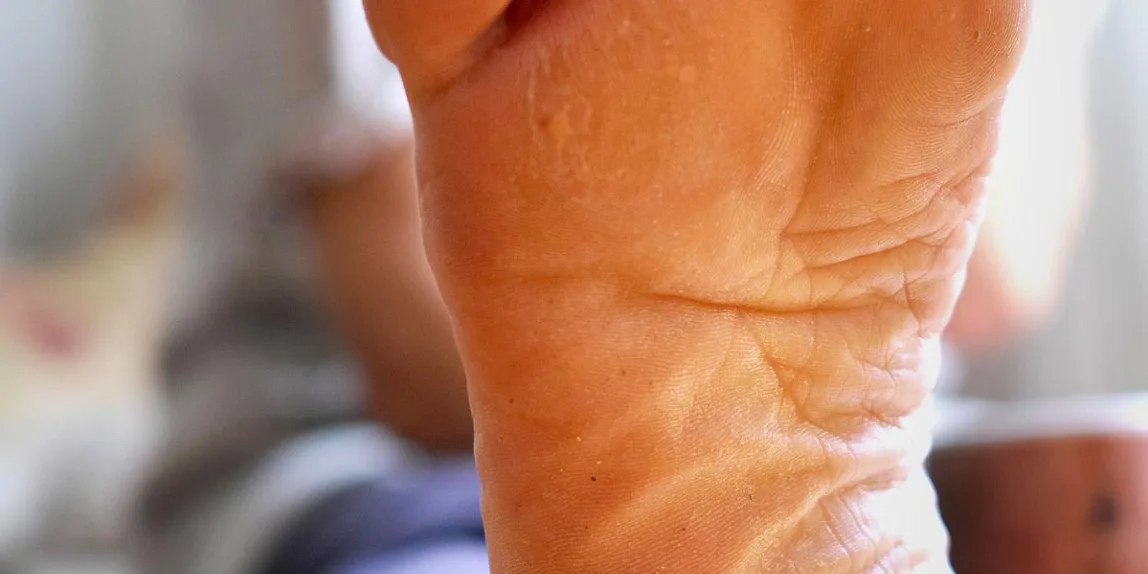
Ancient Chinese Secret - You want to know your Health Look at your feet. BTW, those ancient doctors wore no shoes. Really. -- YNOT!
Let me tell you something Wall Street and Big Pharma both understand very well:
The earlier you spot a problem, the cheaper it is.
That applies to stocks. That applies to real estate. And it definitely applies to your body.
Your feet are the balance sheet of your health.
They’re the farthest point from the heart — the last stop on the oxygen delivery route. When circulation weakens, when blood sugar rises, when inflammation builds, the toes start whispering long before the hospital starts billing.
Most people ignore whispers. They wait for sirens. By the time you’re arguing with an insurance company, your feet have been filing complaints for years.
So today we’re not talking mysticism. We’re talking diagnostics. Practical, observable signals.
Ten things your feet may be telling you — and how to act before small signals become expensive disasters.
Here’s the uncomfortable truth: Healthcare is reactive. Wealth is built by being proactive.
The same principle governs both.
A numb toe is cheaper than neuropathy.
A cramp is cheaper than hypertension.
A swollen ankle is cheaper than heart failure.
Your feet are not fortune tellers. They’re early warning systems.
And early warning systems are priceless — if you actually listen to them.
The wealthy don’t wait for collapse. They hedge.
Smart investors don’t wait for bankruptcy. They rebalance.
And smart adults don’t wait for amputation. They adjust lifestyle.
Because once the damage travels up the leg… it’s no longer a foot problem.
It’s a life problem.
And by then, the bill isn’t just financial.
Can Your Feet Really Tell You What’s Wrong With the Rest of You?
There’s an old saying that if you want to understand a house, don’t start with the roof — start with the foundation. Your body works the same way.
And your feet? They’re the basement. The farthest point from the heart. The place where oxygen arrives last, circulation struggles first, and little problems turn into big ones if nobody’s paying attention.
Let’s walk through what your feet might be trying to tell you — without turning this into superstition or snake oil.
1. Numbness, Burning, or “Weird” Sensations
Possible issue: Peripheral neuropathy
When nerves start misfiring, it often shows up in the toes first. Tingling. Burning. That “cotton under the skin” feeling.
Common causes include:
Diabetes or prediabetes
Alcohol overuse
Vitamin deficiencies (especially B vitamins like B1 and B12)
Now here’s the practical part: if blood sugar is high, nerves suffer. That’s not philosophy — that’s physiology. Good glucose control matters more than any supplement bottle. If neuropathy is suspected, this is doctor territory. Early treatment matters.
2. Blue or Pale Toes in the Cold
Possible issue: Circulation or Raynaud’s phenomenon
If your toes turn white or blue in cold weather, your small blood vessels may be overreacting. This can be benign — or related to autoimmune conditions.
Magnesium is often mentioned for muscle relaxation, but if circulation problems are frequent or severe, a medical evaluation is wise. Especially if it’s new or worsening.
Color changes are a clue. Clues deserve attention.
3. Nighttime Foot or Calf Cramps
Possible issue: Electrolyte imbalance, dehydration, circulation issues
Magnesium deficiency can contribute. So can:
Low potassium
Dehydration
Overuse
Certain medications
But here’s the grown-up advice: don’t megadose supplements because someone on the internet told you to “multiply by four.” More is not always better. Too much magnesium can cause real problems.
Start simple:
Hydration
Balanced diet
Review medications
Persistent cramps? Get checked.
4. Swollen Feet
Possible issue: Fluid retention
Swelling can be caused by:
Standing too long
High salt intake
Venous insufficiency
Heart, kidney, or liver issues
Yes, poorly controlled diabetes can contribute — but so can congestive heart failure. Big difference.
If both feet are persistently swollen, especially with shortness of breath, that’s not a home-remedy situation.
5. Discoloration of Lower Legs
Possible issue: Venous disease or blood clots
If one leg is swollen, painful, warm, and discolored — that could signal deep vein thrombosis (DVT). That is urgent medical care.
Stress alone does not “cause clots” in the simple way it’s often described. Clots involve multiple risk factors: immobility, surgery, genetics, cancer, hormone therapy, etc.
Vitamin E is not a substitute for anticoagulant therapy.
6. Big Toe Pain
Possible issue: Gout
If the big toe suddenly feels like it was hit with a hammer in the middle of the night, gout is a usual suspect.
It involves elevated uric acid levels.
Helpful strategies:
Hydration
Limiting excess alcohol (especially beer)
Reducing high-purine foods
Oxalates are a separate issue (more related to kidney stones), and magnesium alone is not a cure for gout.
If gout attacks repeat, blood testing is smart.
7. Foot Ulcers
Possible issue: Diabetes and poor circulation
A non-healing sore on the foot — especially in someone with diabetes — is serious.
This is where the “diagnostic window” idea becomes very real.
Early treatment prevents amputations. That’s not dramatic. That’s documented.
8. Yellow or Thick Toenails
Possible issue: Fungal infection (usually)
Most of the time, yellow thick nails are fungal. Not liver disease.
Treatments:
Prescription antifungals (oral or topical)
Good hygiene
Managing moisture
Probiotics are fine for gut health, but they do not cure toenail fungus by themselves.
9. Spoon Nails, Splitting, or Brittle Nails
Possible issue: Nutritional deficiencies
Iron deficiency is a classic cause of spoon-shaped nails.
Thyroid issues can affect nail texture.
When nails change significantly, labs can tell you more than guesswork.
The Real Takeaway
Your feet are not mystical. They’re mechanical. They sit at the end of your vascular highway. So when blood sugar is high, circulation is poor, nerves are damaged, or inflammation is brewing — your feet often show it first.
But here’s the part nobody likes to hear:
Supplements are not substitutes for fundamentals.
Control blood sugar
Move your body
Eat real food
Stay hydrated
Get labs when something looks wrong
Ancient wisdom had one thing right — pay attention to the foundation.
Because by the time the roof leaks, the basement has been whispering for years.